

Forex Trading Terms Explained Simply
📊 Master forex trading terms from pips to order types with this clear guide. Build confidence and navigate the forex market like a pro. 💹
Edited By
Grace Wilson
Forex trading is no walk in the park, especially for South Africans who face unique hurdles like fluctuating rand exchange rates, loadshedding interruptions, and shifting market conditions. Whether you’re just starting or looking to sharpen your trading edge, the right reading can save you many headaches and costly mistakes.
Understanding forex isn’t just about charts and pips — it’s also about grasping the psychology of trading, managing risk, and reading the market signals accurately. The good news? There are books that break down complex ideas into practical, easy-to-follow lessons tailored to different experience levels.

Here’s what to keep in mind when choosing your forex trading books:
Beginner vs Experienced: Some titles lay the groundwork with basic concepts and market mechanics. Others delve into advanced strategies and nuanced analysis techniques.
Trading Style: If you prefer day trading, swing trading, or long-term position trading, certain books address specific approaches more thoroughly.
Psychology & Risk: Managing emotions and controlling risk are often overlooked but vital components. Look for titles with solid chapters on mindset and money management.
"Reading widely isn’t just for building knowledge—it trains you to anticipate market moves smarter and manage losses better."
As South African traders, it’s crucial to pick resources that don’t assume you operate in a US or European environment only. Books that incorporate examples from emerging markets or offer universally applicable principles will serve you best.
In the sections ahead, you’ll find carefully selected forex trading books that cover market analysis, trading strategies, risk control, and trading psychology. These books can guide you from understanding currency pairs to executing winning trades confidently, no matter the rand-dollar volatility or global news waves rocking the markets.
Ready to make better trading decisions and protect your capital? Let’s take a closer look at the books that can help you get there.
Reading books on forex trading provides solid groundwork that no quick online course or YouTube video can easily replicate. Books often walk you through the basics step-by-step, beginning with fundamental concepts like currency pairs, pip values, and leverage. For example, before risking real capital, a beginner can learn what makes the US Dollar so influential globally or how the South African Rand reacts to commodity prices. This foundational knowledge helps you avoid fumbling in the dark when actual trades start piling up.
Stepping beyond the basics, books grant you access to the wisdom of traders with years, sometimes decades, of experience. These seasoned voices share real-world insights — for instance, common patterns spotted during volatile sessions or how geopolitical events sway currency valuations. A well-drafted forex book might reveal anecdotes about trades gone wrong and right, providing lessons that save budding traders from repeating those same errors. This transfer of experience builds your confidence and shapes your market sense.
A critical practical benefit is steering clear of usual traps many forex traders fall into. Mistakes like over-trading, chasing losses, or ignoring risk management can drain accounts quickly. Books often highlight these pitfalls clearly, illustrating consequences with tangible examples. For South African traders, this could mean understanding how Eskom’s loadshedding affects currency liquidity or how to control emotions when the Rand suddenly dips. Having this awareness beforehand helps you protect your capital and stay in the game longer.
Gaining foundational knowledge incorporates grasping concepts like bid-ask spreads, margin requirements, and order types. These are not just theoretical—they directly impact how you enter and exit trades and manage costs. A new trader who understands these basics avoids missteps such as miscalculating position sizes or falling prey to excessive leverage.
Learning from experienced traders draws on their trial-and-error journeys and hard-won insights. Rather than reinventing the wheel, you tap into proven strategies and mental frameworks that successful traders use under pressure. For instance, some books reveal how veterans used macroeconomic news release schedules to time entries, a tactic useful for anyone keen to trade around South African Reserve Bank announcements.
Avoiding common pitfalls saves you time and money. Many beginners dive in without considering risk-to-reward ratios or neglecting stop-loss orders. Reliable trading books expose these flaws early on, recommending practical steps to keep losses manageable. Learning these early can mean the difference between a small paper loss and a wiped-out account.
Firstly, clear explanations are key. Complex topics like Fibonacci retracements, Elliott waves, or carry trade strategies need to be laid out plainly. A good book breaks down jargon-heavy terms into everyday language, making learning quicker and less frustrating. Picture a section that explains currency correlations by comparing it to a braai party: some ingredients complement each other perfectly, others don’t.
Secondly, practical trading strategies should be featured prominently. These include entry and exit techniques, chart reading tips, and risk management rules tailored to different trading styles—whether day trading or swing trading. A good book might include suggested indicators to watch or how to interpret candlestick patterns specific to forex markets.
Examples and case studies supply context. You’re not told just what to do, but shown actual trades, charts, and outcomes. For instance, a case study might detail a trade on the ZAR/USD pair during a political event in Pretoria, explaining decision points step-by-step. Such examples provide a blueprint for applying theory to real markets.
Finally, psychological aspects of trading are often overlooked but critical. Handling fear, greed, and patience often determine success or failure. The best books dive into mental discipline, teaching you how to stick to your plan even when the Rand suddenly tumbles or when you’ve hit a losing streak. Plus, they might include exercises to build emotional resilience and focus.
Reading forex trading books isn’t just about collecting information—it’s about cultivating a mindset and skill set that grows with experience and market changes. This thoughtful approach helps South African traders navigate a complex, fast-moving market with a clearer head and a stronger hand.
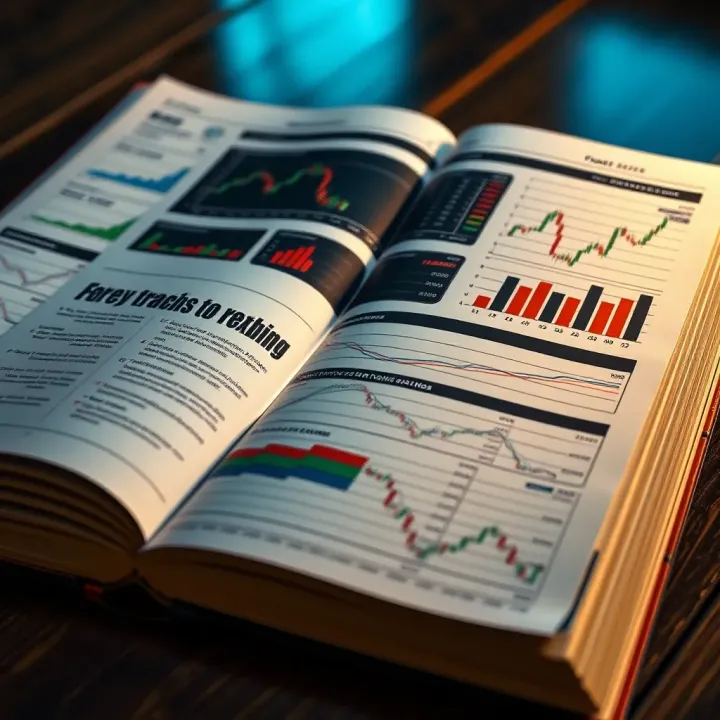
For anyone just starting in forex trading, the right book can make a big difference. Beginners often stumble not because the market is complex, but because they lack a solid grasp of the basics. Top books recommended for beginners typically cover essential terms, mechanics, and practical steps, which helps build confidence before putting real money on the line.
Books focusing on basic terms and mechanics introduce readers to the language of forex. Understanding terms like pips, lots, leverage, and spreads lays the foundation. These books unravel how the forex market operates 24/5, who the main players are, and how trades happen. For example, explaining how a pip movement can impact profits or losses in simple terms makes the learning curve less steep.
How to set up a trading account is another crucial topic in beginner books. Many novices overlook the procedural complexity of opening an account, especially with internationally regulated brokers. Practical guides walk readers through selecting reputable brokers — considering regulation (FSCA-approved brokers for South Africans), account types, and platform features. Step-by-step instructions for depositing funds and navigating demo accounts empower new traders to practise without risking real money.
Understanding currency pairs is central to forex trading, and beginner books clarify this well. They explain how currencies are paired (e.g., EUR/USD, GBP/ZAR), why one currency is considered the base and the other the quote, and how exchange rates fluctuate. Books often highlight how geopolitical events, interest rates, and economic data influence pairs differently. Real-world examples, such as the effect of South African Reserve Bank (SARB) interest rate decisions on the ZAR, help make the concept tangible.
Simple strategy overviews provide straightforward approaches that new traders can test. Rather than jumping into complex systems, these books recommend beginner-friendly methods like trend following or breakout trading. They focus on clear entry and exit rules, making mistakes easier to avoid. For instance, understanding when to buy or sell based on moving averages can give traders a framework to start.
Learning technical analysis basics is often covered with emphasis on charts and indicators. Such books teach how to read candlestick patterns, use support and resistance levels, and apply tools like the Relative Strength Index (RSI) or Moving Average Convergence Divergence (MACD). These insights help traders identify potential price movements rather than relying on guesswork.
Risk management fundamentals are arguably the most vital lessons for beginners. The books stress managing exposure by limiting the percentage risked per trade and using stop-loss orders. They also explain the dangers of overleverage, which is a common pitfall among rookies. For example, setting a stop-loss to limit losses to 1–2% of a trading account keeps risks manageable and helps build long-term discipline.
Smart beginners focus on mastering these basics through books before diving into live markets. This foundation reduces costly errors and builds a clearer path to trading success.
By choosing books that address these areas clearly and practically, new traders in South Africa can avoid common pitfalls and start with a better understanding of the forex market's workings and risks.
Advanced forex trading books go deeper than just the basics, offering insights that seasoned traders need to sharpen their skills. Such books typically cover complex technical and fundamental analysis, along with the psychology behind trading decisions. For experienced traders in South Africa, these resources become vital for adapting strategies to fluctuating market conditions and for managing emotions that often swing with volatile price movements.
Chart patterns and indicators are the backbone of many advanced trading systems. They help traders identify potential turning points, entry and exit signals, and overall market trends. For example, recognising patterns like head and shoulders, double tops, or triangles can signal trend reversals or continuations, allowing traders to act before the bulk of the market does. Indicators such as the Relative Strength Index (RSI) or Moving Average Convergence Divergence (MACD) provide additional confirmation by measuring momentum or trade volume.
Having a solid grasp of these techniques can improve timing and precision in trading decisions. Instead of relying on guesswork, experienced traders use these tools to analyse price movements on platforms used widely in South Africa, such as MetaTrader or TradingView.
Economic factors impacting forex markets are equally important. These include interest rate changes by central banks like the South African Reserve Bank (SARB), inflation numbers, employment data, and geopolitical events. For instance, a sudden hike in the SARB repo rate can strengthen the rand against other currencies, affecting trades across pairs such as USD/ZAR or EUR/ZAR. Understanding how these macroeconomic factors influence currency valuation helps traders anticipate market shifts beyond mere chart signals.
Managing emotions during trading is essential, especially for experienced traders dealing with larger positions or more complex strategies. Fear and greed can derail even the soundest plans. Advanced forex books frequently address methods to stay calm and disciplined, such as keeping a trading journal, setting predetermined stop-loss limits, and practising mindfulness techniques to avoid impulsive decisions.
Building a consistent trading routine further supports successful trading. This includes setting regular market analysis times, following a defined set of rules for entering and exiting trades, and reviewing performance systematically. Consistency helps traders avoid chasing losses or overtrading during market stress. For example, a trader might dedicate daily morning hours to study global economic updates relevant to the rand, followed by afternoon sessions focused on price charts.
A disciplined approach, grounded in sound analysis and emotional control, marks the difference between profitable forex trading and costly mistakes.
In sum, advanced forex trading books offer practical knowledge that helps experienced traders deepen their understanding of markets, refine tactics, and maintain the psychological resilience needed to succeed in South Africa’s dynamic forex environment.
Choosing the right forex book is a key step to ensuring effective learning tailored to your specific trading journey. Books vary widely in content, style, and focus, and picking one that suits your current level and objectives can save you time and prevent frustration. For example, a beginner needs a straightforward guide to establish solid basics, while an experienced trader might look for detailed strategy discussions or advanced market analysis.
Firstly, you need to be honest about your level of experience. Beginners benefit from books that introduce core concepts in plain language without assuming prior knowledge. A book like "Forex for Beginners" typically explains currency pairs, leverage, and trade execution in clear terms. Conversely, advanced traders should look for materials that explore complex strategies, tick charts, or economic indicators in depth. Jumping into an advanced book without grasping the basics often leads to confusion and crashes your learning curve.
Your trading horizon also influences book choice. Long-term traders, or position traders, require insights on fundamental analysis and macroeconomic factors. Books that explore economic cycles, interest rates, and geopolitical events tend to suit this approach. On the other hand, short-term traders focus on price action and technical analysis, often needing guides that delve into chart patterns, indicators, and fast decision-making tools. Selecting a book aligned with your timeframe ensures you’re not overwhelmed by irrelevant details.
Day traders, who open and close trades within a single session, look for books covering rapid trade setups, tight risk management, and emotional discipline under pressure. Swing traders, holding positions from days to weeks, benefit from books explaining trend identification and medium-term momentum indicators. Choosing literature matched to your style supports practical application and skill development.
Opt for books penned by authors with proven trading experience or credible financial backgrounds. An author who’s navigated real market turbulence offers wisdom beyond theory—like nuanced risk assessments or psychological resilience tips. For example, a South African trader might prefer authors familiar with emerging market volatility or local trading conditions for relatable lessons.
Forex trading in South Africa can be distinct due to factors like the rand’s behaviour, regulatory frameworks such as the Financial Sector Conduct Authority (FSCA), and local brokers' conditions. Books addressing these specifics — even briefly — add practical value. If a forex book references global setups only, weigh whether you need supplementary information to apply the concepts locally.
User reviews give insight into a book’s real-world usefulness, clarity, and accuracy. Look for patterns in feedback—do readers praise the book’s step-by-step instructions? Or do they mention confusing jargon and outdated examples? Balanced and honest reviews help avoid time wasted on unsuitable or poorly written guides.
Taking the time to carefully assess a forex book based on your experience, goals, and trustworthiness of its source can vastly improve how you absorb and apply trading knowledge. This makes your learning both efficient and impactful.
Reading forex trading books provides a solid foundation, but combining that knowledge with practical application helps solidify understanding and build confidence. Many traders find that books alone don’t capture the unpredictable nature of markets. Getting the most out of your reading means pairing theory with real-world practice and ongoing learning.
Using demo accounts alongside book strategies allows you to test trading methods without risking actual capital. For example, if a book discusses the use of moving average crossovers to identify trade entries, practising this on a demo platform lets you see the strategy in action. Demo trading replicates live market conditions and gives you a sandbox to try out various approaches, observe their outcomes, and adjust accordingly. This hands-on approach helps pinpoint what works for you, especially considering different forex brokers active in South Africa like IG or Standard Bank’s platform.
Joining local or online trading communities can enrich your learning experience further. These communities offer a chance to discuss book concepts, share trading setups, and get feedback from fellow traders. In South Africa, forums or WhatsApp groups focused on forex spread trading or day trading can provide context-specific insights, such as how to navigate loadshedding-related market volatility. Knowing you’re not alone while working through challenging concepts or correcting mistakes improves motivation and accelerates growth.
Following market news and updates is key to understanding the ever-changing factors affecting forex prices. Economic indicators, central bank announcements, and geopolitical events shape currency movements. Regularly checking sources like Bloomberg, Reuters, or local business news empowers you to link theory from books to actual market shifts. For instance, following SARB’s repo rate changes could help anticipate ZAR volatility in your trades.
Attending workshops or webinars offers interactive learning where experts explain complex topics and answer questions live. These sessions often cover the latest tools, trading platforms, or regulatory updates relevant to South African traders. For example, a webinar on incorporating technical analysis with fundamental research gives practical examples, going beyond what a book might cover. Engaging directly with instructors and peers often clarifies doubts and helps deepen your understanding.
Combining book knowledge with practical application and continual learning creates a well-rounded trader who adapts confidently to market challenges.
If you aim to sharpen your forex skills and avoid the trap of passive reading, mixing these methods is the way to go.
📊 Master forex trading terms from pips to order types with this clear guide. Build confidence and navigate the forex market like a pro. 💹

Master forex trading strategies with practical tactics, risk management tips & handy tools 📊. Perfect for traders aiming to boost their currency skills!

Explore forex trading in Yokohama 🇯🇵 with tips on local market trends, key players, and strategies to navigate currency trading effectively. 💹📈
📈 Discover practical tips on using free forex trading signals in South Africa. Learn benefits, risks, and quality checks to trade smarter and safer! 🇿🇦
Based on 15 reviews