

Binary Options Trading Guide for South African Traders
📈 Learn how binary options trading works, the risks involved, and key regulatory info for South African traders. Get practical tips to trade smart and stay safe. 🇿🇦
Edited By
Isabella Morgan
Binary options trading has caught the eye of many South African investors looking for quick and straightforward ways to engage in financial markets. At its core, binary options involve predicting whether an asset’s price will go up or down within a specific timeframe. If your prediction is correct, you earn a fixed payout; if wrong, you lose your stake. This 'all-or-nothing' structure means the profit and loss are known before you even place the trade.
Unlike traditional investing where profits fluctuate with market movements, binary options deliver clear outcomes—either a set return or nothing at all. For example, you might bet R500 on the price of gold being higher than its current level in the next hour. If gold's price rises as predicted, you could receive a fixed return of, say, R850, including your initial stake. If the price falls or stays the same, you lose the R500.

Keep in mind, while binary options can seem like a quick way to make money, the risks are substantial. Many traders underestimate this and end up losing more than they anticipate.
The appeal lies in its simplicity and speed. Traders don't need to worry about complex calculations of price movements or owning the underlying asset. All decisions hinge on price direction over short periods—from 60 seconds up to several hours.
However, binary options are not without controversy in South Africa. The South African Reserve Bank and other authorities caution investors due to the high risk and potential for scams. Many platforms operate offshore, posing additional challenges in legal protection and recourse if something goes wrong.
For South African investors, understanding these legal nuances is key. Only a few brokers are registered and regulated locally, ensuring compliance with the Financial Sector Conduct Authority (FSCA) and the Financial Intelligence Centre Act (FICA). Traders should verify licences before committing funds.
In the sections ahead, we'll cover how binary options work in detail, highlight the risks and rewards, delve into the regulatory landscape in South Africa, and share practical tips to trade wisely. This guide aims to give a clear, balanced perspective so you can make informed decisions before jumping in.
Remember, no matter the tool or market, cautious and well-informed investing beats reckless speculation every time.
Understanding what binary options are and how they work is essential for anyone considering this type of trading, especially in South Africa where the market is still emerging and regulatory clarity is evolving. Binary options are straightforward in concept but carry significant risk; knowing exactly how they function helps investors make smarter, more informed decisions.
Binary options have a simple win-or-lose outcome — either you earn a fixed profit or lose your initial stake. Imagine betting whether the Rand would strengthen against the US dollar by 3 pm today. If you predict right, you get a predetermined payout (say, 70%-90% of your stake). If you're wrong, you lose that money. This fixed-risk model makes it easy to calculate potential returns before you place a trade, but it also means if you’re wrong, you lose everything you risked on that trade.
This all-or-nothing nature can appeal to traders who prefer knowing their exact exposure upfront. However, it also means that success requires strong market timing and analysis, as repeated wrong predictions can eat through your capital quickly.
There are several types of binary options, each suiting different trading styles:
High/Low Options: You predict whether the asset price will be above or below the current price at expiry.
One Touch/No Touch: You guess if the price will touch (or not touch) a target level before expiry.
Range Options: You speculate whether the price stays within a specific range during the option period.
For example, with a One Touch option on gold, you might bet that its price will hit R1,000,000 per kilogram within the next hour. Selecting the right type depends on your risk tolerance and understanding of market moves.
Binary options let you trade on various assets including forex pairs (like USD/ZAR), stocks listed on the JSE, commodities such as gold or petrol, and sometimes indices like the Top 40. Picking an asset you know and understand increases your chance of making accurate predictions.
For instance, a trader familiar with South African economic data might prefer trading USD/ZAR binary options, leveraging knowledge of SARB announcements or local events that influence the rand’s strength. This choice directly impacts how you analyse market movements and set up trades.

Expiry time is when the binary option contract ends and your prediction is evaluated. Options can last from as little as 60 seconds to several months. Short expiry times offer quick turnover but require fast decision-making and higher precision. Longer expiry options give more time for the market to move but tie up capital for extended periods.
Choosing the right expiry depends on your trading style and asset volatility. For example, during periods of high loadshedding, market activity may slow, making longer expiry times more sensible as price movement narrows. On the other hand, active traders might prefer short expiries to seize rapid market shifts.
Remember: Binary options are about timing and probability, not long-term investing. Your success depends on understanding these mechanics thoroughly before risking real money.
Understanding the advantages and pitfalls of binary options is key for South African investors looking to explore this trading method. While binary options offer straightforward terms and the allure of quick profits, the risks can be significant and sometimes overlooked. Assessing both sides helps you make informed decisions and manage your exposure wisely.
One of the clear benefits of binary options is the certainty they offer regarding potential outcomes. When you enter a trade, you know exactly how much you stand to gain or lose before placing your bet. For example, if you invest R1,000 predicting that a share price will rise, and the payout is 80%, you’ll know in advance you’ll either make R800 or lose your R1,000. This fixed structure removes the guesswork about how much risk you’re taking on each trade.
This setup can be particularly useful for traders who want to cap their losses and plan bankroll management carefully. It’s a bit like agreeing on the rules of a game upfront. You either win your pre-agreed return or lose your initial stake — no surprises. This predictability contrasts with more conventional stock trading where losses can be unlimited or profits volatile.
Binary options boil trading down to a basic yes-or-no choice: will the asset’s price go up or down within a set time? This stripped-back approach attracts many newcomers because it removes complex chart reading or fundamental analysis. Instead, you focus on the directional movement only.
This simplicity means a quicker learning curve and less reliance on heavy market data. For instance, a trader might choose to predict whether the gold price will increase in the next hour, rather than scrutinising dozens of economic indicators. It’s like betting on a horse race where you back the winner without worrying about exact timings or margins.
Yet, this ease can be a double-edged sword. The focus on one big call can encourage quick-fire decisions without full consideration — a point we’ll discuss shortly.
The flip side of fixed returns is that the odds are often against the trader. Binary options tend to offer payouts less than the risk assumed, meaning you can lose more frequently than you win. For example, a payout of 80% on a winning trade means you must be right more than half the time just to break even.
Many traders underestimate how fast losses can accumulate, especially with short expiry times encouraging rapid-fire trades. You could quickly burn through your initial capital, much like chasing losses at a casino. This risk calls for strict money management and cautious trade sizing.
Not all binary options platforms operate with the same level of openness or technical stability. Some South Africans have reported delays in order execution, unclear pricing, or challenges withdrawing funds. These problems can turn what seems like a simple trade into a frustrating and costly experience.
Choosing a platform that is licensed or regulated—where possible—and has transparent terms is critical. It’s wise to test platforms using demo accounts before committing real money.
Sadly, the binary options market has attracted unscrupulous operators. Rogue websites may promise guaranteed returns or offer bonuses that come with hidden conditions making it near-impossible to withdraw winnings. In South Africa, the Financial Sector Conduct Authority (FSCA) regularly issues warnings to protect investors.
For example, some scam platforms impersonate legitimate brokers or disappear with traders’ deposits. Protect yourself by dealing only with recognised brokers, verifying licences, and avoiding any offers that seem too good to be true.
Trading binary options comes with clear-cut pros and risks. Knowing exactly what to expect helps you approach this market with caution and respect.
In summary, while binary options offer a straightforward method with known gains and losses, they demand disciplined risk management and careful platform selection. Being aware of the pitfalls means you can spot warning signs early and trade smarter.
Understanding the regulatory landscape is vital when trading binary options in South Africa. The legal status not only shapes how these products can be offered but also directly affects the safety and protection of investors. Given the risks tied to binary options, knowing what rules are in place—who enforces them and how—is a must for South African traders.
South Africa’s Financial Sector Conduct Authority (FSCA) plays a central role in overseeing financial markets, including trading platforms. The FSCA aims to protect investors by monitoring and regulating firms that offer financial products. While the FSCA does not licence binary options trading providers within South Africa, it keeps a watchful eye on the activity and issues warnings where necessary.
In practical terms, this means that platforms offering binary options must comply with South African financial laws if operating locally. However, many brokers claiming to offer binary options to South African traders are based offshore and fall outside FSCA’s direct supervision. This regulatory gap poses challenges and emphasises the need for cautious trading.
Regarding South African law, binary options are broadly seen as high-risk speculative products. They do not have the same standing as regulated securities or standard derivatives and are often treated with scepticism by authorities. Since 2018, there has been increased scrutiny, and the FSCA has made clear that retail investors should approach binary options trading with caution or avoid it outright.
The FSCA regularly issues advisories warning consumers about the dangers of binary options. These warnings highlight common pitfalls, such as misleading advertising, promises of guaranteed returns, and platforms that operate without any local oversight. By raising awareness, the FSCA seeks to reduce cases where South Africans fall prey to scams or lose significant capital.
To stay safe, South African traders should focus on a few key practices. First, always check if the trading platform is authorised or regulated by recognised bodies. Second, start with demo accounts to understand how binary options work before risking real money. Finally, set strict limits on how much to invest and be sceptical of claims that sound too good to be true.
The FSCA’s advisories serve as a reminder: binary options trading can quickly lead to financial losses without proper knowledge and caution.
Starting with binary options trading in South Africa requires careful consideration given the risks and varying degrees of legal clarity. For local investors, understanding how to pick a reliable broker and practical trading strategies can make a big difference in avoiding pitfalls common in this market. It’s not just about jumping in to trade; it’s about building a foundation that protects your capital and gives you a better chance to succeed.
Spotting licensed brokers is your first line of defence. In South Africa, the Financial Sector Conduct Authority (FSCA) regulates financial service providers but doesn’t currently license brokers specifically for binary options. This means many popular platforms operate offshore, beyond FSCA oversight. So, verify if a broker is licensed by a reputable international regulator such as the UK’s FCA or Australia’s ASIC. These licences suggest a certain standard of transparency and consumer protection.
For example, a South African trader might consider a platform regulated by the FCA, as it typically requires adherence to strict rules on client fund management and dispute resolution. However, even with international licences, exercise caution—check user reviews and test the platform’s customer support before committing funds.
Evaluating platform features and fees helps you avoid surprises. Look for brokers who clearly disclose trading fees, withdrawl charges, and whether they offer a wide selection of assets. Some platforms hide costs in spreads or exit fees, trimming your potential returns. Features like real-time charts, user-friendly interfaces, and responsive mobile apps can enhance your trading experience significantly.
For instance, if a platform charges 5% withdrawal fees plus a commission on each trade, effective profit margins will shrink quickly. On the other hand, a transparent broker with a low minimum deposit and easy withdrawals allows you to focus on trading rather than hunting for hidden costs.
Starting with a demo account is a straightforward way to learn without risking money. Many brokers offer practice accounts that simulate real market conditions with virtual funds. Use these to get a grip on the features, test different strategies, and gain confidence. This is especially useful in South Africa, where time zone differences and volatile markets can add complexity.
For example, practising binary calls and puts on currency pairs like USD/ZAR or commodities such as gold can help you understand price movements and expiry impacts before investing real Rand.
Using a demo account is like learning to drive on a closed track before hitting the busy N1 highway.
Managing risk and setting limits should guide every trade you place. Since binary options carry a high probability of losing your entire stake, decide in advance how much of your capital you’re willing to risk daily or weekly. Using stop-loss rules and fixed-budget strategies prevent emotions from dictating trades.
A good rule of thumb might be risking no more than 2-5% of your trading capital per option. Keeping a trade journal to track wins and losses also helps refine your approach over time. Remember, trying to chase losses after a run of bad trades usually worsens the situation.
Getting started with binary options is more than learning the mechanics; it’s about mastering risk, choosing the right partners, and starting small to protect your portfolio under South African market realities.
📈 Learn how binary options trading works, the risks involved, and key regulatory info for South African traders. Get practical tips to trade smart and stay safe. 🇿🇦

📈 Learn how binary option trading works in South Africa, with practical tips, local legal insights, risks, and benefits to help you trade smartly and safely.
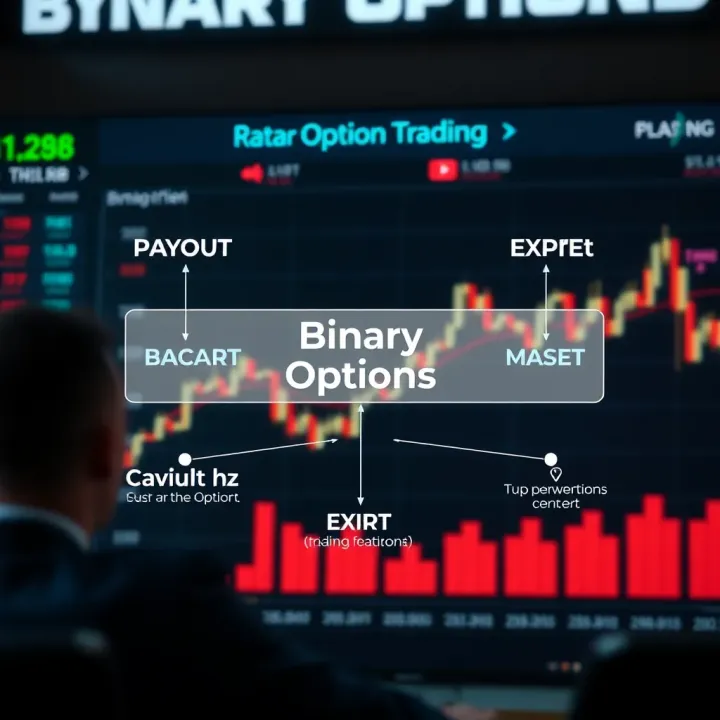
📊 Curious about binary options? Learn how they work, spot risks, understand regulations, and get local tips to trade smartly in South Africa’s market.

📚 Explore top free binary options trading books tailored for South African traders. Learn strategies, risk management, and broker tips to sharpen skills. 📈
Based on 5 reviews