
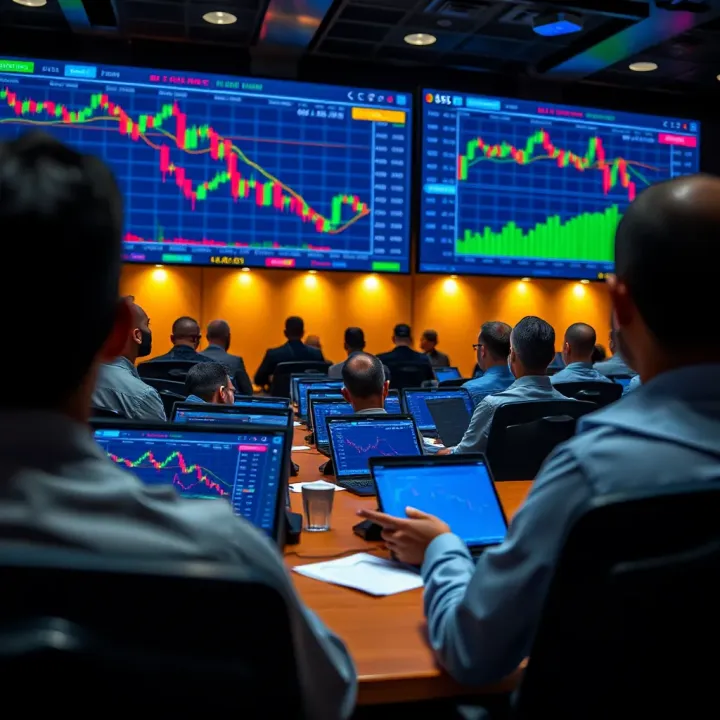
Guide to Forex Trading Seminars in South Africa
Discover top forex trading seminars in South Africa 🇿🇦. Learn how these events boost skills 📈, offer key insights 💡, and guide every trader's journey.
Edited By
Chloe Edwards
Finding a good forex trading platform in South Africa can seem tricky at first, especially with so many options flooding the market. But the right platform matters a lot — it affects your trading experience, costs, and even your safety. Whether you’re a seasoned trader or just dipping your toes into the world of forex, choosing a platform that ticks the right boxes will set you up for smarter trades.
The basics to look for include regulatory compliance, user interface, fees, and tools on offer. South African traders benefit from platforms regulated by the Financial Sector Conduct Authority (FSCA). This means your money stays protected under local rules — unlike some offshore platforms where you might run into trouble withdrawing funds. Always check the platform’s licence status and reviews from local users.
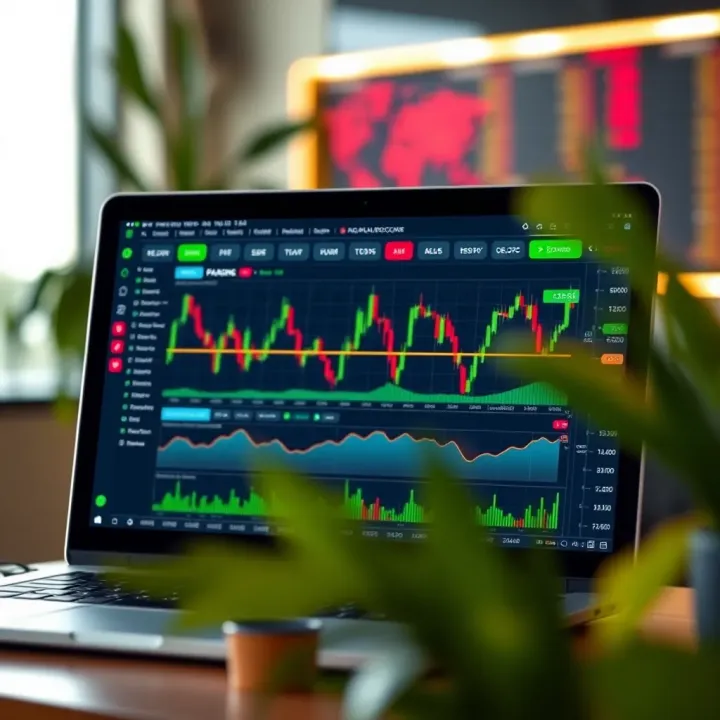
User experience is as important as regulation. A cluttered or slow platform makes it difficult to keep up with fast-moving currency markets. Platforms like IG or Plus500 provide sleek interfaces and mobile apps that work well even on slower internet connections common in certain areas. Good charting tools—think multiple timeframes, indicators, and drawing options—make analysing trends easier and decisions quicker.
Costs can sneak up if you’re not paying attention. Spread size, commissions, and overnight fees vary widely. Some platforms offer fixed spreads which can be handy if you hate surprises. Also, look out for deposit and withdrawal charges. South African traders often prefer platforms that support local bank transfers or EFT to avoid hefty fees or delays.
Finally, local features matter. Platforms that support Rands (ZAR) accounts save you conversion fees and allow easier deposit and withdrawal. Plus, options like educational resources tailored to South African regulations can be a bonus, especially for beginners.
Picking a forex platform isn’t just about the lowest fees or flashiest features — it’s about matching the platform’s strengths to your trading style and needs.
In the sections that follow, we’ll walk through how to assess forex platforms based on these criteria and compare some popular choices that South Africans actually use.
Forex trading involves buying and selling currencies on the global market, aiming to profit from changes in exchange rates. Traders operate in pairs, like the USD/ZAR (US dollar/South African rand), speculating whether one currency will strengthen or weaken against the other. It’s a market that never sleeps, running 24 hours from Monday to Friday due to different time zones. Understanding the basics of how currency values move and what drives those moves is essential before choosing a trading platform.
Forex trading isn't just about luck; it's about analysing economic indicators, geopolitical events, and market sentiment.
As for why forex appeals to South African traders, several factors come into play. First, the rand’s volatility compared to major currencies creates opportunities for profit. For example, a sudden change in Eskom’s loadshedding plan or political developments can lead to sharp rand shifts. Second, forex markets have high liquidity, meaning trades can be executed quickly at transparent prices, suiting both short-term day traders and longer-term investors.
Additionally, forex trading offers accessibility. Many brokers and platforms allow South Africans to start trading with fairly low capital, often from R1,000 or less. Plus, the ability to use leverage means traders can control larger positions with less money upfront – though this amplifies risk, so caution is vital. The rise of reliable internet access and mobile apps has also made it easier for people to engage in forex trading from anywhere in South Africa.
Trading forex means speculating on currency pairs, where the value of one currency is measured against another. When you believe a currency will strengthen, you buy it; if not, you sell. This can be based on analysis of economic reports like South Africa’s GDP growth, inflation rates, or interest rate decisions by the South African Reserve Bank (SARB). Even factors like mining output or trade balances can affect currency prices.
The practice requires monitoring charts, using technical indicators, and possibly setting stop-loss orders to manage risk. Forex trading platforms provide the tools to analyse these movements and execute trades quickly. Both manual trading, where a trader makes decisions, and automated systems (using algorithms) are common.
For many South Africans, forex trading offers a chance to diversify investments beyond local shares or property. Since the forex market operates across the globe, it isn’t tied solely to South African economic conditions. This can be helpful during times when the local economy is struggling.
Also, forex trading’s short-term nature appeals to people looking to profit from daily market movements, unlike traditional investments that may need years to mature. The digital platforms available now make it easy to start and manage trades, even for those juggling full-time jobs.
Finally, the ability to trade from home or on mobile devices fits well with contemporary lifestyles. With the growing community of South African traders sharing tips and strategies online, newcomers find it less daunting to get involved.
In sum, understanding what forex trading entails and why it suits South African investors lays the groundwork for choosing the best platform. Knowing the market’s mechanics, risks, and benefits helps you pick a platform that matches your goals and trading style.
Choosing the right forex trading platform matters a lot for your success and safety as a trader in South Africa. It’s not just about shiny features or fancy ads; you need a platform that is trustworthy, cost-effective, easy to use, and fits your trading style. Several factors come into play, such as how well-regulated the platform is locally, what kind of fees you’ll pay, the quality of trading tools it offers, and how easily you can fund your account through familiar payment methods. Let’s break these down to give you a clearer picture.
The FSCA regulates financial markets and services in South Africa, making sure that brokers operate fairly and transparently. This watchdog focuses on protecting investors by enforcing rules around licensing, conduct, and disclosure. When you choose a platform regulated by the FSCA, you get assurance that your money is held separately from the broker’s funds, reducing the chance of misuse. Think of it as a safety net during times of market turbulence or broker issues.
Only trade through brokers licensed by the FSCA or reputable international regulators. Licensed brokers are required to meet strict capital requirements and undergo regular audits. This means they can’t just disappear with your funds or engage in shady activities without consequences. Unlicensed operators, on the other hand, carry significant risks—you might face delays withdrawing money or worse, total loss. Look out for clear licence information before signing up.
Spreads refer to the difference between the bid and ask price on a currency pair. Tighter spreads mean cheaper trading costs. Some platforms charge commissions on top of spreads, while others include all costs in the spread itself. For instance, PayPal-compatible brokers might offer zero commissions but slightly wider spreads. For active traders, even a few pips difference impacts profitability, so compare spreads carefully.
Depositing and withdrawing funds shouldn’t be painful or expensive. Some platforms charge fees on bank transfers or credit card payments, while others allow free withdrawals through EFT (Electronic Funds Transfer), which is popular in South Africa. Keep in mind that your local bank might also impose charges on international transfers. Make sure the platform supports convenient deposit and withdrawal options without hidden costs.
Trading doesn’t stop when you leave your desk. Good platforms offer apps for mobile phones and tablets with near identicial features to desktop versions. This means you can monitor charts, place trades, and set alerts on the go—essential in a fast-moving forex market.
Look for platforms that provide detailed charting tools with a range of indicators and drawing tools. For example, MetaTrader platforms offer customisable charts and automated trading options. Beginners benefit from easy-to-understand technical analysis features, while experienced traders appreciate advanced tools that help spot trends or reversals with better precision.
Using local bank transfers or EFT is often faster and cheaper than international payments. Platforms that work with South African banks like FNB, Standard Bank, or Absa can offer smoother transactions. This is crucial especially if you want quick access to your funds or efficient currency conversion.
Besides banks, some platforms support e-wallets like Skrill, Neteller, or even crypto payments. These can speed up transactions and sometimes lower fees. They also provide convenience if you prefer not to link your bank account directly. But remember to check if your preferred e-wallet is accepted and whether withdrawal limits apply.
When vetting forex trading platforms in South Africa, don't just chase flashy features. Make sure the platform meets solid safety, cost, usability, and payment criteria suited to your trading needs.
This approach helps you avoid pitfalls and builds a strong base for your trading activities on a reliable, user-friendly, and fair platform.
Choosing the right forex trading platform is key for South African traders because it directly affects trading efficiency, costs, and overall experience. A solid review of popular platforms provides clarity on what’s on offer locally and globally, helping investors decide which suits their style, budget, and goals. Whether it’s user interface, security, or available tools, understanding each platform's features makes picking the right one less of a guessing game.
Features: MetaTrader 4 (MT4) and MetaTrader 5 (MT5) have become household names in forex trading due to their comprehensive tools. MT4 specialises in forex and CFDs with advanced charting, customised indicators, and automated trading through Expert Advisors (EAs). MT5, while including all MT4 features, expands into stocks and futures, offering more technical indicators, an economic calendar, and depth of market tools. For South Africans, these platforms bring a global standard with a strong community sharing strategies and EAs, making trading more adaptable and informed.
Accessibility: Both MT4 and MT5 are accessible on desktop, web, and mobile devices, allowing traders to stay connected regardless of location or device. In a country where data costs and consistent connectivity can vary, the lightweight design and offline capabilities on mobile apps provide practical advantages. Traders can place orders, monitor positions, and analyse charts on the go, avoiding missing sudden market moves caused by Rand volatility.
Suitability for Beginners and Experienced Traders: MT4 appeals to beginners with its straightforward interface and wide availability of free tutorials, while experienced traders appreciate the depth of customisable tools and EAs. MT5 attracts more advanced traders with its expanded asset range and sophisticated market tools. For instance, a local trader starting with forex-only might prefer MT4, then upgrade to MT5 when ready to diversify.
Key Features: Plus500 is known for its simplicity and ease of use. The platform focuses on CFDs across forex, indices, commodities, and cryptocurrencies. Its straightforward interface features clear charts and risk management tools like guaranteed stop-loss orders. This focus makes it a practical choice for South Africans who want a user-friendly entry point without the clutter of complex analytics.
Cost Structure: Plus500 offers competitive spreads with no commissions, making it cost-effective for those starting. However, inactivity fees apply after three months, which traders should watch out for. Transactions like deposits and withdrawals are generally free via standard methods, reducing hidden costs.
User Experience: The platform’s clean layout and quick onboarding reduce the learning curve. Its web-based format means no software installations are necessary, suiting traders wary of phone storage limits or unreliable internet connections. Still, professionals may find the range of tools limited compared to MT4 or MT5.
Regulation: IG Markets is regulated by several top-tier authorities including the Financial Sector Conduct Authority (FSCA) in South Africa, providing a sense of security for local traders. This compliance is crucial, especially given the prevalence of unregulated brokers in the region.
Platform Advantages: IG's proprietary platform boasts advanced charting, newsfeeds, and risk management tools. Its slicer-and-dicer approach to market analysis suits traders who rely on technical and fundamental data. The platform also offers voice command features—a novelty that’s handy when multi-tasking or away from the keyboard.
Range of Markets: Beyond forex, IG offers access to over 17,000 markets including shares, indices, commodities, and cryptocurrencies. This diversification helps South African traders who want to explore beyond forex without juggling multiple platforms or brokers.
Overview of South African Brokers: Local brokers like EasyEquities and CM Trading provide platforms tailored to South African traders’ needs, including Rand-denominated accounts and support in local languages. These brokers often feature simpler verification procedures aligned with RICA and FICA requirements.
Advantages of Choosing Local Providers: Using local platforms often means better customer service tailored to South African time zones and business culture, faster deposits and withdrawals via local banks, and sometimes enhanced protection due to FSCA regulation. For example, dealing with a local broker can help avoid forex confusion linked to exchange controls or international payment delays.
Selecting the right forex platform isn't just about flashy features. It's about matching your trading needs with what’s practical, affordable, and reliable here in South Africa. Each platform reviewed here offers distinct strengths — consider these carefully before committing your capital.
Starting out in forex trading without a clear plan often leads to frustration and losses. These tips address key things every new trader in South Africa should keep in mind to build a sustainable approach.
Forex trading is not a quick route to riches, especially with the rand’s volatility and global economic shifts. Rather than chasing unrealistic daily profits, focus on setting achievable targets that suit your capital and risk tolerance. For example, aiming for 5% monthly growth might be more sensible than expecting to double your account in a few weeks. Having clear goals helps keep emotions in check, avoiding reckless trades when things don’t go your way. Also, factor in that losses are part of the game. Accepting this early prevents feeling overwhelmed when trades don’t pan out.
A stop-loss is an order you set to automatically exit a trade if the price moves against you by a specified amount. It’s your safety net. In volatile markets like forex, prices can shift fast, and holding on without a stop can wipe out months of gains in minutes. For instance, if you buy EUR/USD at 18.1230, setting a stop-loss 50 pips below means your losses will be capped. South African traders should always use stops because the rand can experience abrupt swings influenced by both local and global events.
Leverage lets you control a large position with a small deposit, tempting for boosting returns. However, it also magnifies losses. Using excessive leverage is a common pitfall that can lead to rapid account blowouts. If a trader uses 1:100 leverage, a 1% market move against them wipes out their entire deposit. It’s wise for newcomers to stick to low leverage levels—say, 1:10 or less—and gradually adjust as they build confidence and skill. Keeping leverage in check means your capital can survive even rough patches.
Several South African training providers offer in-person and online courses tailored to forex trading basics and strategies. Places like ForexTime Academy or local universities sometimes hold weekend workshops that equip you with grounded knowledge and practical skills. These sessions often cover key subjects like technical analysis, understanding charts, and risk management, making them invaluable for beginners. Plus, you get to connect with fellow traders and find mentors, which is hard to replicate through solo study.
The internet abounds with tutorials, webinars, and forums focused on forex trading. Platforms like MyBroadband and Reddit’s r/Forex are popular spots for South African traders to share tips, market news, and trade ideas. Watching step-by-step video guides or joining chat groups can quicken your learning curve by exposing you to diverse viewpoints and strategies. However, always cross-check advice and stick with reputable sources to avoid misinformation, which is common in online trading spaces.
Whether you attend a local workshop or dive into online forums, continuous learning is the bedrock for any trader. The markets evolve, and staying sharp means adapting and improving your skills over time.
These practical steps help you start more confidently and guard your capital while building trading expertise in South Africa’s unique market environment.
South African forex traders face a unique set of challenges that can affect their trading performance and overall experience. Understanding these hurdles is essential to navigating the local trading scene smartly and sustainably. From currency fluctuations to data costs and tax requirements, addressing these problems upfront helps traders manage risks and avoid costly mistakes.
The South African Rand (ZAR) is known for its volatility, largely driven by domestic economic factors, global commodity prices, and political events. For forex traders dealing with pairs involving the Rand, this unpredictability can significantly impact profits and losses. For example, a sudden dip in the Rand's value against the US dollar might wipe out gains earned through other currency moves.
Traders must account for this by incorporating strategies such as hedging or using stop-loss orders. Awareness of the Rand’s behaviour, like reacting sharply during budget announcements or political developments, can also influence the timing of trades. Those trading in foreign currency pairs without ZAR exposure still need to be mindful of their base account currency and its value movements.
Access to fast, reliable internet is non-negotiable for active forex trading. In South Africa, fluctuating data prices and network coverage disparities can pose real obstacles. For instance, a trader based in a rural area might struggle with unstable connections, risking delayed trade executions or missed alerts during volatile market moments.
Given that monthly data bundles can be costly, especially for continuous platform monitoring or streaming live charts, traders should optimise their tools. Using mobile trading apps that consume less data, scheduling trading around stable internet hours, or subscribing to affordable data packages can help. Some traders even consider backup options like mobile hotspots or alternative networks (Vodacom, MTN, Rain) to reduce downtime.
Forex trading profits count as taxable income in South Africa and must be declared to the South African Revenue Service (SARS). Whether trading is occasional or part of a full-time income stream, SARS expects accurate reporting of both gains and losses. This avoids any surprises during tax season and helps maintain compliance with the law.
Traders should classify their forex earnings correctly — either as income for active traders or capital gains for more irregular activities. This classification affects how SARS taxes the profits. Consulting with a tax expert familiar with forex nuances can prevent costly errors.
Keeping detailed records is crucial for managing tax obligations easily. Traders need to store proof of transactions, account statements, and any related expenses such as platform fees or research costs. A simple spreadsheet tracking every trade with dates, amounts, instrument types, and outcomes can be a lifesaver when SARS queries arise.
Besides tax purposes, thorough records help traders analyse their past performance objectively and adjust strategies accordingly. It’s good practice to back up digital files securely and keep hard copies when possible, especially for larger trading volumes.
Staying on top of these common challenges allows South African traders to focus on opportunities rather than stumbling blocks, making their forex journey smoother and more profitable.
By recognising the realities of Rand volatility, managing connectivity and data expenses, and staying compliant with SARS, traders can build a solid foundation for success in the forex market.
Discover top forex trading seminars in South Africa 🇿🇦. Learn how these events boost skills 📈, offer key insights 💡, and guide every trader's journey.
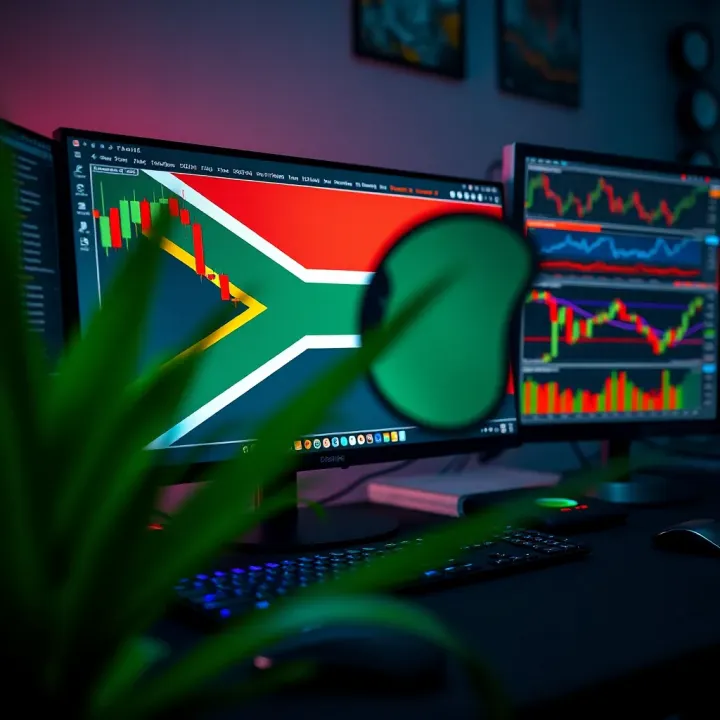
🌍 Explore South Africa's free forex trading options! Learn to start with no fees, choose the right platforms, follow rules, and trade smartly today.
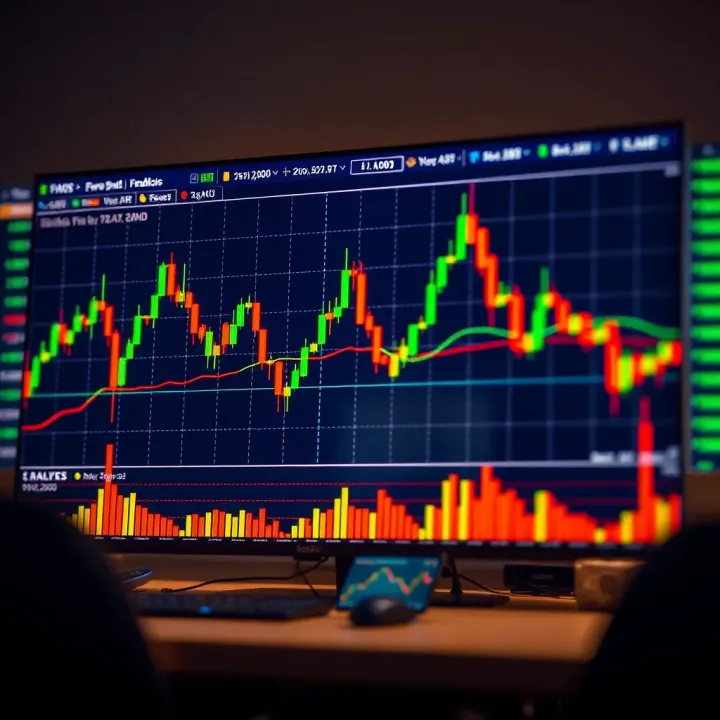
📊 Explore top Forex trading schools in South Africa! Learn how to pick the right one, understand benefits & challenges, plus local market tips. 🇿🇦

📈 Discover how forex trading sessions align with South African time! Learn market hours, volatility, and get practical PDF guides to boost your trades.
Based on 14 reviews