
Understanding Free Binary Signals for Better Trading
📈 Discover how free binary signals work, their risks and benefits, plus tips to find reliable providers for smarter trading in South Africa 🇿🇦.
Edited By
Ethan Walker
Binary option auto trading has been gaining traction here in South Africa, especially among traders keen to tap into the financial markets with minimal manual input. At its core, it involves software or algorithms that automatically execute trades in binary options—financial contracts where you predict whether an asset’s price will rise or fall within a set timeframe.
Unlike traditional trading, where you need to analyse charts and monitor markets constantly, auto trading does the heavy lifting by following pre-set rules or AI-driven strategies. For instance, a bot might spot certain patterns in the volatility of the JSE’s Top 40 index and place trades accordingly. This hands-off approach appeals to busy traders or those less experienced, but it’s important to bear in mind that no system is foolproof.
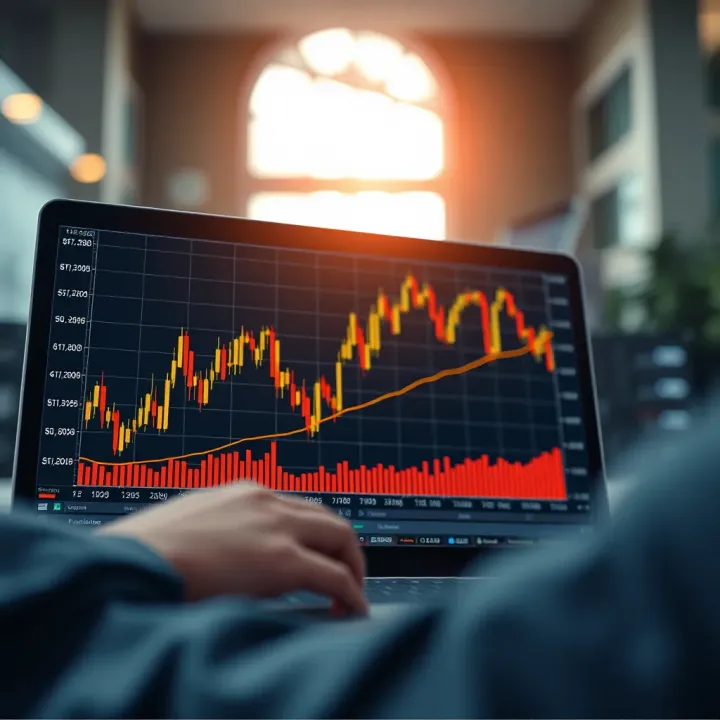
Auto trading platforms connect to your broker account and execute trades on your behalf. The software uses indicators – like moving averages or RSI (Relative Strength Index) – to decide entry and exit points. Some tools allow you to customise these parameters; others rely on ‘black box’ strategies, where the logic remains hidden.
Popular platforms compatible with South African brokers often link to MetaTrader or proprietary apps, providing real-time updates. While these systems promise efficient, emotion-free trades, the accuracy depends heavily on market conditions and the quality of the algorithm.
Here are a few advantages that draw South African traders to binary option auto trading:
Time-saving: The bot handles market scanning and trade placement 24/7 without the need for constant supervision.
Speed: Automated systems can act faster than a human, capturing short-lived opportunities.
Emotionless decisions: Bots stick to their programmed strategy, avoiding impulsive trade calls.
Backtesting: Many platforms allow testing strategies on historical data before going live to refine settings.
While these benefits sound promising, traders must remember that binary options themselves are high-risk instruments, and automation doesn’t eliminate risk entirely.
Next, we’ll examine how reliable these auto trading platforms are, their risks, and what safeguards you should consider before jumping in.
Binary option auto trading refers to the use of software systems that automatically execute trades on behalf of the user in binary options markets. These platforms rely on algorithms to analyse price movements and market trends, aiming to make precise trade predictions without constant user intervention. For South African traders, this can mean more efficient use of time, especially when balancing trading with other responsibilities.
Binary options are financial contracts where traders bet on whether an asset’s price will be above or below a certain level at a specific time. The payoff is typically fixed, either a set amount or nothing at all, hence the term "binary". For example, if you believe the price of gold will be above R1,000 per gram in 30 minutes, you buy a call option. If correct, you receive a predetermined payout; if incorrect, you lose the investment for that trade. This simplicity makes binary options attractive, but it also implies high-risk, high-reward scenarios.
Auto trading platforms depend on algorithms — sets of rules programmed to scan the market for entry and exit points. These algorithms generate signals based on various indicators like moving averages, volume, or even news feeds. Think of the algorithm as a sort of digital analyst constantly crunching numbers to spot opportunities quickly, which a human might miss in real-time. For instance, a signal might trigger a trade when the EUR/USD price crosses a specific threshold that historically leads to a short-term price move.
Once these signals are generated, the system can automatically execute trades without waiting for a trader’s input. This automation is handy in fast-moving markets where every second counts. It removes emotional bias, a common pitfall when humans trade under pressure, and enforces strict adherence to trading rules. For example, if the software detects the right conditions for a put option on oil futures, it places the trade instantly instead of waiting for manual confirmation.
Despite automation, users retain control over key settings such as investment size, assets to trade, and maximum allowable losses. Traders often can start and stop the system or switch between manual and automated modes. This balance ensures that while the heavy lifting is done by algorithms, traders still oversee risk management and strategy adjustment. For example, a trader might pause auto trading during volatile periods like unexpected political events, then resume once the market stabilises.
Auto trading isn’t about handing over the keys completely; it’s more like having a capable assistant who follows your rules and acts quickly.
Understanding these core elements helps traders decide if automatic binary options trading suits their style and risk appetite, especially within South Africa’s evolving financial market environment.
Understanding the technology behind auto trading platforms is key to grasping how these systems operate and their potential effectiveness. The technology shapes the precision of trades, speed of execution, and ultimately the trader's experience. In the South African context, where internet reliability can vary, the robustness of this technology can make or break users' success.
Auto trading systems rely heavily on different types of trading bots designed for specific tasks. Some are simple rule-based bots that follow fixed strategies, such as placing buy or sell orders when an asset crosses certain price points. Others use more complex algorithms that assess multiple market indicators simultaneously before making decisions. For example, a bot might trade based on price trends and volume spikes across several assets, adjusting in real time.
Signal generation methods underpin these bots' decisions. Traditional techniques use technical analysis indicators like moving averages, RSI (Relative Strength Index), or Bollinger Bands to spot potential market moves. The generated signals tell the platform when to enter or exit trades. More advanced systems incorporate real-time news feeds or sentiment analysis, pulling information from social media or economic releases to anticipate market reactions.
Machine learning (ML) and artificial intelligence (AI) add another layer of sophistication. These techniques enable platforms to learn from historical data and adapt strategies dynamically as market conditions change. For instance, an AI-driven system might identify subtle patterns in price movements not easily spotted by human traders or traditional algorithms. Such adaptability can offer an edge, but also requires significant computing power and careful tuning to avoid false signals.
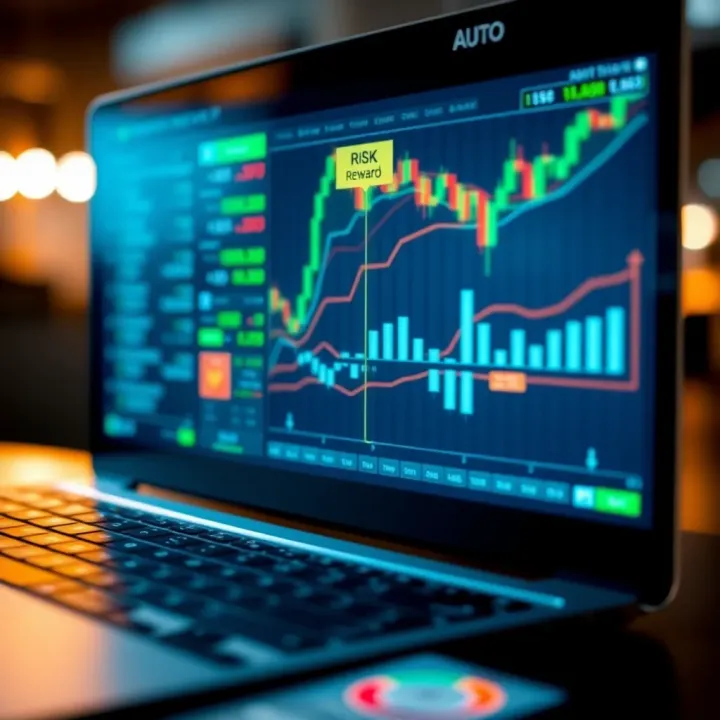
Auto trading platforms must link correctly to brokers to function smoothly. This connection happens via APIs (Application Programming Interfaces) that allow the software to access trading accounts securely and execute orders. South African traders should check that the platform supports brokers regulated by the Financial Sector Conduct Authority (FSCA) or reputable global firms.
Once connected, the platform handles trade execution automatically. Speed matters here — delays can cost profits, especially in volatile markets. Reliable platforms ensure trades are placed without lag, complying with the broker's requirements. Also, they manage trade sizes, expiry times (in the case of binary options), and risk parameters set by the user.
Security measures are crucial in this integration. With accounts connected directly to trading platforms, the risk of unauthorised access or data breaches increases. Trusted auto trading systems use encryption protocols such as SSL/TLS, two-factor authentication, and regular security audits to safeguard user information and funds. South African users should be wary of platforms lacking clear security policies or that request unnecessary personal details.
Robust technology behind auto trading platforms helps balance speed, accuracy, and security, making it essential to choose systems that align with your trading goals and risk tolerance.
By understanding these technical elements, traders can better evaluate which platforms offer real value versus those that may overpromise without solid technological backing.
When considering binary option auto trading, knowing which platforms perform reliably is key. This section helps traders weigh their options critically, cutting through the marketing hype. Platforms differ widely in how they execute trades, support users, and deliver results. Reviewing popular services provides traders with practical insights into functionality and trustworthiness, helping them avoid common pitfalls and poor experiences.
Usability and interface play a big role in whether a platform fits a trader’s needs. An intuitive layout with easy navigation allows users to set up their trading parameters quickly — useful especially for those new to auto trading. For example, platforms like BinaryCent offer straightforward interfaces with visible trade signal displays, making it easier to keep track of automated decisions. Conversely, a cluttered or buggy interface can cause delays or mistakes, leading to frustration or losses.
Looking at historical performance provides a measurable indicator of a platform’s credibility. Traders must carefully examine past trade data, ideally backed by verified third-party trackers, to see if the bot consistently made profitable trades or just occasional wins. While past results don’t guarantee future success, a platform that has struggled historically should raise red flags. For instance, studies of platforms such as OptionRobot showed mixed performance depending on market conditions, so understanding this context is crucial.
Customer support and reputation are often overlooked but critical elements. Responsive and knowledgeable support teams help resolve technical hiccups and clarify how the auto trading system works. Checking for user reviews on global forums or South African-specific sites can reveal patterns of service quality or unresolved complaints. A platform like Binary.com is known for solid support and a transparent reputation, which builds trust for serious traders.
Platform features vary and can set one service apart from another. Popular providers often offer customisable trading strategies, real-time analytics, and demo accounts to test systems risk-free. Consider BinaryRobot365, which allows users to adjust risk levels and target specific assets like gold or forex pairs, tailoring the experience to different trading goals.
The cost structure matters because fees can eat into profits. Some platforms charge a flat monthly fee, while others take a percentage of earnings or require a minimum deposit. Understanding these costs upfront is vital. For example, AutoBinarySignals operates with a subscription model that includes all features, whereas some others might hide charges in broker spreads or commission fees.
Reported results from platforms often come mixed with bias, so a critical eye is necessary. Look for detailed reports showing win rates, drawdowns, and average returns. Seeing how these figures change in volatile markets is helpful. Remember, no auto trading system is infallible. Reports from user communities show that platforms like Quantum Code have had periods of good profits but also experienced unexpected losses during high volatility, underscoring the need for caution.
Choosing the right auto trading platform isn’t just about flashy features or promises of quick gains. Reliable performance data, user-friendly design, and trustworthy support build the foundation for safer trading experiences.
By focusing on these practical criteria and evaluating popular platforms on their merits, South African traders can make more informed decisions, reducing exposure to scams and unnecessary risks.
Understanding the upsides and downsides of binary option auto trading is essential, especially for traders wanting to make informed decisions. Auto trading can save time and help maintain consistent strategies, but it also carries risks linked to market swings and technology reliance. Getting a clear picture of these factors helps you use such platforms smartly and avoid costly mistakes.
Auto trading systems take over the heavy lifting of monitoring markets and executing trades, freeing up time for traders. Instead of sitting glued to a screen, you can set parameters and let the software do repetitive tasks. For example, a busy investor in Johannesburg juggling work can have the system trade while they focus on their day job without missing potential moves.
By automating routine decisions, these platforms reduce the need for constant manual input. This can be quite helpful for those balancing trading with other commitments, making investing less stressful and more manageable.
One clear advantage is that bots consistently follow their programmed rules without emotion. Human traders might panic or chase losses, but an algorithm sticks to its signals, bringing discipline to trading. This consistency can be valuable during volatile spells, helping prevent rash decisions that blow up accounts.
That said, consistency depends on the quality of the strategy built into the software. A poorly designed algorithm won’t suddenly start making profits, but a well-tested approach might deliver steadier signals than manual attempts.
Auto trading platforms open the door for novices to enter the binary options market without deep expertise. Instead of learning complex chart reading or economic indicators, beginners can use predefined strategies and customise settings according to their risk appetite.
This lower barrier to entry can encourage more South Africans to try trading with less initial anxiety. For example, a new trader in Durban could start with demo accounts using auto trading to build confidence before moving to real funds.
Automated systems can struggle when markets behave erratically, such as during sudden political events or unexpected economic reports. These conditions may cause algorithms to misread signals, leading to overtrading or missed opportunities.
For instance, during Eskom’s loadshedding announcements impacting the rand, automated bots might react poorly without human judgement to pause or adjust exposure. Traders need to be aware that no system performs perfectly during turbulent times.
Depending solely on automation may lull traders into a false sense of security. The temptation to ‘set and forget’ the system could lead to neglecting monitoring or adjusting strategies according to changing market realities.
This hands-off approach risks missing signals that require human nuance, such as adapting to new geopolitical developments or economic shifts. Traders must remain involved to oversee performance and make timely interventions.
The binary options space, including auto trading, is not immune to scams and unregulated operators, especially in South Africa where the Financial Sector Conduct Authority (FSCA) warns against certain overseas brokers and software claims.
Without proper licences, platforms may promise unrealistic returns or manipulate trades. Traders should verify broker licencing, check reviews, and avoid dubious schemes promising guaranteed profits. Staying cautious helps prevent financial loss from fraudulent services.
Auto trading can be a handy tool if used wisely, but it’s no magic wand. Knowing both its merits and pitfalls arms you to trade smarter and safer in South Africa’s dynamic market.
South African traders face unique challenges when it comes to binary option auto trading. Local market conditions, regulatory frameworks, and payment options differ from other regions. This makes it essential to get reliable guidance before committing funds. Understanding how to pick trustworthy platforms and manage risks effectively can save you from costly mistakes and frustration.
Always check whether the broker linked to the auto trading platform is licensed and regulated by a reputable authority. In South Africa, look for brokers authorised by bodies like the Financial Sector Conduct Authority (FSCA). Licensing confirms the broker follows rules meant to protect clients, such as segregating client funds and offering dispute resolution. Using unregulated brokers can expose you to scams or unfair practices.
Because binary options often fall into grey zones, many brokers operate offshore with dubious licences. For example, some claim regulation from obscure jurisdictions that have little enforcement power. This should raise red flags. Even if the auto trading service looks professional, an unlicensed broker increases your risk.
Feedback from South African users can offer insights missed in official marketing materials. Local piers often share firsthand experiences with withdrawal processes, platform performance, and customer support responsiveness. Pay special attention to comments about unexpected fees, withdrawal delays, or poor trade execution. Forums, social media groups, and local finance blogs are good places to gauge user sentiment.
Keep in mind that fake reviews can flood some sites. Cross-reference multiple sources, and prefer detailed posts with screenshots or specific complaints. For example, a user explaining how the platform froze trades during volatile sessions is more trustworthy than vague praise.
Testing the auto trading system with a demo or trial period before committing your own money is crucial. Many reputable platforms offer risk-free simulations. This lets you familiarise yourself with the interface, trade settings, and how the system reacts to market changes. It also allows you to verify advertised win rates without financial pressure.
If a platform doesn’t provide a trial or demo, be cautious. Some scammers rush users to deposit funds immediately to avoid scrutiny. A decent provider welcomes thorough testing since satisfied users tend to stay longer.
Trading limits help protect your capital and keep emotions in check. With auto trading, it’s tempting to leave the system running with large amounts, but this can quickly eat into your savings during losing streaks. Decide upfront the maximum daily loss or overall capital allocation you’re willing to risk.
For instance, setting a daily loss limit of R500 prevents runaway losses caused by unexpected market moves or glitches. Similarly, divide your trading funds across platforms to spread risk. Treat auto trading as part of your overall portfolio, not a guaranteed moneymaker.
Even with automation, don’t completely hand over control. Regularly review trades executed by the system to ensure it follows your strategy and risk rules. Spotting unusual patterns like overtrading during low liquidity times or failing to close losing trades fast can save you from bigger losses.
South African traders should also monitor platform stability during local internet interruptions or loadshedding periods. Auto trading systems may not perform well if connections drop frequently, so staying alert and pausing trading during disruptions is wise.
Binary option auto trading attracts dubious operators promising unrealistic profits. Be wary of platforms promising consistent 90%+ win rates or requiring upfront fees without transparency. In South Africa, users are often targeted through flashy ads, WhatsApp messages, or sponsored social media posts.
Always verify claims independently and avoid sharing personal banking details without confirming the platform’s legitimacy. If it sounds too good to be true, it probably is. Legit services will provide clear terms, customer support, and verifiable track records.
Keeping a cautious mindset, verifying platforms carefully, and managing how you trade can significantly improve your chances of using auto trading profitably and safely in the South African context.
📈 Discover how free binary signals work, their risks and benefits, plus tips to find reliable providers for smarter trading in South Africa 🇿🇦.
Explore styles and benefits of forex trading wallpapers 🎨. Find top-quality images to boost focus and motivation in your trading space 📈.
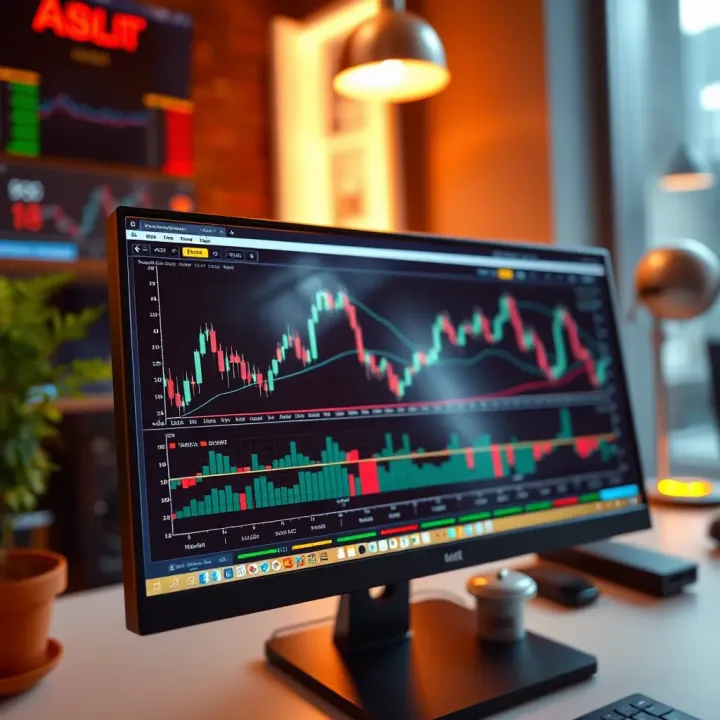
Discover top free forex trading software 🖥️, explore key tools ⚙️, features, benefits, and tips to pick the right platform for your trading style in South Africa 🇿🇦.
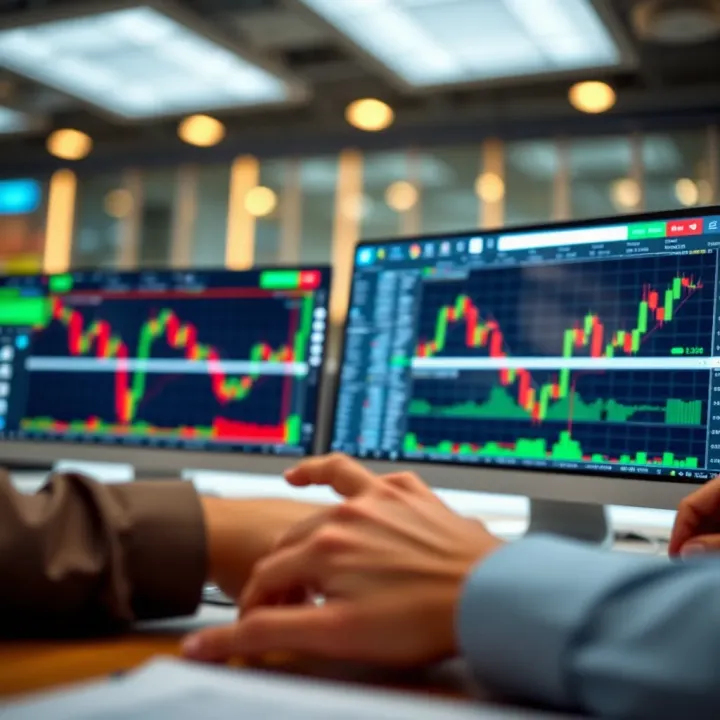
📊 Discover how free binary trading demo accounts help you test strategies risk-free. Learn top platforms, tips, and tricks to trade smarter in South Africa!
Based on 7 reviews