
Hexadecimal to Binary Conversion Explained
Learn how to convert hexadecimal to binary with clear steps, practical tips, and common pitfalls explained 🔢 Perfect for tech enthusiasts in South Africa!
Edited By
Megan Hughes
Binary option robot scams have caught the attention of traders and investors worldwide, including here in South Africa. These scams typically promise effortless profits through automated software that supposedly trades binary options on your behalf. In reality, many of these so-called "robots" are designed to fleece unsuspecting users rather than deliver returns.
Most binary option robots claim they use sophisticated algorithms to predict market movements accurately. But in many cases, these platforms are unregulated and lack transparent trading records. Investors can end up losing their deposits without any meaningful trade activity taking place.
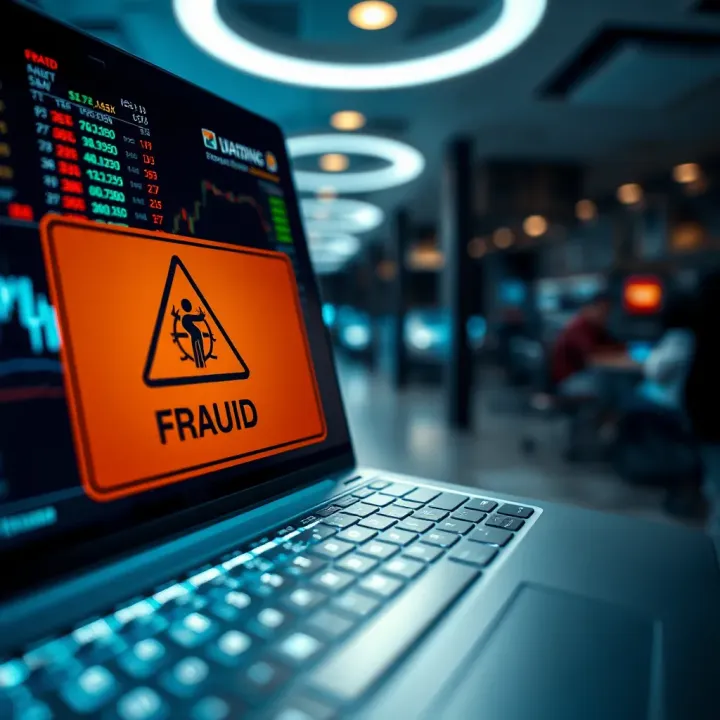
Automated trading can look attractive, especially if you want to avoid the hassle of constantly monitoring the market. However, when an offer sounds too good to be true, it usually is.
To protect yourself, here are some key warning signs of binary option robot scams:
Unrealistic profit guarantees, such as 80% or higher returns overnight.
No verifiable track record or audited performance history.
Pressure tactics urging immediate deposits.
Lack of clear licensing from reputable South African or international authorities.
Difficulty withdrawing funds once deposited.
Understanding South Africa’s regulatory environment is crucial. The Financial Sector Conduct Authority (FSCA) oversees financial markets and enforces rules to protect investors. Most scam platforms operate outside FSCA oversight and cannot guarantee your security.
Instead of jumping into dubious auto-trading schemes, consider these safer alternatives:
Use regulated brokers with clear terms and a proven record.
Educate yourself on fundamental and technical analysis.
Try out demo trading accounts to build skills without risking real money.
Investing requires patience and cautious research, particularly with automated systems. By knowing how to identify scams and protect your rand, you’ll avoid common pitfalls that trap many South African traders.
This article will break down the tactics scammers use, show you practical steps to stay safe, and point you towards more reliable ways to engage with binary options and other trading forms. Stay informed, don’t rush, and safeguard your investment journey.
Understanding what binary option robots are and how they function is key for anyone considering automated trading tools. These robots promise to simplify trading by automatically placing trades on your behalf, claiming to analyse market data and predict outcomes faster than any human trader. However, grasping their mechanics helps uncover the realities behind these claims and the risks involved.
Binary options contracts are quite straightforward: you bet on whether an asset’s price will rise or fall within a set timeframe. For example, you might predict that the price of gold will be higher in the next 30 minutes. If you’re correct at expiry, you earn a predetermined payout; if not, you lose the stake.
This "all or nothing" style means the focus is on accuracy rather than the size of price movements. The simplicity appeals to new traders but also makes the market ripe for scams when it comes to automated bots.
Profits and losses in binary options are fixed before the trade starts. You might risk R1,000 on a trade to win R1,800. If the prediction turns out right, you pocket the profit; if it’s wrong, you lose the initial amount. This fixed-risk model can seem attractive, but it also means many small losing trades can quickly erode your capital.
Binary option robots claim to alleviate the guesswork of timing and decision-making. They say they scan markets instantly, spot profitable trades, and execute them without emotion or delay. For instance, a robot might monitor currency pairs like the USD/ZAR and enter trades based on preset signals or indicators.
Typical features include 24/7 monitoring, rapid order execution, and backtesting purportedly based on historical market data. Some platforms allow users to adjust settings like risk levels or assets to trade. These features make it seem like using a robot is an easy shortcut to making money without understanding market fundamentals.
Keep in mind: while the idea of instant, automated trading is enticing, these robots often operate on oversimplified strategies that don’t respond well to sudden market shifts or local economic events, such as unexpected SARB interest rate changes or political developments.
In practice, the success of these robots depends heavily on the underlying algorithm’s quality and the transparency of the service provider—two areas where many scams fall short. Knowing this helps you navigate the hype and make smarter decisions about automated binary options.
Recognising common traits of binary option robot scams is essential for anyone looking to invest in automated trading platforms. Scammers often use similar tactics to lure victims, promising easy profits while hiding risks and pitfalls. Understanding these patterns can help traders and investors avoid costly mistakes and protect their hard-earned rand.
Scammers often promise guaranteed or exceptionally high returns with minimal effort, but the reality of binary options trading is far less rosy. Markets are inherently unpredictable, and even the most sophisticated trading robots cannot eliminate risk. For example, a claim of doubling your investment in days is usually a sign of a scam, because successful trading requires skill, discipline, and sometimes a bit of luck.
Watch out for slogans like "Risk-free profits" or "100% success rate". These phrases play on greed and impatience but ignore market realities. Language that dismisses the possibility of losses or pressures you to invest quickly without proper investigation often signals deception. If a platform’s marketing sounds too good to be true, it probably is.
Scam operators typically hide behind vague or fake company information. Often, their registered addresses are offshore locations with lax regulatory oversight, making it difficult to verify their legitimacy. If you can’t find clear information about who runs the platform or where they’re based, that’s a big warning sign.
In South Africa, legitimate financial services must be authorised by the FSCA. Many binary option robots operate without this approval, exposing investors to unregulated risks. Confirming FSCA registration is a critical step before committing any money, as unlicensed platforms have little accountability to protect you.

Scams often use urgent calls, emails, or even phone calls pushing you to invest immediately. They may claim limited-time offers or risk missing out on exclusive bonuses. This pressure aims to prevent you from taking the time to research thoroughly.
Be wary of robots that ask for sizeable upfront fees or deposit requirements without clear explanation. Some platforms also sneak in ongoing commissions or withdrawal charges that drastically reduce your actual profits. Transparent platforms should clearly outline all costs before you sign up.
Scams rely heavily on fake testimonials, often showing glowing success stories or photos of happy investors. These are usually created to build false trust and lure newcomers. Some even use stock images or bots to post positive reviews online.
Look out for reviews that use generic praise without specifics, or multiple glowing comments posted within a short period by new accounts. Genuine user feedback often includes balanced experiences, both good and bad. Checking independent forums and financial watchdog sites can help verify authenticity.
Being able to spot these common scam traits early can save you from significant financial loss and emotional stress. Always question promises that sound too easy and take time to check the legitimacy of any platform before investing.
Using binary option robots carries significant risks, many of which can lead to serious financial and personal consequences. While these platforms often pitch themselves as easy ways to make money, the reality is far harsher. It's crucial for traders and investors to understand these risks before handing over their money or personal information.
One major concern is the inaccessibility of funds once deposited. There have been numerous cases where users deposit money into these platforms only to find they cannot withdraw their funds later. This often happens because the broker or robot operates outside South African regulations, and the terms and conditions might include hidden clauses or outright restrictions on withdrawals.
Moreover, volatile markets exacerbate risks with automated trades. Binary options depend heavily on timing, and markets can swing wildly in seconds. Robots, driven by preset algorithms, cannot always adapt quickly to sudden changes, leading to rapid losses. For example, a fluctuating forex pair like ZAR/USD can catch an automated bot off-guard, resulting in multiple losing trades in quick succession.
Sharing personal and banking details with unverified binary option robots exposes users to serious privacy risks. These platforms may require sensitive information such as ID numbers, bank accounts, or credit card details. Without proper encryption or solid data protection policies, this information could leak or be stolen, putting users at risk of identity theft.
Beyond data breaches, misuse of data is another issue. Scam operators may sell personal information to third parties or use it for unauthorised marketing. South African users may suddenly receive unsolicited calls or messages that not only invade privacy but can also be part of further scam attempts.
Practical takeaway: Never provide personal or banking details to any trading robot or broker unless you have thoroughly verified their legitimacy and regulatory status.
Trading through unregulated brokers carries its own set of risks. Without oversight from bodies like the Financial Sector Conduct Authority (FSCA), there is no guarantee the platform operates fairly or transparently. This lack of regulation means there are few safeguards against fraud or market manipulation.
If things go wrong, pursuing legal recourse becomes challenging. Unregulated entities often operate offshore or use complex company structures, making it difficult for South African investors to claim back lost funds. Reporting such cases to law enforcement or regulatory authorities may not lead to swift action, leaving victims stuck with losses and little practical solution.
Understanding these risks helps investors stay vigilant and avoid falling prey to promises that sound too good to be true. When dealing with binary option robots, caution is the best defence.
Protecting yourself from binary option robot scams is essential because these schemes often target unsuspecting investors with promises of quick profits. Understanding specific ways to verify legitimacy, applying practical caution before investing, and spotting early warning signs can save you from losing hard-earned Rand.
South Africa’s Financial Sector Conduct Authority (FSCA) regulates financial service providers to safeguard consumers. Before investing, always check if the broker or robot is registered with the FSCA. This simple check can expose whether a company operates legally or if it’s an offshore outfit dodging local laws. For example, unregistered firms often disappear once deposits are made.
The FSCA regularly publishes warnings about dubious companies. Staying updated on these alerts helps you avoid falling for scams that mimic regulated platforms but lack authorisation. If a robot claims to be approved but isn’t on the FSCA list, it’s a strong red flag.
Digging into a company’s history pays off. Look for clear information about the people running the business, physical office addresses, and customer service contacts. Many scam operations lack transparency and use fake or misleading details.
Search for independent reviews and reports on forums or financial watchdog sites. If several users share stories of withdrawing money difficulties or suspicious trading behaviour, it’s best to steer clear. Genuine companies usually have a traceable path and verifiable credentials.
No legitimate trader or robot can guarantee profits, especially in highly volatile markets like binary options. If a platform bores into your head that profits are assured or returns are sky-high with zero risk, treat it with suspicion.
Such promises are typical tactics designed to lure naïve investors. A practical approach is to expect losses and proceed only with money you can afford to lose. Realistic expectations help you maintain a cautious mindset rather than falling for empty claims.
Testing the waters saves you headaches later. Trusted platforms often offer demo accounts where you can try trading without risking actual money. Before putting in real cash, spend time learning the ropes using these practice modes.
If you do decide to invest real funds, begin with a small amount. This approach limits your exposure and helps you gain firsthand experience without risking too much. Many scams ask for large deposits upfront—declining that can protect you against instant losses.
Scammers often jump straight into your phone or inbox, targeting you with pressure-filled pitches. If you receive unexpected calls urging you to invest immediately, be wary. Legitimate businesses rarely cold-call potential clients with high-pressure tactics.
Treat these unsolicited approaches as red flags and avoid sharing personal or financial details. Taking your time to research instead of reacting hastily is vital to keep your money safe.
Legitimate brokerages understand the importance of trust and transparency and rarely demand instant payments. Scammers, on the other hand, push for immediate deposits to trap your funds quickly.
If a platform insists on a lump sum transfer straight away or threatens to close your account or deal, it’s a warning sign. Good practice is to proceed only when you have verified the platform's authenticity and are comfortable moving forward at your own pace.
Staying alert and exercising due diligence when dealing with binary option robots is your best defence. Taking simple steps like verifying registration and avoiding rushed decisions can keep you ahead of scammers who aim to catch you off-guard.
When it comes to navigating the tricky world of binary options, safer alternatives to automated trading robots can save you significant stress and potential loss. Many so-called binary option robots promise quick wins but often come with hidden risks. Instead, adopting more vetted and transparent methods can help you take control of your trading while protecting your capital.
Developing your own trading approach is perhaps the most reliable way to engage with binary options trading. This means learning the basics of market analysis, understanding trading patterns, and creating rules based on your risk tolerance and goals. By doing your own research and making decisions, you avoid blindly trusting software whose algorithms or track records aren’t clear. For example, you might monitor trends in currency pairs like USD/ZAR and decide when to trade based on news events or technical indicators.
Using educational resources and tutorials is essential to improve your manual trading skills. Courses offered by reputable financial institutions or platforms such as the Johannesburg Stock Exchange (JSE) or Investopedia provide valuable insights into reading charts, managing risk, and crafting strategies. These resources guide you through practical examples and scenario-based learning, helping you build confidence and reduce dependence on automated systems with uncertain outcomes.
If you prefer some level of automation, selecting software that is regulated offers a much safer bet. The key criteria include FSCA (Financial Sector Conduct Authority) registration, clear disclosure of trading strategies, and transparent fees. Trustworthy systems allow users to customise settings rather than promising unrealistic returns. They must also integrate with FSCA-approved brokers, ensuring compliance with South African regulations.
Examples of FSCA-authorised services typically involve platforms that are well-established within South Africa's financial ecosystem, such as some offerings by EasyEquities or Sanlam's online investment services. These platforms may incorporate automated features like portfolio rebalancing or algorithmic trading but maintain clear oversight and user control. Using regulated software limits the risks scammers bring and provides legal protections, should issues arise.
Always verify the licensing details and user reviews before committing any funds to automated trading platforms. A cautious approach can prevent falling victim to scams that prey on impatient investors.
Choosing safer alternatives reduces exposure to fraud and gives you real control over your investments. Whether by building your trading skills or opting for regulated automated platforms, informed decisions are your best defence.
Knowing how regulation works in the South African financial scene can save you from falling into binary option robot traps. In a market flooded with unauthorised players, understanding who watches the game and what rules apply provides a solid shield. For traders and investors, this knowledge helps in spotting platforms worth trusting and recognising warning signs early.
The Financial Sector Conduct Authority (FSCA) is the frontline regulator overseeing financial services, including binary options trading, within South Africa. Its job involves licensing brokers, monitoring trading platforms, and ensuring they operate fairly and transparently. Since 2017, the FSCA declared the trading of binary options by unregistered parties unlawful and has taken steps to discourage consumers from dealing with such entities.
This means any legitimate binary options broker or trading platform must be registered with the FSCA. For instance, if a binary option robot claims to connect you with brokers, you should verify those brokers’ registration status. If they lack FSCA approval, your money is at serious risk, as you have limited protection or recourse should things go wrong.
In recent years, the FSCA has issued formal warnings about numerous binary options operators who ran scams through flashy websites and aggressive marketing. The regulator has also pursued enforcement actions including fines and shutting down offending companies. These moves aim to protect South African investors from fly-by-night schemes pretending to be automated trading bots, often based offshore.
These warnings are not just bureaucratic noise: they underline real risks. For example, in 2019 the FSCA publicly named dozens of unauthorised binary options platforms targeting local traders, advising people to stay well clear. Paying attention to their alerts can prevent you from losing cash or sharing personal data with fraudsters.
If you suspect you've encountered a scam, it's crucial to know how to report it. The FSCA operates a Fraud Prevention Unit where consumers can lodge complaints about suspicious financial products or services. Reporting promptly helps authorities investigate and potentially close down scammers faster, limiting their impact on others.
Additionally, South Africans can report cybercrimes related to binary option scams to the South African Police Service’s (SAPS) specialised cyber unit. Keeping records of transactions, communications, and screenshots strengthens your case when reporting.
Victims aren’t left to fend for themselves either. Non-profits and consumer protection bodies provide assistance, counselling, and advice on next steps. Organisations like the Financial Sector Ombud Scheme offer channels for dispute resolution between consumers and financial service providers. This is particularly useful when trying to reclaim lost funds or address unfair practices by registered entities.
Protecting yourself begins with understanding who regulates what and how to act if you get a raw deal. The FSCA’s role, combined with accessible reporting channels, means you have tools to fight back against binary option robot scams.
Having this regulatory insight equips you to steer clear of dodgy bots and choose safer paths for your investments.
Learn how to convert hexadecimal to binary with clear steps, practical tips, and common pitfalls explained 🔢 Perfect for tech enthusiasts in South Africa!
Convert hexadecimal numbers to binary with ease 🧮! Learn step-by-step methods, practical tips, and useful tools for programming & electronics in SA.
Learn how to convert decimal fractions to binary with easy steps, tips, and real examples 🧮. Understand common issues and uses in digital computing systems.

Learn how to convert hexadecimal to binary easily with our guide 🧑💻. Perfect for programmers, electronics & data pros in South Africa 🇿🇦.
Based on 9 reviews