

Best Trading Apps for South African Investors
Find the best trading app for South African investors 🇿🇦 Compare features, costs, security, and ease of use to match your trading style and skill level 📱💰
Edited By
Chloe Edwards
Binary option trading offers a straightforward way to predict whether an asset's price will move up or down within a set time frame. This simplicity appeals to many South African investors who want to participate in financial markets without the complexity of traditional trading.
At its core, a binary option is a contract that pays out a fixed amount if your prediction is correct, or nothing if it isn't. For instance, if you believe the price of gold will rise over the next hour, you can buy a binary option based on that speculation. If gold's price does indeed increase by the expiry time, you receive a predetermined return, usually between 70% and 90% of your investment.

What sets binary options apart is their all-or-nothing nature. You’re not buying the underlying asset but rather betting on its price direction. This clear-cut outcome makes it easier to understand potential profits or losses upfront.
However, it's essential to grasp the risks involved. Many traders underestimate how quickly losses can stack up, especially in volatile markets like forex or commodities. Also, binary options often have short expiry times — sometimes just a few minutes — demanding sharp focus and experience to navigate effectively.
In South Africa, legal considerations play a significant role. The Financial Sector Conduct Authority (FSCA) regulates trading platforms operating locally, but many binary options providers function offshore and outside FSCA oversight. This means some brokers might lack the safeguards South African investors expect, so verifying a platform’s legitimacy is crucial.
Remember: Always trade through FSCA-licensed brokers or reputable international platforms that comply with local regulations to protect your capital.
South African investors should also weigh the benefits, such as limited risk per trade and the chance to access various global markets from a single platform. Many traders appreciate the transparent payout structure and the possibility to start trading with relatively small amounts like R500.
To trade smartly, focus on assets you understand well, such as major forex pairs like USD/ZAR or commodities like platinum and gold, which are familiar within the South African context. Combine this knowledge with disciplined money management, like limiting your investment to a small percentage of your total trading capital on any single option.
In summary, binary option trading can be an accessible method to engage with financial markets, but it requires careful selection of trading platforms, solid understanding of product mechanics, and respect for the risks involved. This guide aims to equip you with practical insights specific to the South African environment, helping you make informed decisions on this trading avenue.
Understanding what binary option trading involves is key to deciding if it fits your investment style and risk appetite. Binary options simplify trading by offering a fixed return based on a yes-or-no outcome—either predicting an asset’s price movement right or wrong within a set timeframe. For South African investors, this clarity and fixed risk appeal, especially when compared to more complex derivatives.
Binary options are financial contracts where the payoff depends solely on whether an underlying asset meets a specified condition at expiry. That could be whether the price of a share, commodity, or currency pair rises above or falls below a certain level by a set time. If your prediction is correct, you earn a predetermined payout; if wrong, you lose the initial stake. This “all-or-nothing” setup makes it easy to understand but demands careful timing and analysis.
At its core, binary options trading boils down to two choices: a call option when you predict the asset’s price will rise, or a put option if you expect it to fall. For example, if you believe the price of gold will be higher at 2 pm than it is at 12 noon, you’d place a call option for that expiry time. Betting on a put means you expect the price to drop by the same timeframe. This direct approach suits traders who want to speculate quickly without buying the asset itself.
Expiry times vary widely—from as little as 30 seconds up to several months—giving you flexibility depending on your strategy. Strike prices are the benchmark price levels that determine whether your trade wins. For instance, if you buy a call option with a strike price of R1,200 on a commodity, you need that asset to close above R1,200 at expiry to profit. Shorter expiry times offer rapid results but increase risk due to market volatility.
Binary options can be traded on a variety of assets: stocks listed on the JSE, currency pairs like USD/ZAR or EUR/ZAR, commodities such as gold and petrol, or indices representing broader markets. Selecting an asset you understand or regularly follow can improve your chances of success. For example, knowing how Eskom announcements affect the rand could guide currency trades.
Trades start with choosing the asset, type of option (call or put), expiry time, and the investment amount. Once confirmed, the trade rests until expiry, where the outcome becomes clear. If your call option on a JSE-listed share expires with the price above the strike, you lock in your payout. If it fails, you lose your stake. Unlike regular shares, there are no partial gains; it’s either a set amount or nothing.
Payouts are usually fixed upfront, often between 60% and 90% of your stake for a winning trade, depending on the broker and asset. So, if you stake R1,000 and the payout is 85%, a correct prediction yields R1,850 (your R1,000 stake plus R850 profit). Losses are limited to your stake, which helps manage risk but means repeated losses can add up quickly.
With its all-or-nothing nature, binary option trading offers clear outcomes and fixed risks but requires understanding expiry times, asset behaviours, and precise timing to be effective.
Understanding the balance between risks and rewards is crucial when trading binary options. This knowledge helps you make informed decisions and avoid common pitfalls. It’s especially important in South Africa, where financial markets can be volatile and scammers can take advantage of inexperienced traders.

One of the main attractions of binary options is their simplicity. You only need to predict if an asset’s price will rise or fall within a set timeframe. This straightforward “yes or no” approach makes it easier for many traders to get started without needing deep technical analysis. More importantly, the risk is fixed upfront—you know exactly how much you could lose before you place a trade. For example, if you invest R500 on a call option, your maximum loss is limited to that R500, regardless of market swings.
Binary options often have expiry times ranging from 60 seconds to several hours, allowing traders to capitalise on short-term price movements. This fast pace means you can potentially make multiple trades in a single day, rather than waiting weeks or months for traditional investments to mature. However, this rapid nature requires focus; it’s more like playing a quick game where outcomes can happen fast.
Compared to more complex financial products, binary options demand less upfront knowledge. Platforms typically offer user-friendly interfaces, demo accounts, and simple charts. This lowers the barrier for new traders, who can practise risk-free before investing real money. Plus, many brokers accept small deposits, making it possible to start with just a few hundred rand. This accessibility can encourage more South Africans to test the waters of financial trading.
Despite the fixed risk, many traders underestimate how often losses can add up. Binary options are essentially bets on price direction, and even a small losing streak can quickly erode capital. For instance, losing five trades in a row with R500 stakes means a R2,500 loss, which can be significant for many. It’s vital to manage trade sizes and set clear limits.
Markets can change suddenly due to local news, economic data, or global events. Binary options don’t allow you to adjust your position once placed—you’re locked in until expiry. This lack of flexibility means unexpected volatility can wipe out predictions, unlike traditional trades where stop-loss orders or hedging might limit damage.
The binary options market has seen its share of dubious operators, some promising guaranteed returns or offering bonuses that seem too good to be true. These platforms might withhold withdrawals or use unfair pricing. South African traders should be cautious, verify broker licences with the Financial Sector Conduct Authority (FSCA), and avoid platforms that show warning signs such as poor customer support, unclear fees, or unrealistic promises.
Always balance the lure of quick profits against the real risks involved. Being aware of these factors improves your chances of trading smarter rather than just hoping to get lucky.
Understanding the legal framework around binary option trading is essential for South African investors. Regulations influence which platforms you can safely use and the protections available to you. Without compliance knowledge, it’s easy to fall into traps set by unlicensed operators or confuse trading with gambling.
The FSCA oversees financial markets in South Africa, including activities related to trading, investment, and financial advice. While binary options have characteristics similar to gambling, they fall under the FSCA’s jurisdiction when offered as financial products. This means only authorised brokers registered with the FSCA may legally provide binary options to South African clients.
From a practical point of view, the FSCA aims to protect traders by enforcing rules on transparency, fair treatment, and proper disclosure of risks. For example, brokers must offer clear terms of trade and cannot present misleading information about potential returns or risks.
Although binary options might seem like a bet on price movement, regulators scrutinise whether they are structured as speculative financial instruments rather than pure gambling. The main difference lies in the approach: trading binary options involves analysing market data and trends to make informed decisions, whereas gambling largely depends on chance.
For South African investors, recognising this distinction helps in understanding where protections lie. Trading through financially regulated channels gives access to dispute resolution and complaint mechanisms, unlike gambling where the outcomes and stakes are less regulated.
Brokers offering binary options in South Africa must hold a licence from the FSCA. This licensing ensures they meet minimum standards on capital adequacy, operational transparency, and governance. Unlicensed brokers typically operate offshore, exposing traders to greater risks such as fund misappropriation or unfair trade manipulation.
The upshot is, working with a licensed broker provides peace of mind that the entity has met regulatory hurdles and remains accountable to authorities. It also means the broker should comply with anti-money laundering rules under South African law.
Always check if the broker is registered on the FSCA’s official list of authorised financial services providers. Authorised brokers display their FSP (Financial Services Provider) licence number openly on their websites and in documentation. If this information is missing or unclear, treat it as a red flag.
Trusted brokers typically have a physical office address in South Africa and provide customer support with local phone numbers. For instance, while local brokers like IG Markets are easily verifiable, many scams come from international sites purporting to operate locally without a valid licence.
Beware of brokers promising guaranteed returns, high payouts with low risk, or pressuring traders to deposit quickly. Such claims are often too good to be true and indicators of potential fraud.
Other warning signs include lack of transparent fee structures, poor or no regulatory information, and non-responsive customer service. If a broker asks for your bank details or ID documents before you get clear terms, pause and consider the risks.
Investing your money safely means spotting these alerts before funding your account — don’t let excitement cloud common sense.
South African investors can verify broker credentials directly via the FSCA’s online register. This official source lists all licensed financial service providers authorised to operate within the country.
Additionally, the FSCA occasionally issues warnings about unlicensed firms and scams. Keeping informed through FSCA announcements and financial news helps avoid falling prey to illegal platforms. For peace of mind, consider reviewing broker ratings on reputable financial forums and consulting with local financial advisers.
By sticking to authorised brokers and understanding the regulatory environment, South African traders can minimise risks and trade binary options with more confidence and legal protection.
Getting practical advice on trading binary options is vital, especially for South African investors navigating a market that can change as fast as a taxi robot. Knowing how to read asset trends, manage risks, and pick your moments can prevent costly mistakes and help you trade more confidently. Let’s unpack these key tips.
Analysing asset trends means looking beyond the price charts to understand how certain factors influence an asset’s movement. For example, a gold price might rise due to global uncertainty or weak rand performance. Following local economic reports, commodity price updates, and global cues helps you spot patterns rather than guessing blindly. This makes your trades less like flipping a coin and more like a calculated bet.
Risk management techniques are essential to avoid wiping out your trading account in one bad move. Many traders set a maximum percentage of their total trading capital to risk on any single trade—say 1% or 2%. In binary options, since you lose the investment amount on a wrong call, restricting trade size is crucial. Sticking to a small, steady approach helps you survive losing streaks and keeps your head clear, so you’re not chasing losses impulsively.
Timing trades effectively revolves around understanding when to enter and exit. Unlike longer-term investments, binary options often expire in minutes or hours, so being aware of market hours and economic announcements is important. For instance, trading forex pairs during South African peak market hours (around 9 am to 5 pm SAST) can give better liquidity and less erratic signals. Avoid trading during major announcements if you haven’t factored in potential volatility.
Evaluating platform features means looking for brokers with simple, reliable interfaces that load fast even on modest mobile data speeds. Features like clear charts, one-click trade placement, and straightforward payout displays make a difference. Some platforms offer useful tools like technical indicators or real-time news feeds, which can help sharpen your strategies.
Checking fees and payout terms is a necessity to understand how much you keep if your trade wins. Payouts in binary options vary, often between 70%-90%, meaning a R100 stake might pay R80 profit. Higher payouts seem attractive, but also check fees for deposits, withdrawals, or inactivity. Hidden charges can quietly eat into your profits.
Customer support and ease of use go hand in hand. When you encounter problems placing a trade or withdrawing winnings, responsive support can spare headaches. Look for brokers offering local contacts or at least live chat with quick replies. Platforms that feel cluttered or confuse first-time users might be best avoided.
Benefits of practising before trading real money can’t be overstated. Demo accounts let you test strategies and get comfortable with timing without risking a cent. Think of it as driving around the block before tackling the open road. Many South African brokers offer these accounts, making them a no-brainer for novices.
Learning from tutorials and webinars offered by brokers or independent educators can fill in knowledge gaps and sharpen your approach. These sessions often cover reading price charts, understanding economic indicators, or how to stay clear of scams. Consistently updating your skills avoids common pitfalls.
Community forums and peer advice provide a chance to hear real-life experiences from fellow South African traders. Platforms like MyBroadband or trading-specific Telegram groups offer insights that books or websites might miss. Just remember to weigh opinions carefully—what works for one trader may not suit another.
Practical trading involves discipline, awareness, and ongoing learning. Taking the time to prepare properly can be the difference between losing it all and making steady gains in binary options trading.
Exploring alternatives to binary option trading provides South African investors with a broader view of market opportunities. These options often offer different risk profiles, potential returns, and longer-term strategies that might better suit individual goals, especially considering the fast-paced, high-risk nature of binary options.
Spread betting and CFDs give traders ways to speculate on price movements without owning the underlying asset. Spread betting, not widely available in South Africa due to regulatory constraints, allows betting on whether an asset’s price will rise or fall, while Contracts for Difference (CFDs) trade similarly by reflecting the price changes of assets. CFDs offer more flexibility with leverage but come with considerable risks due to volatile market swings. Practical for those seeking active trading with potential for profit in rising or falling markets, CFDs need careful risk management, especially during Eskom loadshedding when market liquidity can be unpredictable.
Shares and ETFs on the JSE present investment in ownership stakes and baskets of stocks, respectively. Buying shares on the Johannesburg Stock Exchange (JSE) means holding a piece of a company like Sasol or Naspers, with the potential for dividends and capital growth. Exchange-traded funds (ETFs) provide a way to invest across many companies or sectors without selecting individual shares, spreading risk for more conservative investors. These instruments suit those interested in longer-term growth rather than the quick win binary options often seek.
Retail forex trading involves buying and selling currencies, like the South African rand against the US dollar. This market operates 24/5, providing opportunities to profit from currency fluctuations influenced by economic data or geopolitical events. Compared to binary options, forex trading offers more control over trade size and time horizon but still requires thorough knowledge and a robust risk approach to avoid significant losses.
Unit trusts and retirement annuities are popular options for building wealth over years or decades. Unit trusts pool funds from many investors to buy a diversified portfolio managed by professionals, making it accessible for those without time or expertise to pick shares themselves. Retirement annuities focus on saving for retirement with tax benefits, locking in money until retirement age, which helps South Africans prepare financially for the future more securely than speculative trading.
Property and other physical assets often serve as stable, tangible investments. Buying a flat in Cape Town or a farmstead in the Free State provides potential rental income and capital appreciation, plus a hedge against inflation. However, property requires significant upfront capital, maintenance, and can lack liquidity. Other tangible assets include collectables or commodities, which might suit investors looking for diversification outside of financial markets.
Balanced portfolios to spread risk mix various asset types — shares, bonds, cash, property — to reduce the impact if one area performs poorly. This strategy aligns with sound financial planning principles in South Africa, especially considering local market volatility and economic cycles. Building a balanced portfolio can protect against the highs and lows of purely speculative trading like binary options, offering steadier growth and fewer shocks.
For most South African investors, considering these alternatives alongside binary options ensures better alignment with personal risk tolerance and long-term financial goals.
Find the best trading app for South African investors 🇿🇦 Compare features, costs, security, and ease of use to match your trading style and skill level 📱💰
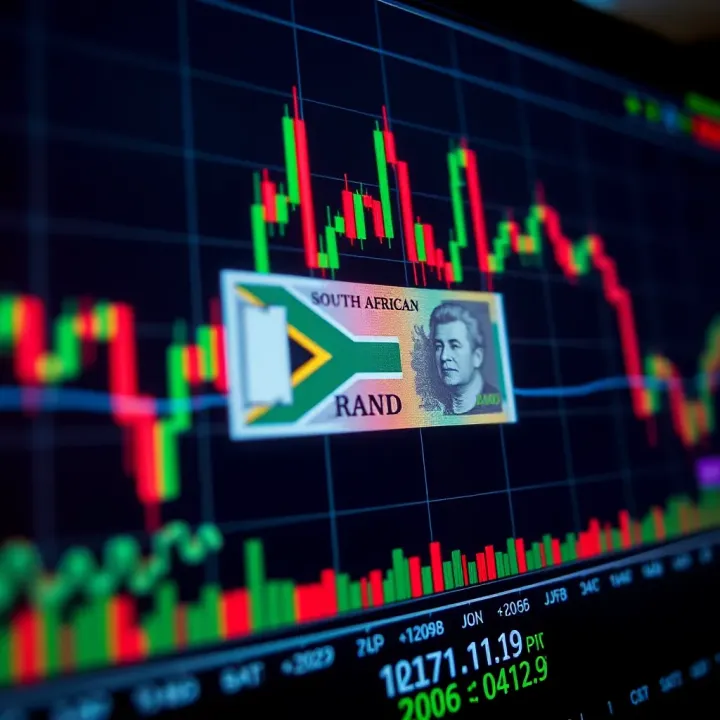
💹 Learn how to trade forex in South Africa with clear tips on currency pairs, strategies, risk management, brokers, platforms, and local rules. 🇿🇦

📈 Discover how Forex trading hours affect South African traders, spot peak volatility times, and get tips to boost your trading strategy effectively.

📚 Explore top free binary options trading books tailored for South African traders. Learn strategies, risk management, and broker tips to sharpen skills. 📈
Based on 15 reviews