

Access Free Money Offers for Binary Options Trading
Discover how to access free money for binary options trading in South Africa 💸 Learn bonus rules, spot reliable brokers, and avoid common risks today!
Edited By
Benjamin Scott
Binary options trading has attracted many South African traders looking for a straightforward way to speculate on asset prices. Unlike traditional trading, it involves predicting whether the price of an asset, such as a stock or currency, will rise or fall within a set time frame. Traders receive fixed payouts for correct predictions or lose their initial stake if wrong.
Understanding how binary options work is vital before getting involved. You pick an asset, decide ‘call’ (price will go up) or ‘put’ (price will go down), and select an expiry time that can range from minutes to days. Your payout is set when you open the trade, often between 70% and 90% of your stake, making the potential returns clear from the start.
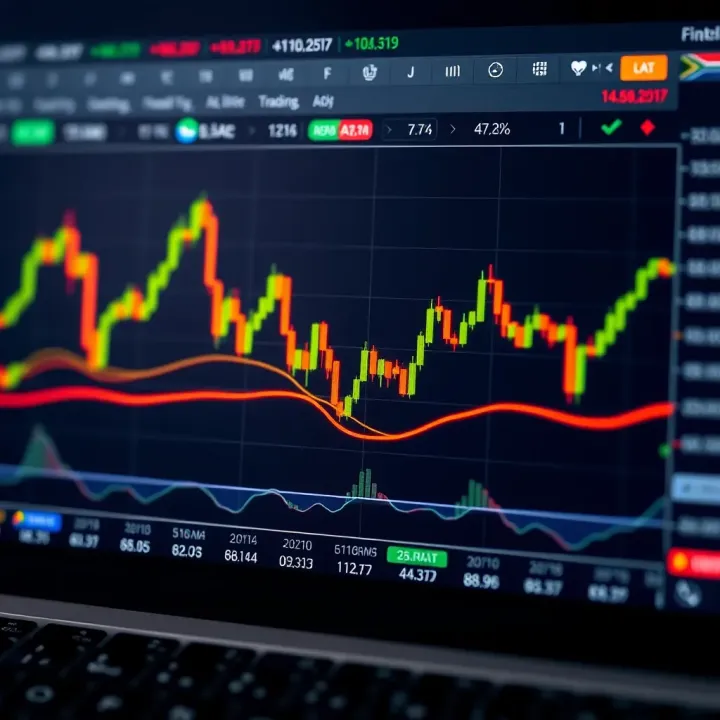
Keep in mind: While binary options promise simplicity, they carry high risks due to their all-or-nothing nature. Many traders experience losses quickly without a solid strategy.
The legal situation in South Africa adds another layer to consider. The Financial Sector Conduct Authority (FSCA) currently does not regulate binary options trading. As a result, many providers operate from offshore jurisdictions, which increases risks related to scams or fraud. Always check if the platform you use has a valid licence recognised globally or in South Africa.
Risk management is crucial. Avoid investing amounts you can’t afford to lose and beware of platforms promising guaranteed returns or pressure tactics. Use practical strategies such as:
Setting strict limits on daily losses
Diversifying your trades across various assets
Practising on demo accounts before risking real capital
Example: A trader using a R1,000 stake on a binary call option for a major JSE-listed stock with a 30-minute expiry should only risk a portion of their daily trading budget on such short-term bets.
In summary, binary options trading in South Africa can be tempting but requires careful consideration of the mechanics, legal backdrop, and inherent risks. With cautious steps and well-informed choices, traders stand a better chance of navigating this complex market responsibly.
Grasping what binary options trading involves is essential for anyone considering stepping into this market, especially in South Africa where regulatory clarity and risk awareness matter a lot. This type of trading boils down to making simple yes-or-no predictions on whether an asset will hit a certain price within a set time. When done right, it offers a straightforward way to participate in financial markets without needing a deep dive into complex instruments.
Binary options are a form of financial contract where the payoff depends entirely on the outcome of a yes/no proposition. For example, you might buy a binary option predicting that the price of gold will be above R1,000 per gram in one hour. If you’re right, you receive a fixed payout; if not, you lose the amount you staked. This all-or-nothing feature means potential profits and losses are predetermined and clear upfront.
Unlike traditional share trading or forex, where profits depend on how much an asset’s price moves, binary options simply ask: did it reach the target or not? This simplicity can appeal to traders who want a quick, fixed-risk approach without getting tangled in charts or complicated trade sizes.
The key difference is in risk and payout structures. Traditional trading allows for unlimited upside with variable downside, depending on price moves, market timing, and leverage. Binary options cap both potential profit and loss, making financial exposure predictable but also limiting gains. This suits some traders who prefer knowing maximum losses upfront.
Additionally, traditional markets (stocks, forex) require understanding market dynamics, trends, and timing, often demanding more extensive analysis. Binary options offer quicker decisions, which can save time but also tend to encourage short-term speculative behaviour rather than long-term investing.
South African traders typically find a variety of assets available on binary platforms. Beyond global favourites like major currency pairs (USD/ZAR, EUR/USD), popular commodities like gold and crude oil feature frequently. Equities of big companies, including some JSE-listed firms, may also be tradeable, although platforms vary.
Having access to different asset types helps traders diversify strategies. For instance, when local economic news swings the rand, a binary trader might take a position on USD/ZAR direction rather than just betting on equities, offering flexibility to react to local and global conditions.
Most platforms used by South Africans provide user-friendly interfaces suited to mobile and desktop devices, reflecting the growing preference for trading on the go. Execution is usually fast, with trades settled at expiry times ranging from 30 seconds to a few hours.
These platforms offer real-time price charts and straightforward buttons for ‘Call’ (price will go up) or ‘Put’ (price will go down) options. Since the transactions are time-bound with fixed outcomes, interface clarity is vital for quick decisions and avoiding missteps, especially when managing multiple contracts simultaneously.
Understanding these basics helps South African traders navigate binary options trading more confidently, appreciating both its simplicity and limitations while choosing assets and platforms that suit their style.
Understanding the regulations governing binary options trading in South Africa is essential for any trader looking to operate responsibly and avoid pitfalls. These rules are designed to protect traders, maintain market integrity, and discourage fraudulent practices. Knowing what the law allows and prohibits helps you steer clear of unlicensed brokers and dubious platforms.

The Financial Sector Conduct Authority (FSCA) regulates financial services in South Africa, including trading platforms offering binary options. It does not currently recognise binary options as a legal financial product for retail clients but closely monitors the sector due to the risks involved. While some international brokers may offer access to local traders, the FSCA only endorses those with a valid licence issued by them.
For South African traders, this means dealing strictly with FSCA-licensed brokers ensures a layer of protection. If a broker is not authorised by the FSCA, they might operate outside local laws and offer little recourse in cases of disputes or fraud. The FSCA regularly updates the public on blacklisted operators and warns against unlicensed activities.
Licensing requirements aim to ensure brokers maintain sound operational procedures, capital reserves, and transparent client handling. To get a licence, brokers must apply formally to the FSCA and meet criteria around solvency, governance, and compliance with anti-money laundering regulations. This process helps weed out unscrupulous players from the market.
Fraud and scams are unfortunately common in the binary options sector, often involving fake websites, misleading promises of guaranteed returns, or delay tactics on withdrawals. In response, the FSCA and other agencies actively investigate and crack down on offenders, sometimes working with foreign regulators when brokers operate across borders.
South African traders have reported instances where unlicensed platforms disappear with investor funds or pressure clients into risky, frequent trades under false pretences. Being aware of these tactics helps traders keep their guard up and recognise when something smells fishy.
On the consumer protection front, the FSCA promotes educational initiatives and encourages traders to verify broker credentials before investing. Measures include the publication of warning lists, guidance documents on recognising scams, and accessible complaint channels. Also, brokers licensed by the FSCA must adhere to conduct standards, making them accountable for fair treatment and transparency.
Always check the FSCA’s current list of authorised financial service providers to ensure your broker is legitimate. Trading with unregulated brokers carries significant risks and little protection should things go wrong.
Regulations may evolve, so traders need to stay informed and cautious. Understanding the legal landscape is the first step in trading binary options safely in South Africa.
Trading binary options in South Africa comes with a fair share of pitfalls. Understanding the risks involved and recognising common challenges is vital to make informed decisions and avoid financial harm. The landscape includes not just market volatility but also widespread scams that often target less experienced traders. This section focuses on these risks, offering practical insights to help you navigate the market more safely.
Binary options are notorious for their high volatility. Prices of the underlying assets can swing dramatically within minutes, making it easy to face steep losses if the market moves against your position. For example, a trader betting on a local rand-dollar exchange rate might see rapid swings due to unexpected political news or SARB announcements, wiping out the investment if the binary option expires out of the money. This makes binary options trading more of a speculative gamble than a traditional investment for most.
Besides volatility, understanding payouts and fees is crucial. Payouts in binary options are fixed, often ranging between 60% to 90% on winning trades, but a loss usually means losing your entire stake. Some brokers may also charge hidden fees on deposits, withdrawals, or even on placing trades. For instance, a trader might earn a R900 payout on a R1,000 trade, but a R50 withdrawal fee could cut deeply into net gains. Awareness of these costs prevents unpleasant surprises and helps in managing your trading budget properly.
Fraudulent schemes are unfortunately all too common in the binary options market. Many scams lure traders with promises of guaranteed returns or insider tips but end up withholding withdrawals or manipulating trading platforms to favour the broker. A popular scam involves fake automated trading systems that claim to ensure profit but simply drain clients’ accounts. South African traders need to be particularly alert as many unregistered offshore brokers target the local market, exploiting limited enforcement.
To protect yourself, verifying broker legitimacy is non-negotiable. Check if the broker is registered with the Financial Sector Conduct Authority (FSCA) or has recognition from international regulators like CySEC or FCA. Also, read user reviews on South African forums like MyBroadband, and test customer support responsiveness before committing funds. A legitimate broker will offer clear terms, prompt withdrawals, and transparent communication. If something feels off—like pressured sales tactics or too-good-to-be-true offers—shame on the red flags. Always do your homework before trading.
Approaching binary options trading with a clear view of financial risks and an eye for scams helps you trade more responsibly and avoid unnecessary losses.
In the world of binary options, having practical strategies is not just useful — it’s a necessity. Many traders jump in without a clear plan, which often leads to avoidable losses. Applying specific strategies helps you make informed decisions, reduce emotional trading, and improve your chances of success over time.
Binary options trading generally relies on short-term price movements, which means traditional technical indicators need some tweaking. For instance, moving averages and the Relative Strength Index (RSI) remain popular but are used over shorter time frames. A trader in Johannesburg might use a 5-minute RSI to identify overbought or oversold conditions before placing a call or put option.
Candlestick patterns, like dojis or engulfing patterns, also provide valuable clues about price reversals or continuations within tight windows. Unlike forex or shares where you might hold positions longer, binary options demand quick, precise analysis. This sharper focus on time-sensitive signals helps traders anticipate price moves accurately.
Although binary options often target technicals, keeping an eye on fundamentals can’t be ignored. Economic announcements — such as South Africa’s quarterly GDP figures or interest rate decisions by the South African Reserve Bank (SARB) — can trigger sharp asset price swings.
Global events, like the US Federal Reserve’s policy outlook or geopolitical tensions, affect commodities and currency pairs commonly traded by South Africans. For instance, a surprise SARB rate cut could weaken the rand, impacting USD/ZAR binary options. Staying up-to-date enables you to avoid trading blindly during volatile news periods or capitalize on predictable market reactions.
One of the simplest ways to stay afloat is by setting clear investment boundaries. Decide beforehand how much of your capital you’re comfortable risking on binary options — many experienced traders limit this to 1–2% per trade or about 5–10% of their overall trading fund each month.
This discipline prevents chasing losses or gambling away your entire budget after one bad day. For example, if your trading budget is R10,000, avoiding trades larger than R200 can preserve your funds and give you space to learn and adapt.
Though classic stop-loss orders don’t apply directly to binary options, you can mimic risk control by limiting consecutive trades and diversifying assets. Avoid putting all your funds on one currency pair or commodity. Instead, spread risk across different assets like gold, the JSE Top 40 index, and blue-chip stock binaries.
If you notice a losing streak in one asset, pause or switch to less volatile options such as Rand currency pairs to protect your capital. Diversification reduces the chance of a single market event wiping out your entire balance.
Practical strategies that combine sound market analysis with disciplined money management are the backbone of sustained trading success. Without these, binary options remain a risky gamble rather than a considered investment approach.
Selecting the right binary options broker can make or break your trading experience. For South African traders, the choice matters because it affects your security, ease of trading, and withdrawal of funds. A broker that ticks all the boxes on compliance, technology, and support helps you focus on making smart trades, not dealing with headaches over missing payouts or dodgy platforms.
The Financial Sector Conduct Authority (FSCA) oversees financial services in South Africa, including investment and trading firms. When picking a broker, verify if they hold an FSCA licence or are registered with a foreign regulator recognised by the FSCA. This reduces the chances of falling victim to unregulated operators or scams—a common pitfall in binary options trading.
For example, brokers regulated by the FSCA or reputable international authorities like the UK's FCA or CySEC tend to follow stricter guidelines on client fund protection and fair trading practices. Trading with an unlicensed broker in South Africa could mean no recourse if you encounter problems. So, double-check the broker’s regulatory status on the FSCA’s public register before committing any funds.
A plain and simple platform isn’t just nice to have; it’s vital when every second counts in binary trading. Look for brokers with user-friendly interfaces that let you execute trades quickly and without confusion. Features such as real-time price charts, clear expiry options, and easy navigation can improve your trading decisions and reduce costly mistakes.
Remember, some brokers also offer mobile apps tailored to South African traders, enabling you to trade on the go—handy if you’re commuting or dealing with loadshedding schedules. Demo accounts are useful too; they let you test the platform and practise strategies without risking real money.
Reading actual trader reviews offers insights you won’t find in promotional materials. Look beyond star ratings and focus on comments about trade execution speed, honesty in payouts, and problem-solving efficiency. Forums and social media groups with South African traders often share experiences you can learn from.
Beware of brokers with consistent complaints about delayed withdrawals or hidden charges. For instance, if several traders note that withdrawal requests take weeks or require excessive paperwork, consider it a red flag. Reliable brokers keep their clients happy by honouring withdrawal terms without hassle.
Prompt and helpful customer support is essential, especially if issues arise with your account or trades. Check if brokers provide multiple contact channels—like live chat, email, and phone support—and whether their agents respond promptly and know their stuff.
Withdrawal processes should be straightforward and transparent. Watch out for brokers imposing unexpected fees or conditions on withdrawing your own money. Some platforms require lengthy verification steps; while this is standard for anti-money laundering compliance, the process shouldn’t become an unnecessary drag. Quick, clear communication during withdrawals shows a broker that respects your time and funds.
Choosing a broker with strong regulatory backing, a solid platform, positive user feedback, and reliable support will save you stress and protect your investments in the often volatile world of binary options trading.
Bearing these points in mind will help you navigate the broker landscape confidently, so you can trade with peace of mind and focus on making your strategy work for you.
Discover how to access free money for binary options trading in South Africa 💸 Learn bonus rules, spot reliable brokers, and avoid common risks today!

📈 Learn practical forex trading tutorials tailored for South African traders! Master key concepts, strategies, and risk management for better trades.

Learn all about YouMoney Binary 📊—trade smarter in South Africa 🇿🇦 with insights on features, options, strategies, risks, and legal tips for binary trading.

Learn how forex trading signals 📉 guide South African traders with timely market insights, trade ideas, and tips for choosing reliable providers wisely.
Based on 13 reviews