

Understanding Free Binary Trading Demo Accounts
📊 Discover how free binary trading demo accounts help you test strategies risk-free. Learn top platforms, tips, and tricks to trade smarter in South Africa!
Edited By
Amelia Clarke
Binary synthetic accounts are a type of trading account that mimics the outcomes of real market positions without actually owning the underlying assets. Traders often use these accounts to speculate on price movements in markets such as shares, indices, commodities, or forex. In South Africa, these synthetic accounts enable access to binary options trading, where you bet on whether an asset's price will rise or fall within a specific timeframe.
Unlike traditional trading accounts that involve buying or selling actual shares or contracts, binary synthetic accounts provide a simplified yes-or-no outcome. For example, if you predict the price of gold will be higher in 30 minutes and it is, you earn a fixed payout. If not, you lose your stake. This straightforward nature attracts traders who prefer clear risk-reward profiles and faster decisions.
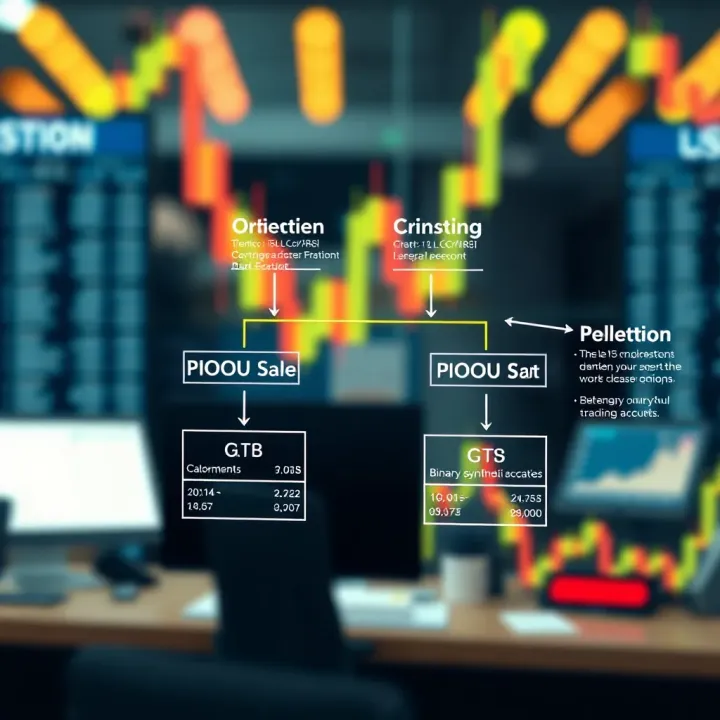
Binary synthetic accounts differ from standard accounts by focusing on predictive outcomes rather than asset ownership, offering capped profits and losses.
Traders choose the asset, expiry time (often ranging from 60 seconds to several hours), and stake amount.
The broker sets fixed repayment rates, typically between 70% and 90% for winning positions.
Outcomes are binary — either a fixed payout or the loss of your stake.
This differs sharply from conventional share trading on the JSE, where profit or loss fluctuates with market prices. Binary synthetic accounts offer quick exposure but come with higher risk since losing trades yield no return.
Suitable for short-term strategies where traders want quick results.
Can serve as a learning tool to understand market dynamics before committing to full trading.
However, traders must be cautious about risks. Many brokers operate internationally, so regulations may vary. South African traders should check if their broker complies with local authorities like the Financial Sector Conduct Authority (FSCA). It's also essential to understand that binary synthetic trading is speculative and more similar to gambling than investing.
In short, binary synthetic accounts offer an accessible way to trade market moves with limited stakes and clear returns. But your success depends on careful strategy and knowing the pitfalls.
Synthetic accounts have become an influential tool in modern financial markets, especially for traders who want to simulate or manage exposure without actually owning the underlying asset. In South Africa, where access to certain international stocks or commodities may be limited, synthetic accounts provide an alternate path to participate in these markets through contracts that track asset performance.
For instance, a retail trader in Cape Town might want to speculate on the price movement of gold without physically buying bullion or shares in a mining company. A synthetic account setup can simulate this exposure directly, often with smaller capital requirements and easier access. This makes synthetic accounts a practical choice for testing strategies or gaining exposure to volatile instruments.
Synthetic accounts are arrangements that mimic the economic effects of owning an actual financial instrument without holding the asset itself. Historically, the idea traces back to derivative contracts like swaps and options, which let parties replicate positions in assets through agreements, not ownership. Broadly, they allow a trader to engage in price movements of underlying assets through constructed contracts.
In practice, this means you could emulate the results of being long or short on a stock or index through a combination of derivatives or contracts-for-difference (CFDs). This avoids the hurdles of market entry such as needing large capital or navigating foreign exchange restrictions.
Synthetic accounts serve various needs depending on the trader’s goals. Some common examples include:
Hedging risk: A portfolio manager might use synthetic short positions to guard against potential drops in asset value without selling holdings.
Speculation with leverage: Traders seek amplified returns by using synthetic exposure, which often requires less upfront money than buying stocks outright.
Access to restricted assets: In jurisdictions where direct trading of certain assets is tough, synthetic exposure bridges the gap.
For instance, an active Johannesburg investor might trade synthetic contracts on emerging market ETFs unavailable on local exchanges. The contracts mimic the ETF’s price moves without owning the shares.
Unlike a standard trading account where you hold direct claims on assets (like shares in a company), a synthetic account represents these assets through contracts or derivatives. You don’t own the shares; rather, your account balance reflects the gains or losses based on price changes in the reference asset.
This difference brings practical implications: for example, you won’t have voting rights or dividends linked to actual ownership. Instead, your exposure is purely financial and contract-based.
Synthetic accounts align well with specific trading strategies that require flexibility and quick entry or exit from positions. They're particularly favoured in short-term trading, such as day trading or hedging before events that might spike volatility.
Consider a trader who expects the JSE Top 40 index to drop after a key economic announcement but wants to avoid the complexity of selling multiple shares. Using a synthetic account, they can take a short position on a derivative that tracks this index, reducing transaction costs and increasing agility.
Synthetic accounts offer a practical, flexible avenue for traders looking to manage risk or capitalise on market movements without the full formalities of asset ownership.

By understanding these foundations, traders and investors can better decide whether and how to integrate synthetic accounts into their portfolios, especially within the dynamics of South African market conditions and regulations.
Understanding binary synthetic accounts is key for anyone interested in trading beyond traditional markets. These accounts simulate trading scenarios reflecting specific market outcomes, focusing primarily on binary options, which offer straightforward yes/no propositions. The appeal lies in the simplicity and fixed risk, making them accessible yet powerful tools for traders seeking to manage exposure without owning underlying assets. In South Africa’s evolving trading landscape, exploring these accounts helps investors grasp alternative methods of market participation.
A binary synthetic account is a specialised trading setup that allows investors to engage with binary options through a virtual framework. Essentially, it provides a platform where traders can predict if the price of an asset will rise or fall within a set time frame without owning the actual asset itself. This account type mimics real market behaviour but focuses on the binary nature of outcomes—win or lose—making risk more predictable.
Typical instruments in these accounts often include currency pairs, stocks, indices, and commodities. For example, a trader could speculate on whether the price of the South African rand (ZAR) against the US dollar (USD) will be higher or lower in the next thirty minutes. This kind of setup lets traders focus on directional moves without the complexities of owning or borrowing assets.
At the heart of binary synthetic trading lies the concept of binary options, which are contracts that pay out a fixed amount if a specific condition is met, or nothing otherwise. For instance, if you predict the FTSE 100 index will close above a certain point by market close, your option pays out if that happens; if not, you lose your stake. This all-or-nothing structure simplifies decision-making and limits potential losses to the initial investment.
Execution within a synthetic account framework relies on simulating these binary events realistically. The platform generates prices reflecting actual market dynamics, though the trader does not hold the underlying asset. Trades can be entered with precise expiry times, and outcomes are settled based on live market data feeds. This means a synthetic account acts as a testing ground for strategies under real-world conditions, minus some traditional trading risks.
Binary synthetic accounts offer a gateway to speculative trading with clear risk parameters, making them particularly attractive for those wanting control over potential losses while accessing diverse markets.
Understanding these mechanics gives you a practical grasp of how to approach trading in binary synthetic accounts, allowing you to tailor strategies that suit your risk appetite and market outlook.
Binary synthetic accounts attract traders because they balance simplicity with clear risk limits, but they also carry risks that need careful consideration.
Simplicity and accessibility make binary synthetic accounts appealing, especially for those new to trading. These accounts operate with straightforward ‘yes or no’ bets on asset price movements, removing the complexity of traditional trading that involves owning assets directly. For instance, a trader in Johannesburg might simply predict if the price of a certain share will be higher in 10 minutes without worrying about managing the actual shares. This simplicity lowers the barrier to entry, supporting individuals who don’t have deep technical knowledge or the time to track intricate market details.
Traders appreciate that binary synthetic accounts often require a smaller initial deposit compared to standard trading accounts. This accessibility means more South Africans can try their hand at trading without risking large sums upfront. It’s similar to placing a bet at a local sports event with a defined outcome, making it easier to understand and manage.
Leverage and fixed risk exposure are another drawcard. Binary synthetic accounts typically allow traders to use leverage—trade positions larger than their deposit—maximising profit potential. However, unlike many leveraged products where losses can spiral, binary synthetic accounts cap risks at the initial stake. For example, if you bet R500 on a binary option, the maximum loss is that R500 regardless of the market move. This fixed downside is reassuring, making leverage less daunting as you know exactly how much you can lose.
On top of that, the clear payout structure simplifies planning trades since potential gains and losses are known before entry. This contrasts with margin trading where unpredictable swings could demand more capital on short notice.
Risk of loss and market volatility still pose challenges. Binary options rely on precise timing and accurate forecasts, but markets can be unpredictable, influenced by sudden news or shifts. For example, unexpected economic updates might cause price swings that defeat your binary option before expiry, resulting in a complete loss of your stake. Traders must be aware that even with fixed losses, frequent unsuccessful trades can quickly erode capital.
Short expiry times in binary options make them particularly vulnerable to noise instead of genuine trends, demanding careful strategy and discipline. Jumping in without thorough analysis can be costly.
Limitations due to regulatory environment also affect binary synthetic trading in South Africa. The Financial Sector Conduct Authority (FSCA) regulates these instruments cautiously, aiming to protect investors from scams and unfair practices. Some platforms offering binary synthetic accounts operate offshore without local licences, raising concerns around legal safety and recourse if problems arise.
South African traders should stick to FSCA-approved brokers to ensure compliance and protection. However, regulatory restrictions might limit product availability or features compared to other markets, so traders must adapt accordingly.
While binary synthetic accounts offer clear benefits like fixed risk and simplicity, you need to weigh these against market unpredictability and regulatory safeguards. Understanding these trade-offs helps you navigate the trading landscape more confidently.
The regulatory environment shapes how binary and synthetic trading operates in South Africa. It sets the standards for transparency, fairness, and protection for traders and investors using synthetic accounts. Understanding these rules helps you avoid pitfalls and choose trustworthy brokers, especially given the risks involved with complex financial instruments.
The FSCA regulates financial services in South Africa, including binary and synthetic trading platforms. Its role is to ensure these providers comply with laws protecting the interests of traders. The FSCA maintains a register of authorised financial service providers (FSPs), making it essential for traders to check if their broker is registered before opening an account. Unauthorised operators often lack regulation, increasing risk of fraud or unfair trading conditions.
Beyond registration, the FSCA prescribes conduct standards for brokers. This includes requirements around client asset safety, proper record keeping, and ethical sales practices. For instance, brokers must not mislead clients about returns or risks involved in binary synthetic trading.
Brokers offering binary synthetic accounts must adhere to licensing, reporting, and consumer protection rules to operate legally in South Africa. They need a Category I FSP licence at minimum, which demands financial stability, trained staff, and internal controls to manage risks. Firms must submit periodic reports to the FSCA, helping the regulator monitor compliance.
One practical example is the obligation to separate client funds from operational accounts. This prevents misuse of client money, a safeguard that can protect you if the broker faces financial difficulties. Also, brokers must follow guidelines regarding marketing and advertising, avoiding exaggerated claims about potential earnings from binary synthetic products.
Full disclosure of trading terms is mandatory. Brokers have to provide clear, written explanations of products, fees, and risks before you invest. This transparency helps investors understand what they're getting into, especially since binary synthetic trading involves fixed returns but carries high risk.
Examples include explicit warnings about potential loss of capital and clear terms regarding leverage and expiry times for trades. Transparency reduces surprises and helps investors make informed decisions rather than gambling blindly.
The FSCA actively monitors the market to prevent fraud and unfair practices. It can investigate complaints, freeze suspicious activities, and sanction non-compliant firms. This oversight discourages unscrupulous behaviour, raising the overall standard and protecting market integrity.
Moreover, the FSCA educates consumers about risks in binary and synthetic trading, encouraging vigilance. Having a regulatory body keeping an eye on things means investors have a recourse mechanism if they encounter problems, rather than being left stranded.
In a sector where complexity and risk go hand in hand, the regulatory framework acts as a safety net, providing needed checks to protect traders—in South Africa and beyond.
Understanding these regulatory aspects helps ensure your binary synthetic trading experience is less risky and more transparent. Always verify broker credentials, focus on firms abiding by FSCA rules, and stay informed about your rights as an investor.
Navigating binary synthetic accounts requires practical know-how, especially given their unique characteristics and risks. For traders and investors, having clear guidance on selecting the right broker and adopting effective trading strategies can make the difference between a smooth experience and unnecessary losses. This section focuses on real-world considerations that help you make smarter choices and manage your investments wisely.
Picking the right broker is fundamental. You should prioritise brokers regulated by reputable authorities, such as the Financial Sector Conduct Authority (FSCA) in South Africa. A legitimate broker will provide transparency about fees, trading conditions, and account terms. For example, a broker offering clear pricing without hidden spread markups protects you from unexpected costs.
Ease of deposit and withdrawal should also feature heavily in your decision. South African traders benefit from brokers supporting common local payment methods, like EFT or SnapScan. If a broker complicates cashing out profits, you could face delays or unnecessary hurdles.
Beyond licensing, assess the broker’s reputation by reading reviews and checking track records. Platforms with solid uptime, intuitive interfaces, and essential trading tools improve your experience markedly. Look for features such as real-time charts, responsive customer support, and mobile accessibility.
For instance, some platforms offer demo accounts to practice trading binary synthetic instruments without risking real money. This capability is a good indicator they're serious about supporting traders rather than just attracting deposits.
Binary synthetic trading carries fixed risk by design, but managing your overall exposure remains crucial. Start by limiting any single trade to a small portion of your total capital—say 2–3%. This approach cushions against consecutive losses.
Stop-loss tools don’t apply directly to binaries, so managing risk means choosing trades carefully and setting realistic profit targets. One practical method is the "martingale" approach, doubling stakes after losses, but beware—it can lead to large losses quickly. Patience and discipline go a long way in preserving your capital.
Timing your trades well is key. Binary options depend heavily on short-term price movements, so thorough market analysis improves your edge. Use technical analysis tools like support and resistance levels, and monitor major economic events that cause volatility.
For example, during South Africa’s quarterly GDP releases or SARB interest rate announcements, markets can swing significantly. Knowing when to avoid trading or adjust strategies around these events protects you from sudden, unpredictable moves.
Success in binary synthetic trading hinges not just on the product but on planning, choosing the right platform, and using smart tactics tailored to your risk appetite.
By focusing on these practical steps, you position yourself better to explore binary synthetic accounts with a clearer understanding and greater confidence.
📊 Discover how free binary trading demo accounts help you test strategies risk-free. Learn top platforms, tips, and tricks to trade smarter in South Africa!

Learn how to convert hexadecimal to binary easily with our guide 🧑💻. Perfect for programmers, electronics & data pros in South Africa 🇿🇦.
📊 Master forex trading terms from pips to order types with this clear guide. Build confidence and navigate the forex market like a pro. 💹

Master forex trading strategies with practical tactics, risk management tips & handy tools 📊. Perfect for traders aiming to boost their currency skills!
Based on 7 reviews