

Understanding Free Binary Trading Demo Accounts
📊 Discover how free binary trading demo accounts help you test strategies risk-free. Learn top platforms, tips, and tricks to trade smarter in South Africa!
Edited By
Ethan Hughes
Binary trading demo accounts have become a staple tool for many traders in South Africa looking to sharpen their skills without risking actual money. These accounts mirror real trading environments using virtual funds, letting you test your strategies and get familiar with market dynamics before diving into live trades.
For a South African trader, demo accounts serve as a practical training ground. Since the markets can be volatile and influenced by local factors such as rand volatility and economic policies, practising on a demo platform helps you avoid costly mistakes in real trading.
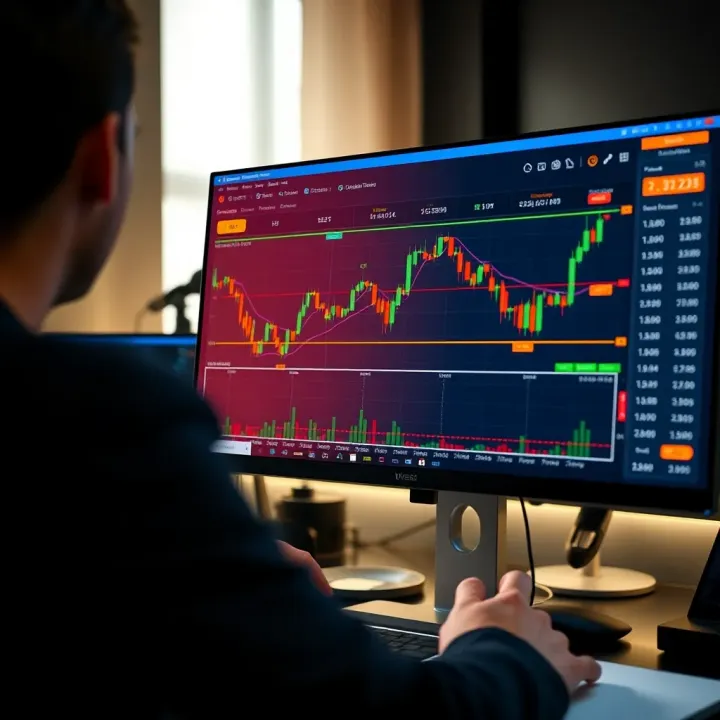
A demo account typically offers a full suite of features found in live accounts—access to the same binary options instruments and expiry times—only you’re trading with virtual Rand or similar currencies, not actual cash. This hands-on approach helps build confidence and know-how.
Using a demo account is like getting behind the wheel of a car with no risk of dents before hitting the busy Gauteng roads for real.
When selecting a binary trading demo account, look for these key points:
Realistic market conditions: The platform must simulate authentic price movements and expiry times.
Sufficient virtual funds: Enough balance (usually around R10,000 or more) to test multiple trades.
User-friendly interface: Easy navigation helps you focus on strategy, not struggling with clunky systems.
Availability of technical indicators: These help analyze market trends before placing trades.
Avoid common pitfalls like overtrading on demo funds since it doesn’t reflect the emotional impact of risking real money. Also, remember some brokers’ demo accounts expire after a set period, so timing your practice is essential.
In South Africa’s growing binary trading landscape, demo accounts offer a risk-free chance to learn before committing your hard-earned cash. Used wisely, they form the backbone of a well-structured trading journey.
A binary trading demo account is essentially a practice platform where traders can engage with the market without risking real money. This makes it an essential stepping stone for South African traders who are new to binary options or those wanting to test new strategies. The demo environment replicates real trading conditions but uses virtual funds, enabling users to sharpen their skills and understand platform mechanics before going live.
Using a demo account means you're not just reading about trading—you get to practice. For example, if you were interested in trading the JSE Top 40 index or commodities like gold, you could simulate trades on these assets without financial risk. This hands-on experience is invaluable for understanding market movements, timing trades, and seeing how various factors affect returns.
A demo account mimics a live binary options trading platform but without the risk of losing actual cash. It recreates market conditions by providing real-time price feeds, so when you make a trade, you experience the same price fluctuations that would happen in a real market. This simulation helps traders get comfortable with order placement, expiry times, and pay-out structures.
For instance, if the rand/dollar (ZAR/USD) exchange rate is fluctuating due to local economic news, your demo account will reflect those changes instantly. This allows you to respond to news events and test how your strategy performs under different market scenarios.
Instead of real money, demo accounts provide virtual funds — often starting from a tidy sum like R10,000 or R100,000 in play money. This means you can experiment with aggressive or conservative trading without financial consequences. More importantly, it lets you learn from mistakes without losing capital.
You could, for example, place several quick trades on petrol share prices or mining stocks listed on the JSE to see how timing and expiry settings impact outcomes. The downside is that without real money at stake, the emotional tension of actual losses or gains is missing.
Demo accounts usually offer full market data, including charts and technical indicators, just as live accounts do. You can use candlestick charts, moving averages, RSI (Relative Strength Index), and other analysis tools to plan your trades.
For South African traders, having access to these tools means you can factor in local economic indicators—like SARB interest rate announcements or load-shedding cycles—in your decision-making process. Practising with these resources helps build a better understanding of technical analysis without spending a cent.
One key difference is the emotional experience. Trading with virtual money doesn’t induce the stress or excitement of risking real cash. This can lead to overconfidence, causing traders to ignore risk management rules they would normally stick to in live trading.
For example, a demo trader might place several large bets just to see what happens, but when real money is involved, the instinct to protect capital usually keeps trades more disciplined.
Live accounts are subject to execution delays and slippage—where the trade price differs slightly from what you expected. Demo platforms often don’t replicate these issues accurately, giving a smoother, sometimes unrealistic, trading experience.
In South Africa, network issues or broker server delays during volatile times can create slippage. When using a demo, you might not experience this, so it's important to be prepared for slightly different conditions once you start live trading.
Sometimes, demo accounts lack certain live features like advanced order types, bonus offers, or access to specific asset classes. This means some trades or tools you see in the demo might not be available or work the same way when using a live account.
Knowing this, South African traders should check their broker’s live platform thoroughly before moving away from demo trading to avoid surprises.
Practise builds knowledge, but trading real money demands respect for the unpredictable market and your own emotions. Demo accounts bridge that gap between theory and real stakes effectively when used wisely.

Binary trading demo accounts bring practical benefits, especially for traders in South Africa who want to enter the market without risking real money initially. These accounts provide a training ground where you can understand market behaviour, test strategies, and build skills with zero financial pressure. This mix of experience and security is a solid base to prepare for live trading.
Using a demo account allows beginners to get comfortable with the trading platform’s interface and tools. For example, new traders can explore how to place trades, interpret charts, and use technical indicators without fearing losses. This hands-on exposure is crucial because unfamiliarity with the platform can cause costly mistakes in live trading. Practising here means you can focus on learning trade terminology and navigation at your own pace.
Demo accounts let you trial different trading strategies in real market conditions but with virtual funds. Suppose you want to try a short-term binary options approach, like trading on intraday price movements of the JSE Top 40 index; you can simulate this without risking a cent. Testing strategies this way highlights what works and what doesn’t, helping you refine your approach before committing actual cash.
Many widely used platforms such as IQ Option, ExpertOption, and Olymp Trade offer demo accounts that mirror live trading conditions. These platforms come with features like advanced charting, price alerts, and economic calendars, allowing you to practise with tools typical in the South African trading scene. Using these demos familiarises you with the interface and how global markets operate alongside local factors.
Several South African brokers provide demo accounts tailored for local traders, including those regulated by the Financial Sector Conduct Authority (FSCA). For instance, brands like GT247.com and ThinkMarkets offer demo accounts that also incorporate local market data or Rand-based trading options. Using these brokers’ demos helps you understand how regulations and transaction details work in your home market.
A good demo account closely mimics real market fluctuations and trade execution timing. This realism is vital to prepare for the emotional swings you’ll face when real money is on the line. By experiencing the ebb and flow of price movement in the demo environment, you train your mind to stay calm and make rational decisions when markets get choppy.
Remember: Confidence built in the demo stage can significantly reduce panic during live trades.
Most demo platforms allow you to record your trades, analyse wins and losses, and tweak strategies accordingly. Keeping a trading journal alongside demo practice can reveal patterns in your decision-making. For example, you might notice that certain asset classes, such as commodities like gold or platinum, respond better to your strategy than others. This insight helps tailor your approach before risking real funds.
Demo trading isn’t just for novices—seasoned traders use it to stay sharp and test new ideas safely. For South Africans, this means adapting to both global and local market signals without undue stress.
Selecting the right binary trading demo account is a key step for South African traders to practise effectively without risking real money. A suitable demo account mirrors live market conditions and offers tools that help build skills realistically. Given the diversity of platforms and brokers, knowing what to check can prevent frustration and wasted time.
First off, make sure the broker behind the demo account holds the proper licences. In South Africa, trustworthy brokers should be regulated by recognised bodies such as the Financial Sector Conduct Authority (FSCA). Licensed brokers comply with rules designed to protect traders, which reduces the chance of scams or unfair practice. For example, a well-known FSCA-registered broker will ensure your demo trading experience uses real-time data and adheres to industry standards.
User reviews give a straightforward lens on what you can expect. Look out for comments on platform stability, customer support and any hidden catches with demo accounts. Though opinions can vary, patterns in feedback highlight consistent strengths or issues. For instance, if many users mention sudden logouts or delayed quotes, that demo platform might not suit your needs. Real experiences from South African traders can provide insights tailored to your market context.
An intuitive interface matters especially when you’re learning. If navigating the demo account feels clunky or confusing, you’ll waste time and confidence. The best platforms keep menus clear, buttons visible, and workflows simple. For example, popular platforms like Binary.com or IQ Option offer clean layouts that make placing trades and checking signals straightforward, even for beginners.
Effective demo accounts provide solid charting tools and indicators to practice real strategy testing. Features like candlestick patterns, moving averages, and RSI (Relative Strength Index) help traders analyse market trends. Being able to interact with these tools enhances your understanding and decision-making. Without good analysis features, you’re just guessing, which won’t prepare you well for live trading.
Not all demo accounts stay open indefinitely. Some brokers limit access to a few days or weeks. This can be frustrating if you want to practise consistently over months. Ideally, choose platforms offering extended or unlimited demo periods, so you can progress at your own pace without pressure.
Demo accounts usually provide a set amount of virtual funds for trading, say R10,000 or R100,000. While enough to experiment, check if the platform allows you to reset or top-up funds. Running out of virtual cash mid-practice can disrupt learning. Also, be aware if the demo balance significantly exceeds typical live trading amounts, as it might encourage unrealistic risk-taking.
Some demo accounts restrict the types of trades or orders you can place compared to live accounts. For example, they might exclude complex options or advanced expiry times. This limits your ability to try diverse strategies. If you plan to use particular order types when trading real money, ensure the demo supports them. This ensures your practice translates well when you move to live trading.
Picking the right demo account boils down to balancing realistic trading experience, sufficient access time, and useful features. Taking time to choose wisely pays off by sharpening your skills in a way that reflects the real markets.
Using a demo account for binary trading can be a helpful stepping stone, but it’s easy to slip up if you’re not careful. Mistakes here could hold you back from real-world success. Understanding what to avoid will save you time and frustration as you move from practice to live trading.
One common pitfall is treating the demo account like a free-for-all because there's no real money at stake. Many traders end up overtrading, making dozens of trades in a short period without thinking much about the potential losses. This behaviour won’t prepare you for the emotional strain of risking actual Rand on the JSE or the Forex markets. For instance, in a demo, hitting a losing streak doesn’t hurt your wallet, so you might push on blindly. But in live trading, this can lead to rash decisions driven by fear or the hope of quick recovery.
Demo accounts often fail to fully replicate the market’s unpredictability and slippage, leading traders to underestimate real-world risks. When practising with virtual funds, you might forget that price swings in volatile local sectors, such as mining or agriculture stocks listed on the JSE, can be sharp and affect your trades drastically. The result? A lack of respect for risk management strategies like stop-loss limits, which are essential once you’re spending your own money.
It’s tempting to keep practising indefinitely, but postponing live trading for too long can stall your progress. The demo environment won’t expose you to challenges like sudden technical glitches or emotional pressure from real losses. Take, for example, a trader in Cape Town who kept practising for months but never took the step to trade live; when they finally did, they struggled with the stress and missed the timing to build real profits. Knowing when to move forward is key.
Without a clear strategy, switching to a live account can become a shot in the dark. Demo trading should be used to test and refine your trading plan, not just play with random trades. Traders who don’t establish clear goals, entry and exit points, or risk limits in the demo phase often find themselves distracted or impulsive when real money is on the line. In South African markets especially, a trading plan that considers local economic indicators and currency fluctuations is essential.
Avoid these mistakes by keeping your demo trading disciplined, recognising the emotional gap, and preparing a solid plan before taking on the live market. This approach will ease your transition and improve your chances of long-term success.
Using a binary trading demo account effectively can be a significant stepping stone for South African traders. The demo environment allows you to improve your skills without risking your hard-earned Rand, giving you a chance to understand trading platforms, hone strategies, and adjust to market movements on your own terms. Getting the most out of your demo practice requires setting clear goals and tying your learning to South African market conditions.
When practising on a demo account, it's tempting to make large trades just because the money isn’t real. However, to really build the discipline and decision-making skills needed in live trading, use stake sizes that mirror what you’d realistically commit in a real account. For instance, if you plan to trade with stakes of around R100 per position, try sticking to that within your demo practice. This makes it easier to gauge potential profits and losses, helping you manage risk better when you switch to live trading.
Keep a thorough record of your trades while practising. Track your wins and losses, the strategies you employed, and any adjustments you made. Over weeks or months, this log offers insight into patterns—for example, what kind of assets or expiry times work best for you. Consistent tracking allows you to see real growth in your skills rather than just erratic success. It helps to adapt strategies based on your strengths and weaknesses.
Binary trading success often depends on awareness of economic factors affecting asset prices. For South African traders, keeping an eye on local indicators like the SARB repo rate changes, employment data, or mining output can be a real asset. Incorporate these insights into your demo trades by observing how such events influence asset movements like the rand or JSE-listed shares. Practising with this context helps you translate demo lessons into real-world strategies.
Many demo platforms use US dollars or generic currency, but it's incredibly useful to test your strategies using Rand-based notional amounts if your platform allows it. This helps understand the real financial impact of trades in your own currency, including local transaction costs and tax considerations. Strategy adjustments become clearer when you see how much you stand to gain or lose in actual Rand terms, which makes the shift to live trading smoother and more informed.
Working smart with your demo account means not just practising trades but adapting your approach to South Africa’s unique financial landscape. This combination builds trading confidence and sharper skills.
By setting clear, realistic goals and integrating local market knowledge, your demo account becomes more than just a practice arena—it turns into a powerful training ground for live trading success within the South African context.
📊 Discover how free binary trading demo accounts help you test strategies risk-free. Learn top platforms, tips, and tricks to trade smarter in South Africa!
💹 Learn how to trade forex in South Africa with clear tips on currency pairs, strategies, risk management, brokers, platforms, and local rules. 🇿🇦

📈 Discover how Forex trading hours affect South African traders, spot peak volatility times, and get tips to boost your trading strategy effectively.
📚 Explore top free binary options trading books tailored for South African traders. Learn strategies, risk management, and broker tips to sharpen skills. 📈
Based on 8 reviews