
Forex Trading Guide for South African Traders
💹 Learn how to trade forex in South Africa with clear tips on currency pairs, strategies, risk management, brokers, platforms, and local rules. 🇿🇦
Edited By
Charlotte Mitchell
Understanding forex trading can feel like navigating a busy Johannesburg taxi rank during peak hour – chaotic if you’re unprepared, but manageable once you know the routes and routines. This guide offers practical insights tailored to South African traders, drawing from real market conditions and local financial nuances.
Forex, or foreign exchange trading, involves buying and selling currencies to profit from their price fluctuations. Unlike shares or property, forex markets operate 24 hours during weekdays, driven by global economic shifts. For South African traders, mastering this market means keeping an eye not only on international events but also on local factors like the rand’s volatility and national economic data releases.
Trading forex without a solid understanding is like heading into the veld without a map – you might get lucky, but chances are you’ll wander off course.
South Africa presents unique forex trading conditions. The rand (ZAR) often reacts sharply to domestic political news, Eskom’s load-shedding schedules, or changes in commodity prices affecting exports like platinum and gold. This volatility can offer opportunities, but it comes with heightened risk.
Additionally, South African traders must navigate specific regulatory frameworks, such as compliance with the Financial Sector Conduct Authority (FSCA) and the South African Reserve Bank’s (SARB) foreign exchange rules. Understanding these regulations helps avoid pitfalls while trading locally or internationally.
Core forex concepts: From currency pairs and pips to leverage and margin, explained with South African relevance.
Trading strategies: Practical methods including swing trading, scalping, and fundamental analysis using South African economic indicators.
Risk management: Strategies to safeguard your capital against unexpected rand moves or global shocks.
Tools and platforms: Reviews of popular platforms accessible in South Africa, such as MetaTrader, Plus500, and local broker options.
Market specifics: Navigating the rand’s quirks, effects of loadshedding on trading hours, and local tax implications.
Whether you're a beginner figuring out the basics or an experienced trader sharpening your edge, this guide equips you with techniques suited for Mzansi’s forex scene.
Start here and build a foundation that respects both the global nature of forex and the practical realities South African traders face.
Starting with the basics of forex trading is essential for any trader looking to make informed decisions. It offers an overview of how global currencies interact and why their movements matter. Understanding these fundamentals equips South African traders with the knowledge to navigate the forex market’s complexities and manage risks effectively.
Currency trading involves buying one currency while simultaneously selling another, forming currency pairs. For example, the USD/ZAR pair shows how many South African Rands (ZAR) one US Dollar can buy. Currency values fluctuate based on economic factors, geopolitical events, and market sentiment. By grasping this dynamic, traders can spot opportunities to profit from short-term price moves or hedge against currency risks.
The forex market is influenced by various players, including central banks, commercial banks, hedge funds, corporations, and retail traders. Central banks like the South African Reserve Bank (SARB) intervene occasionally to stabilise the Rand. Meanwhile, multinational firms trade currencies to manage exposure from imports and exports. As a retail trader in South Africa, knowing who the major participants are helps you understand market moves and potential liquidity levels during different sessions.
Forex trades 24 hours a day, five days a week, split across major sessions: Asian (Tokyo), European (London), and US (New York). Peak trading hours usually occur when these sessions overlap, creating more volatility and liquidity. For instance, the London/New York overlap tends to see bigger price swings. South African traders should be aware of these times to optimise entry and exit points while avoiding periods of low activity that can increase spreads.
Every trade involves currency pairs, like EUR/USD or USD/ZAR. The first currency is the base, and the second is the quote. If the EUR/USD is quoted at 1.10, it means 1 Euro costs 1.10 US Dollars. This pricing system helps traders compare relative values and decide whether to buy or sell a pair based on their analysis.
Leverage lets traders control a larger position with a smaller deposit, known as margin. For example, a 1:100 leverage means you can trade R100,000 with just R1,000 in your account. While this magnifies potential profits, it also increases losses, so managing leverage carefully is vital to avoid blowing your trading account.
Pips represent the smallest price movement in a forex pair, typically the fourth decimal place, such as 0.0001. The spread is the gap between the buy (ask) and sell (bid) price, effectively the broker’s fee. Understanding pips and spreads helps you calculate costs and set realistic targets. For example, if the USD/ZAR spread is 20 pips, you need a move larger than that to start making a profit.
Tip: Keep an eye on spreads during volatile periods or when trading exotic pairs, as costs can rise sharply, impacting your overall profitability.
Grasping the core concepts and terminology in forex trading is critical. These basics shape how you interpret market movements, place trades, and manage risks—especially in the fast-paced world of currency trading. South African traders benefit greatly from understanding these terms in context to make more informed decisions and avoid costly mistakes.
Taking a long position means buying a currency pair, expecting the base currency to strengthen against the quote currency. For example, if you believe the South African rand (ZAR) will gain against the US dollar (USD), you’d go long on the USD/ZAR pair. Conversely, a short position means selling a currency pair, anticipating the base currency will weaken. If anticipating rand weakness, you might short USD/ZAR to profit when the rand falls. This distinction allows traders to profit in both rising and falling markets, making it fundamental to successful forex trading.
Order types control how and when your trades enter or exit the market. Market orders execute immediately at the current price, useful for quick trades in volatile sessions. Limit orders set a price to buy or sell at a more favourable rate than the current price, helping control trade entry or exit. Stop orders, like stop-losses, automatically exit a trade if the market moves against you beyond a set point, limiting losses. Effective use of these orders is vital to managing risk and ensuring your trading plan stays on track amid South Africa’s often volatile forex markets.
Volatility measures how much a currency’s price fluctuates over time. High volatility means sharp price swings, which can offer bigger profit chances but come with greater risk. For instance, the rand often shows increased volatility around SARB’s interest rate decisions or during political uncertainties. Liquidity refers to how easily you can buy or sell a currency without significantly affecting its price. Major pairs like EUR/USD usually have high liquidity, ensuring smooth trade execution, while exotic pairs involving the rand can be less liquid, leading to wider spreads and slippage. Knowing when markets are liquid and volatile helps you choose the right moment to trade and the pairs to focus on.
Central banks like the South African Reserve Bank (SARB) adjust interest rates primarily to control inflation. Higher interest rates tend to attract foreign capital, pushing the rand up as traders chase better yields. On the flip side, rising inflation erodes buying power and may cause SARB to raise rates further—a double-edged sword impacting the rand’s value. Following SARB’s rate decisions and inflation reports closely helps traders anticipate rand movements and position their trades accordingly.
Employment figures, such as the Quarterly Employment Statistics released by Stats SA, reflect economic health and consumer spending power. Strong employment growth can signal a robust economy, increasing investor confidence and demand for the rand. Weak employment data, however, may hint at economic slowdown, potentially weakening the currency. Traders use this data to gauge economic momentum and adjust their exposure to the rand in forex markets.
South Africa’s trade balance—a record of exports minus imports—directly impacts the rand’s strength. A trade surplus means the country exports more than it imports, growing demand for rand as foreign buyers need local currency to pay for goods. A deficit suggests the opposite, often weakening the rand. For instance, shifts in global commodity prices can influence trade balances significantly, given South Africa’s reliance on mining exports. Monitoring these figures offers traders clues about supply and demand forces shaping the currency market.
A solid grasp of forex terminology and economic indicators equips you to interpret market signals quickly and trade smarter in South Africa’s unique forex environment.
Developing well-thought-out forex trading strategies is key for anyone looking to make consistent gains in the volatile currency markets. Without a clear plan, trading can quickly become a guessing game, exposing you to unnecessary risks. For South African traders, tailoring strategies to local market behaviour and global economic shifts can help navigate the rand's frequent fluctuations.
Technical analysis focuses on studying past price movements to predict future trends. By analysing charts, indicators, and patterns, traders try to spot opportunities before they arise. For example, a trader might observe a "double bottom" pattern on the ZAR/USD chart, signalling a potential reversal from a downtrend to an uptrend. This approach suits short- and medium-term traders who prefer relying on price action rather than economic news.
Key tools include moving averages, support and resistance levels, and oscillators like RSI (Relative Strength Index). These help you understand when a currency pair might be overbought or oversold, improving timing for entry and exit points.
Fundamental analysis digs into the economic health and policies behind currencies. In South Africa, this means tracking the South African Reserve Bank's (SARB) interest rate decisions, inflation figures, GDP growth, and political events impacting confidence. For example, an announcement of an unexpected rate hike by SARB typically strengthens the rand due to anticipated higher returns for investors.
Fundamental traders keep an eye on global events too, like US Federal Reserve moves, as they impact currency flows globally. This approach suits longer-term traders who can absorb short-term volatility but want to catch major currency trends.
Sentiment analysis measures the mood of traders and investors towards certain currencies. Tools like the Commitment of Traders (COT) report or social media chatter help gauge if the majority are bullish or bearish. For instance, if most traders are heavily long on the rand, it might signal an overextended position, suggesting a pullback soon.
Understanding market sentiment helps prevent getting caught in crowd-driven moves that can suddenly reverse. For South African traders, combining sentiment with other methods sharpens decision-making in a market often swayed by rapid news flows.
Successful trading starts with clear, achievable objectives. Rather than chasing quick wins, set targets that balance ambition and practicality—such as aiming for a steady 5% monthly return on capital instead of unrealistic spectacular profits. This approach keeps you focused and reduces the temptation to take reckless trades during rocky patches.
Goal-setting also involves deciding how much time you can dedicate daily or weekly to trading. For example, a full-time trader in Johannesburg might monitor the market round the clock, while a part-time trader managing other work will tailor strategies suited for less frequent attention.
Knowing how much risk you can handle prevents emotional decision-making that leads to losses. Determine the maximum percentage of your trading capital you’re willing to lose on any single trade—often 1-2% is advised. Stick to this limit strictly to survive losing streaks.
Effective risk management also includes using stop-loss orders and scaling position sizes according to your confidence and market conditions. For example, reducing lot sizes during Eskom loadshedding days to account for potential internet interruptions is a practical local adjustment.
Consistent risk controls protect your capital, keeping you in the game long enough to learn and grow as a trader.
Before live trading, test your strategy using historical data or demo accounts. Backtesting shows if your approach could have been profitable in the past and highlights weaknesses. Suppose you tested a technical setup on the rand against the US dollar for the past two years; consistent success would increase confidence.
Regularly review and refine your strategies based on live performance insights. Markets evolve, so flexibility and honest self-assessment prevent sticking to losing methods. Maintaining a trading journal with notes on why you took each trade is a useful habit.
Developing and sticking to a solid forex trading strategy is vital. It helps South African traders avoid common pitfalls and respond confidently to the local and global factors shaping the currency markets.
Forex trading is not just about picking the right currency pairs or having a solid strategy. Managing risks and emotions plays a huge role in whether you stay in the game or blow your account. In South Africa, with factors like Rand volatility and economic shifts, keeping risk in check and your mind steady becomes even more important.
Setting stop-loss and take-profit orders helps you lock in profits and limit losses automatically. A stop-loss order tells your broker to close a trade if the price moves against you by a certain amount, protecting your capital. For example, if you open a trade on USD/ZAR at R16.50, you might set a stop-loss at R16.30 to cap your loss. Take-profit orders do the opposite — they close a trade once it reaches a profitable target. These levels remove guesswork and emotional decisions during volatile moments, such as when Eskom announces unexpected load shedding, causing Rand sharp moves.
Knowing how much of your trading capital to risk per trade is crucial. Position sizing means deciding the size of each trade based on your total account and the risk you're willing to take. A common rule is risking no more than 1–2% of your account balance on a single trade. For instance, if you have R50,000 in your trading account, risking more than R1,000 per trade could put you in jeopardy. Position sizing ensures that no single loss will severely hurt your overall capital, allowing you to trade consistently even through tough patches.
While forex is inherently about currency pairs, diversifying means spreading your trades across different pairs and market conditions to reduce risk. Don't put all your eggs in one basket by focusing only on the Rand. Mix in majors like EUR/USD or GBP/USD, which often behave differently from emerging market currencies. This balances your exposure, so a sudden swing in Rand due to a political event or commodity price change won't derail your entire portfolio. Diversification also means trying different trading strategies—day trading and swing trading concurrently, for example—to avoid putting pressure on a single method.
Losses are part and parcel of trading. The real challenge is how you respond. Accepting losses without panic helps you learn and adapt instead of chasing losses in desperation. A practical example: if a sudden dip in the Rand wipes out a trade, rather than opening bigger, riskier bets to recover, stick to your plan and wait for the next good setup. Remember, even experienced traders face losses regularly but manage them calmly.
Following your trading plan is critical. Discipline means sticking to your entry, exit, and risk rules even when the market feels tempting or scary. It’s about resisting the urge to trade impulsively after a series of wins or losses. For example, after a few successful trades on USD/ZAR, don't increase your risk size too quickly just because you feel lucky. Discipline protects you from emotional decisions that can quickly eat into profits.
Many traders fall into traps such as overtrading, revenge trading after losses, or ignoring news events impacting the Rand. These common mistakes can wipe out accounts fast. Being aware of these pitfalls is half the battle. For instance, if you notice yourself trading repeatedly without a clear strategy, pause and review. Implementing a trading journal where you note reasons for trades and outcomes can help spot these patterns early.
Staying ahead in forex requires more than market knowledge—you must master both your money and your mind. Good risk management and emotional control are your best tools for lasting success.
Managing risk and emotions isn’t just theory; it’s what keeps traders afloat in South Africa’s often volatile market.
Navigating the forex market confidently requires more than just knowledge of trading strategies and market behaviour. Having the right tools, platforms, and resources tailored to South African traders plays a vital role in effective decision-making and execution. This section covers how to pick a solid broker, select suitable trading software, and tap into local learning communities—all crucial steps in building a strong trading foundation.
Regulation provides a layer of safety by ensuring brokers comply with set standards. In South Africa, the Financial Sector Conduct Authority (FSCA) oversees forex brokers’ licensing and conduct. Opting for an FSCA-licensed broker helps protect your funds and ensures the broker adheres to rules on fair trading and transparency. Avoid offshore brokers without proper South African authorisation, as they often lack necessary safeguards.
Trading costs can quickly eat into profits, so it’s wise to pay attention to fees. Brokers typically charge either fixed spreads or variable spreads, which fluctuate with market conditions. Lower and tighter spreads, such as 1 to 2 pips on major pairs like USD/ZAR or EUR/USD, tend to benefit traders by reducing cost per trade. Also, watch out for hidden fees like inactivity charges or withdrawal fees. Comparing these costs upfront can save you unnecessary deductions from your trading account.
Ease of funding your account and accessing your money matters a lot. Reputable brokers generally support South African deposit methods like EFT (Electronic Funds Transfer), credit/debit cards, and popular e-wallets like Skrill or Neteller. Quick and reliable withdrawals are equally important. Make sure the broker offers clear, fast withdrawal processes and avoids lengthy delays or complex paperwork. For example, some brokers process EFT withdrawals within one business day, which keeps your funds accessible.
MT4 and MT5 remain the most popular trading platforms worldwide, including South Africa. They offer comprehensive charting tools, custom indicators, and automated trading options. MT5 is the newer version with additional features like more timeframes and order types, but many still prefer MT4 for its simplicity and widespread community support. Both platforms provide a reliable, stable environment for forex trading on desktop and mobile.
Web-based platforms let you trade directly from your browser without installing software. This convenience suits traders who use multiple devices or prefer quick access. While less feature-rich than MetaTrader, platforms like cTrader Web or broker-specific solutions often provide sufficient charting and order management. They update automatically, reducing tech hassles, and are good for South Africans who want to avoid heavy downloads or have limited storage on their devices.
With many South Africans relying on mobile data and smartphones, trading apps are indispensable. Most brokers offer apps for Android and iOS that connect seamlessly with desktop platforms. These apps allow monitoring of positions, placing orders, and accessing live price feeds on the go. An app with a clean interface and essential tools means you can respond to market moves even during a lengthy taxi ride or a quick break.
Diving into forex trading demands continuous learning. South African traders can benefit from books written by local experts or internationally acclaimed authors, addressing everything from basic analyses to advanced strategies. Online courses offer structured learning and often include interactive quizzes and personalised feedback. Platforms like Udemy or Coursera feature courses that cover forex from beginner to advanced levels, allowing a flexible pace that matches your schedule.
Connecting with other traders can sharpen your skills through shared experience. Forums such as Forex Factory or local Facebook groups dedicated to forex trading in South Africa serve as valuable hubs for discussing strategies, asking questions, and staying updated on market shifts. These communities often highlight South Africa-specific issues, such as how loadshedding affects trading or the best times to trade the rand.
Nothing beats face-to-face learning when you're starting out or want to refine your approach. Workshops and seminars held in cities like Johannesburg, Cape Town, or Durban give you a chance to meet industry professionals and fellow traders. These events address practical topics like understanding the rand’s behaviour, managing risk in volatile markets, or using popular platforms effectively. Plus, networking here can open doors to mentorship or even proprietary trading opportunities.
Choosing the right combination of broker, trading platform, and educational resources tailored to South African traders significantly boosts your chances of success in the forex market. Keep local regulations, costs, and community support in mind to make informed choices.
Grasping the unique economic and political landscape of South Africa is essential for traders focusing on the rand (ZAR). Local market factors shape currency movements and influence forex strategy decisions. Awareness of these elements helps you interpret price shifts more accurately and adjust risk exposure based on current realities.
The South African Reserve Bank’s (SARB) interest rate decisions have a direct impact on the rand’s value. For instance, an unexpected hike in the repo rate can strengthen the rand as higher interest rates attract both local and foreign investors seeking better yields. Conversely, a rate cut often weakens the rand due to lower returns on investments.
Traders keep a close eye on SARB’s Monetary Policy Committee meetings as they offer clues about inflation trends, economic growth, and overall stability. These decisions don’t just affect forex; they ripple through bond markets, equities, and consumer spending patterns, influencing broader market sentiment.
Political stability in South Africa plays a significant role in shaping investor confidence. Elections, changes in government leadership, or policy announcements—like alterations in mining regulations or land reform discussions—can cause sharp rand fluctuations.
For example, uncertainty around policy can lead to rand depreciation as investors seek safer assets. On the flip side, clear and investor-friendly policies may bolster the currency. Local protests or strikes that disrupt business activities can also unsettle markets, prompting short-term volatility.
South Africa is a major exporter of commodities such as gold, platinum, and coal, so international commodity markets influence the rand’s forex value. When prices of these goods rise, export revenues increase, supporting the currency.
Take platinum prices rising due to industrial demand; this typically boosts rand strength. Conversely, a slump in commodity prices reduces foreign currency inflows, putting pressure on the rand. Traders monitoring commodity markets can anticipate rand moves tied to global demand and supply shifts.
The rand is well-known for its volatility compared to major currencies like the USD or EUR. This stems from South Africa’s exposure to both domestic policy shifts and global risk sentiment.
For example, during times of global uncertainty, investors often pull away from emerging-market currencies such as the rand, causing sudden drops. Local factors like fiscal deficits or debt concerns also add to unpredictability. By understanding this, traders can better manage positions or apply risk controls.
Electricity supply interruptions due to Eskom loadshedding have a tangible effect on the economy and, by extension, the rand. Loadsheds reduce industrial output, disrupt supply chains, and lower business confidence.
This translates into weaker economic growth prospects, which foreign investors interpret as higher risk, leading to rand depreciation. Monitoring Eskom’s status is therefore relevant for short- and medium-term forex trading decisions.
South Africa’s trade balance directly impacts rand demand and supply. A trade surplus usually supports the rand, while deficits weaken it. For instance, a surge in imports due to increased domestic consumption can flood the market with foreign currency, lowering the rand’s value.
At the same time, export slowdowns tied to global economic cycles dampen rand inflows. Traders who understand the weight of South Africa’s import-export patterns, combined with global economic conditions, stand a better chance to anticipate currency trends.
Understanding local economic events and currency-specific factors equips traders with a sharper edge in navigating the rand’s often turbulent movements. Staying informed about SARB decisions, political shifts, commodity prices, and Eskom’s status is not just helpful—it’s necessary for smart forex trading in South Africa.
Starting forex trading in South Africa involves more than just knowing how the market works — you need to navigate local rules, set up your account properly, and prepare yourself by practising before risking real money. This section walks you through the practical first steps, highlighting critical compliance measures and ways to build your confidence.
To start trading forex with a South African broker, you’ll first need to provide proof of identity and address as part of the Registration of Interception of Communications and Provision of Communication-Related Information Act (RICA) and Know Your Customer (KYC) process. This is mandatory to curb fraud, money laundering, and other illegal activity. Practically, this means you must supply a valid ID or passport plus a utility bill or bank statement showing your name and physical address. Brokers verify this information before approving your account.
Once your account is open, you'll need to deposit funds to start trading. Most South African forex brokers accept local bank transfers, credit/debit cards, or electronic payment methods like SnapScan or EFT. It’s vital to consider transaction fees and processing times; for instance, EFT deposits can take one to two days, so plan accordingly. Also, be wary of brokers accepting deposits only in foreign currencies, as exchange rates and conversion fees can cut into your trading budget.
South African traders must remember that profits from forex trading are subject to tax. Depending on your trading style, SARS might treat earnings as income or capital gains. Active traders who trade frequently may fall under income tax, taxed at your marginal rate, whereas occasional trades could be regarded as capital gains with a different tax treatment. Keeping detailed records of all trades, deposits, and withdrawals will help when it’s time to submit your tax return and avoid any surprises.
Using a demo account allows you to practise forex trading without risking real cash. This risk-free environment suits beginners who need to understand order types, charts, and platform tools. Beyond that, it helps experienced traders test new strategies under real market conditions. For example, if you want to trial a scalping strategy during the London session, you can do so without worrying about losses.
Moving your skills from demo to live accounts requires more than just clicking "Switch to live." The key difference is emotions — real money trading brings stress, which can influence decisions. Start small: fund your live account with an amount you can afford to lose and trade small positions to manage risk. This gradual transition helps build discipline and confidence.
Keeping tabs on your trades is essential to improve. Use a trading journal or spreadsheet to record entry points, exit points, trade sizes, and outcomes. Reviewing this data regularly reveals patterns — are you losing money because of poor timing or excessive risk? These insights let you fine-tune strategies instead of repeating mistakes blindly.
Getting the basics right—from compliance and funding to disciplined practise—lays the foundation for a successful trading journey in South Africa. Skip these steps and you risk legal issues, lost money, or bad habits that can derail your progress.
Taking the time at this stage pays off later when you trade confidently and with a solid grip on the essentials.
💹 Learn how to trade forex in South Africa with clear tips on currency pairs, strategies, risk management, brokers, platforms, and local rules. 🇿🇦
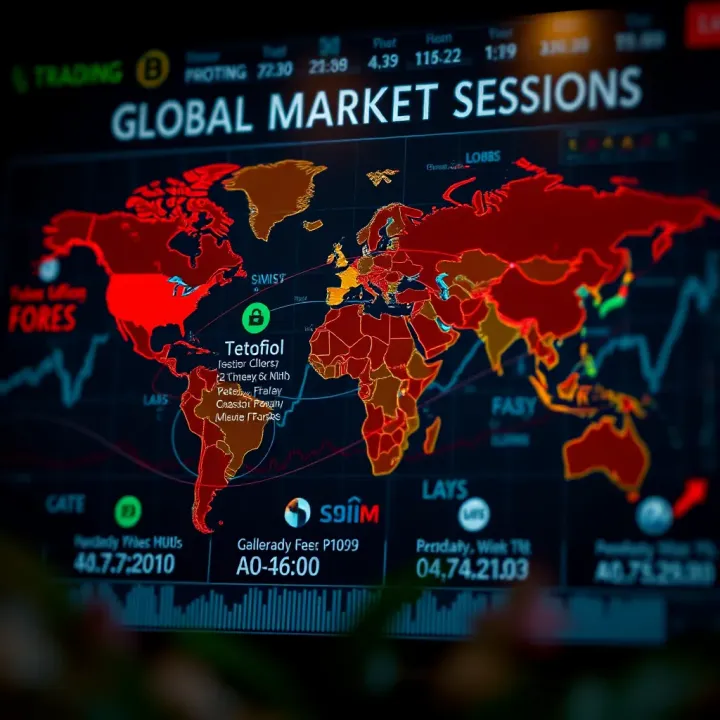
📈 Discover how Forex trading hours affect South African traders, spot peak volatility times, and get tips to boost your trading strategy effectively.
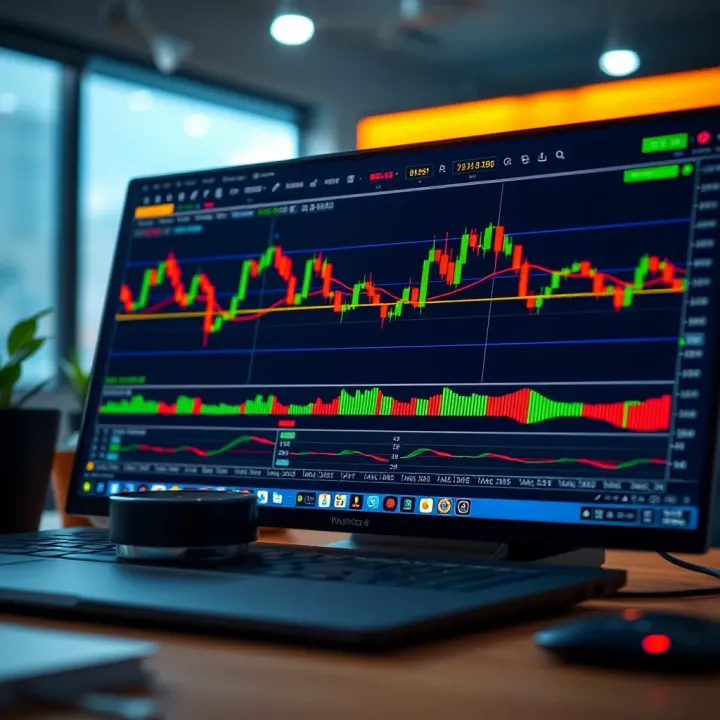
📈 Discover essential forex trading tools for South African traders! From charting software to risk control, get the resources to trade confidently today.
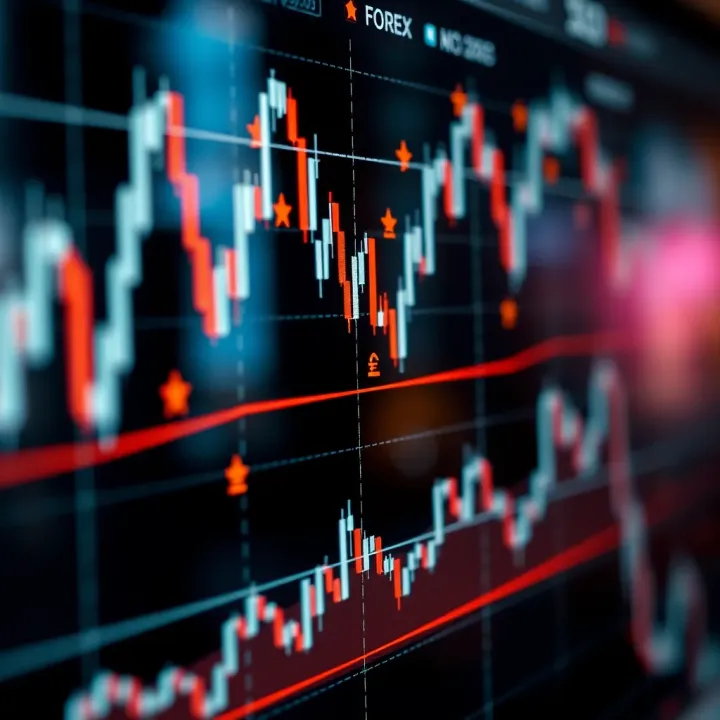
Discover effective forex trading strategies tailored for South African traders 🇿🇦, covering analysis, risk management, and smart trading plans 📈💡
Based on 13 reviews