
Basics of Forex Trading Explained
Explore the essentials of forex trading📈, from market basics to key strategies, designed to boost your confidence in currency trading.
Edited By
Emily Carter
Forex trading offers promising chances to profit, but it's no walk in the park. While many traders focus on the potential for quick gains, the reality includes a fair few pitfalls that shouldn't be ignored. This section spotlights key drawbacks that traders, especially those in South Africa, need to keep in mind before diving in.
One of foreign exchange's defining traits is its fast-moving nature. Currency prices can swing wildly within minutes due to economic news, geopolitical events, or unexpected market shifts. For example, the rand often reacts sharply to domestic factors like political announcements or Eskom’s load shedding updates, which can catch traders unprepared. This volatility means that potential gains come with substantial risk, where even experienced traders can face big losses quickly.
Forex isn’t a simple game of buying low and selling high. Successful trading demands understanding a range of strategies, indicators, and technical tools. Many newcomers underestimate this learning curve. Strategies like carry trades, scalping, or hedging require both time and skill to execute effectively. Without thorough practice and education, traders may end up making poor decisions based on incomplete knowledge.
Leverage is a double-edged sword often used in forex trading. While it allows traders to control larger positions with a small amount of capital, it also amplifies losses. A single wrong move can rapidly wipe out an account, especially if proper risk management isn’t applied. Many South African traders attracted by leverage neglect setting stop losses or managing their exposure, leading to nasty surprises.
The forex market’s global, decentralised nature can expose traders to risks concerning regulation. In South Africa, the Financial Sector Conduct Authority (FSCA) monitors brokers, but the rise of offshore brokers with dubious licences means traders need to be cautious. Some fall victim to scams promising guaranteed profits or pressure tactics to deposit more funds. Knowing how to identify FSCA-authorised brokers and steer clear of unregulated entities is vital.
Trading forex demands respect for its complexity and risks. A cool head, solid education, and prudent risk controls are your best defence against the market’s rapid shifts.
By recognising these drawbacks upfront, traders can prepare better, avoid common traps, and approach forex with realistic expectations rather than blind optimism.
Trading forex exposes investors to specific risks that demand careful consideration before diving in. These risks aren't just theoretical—they have tangible effects on traders’ portfolios and emotional well-being. Understanding what’s at stake helps traders make smart choices and avoid costly mistakes.
The forex market is famously volatile, with currency prices swinging sharply in short periods. Political announcements, economic indicators from countries like the US or China, and sudden geopolitical clashes can push exchange rates up or down unexpectedly. For instance, when the rand weakens against the dollar due to local political uncertainty or global trade tensions, traders who bet on a stronger rand can face steep losses fast. This unpredictability makes timing trades tricky and requires constant vigilance and quick decision-making.
Forex brokers often offer high leverage, sometimes up to 1:500 or more. While leverage can magnify gains, it also magnifies losses proportionally. A small price movement against your position can wipe out your capital in moments. For example, using 1:100 leverage means a 1% adverse move in the currency pair’s price could result in a 100% loss of your invested amount. South African traders need to be especially cautious about leverage, considering local regulations and the possibility of margin calls where brokers demand extra funds to keep trades open.
Unlike some investments that grow steadily over time, forex trading can lead to quick and significant losses, sometimes exceeding the initial deposit. The combination of volatility and leverage means that poorly timed trades can drain accounts rapidly. It's not uncommon to hear stories where traders new to forex lose R50,000 or more within days due to overtrading or chasing losses. To mitigate this, risk management tools like stop-loss orders must be part of any trader’s strategy to cut losses early rather than letting them balloon.
Forex trading isn't just about potential profits; the risks pile up quickly when the market doesn’t behave as expected, and without a disciplined approach, losses can become overwhelming.
Trading forex demands respect for its risks. The market's wild swings, use of leverage, and exposure to rapid financial loss underscore why it suits only those willing to approach it with solid preparation and risk management.
Navigating the world of forex trading is no small feat, especially because of the complexities that often trip up even seasoned traders. These challenges aren't just technical; they require a solid grip on knowledge and emotional resilience. Without mastering these, traders risk costly mistakes that can wipe out profits, or worse, capital.
Forex trading demands more than just basic understanding of currency pairs or charts—it's a skill set built over time through constant learning and hands-on experience. For example, grasping how geopolitical events affect currency movements requires a mix of economic insight and real-time analysis. South African traders, for instance, might need to follow local political developments alongside global shifts in commodity prices, as these factors sway the rand’s value.
The intricacies of technical indicators like Moving Averages, Relative Strength Index (RSI), and Fibonacci retracements also need serious study. Misreading these signals can lead to premature entry or exit from trades. Additionally, the forex market runs 24/5, meaning it operates across different time zones—traders must understand when major markets like London or New York open and close to identify optimal trading windows.
In practice, many beginners jump in without setting clear strategies or risk management rules, resulting in avoidable losses. Continuous education, leveraging resources such as webinars, trading simulators, and real-time news feeds, is critical for building proficiency and staying ahead.
Without a deep and ongoing understanding of market mechanics, traders often fall prey to impulsive decisions rather than well-informed strategies.
Forex trading isn’t just a test of knowledge but also a challenge to emotional stability. The rapid pace and high stakes of the market can trigger intense psychological pressure, impacting decision-making.
Imagine you’re watching a trade suddenly moving against your position. The pressure to ‘cut losses’ or ‘double down’ can lead to panic or overconfidence, both dangerous for a trader’s portfolio. Many fall into the trap of chasing losses, which spirals into even bigger hits.
In South Africa, where access to stable internet and reliable platforms can sometimes lag, frustration adds to the stress, making it tougher to stick to trading plans. Managing emotions by setting strict stop-loss orders and practising discipline in trade selection is essential.
Some traders adopt mindfulness techniques or take breaks during volatile sessions. Regular self-assessment of trading behaviour helps too, spotting patterns like revenge trading or fear-driven hesitations before they become detrimental habits.
In essence, success in forex trading isn’t just about knowing the charts or news but controlling your emotions amid uncertainty and sudden market swings. Losing this grip often proves costlier than market volatility itself.
Selecting a reliable broker is a key step in forex trading, but this process is riddled with challenges and risks. Brokers act as the middlemen between you and the forex market, making their integrity and licensing crucial. In South Africa, the Financial Sector Conduct Authority (FSCA) regulates forex brokers to protect traders, yet many still fall prey to unregulated operators. Understanding broker selection and regulation helps you avoid scams, reduce surprises, and trade with confidence.
Working with an unregulated or dishonest broker exposes traders to significant hazards. Some brokers operate without FSCA approval or any governing licence, which means there’s no oversight on their conduct or financial health. Such brokers might manipulate prices, delay withdrawals, or even disappear with client funds. This isn’t just a theoretical risk—several South African traders have reported losses after dealing with offshore brokers claiming to offer bonuses or “guaranteed returns,” only to find them unreachable later.
To avoid this, always verify the broker’s status through FSCA’s register or internationally recognised regulators like the FCA (UK) or ASIC (Australia). Checking for reviews and feedback from local forex communities can also shine a light on questionable players. Remember, if a deal looks too good to be true, it usually is.
Another pitfall traders often overlook is the opaque fee structure some brokers employ. Besides obvious costs like spreads and commissions, hidden fees can accumulate unnoticed. These include withdrawal charges, inactivity penalties, or fees for using certain payment methods. For instance, a broker might advertise zero commission but widen the spread significantly, making it costly to enter and exit trades.
In South Africa, where data costs and transaction fees already weigh on traders, unexpected charges can quickly drain your capital. It’s wise to scrutinise the broker’s terms and conditions before signing up. Ask specific questions: Are there fees for transferring money back to your bank account? What costs apply if your account remains dormant? How does the broker handle overnight positions (swap rates)?
A clear, upfront understanding of all costs involved allows you to calculate break-even points and avoid nasty surprises that impact profitability.
In summary, taking time to research and pick a reputable, regulated broker with transparent fees protects your investment. It also helps keep your trading experience straightforward and fair—something every trader deserves in a volatile forex market.
Forex trading isn't just about understanding markets; the environment where you trade plays a huge role. For many South African traders, technical hurdles and local conditions can seriously impact the experience and outcomes. Being aware of these limitations is essential, especially if you're looking to navigate this space effectively.
Reliable trading platforms are the backbone of any successful forex trading operation. If the platform you use is unstable or slow, you risk missing crucial market moves. A delay of even a couple of seconds can make the difference between a profitable trade and a loss, especially when dealing with volatile currency pairs like USD/ZAR. In South Africa, internet connectivity can fluctuate, particularly in rural areas or during load shedding periods, which adds another layer of risk.
Many traders underestimate how technical faults — like platform freezes, order execution delays, or server downtime — eat into their potential. It's particularly frustrating when the market moves sharply, but your trade isn't processed promptly.
Platforms should also provide straightforward user interfaces and responsive customer support. Brokers offering locally tailored platforms or apps that handle South Africa's peak internet usage times better tend to have an edge. For example, brokers who optimise their services to reduce data consumption can improve accessibility for traders relying on mobile data.
South African traders face unique local challenges beyond technology. Regulatory frameworks, while aiming to protect traders, sometimes add complexity. The Financial Sector Conduct Authority (FSCA) oversees local brokers, but some international platforms aren't fully regulated here, increasing the risk for investors. Navigating forex trading rules, especially around taxation or required disclosures, demands attention and can restrict access to some trading options.
Additionally, data costs in South Africa remain relatively high compared to many countries. Given that forex trading requires continuous data flow to track live prices and execute trades promptly, these expenses add up quickly. Traders relying on prepaid data bundles might find extended sessions costly, forcing them to limit trading hours or exit positions prematurely.
This combination of regulatory and cost-related barriers means not everyone has equal footing in forex trading. Those in urban centres with reliable internet and access to regulated brokers enjoy an advantage over traders in outlying areas where data is expensive and connections unstable. Awareness of these factors can help you plan better, for instance, by choosing brokers who offer zero- or low-fee platforms and designing trades to minimise unnecessary data use.
Understanding the limitations imposed by your trading environment is critical. Without accounting for technical and local factors, even the best strategies can fall short. Forex trading isn't just market knowledge — it's also about managing these operational constraints to protect your capital and trade efficiently.
Forex trading isn't for everyone, and recognising why is key before diving in. The volatile nature of forex means it can clash with certain financial goals or comfort levels with risk. Consider this: if someone's saving for a stable retirement income or a children's education fund, the unpredictable swings in forex might put those goals in jeopardy.
Unlike some investments that aim for steady, long-term growth, forex markets can be unpredictable day to day—or even minute by minute. Its value depends on global events, economic data, and market sentiment, all shifting rapidly. For instance, a trader relying on forex income might face sudden losses from unexpected news, such as a shift in South Africa’s interest rates or geopolitical tensions involving major currency zones.
This lack of long-term stability means forex can’t reliably serve as a foundation for goals requiring steady growth, such as saving for a bond (mortgage) deposit or retirement. It's better suited for those who actively manage their positions and are comfortable with frequent monitoring and fast decision-making.
Forex trading demands constant attention; it's less about holding on for years and more about reacting quickly to changing conditions.
Forex trading requires a high tolerance for risk and often clashes with conservative investment strategies. Traders should clearly understand their financial goals: short-term profits through active trading, or slow, steady capital appreciation.
For example, someone earning a modest income who cannot afford significant losses will find forex trading risky. They might be better off with low-risk products like fixed deposits or government bonds. Conversely, an investor with surplus funds, familiar with market behaviours, could afford to risk some capital on forex for potentially higher—but uncertain—returns.
Risk profiles vary widely. The typical forex trader in South Africa must weigh factors like exposure to leverage and the impact of local conditions, such as data costs and internet reliability, which can add stress and costs.
Financial cushion: Can you handle losing the money you invest? Forex is not a magic money tree.
Time availability: Forex trading demands regular monitoring and swift decision-making.
Experience and knowledge: Without understanding forex mechanisms, traders risk costly mistakes.
In the end, forex trading suits those ready for the rollercoaster, not those seeking calm, predictable investment returns. Matching trading activity to your risk appetite and financial goals keeps you from walking into traps that could be avoided with clearer self-assessment.
Explore the essentials of forex trading📈, from market basics to key strategies, designed to boost your confidence in currency trading.
📉 Explore key forex trading strategies that reveal how economic indicators, central banks, and geopolitical events shape currency moves. Trade smarter today!

Explore comprehensive forex trading training in Johannesburg 🇿🇦. Learn local market tips, legal insights, and course options for all skill levels 📈💡.
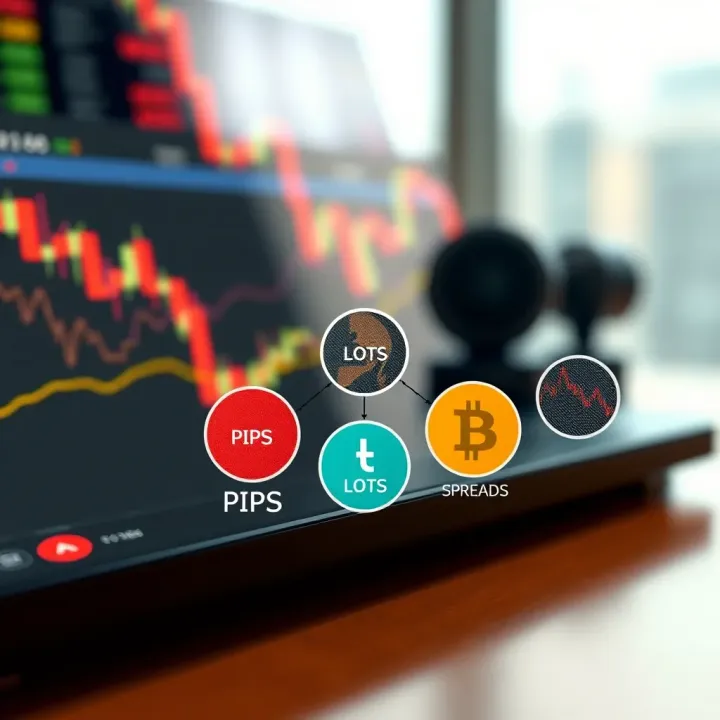
📊 Master forex trading terms from pips to order types with this clear guide. Build confidence and navigate the forex market like a pro. 💹
Based on 12 reviews