
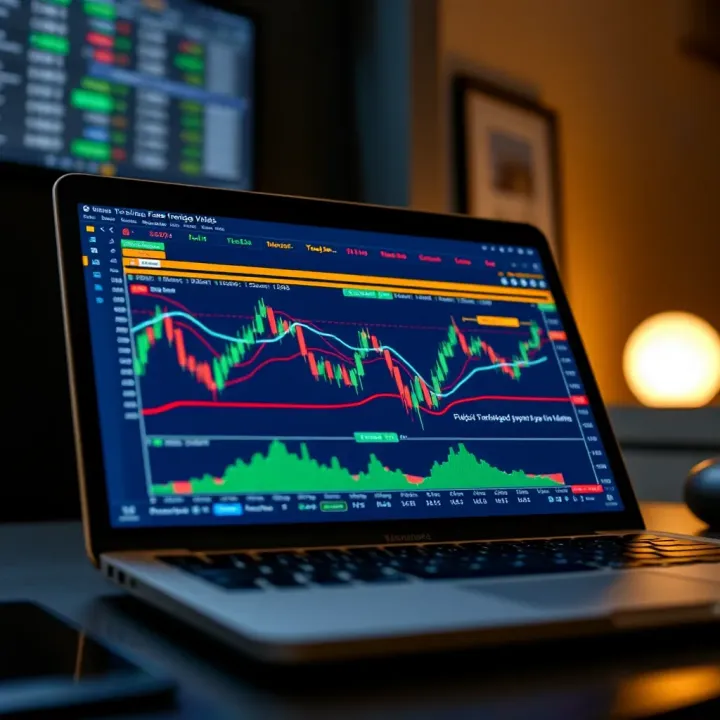
Beginner's Guide to Forex Trading Videos
📹 New to Forex trading? Discover trusted video guides, key basics, tips to avoid mistakes, and how to learn Forex step-by-step in South Africa 🇿🇦.
Edited By
Isabella Morgan
Forex trading, also known as foreign exchange trading, involves buying and selling currencies on a global market. For South Africans, forex offers the chance to engage with international markets right from your laptop or mobile. However, entering forex trading without proper knowledge can lead to unnecessary risks — so getting well-informed before you start is key.
Currency pairs are the basis of forex trading. For example, the USD/ZAR pair shows how many South African Rand one US Dollar can buy. Profit or loss depends on price changes between these currency pairs, making understanding their movements essential.
Choosing the right broker is critical. Due to South Africa’s regulations, traders usually look for brokers authorised by the Financial Sector Conduct Authority (FSCA) or those with a solid global reputation combined with strong client support. Beware of brokers promising guaranteed returns or offering unusually high leverage without clear terms — these can be red flags.
Starting with a demo account allows you to practice without risking real money. It’s an opportunity to get used to trading platforms and test strategies before committing your rand.
Remember: Forex trading is not a quick way to get rich — it requires patience, discipline, and continuous learning.
Effective risk management is one of the cornerstones of successful trading. Use stop-loss orders to limit potential losses and only risk a small percentage of your available capital on any single trade.
Here are some practical first steps:
Understand basic forex terms like pips, lots, leverage, and margin
Pick a trustworthy broker with clear FSCA approval or global credentials
Practice with a demo account before investing real funds
Use modest leverage, especially when starting
Apply risk management strategies from day one
By mastering these basics, you’ll set a strong foundation for your forex trading journey and avoid common pitfalls. Next, we will explore how to choose the right broker and platform tailored to your needs in South Africa.
Grasping the fundamentals of forex trading is the first step towards becoming a confident trader. This groundwork not only clarifies what you’re dealing with but also sharpens your ability to make sound decisions in a market that moves fast and can be unpredictable. For instance, without a clear understanding of currency pairs or how leverage works, you might easily overexpose your capital or misread market signals.
Forex trading involves buying one currency while selling another simultaneously. It’s the largest financial market globally, with a daily turnover exceeding US$6 trillion. For South African traders, it means you can trade currencies like the US dollar, euro, or even the rand against other currencies, seeking to profit from fluctuations in exchange rates. Unlike the stock market, forex trading operates 24/5, allowing you to react to global events as they happen.
The forex market operates through a global network of banks, brokers, and individual traders. It's decentralised, meaning trades don’t happen on a single exchange but over-the-counter via electronic communication networks (ECNs). This set-up keeps spreads competitive and liquidity high, which is essential for executing trades quickly. For example, the rand-dollar pair may see volatile moves during South African economic announcements or changes in Eskom’s power supply.
Currencies trade in pairs, like ZAR/USD or EUR/GBP. The first currency is the base currency, the second the quote currency. The value of the pair shows how much of the quote currency you need to buy one unit of the base currency. Understanding pairs helps you know what you’re buying and selling. For example, if you buy EUR/ZAR, you’re buying euros and selling rands.
A pip is the smallest price movement in a currency pair and usually represents 0.0001 for most pairs. It’s the unit traders use to measure gains or losses. Lots define trade size — a standard lot equals 100,000 units of the base currency. Smaller lot sizes, such as mini (10,000 units) or micro (1,000 units), are more accessible for beginners, limiting risk exposure.
Leverage lets you control a larger position with a smaller amount of your own money, called the margin. For instance, if your broker offers 100:1 leverage, you only need R1,000 to control R100,000 worth of currency. While this can boost profits, it also magnifies losses, so understanding the risks is vital to avoid wiping out your account.
The bid is the price buyers offer to pay, while the ask is the price sellers want. The difference between these two is called the spread. When you buy, you pay the ask price; when you sell, you get the bid price. Knowing this helps you time your trades and understand transaction costs.
The spread is the gap between the bid and ask prices and represents the broker’s fee in most cases. A tighter spread means cheaper trades. For example, major currency pairs like EUR/USD usually have narrower spreads than exotic pairs like ZAR/JPY, affecting trading costs and profit potential.
Before diving into live trading, mastering these basics will build the foundation to navigate the forex market confidently and smartly.
Starting off in forex trading without a proper setup is like trying to find your way in the dark. Setting up for trading success means getting your basics right, making smarter choices early, and equipping yourself with reliable tools. This section covers what you need to do before you put real money on the line, from picking the right broker to understanding your trading platform.
Before opening an account, checking that your broker is properly regulated is critical. In South Africa, brokers authorised by the Financial Sector Conduct Authority (FSCA) provide a level of protection for traders, as they must comply with strict financial standards. Trading with a regulated broker lessens the risk of scams or unfair practices, giving you peace of mind while you learn the ropes.
Not every broker offers the same trading software — and this can affect your experience a lot. Popular platforms like MetaTrader 4 or 5 come with a vast array of tools and customisable features that help with market analysis and executing trades quickly. Some brokers also provide web-based platforms or proprietary apps, which might suit those who prefer trading on their mobile devices. Choosing a broker with user-friendly platforms that suit your style matters, particularly if you're just starting.
Costs vary widely between brokers. Some charge fixed spreads, others variable, and there are commissions on some account types. High fees can eat into profits quickly, especially if you trade frequently or with small amounts. Transparency around fees lets you compare brokers properly — for instance, consider the total cost per trade including spreads and commissions, not just the advertised rates.
Most brokers offer a range of account types tailored to different trader needs. Beginners might prefer a micro or mini account that allows smaller trade sizes and lower initial deposits. Standard or professional accounts, often with higher leverage options, suit more seasoned traders. Knowing what each type offers helps you manage risk and match your bankroll.
Convenient, secure deposit methods matter. Local brokers often accept South African debit or credit cards, EFT (Electronic Funds Transfer), or payment via e-wallets like PayFast or SnapScan. Depositing via EFT can take a day or two, whereas card payments are usually instant—this flexibility can be crucial when markets move fast and you want to act.
Leverage lets you control a larger position than your actual deposit, magnifying both gains and losses. South African brokers typically offer leverage up to 1:100 or 1:200, but it’s wise to start with low leverage to avoid blowing up your account. Adjusting leverage settings according to your risk appetite can protect your capital and keep emotions in check.
MetaTrader remains the gold standard for many South African traders due to its reliability and extensive features. MT4 is ideal for beginners focusing on standard forex trades, while MT5 offers additional asset classes and advanced tools. Both platforms support automated trading via Expert Advisors, handy if you want to test trading strategies without manual intervention.
Having the right tools helps read market trends more clearly. Good platforms come packed with indicators like Moving Averages, RSI (Relative Strength Index), and Fibonacci retracements. These help identify potential entry and exit points. Combining technical with fundamental data, such as economic calendars integrated into the platform, can sharpen your market timing.
Trading on the go is no longer a luxury but a necessity. Most brokers offer mobile apps that mirror desktop functions, allowing you to check prices, analyse charts and execute trades anywhere. For South African traders facing frequent loadshedding or commuting, this flexibility ensures you never miss critical market action.
Starting strong means setting yourself up with a trustworthy broker, understanding your account options, and mastering your trading toolkit. These steps save you stress and costly mistakes later on, especially when the market starts moving fast.
Trading forex isn’t just about placing orders and hoping for the best; it demands a solid grasp of skills and strategies that guide your decisions. Developing core trading skills allows you to navigate market fluctuations confidently and avoid costly mistakes. South African traders, facing local challenges like loadshedding-induced market swings and global economic shifts, especially benefit from a well-rounded approach combining both fundamental and technical analysis.
Economic indicators such as GDP growth rates, employment statistics, and trade balances provide clues about a country’s economic health, directly influencing its currency's strength. For example, a strong GDP report for South Africa can boost the rand (ZAR) against other currencies as investors see increased economic activity.
Interest rates and inflation impact are vital signals for forex traders. Central banks like the South African Reserve Bank (SARB) adjust interest rates to control inflation — higher rates tend to attract foreign investors looking for better returns, strengthening the local currency. Conversely, rising inflation often weakens the currency, as it erodes purchasing power.
Global events such as geopolitical tensions, commodity price changes, or unexpected political decisions can sway currency values sharply. Consider how fluctuations in gold and platinum prices, major South African exports, impact the rand. Traders who keep an eye on these factors can anticipate moves and adjust positions accordingly.
Reading price charts involves examining historical data to identify trends and potential future movements. A daily chart showing the USD/ZAR pair, for example, might reveal clear upward movement signifying a weakening rand.
Common indicators and patterns like Moving Averages, Relative Strength Index (RSI), or Head and Shoulders formations help highlight momentum shifts or reversals. If the RSI shows an overbought condition, it might signal it's time to sell before a price drop.
Using support and resistance levels lets you pinpoint price points where the market historically pauses or reverses. Say ZAR/USD bounces off R15.50 several times; that level becomes a support zone, guiding your buy or sell decisions.
Day trading basics involve opening and closing trades within a single day, taking advantage of short-term price movements. This method suits traders who can dedicate time to monitor the markets closely during South African trading hours.
Swing trading overview focuses on holding positions over a few days or weeks to capture larger shifts influenced by broader trends or economic news. For example, a swing trader might buy ZAR/USD anticipating weakening USD due to US inflation drops.
Scalping explained is about making multiple quick trades to profit from tiny price changes. While demanding fast decision-making and strict discipline, it can be rewarding for those with access to solid technology and instant execution.
Building a firm foundation in these core skills not only sharpens your ability to read the market but also helps protect your capital from unnecessary risks. As you practise, you'll better understand how South Africa’s unique economic environment interacts with global forex markets.
Trading forex without managing your risk and emotions is like driving down a rocky gravel road blindfolded — sooner or later, you’re bound to hit trouble. Managing these two elements is vital for maintaining long-term trading success as it helps protect your capital and keeps your decisions grounded.
Setting stop-loss and take-profit orders gives you control over each trade’s potential loss and gain from the outset. A stop-loss order automatically closes a position if the market moves against you by a certain amount, limiting your losses. Conversely, a take-profit order locks in profits once the price hits a target level. For example, if you buy the USD/ZAR pair expecting it to strengthen, you might set a stop loss at 1.5% below your entry price and a take profit at 3% above, letting your trade run within these predefined boundaries without constant monitoring.
Position sizing and exposure limits ensure you don’t risk too much of your trading capital on a single move. A common rule is to risk no more than one to two percent of your total account per trade. For instance, if you have R10,000 in your account, your maximum risk on a trade should be around R100 to R200. This keeps a single bad trade from wiping out significant parts of your capital, allowing you to stay in the game longer.
Managing leverage exposure is critical because leverage can amplify both profits and losses. While some brokers offer up to 1:200 leverage, using it without caution can quickly drain your account. If you take a 1:100 leverage position on R5,000, you control R500,000 in currency value — but a small adverse price move can incur large losses. Keeping leverage moderate and matching it to your risk tolerance prevents getting caught with a margin call or forced liquidation during volatile sessions.
Dealing with losses is unavoidable in forex; how you handle them separates good traders from bad. Instead of chasing losses by doubling stakes, learning to accept them calmly is essential. Remember, even the best traders lose some trades — it’s part of the game. The focus should be on winning more than losing over time, not each trade individually.
Avoiding emotional decisions is easier said than done, especially when real money is involved. Fear and greed often drive impulsive trades, like buying after a sudden price spike or selling in panic. Sticking to your strategy and using automated tools like stop losses helps remove emotions from trading. When you treat trading like running a business, emotions take a back seat to discipline.
The importance of a trading plan can't be overstated. A clear plan outlines your entry and exit criteria, risk limits, and strategies. With this roadmap, you reduce guesswork and knee-jerk reactions. For example, if your plan says to exit after losing 2% on a position, you’ll do that rather than hoping the market turns around. Over time, this consistency builds confidence and makes you a better trader.
Managing risk and emotions is not just about preserving your money but about creating the mindset for sustainable success in forex trading.
By mastering these aspects, you’ll navigate the forex market more confidently and avoid common pitfalls many beginners fall into. Whether you’re trading from Johannesburg or Cape Town, these principles hold true and will help you build a strong foundation.
Before diving into live forex trading, getting comfortable through practice is essential. The volatile nature of currency markets means even seasoned traders make mistakes, so honing your skills before risking real money can make a huge difference. By regularly practising and assessing your trades, you lay a solid foundation to approach the market with discipline and insight.
Demo accounts imitate real forex trading environments without risking actual money, making them invaluable for beginners. They allow you to try out different strategies, get used to trading platforms, and understand market movements without the pressure of losing cash. For instance, using a demo under fluctuating rand-dollar conditions can help you see how economic news affects currency pairs without financial risk.
This simulated trading also helps to build discipline. You learn to stick to stop-loss levels and avoid impulsive decisions. When ready to move to live trading, ensure you set realistic expectations. Start with smaller trades and use similar strategies as practiced, understanding that emotions tend to behave differently with real money on the line. Gradually increasing your exposure will help you bridge the gap between theory and practice.
Keeping a trading journal is a simple but powerful tool. Document each trade's entry and exit points, reasons for the trade, and the outcome. For example, if a trade fails after ignoring a clear resistance level, noting this helps prevent repeating the mistake. Over time, a journal reveals patterns in your decision-making and highlights both strengths and areas needing improvement.
Looking closely at wins and losses sharpens your strategy. Analyse why a trade succeeded or failed. Was it due to external news, poor timing, or over-leveraging? Suppose a series of losses happens after a major interest rate announcement—recognising this can help adjust your approach to economic events. Learning from actual trades ensures you develop a realistic, adaptable mindset, essential for long-term success in forex trading.
Practising with demo accounts and reflecting on your trades are not just preliminary steps—they're ongoing habits of skilled traders, especially crucial in South Africa’s dynamic forex environment.
Maintaining this cycle of practice and review boosts confidence and prepares you to face the challenges of live forex trading more effectively.
📹 New to Forex trading? Discover trusted video guides, key basics, tips to avoid mistakes, and how to learn Forex step-by-step in South Africa 🇿🇦.
📈 Learn the essentials of forex trading in South Africa. Explore currencies, brokers, strategies, leverage & risk management for confident trading.

📈 Discover how to start forex trading in South Africa with our beginner-friendly guide. Learn market basics, regulations, and smart tips to trade confidently.
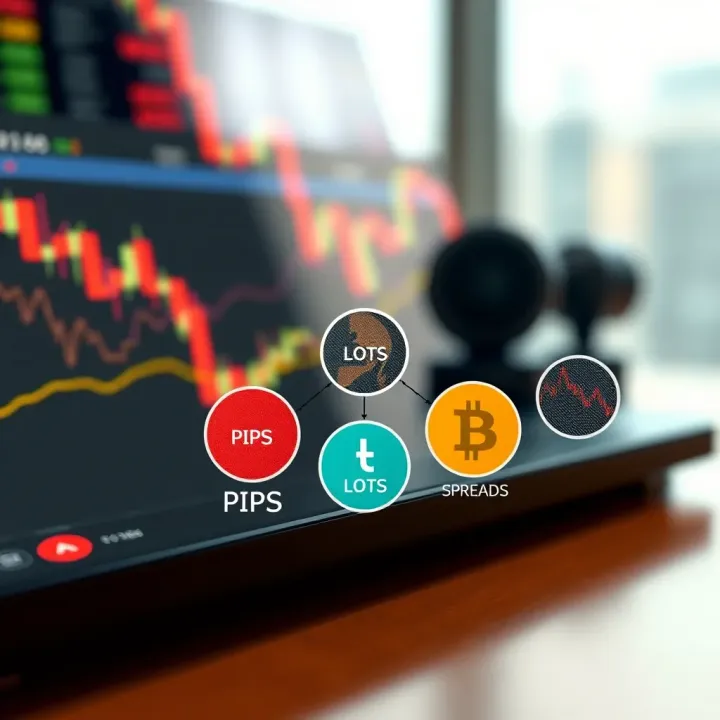
📊 Master forex trading terms from pips to order types with this clear guide. Build confidence and navigate the forex market like a pro. 💹
Based on 12 reviews