
Free Forex Trading Course in South Africa for Beginners
Discover free forex trading courses in South Africa 🇿🇦. Learn the basics, risks, benefits, and find local resources to kickstart your journey confidently 📈
Edited By
Chloe Edwards
Forex trading, or foreign exchange trading, involves buying and selling currencies with the aim of making a profit. For South Africans stepping into this world, understanding how the forex market operates is vital. Unlike the JSE, the forex market never sleeps, operating 24 hours a day across different time zones. This means trading can fit around your day job or studies if you get the timing right.
The market’s size is massive — daily trading volumes exceed US$6 trillion worldwide, offering plenty of opportunities but also exposing traders to risks. The most traded currency pairs you’ll come across include the US Dollar against the South African Rand (USD/ZAR), Euro against the US Dollar (EUR/USD), and British Pound against the US Dollar (GBP/USD). These pairs typically have better liquidity and narrower spreads, making them practical choices for beginners.
Starting out, it’s crucial to manage your risk carefully. Losses are part of the game, but cutting them early heads off bigger trouble down the line.
Choosing the right broker also matters. South African traders should look for brokers regulated by the Financial Sector Conduct Authority (FSCA) to ensure compliance with local laws and better protection of funds. Platforms like IG, Plus500, and local offerings often feature in trusted lists due to their transparent fee structures and accessible interfaces. Ask yourself:
Does the platform offer a demo account for practice?
What are the costs involved (spreads, commissions)?
Are deposit and withdrawal methods local-friendly (EFT, SnapScan, Zapper)?
Before placing real money on the line, practise with virtual funds to build confidence. Start with simple strategies like trend following or range trading, rather than chasing complex setups. Keeping a trading journal helps track what works and what doesn’t, making learning sharper.
Effective risk management tools — stop-loss orders, take-profit limits — help protect your capital against unexpected market swings caused by events like Eskom load shedding or geopolitical shifts. Remember, forex trading is not about getting rich quickly. Patience, discipline, and continuous learning define long-term success.
By grasping these fundamentals and choosing the right tools, South African beginners can trade forex with a clearer head and better chances of making profitable decisions.
Grasping the basics of forex trading is the foundation you need before risking any capital. Forex, short for foreign exchange, is the market where currencies are bought and sold. This is important because unlike stocks or bonds, forex operates 24/5 and involves the global influence of economies, politics, and sentiment. For South African traders, understanding these fundamentals helps navigate currency fluctuations, especially the rand's volatility against majors like the US dollar or euro.
Forex trading involves exchanging one currency for another with the aim of making a profit from changes in exchange rates. For example, if you believe the South African rand will strengthen against the US dollar, you might buy rand/USD currency pair. Should the rand appreciate, you could sell it back for a profit. This market is the largest and most liquid financial market worldwide, handling over $6 trillion daily.
Currency pairs group two currencies that traders buy and sell. The most commonly traded pairs include EUR/USD, USD/JPY, GBP/USD, and USD/ZAR. In South Africa, the USD/ZAR pair is especially relevant as it reflects the rand's value against the US dollar, impacting everything from import costs to investment flows. These pairs offer tighter spreads and higher liquidity, making trading smoother.
Forex doesn’t stop; it runs almost round-the-clock across four major sessions — Sydney, Tokyo, London, and New York. This overlapping of market hours ensures liquidity, allowing traders to enter and exit positions with ease at most times. For instance, South African traders often find the London and New York sessions most active since they coincide with local business hours and display high volatility, which can create trading opportunities.
Forex trading attracts newcomers because it offers accessibility and flexibility. You can start with a relatively small deposit, use leverage to control larger positions, and trade from anywhere with a stable internet connection. Plus, the abundance of educational resources and demo accounts on platforms like MT4 or MT5 makes it easier to learn without immediate financial risk. For someone living in Johannesburg or Cape Town, trading forex can even become a side hustle around daily commitments.
Understanding these basics sets the stage for a more confident entry into forex trading, reducing mishaps born from guesswork or myths. It’s about knowing how money flows globally and applying that knowledge in a practical, manageable way.
In the next sections, we’ll unpack essential terms, tools, and practical steps to help you build a solid trading approach that fits your goals and local context.
Navigating the forex market without grasping the essential tools and terminology is like setting off on a trip without a map. For South African beginners, understanding these basics ensures efficient trading, reduces costly mistakes, and builds confidence in decision-making.
Pips, lots, leverage, and margin form the backbone of forex trading language. A pip is the smallest price movement a currency pair can make—usually the fourth decimal place. For example, if the EUR/USD moves from 1.1200 to 1.1201, that 0.0001 change is one pip. Traders measure their profits or losses in pips, making it a key unit to understand.
A lot represents the size of a trade. Standard lots equal 100,000 units of currency, but many brokers offer mini (10,000 units) and micro (1,000 units) lots, allowing beginners to start small and manage risk better.
Leverage is what makes forex appealing to many South African traders—it allows you to control a large position with a relatively small deposit. For example, with 1:100 leverage, a R1,000 deposit controls R100,000 in trades. However, more leverage means higher risk and the potential for magnified losses. Margin is the amount you need to keep in your account as collateral for those leveraged trades. Understanding how much margin is required helps avoid unexpected margin calls or forced trade closures.
Spread and swap rates affect both costs and potential earnings. The spread is the difference between the buy (ask) and sell (bid) prices of a currency pair. Brokers charge this spread as their fee instead of charging commissions directly. For instance, trading the USD/ZAR pair might have a spread of a few pips, varying by broker and market conditions. Tight spreads mean lower trading costs, which is crucial when making frequent trades.
Swap rates come into play if you hold positions overnight. This interest rate differential between currencies can either earn you money or cost you, depending on which currencies are involved. South African traders need to keep an eye on swaps especially when trading majors like USD/ZAR or EUR/ZAR, where local interest rates differ significantly from global rates.
South African forex traders rely mostly on platforms like MetaTrader 4 (MT4), MetaTrader 5 (MT5), and cTrader. These platforms provide real-time charts, technical indicators, and direct market access. MT4 remains popular due to its simplicity and wide broker support, while MT5 offers more features for those ready to expand beyond basics.
Choosing the right platform affects your trading style and ease of execution. Many brokers offer mobile versions, which are perfect for trading on the go—handy given South Africa's busy lifestyles and loadshedding interruptions.
For beginners, using a demo account is vital. Demo accounts replicate live market conditions using virtual money, letting you practise strategies without risking your hard-earned Rands. This hands-on experience helps sharpen skills and test out platforms before moving to real-money trades. Proof is in the pudding—many serious traders honed their craft on demo accounts before stepping into the live market.
"Starting with a solid grip on forex tools and terms can save you from rookie mistakes and set you on a path towards steady trading success."
Understanding these essentials equips you to trade smarter and with confidence. The forex market moves fast; knowing your pips from your lots and the right platform from the wrong one prevents costly blunders and frustration. So get these basics down pat before placing your first live trade.
Opening a forex trading account marks a key step for anyone wanting to get serious in this market. The right account gives you access to currency pairs, trading tools, and the ability to monitor deals in real time. Managing your account properly ensures you control risks and make informed choices, especially given the fast-paced nature of forex trading.
When selecting a broker, regulation is your first line of defence. In South Africa, the Financial Sector Conduct Authority (FSCA) oversees forex brokers to ensure they meet local rules on transparency, capital requirements, and client fund protection. For example, a FSCA-regulated broker is required to keep client funds separate from operational funds, reducing the risk of loss if the broker runs into trouble. Always check a broker’s FSCA licence number on the regulator’s website before committing funds.
Unregulated brokers might offer flashy platforms or low fees, but they often lack the safeguards that protect traders from fraud or unfair practices. Trading internationally is common, but local regulation gives you a route to complain and seek resolution if needed.
Fees and spreads—the difference between buy and sell prices—can eat into profits fast. South African brokers vary widely on their spreads; some offer tight spreads on major pairs like USD/ZAR but charge a commission, while others bundle all costs into wider spreads. For example, a 2-pip spread versus a 0.5-pip spread can add up to significant extra costs over many trades.
Besides spreads, be aware of overnight swap rates and withdrawal or deposit fees. Brokers charging excessively for deposits or delays on withdrawals can frustrate your trading experience. Comparing fee structures across brokers before opening an account helps you pick the most cost-effective option.
Brokers usually offer several account sizes. Standard accounts require a larger deposit and trade lots of 100,000 units of currency. Mini and micro accounts allow you to trade smaller amounts—mini lots at 10,000 units, micro lots at 1,000 or less. For beginners, mini and micro accounts offer a safer way to learn without risking large sums.
For instance, starting with a micro account lets you test strategies on real markets but with smaller stakes, so one bad trade won’t hurt your pocket badly. Most South African brokers have minimum deposits ranging from R500 for micro accounts to R5,000 or more for standard ones, fitting most budgets.
Leverage boosts your buying power by allowing you to control a larger position than your deposit. South African brokers typically offer leverage from 1:10 up to 1:200. For example, with R1,000 and 1:100 leverage, you control R100,000 worth of currency.
While leverage can amplify profits, it also multiplies losses. Beginners should use low leverage until fully comfortable. A common mistake is to overleverage and blow accounts quickly. Good brokers provide tools like margin call alerts and recommend sensible leverage, helping you keep risks in check.
A well-chosen forex account tailored to your trading style and budget is the foundation of consistent, safe trading. Keep an eye on regulation and fees, pick account sizes that fit your experience, and never underestimate the power—and risks—of leverage.
Understanding basic forex trading strategies is key for anyone starting out in currency trading. These strategies provide a foundation to navigate the markets with better clarity and reduce costly mistakes. For South African traders, grasping these approaches can mean the difference between pocketing a small gain or getting burnt, especially given the volatility stirred up by both local and global events.
Economic indicators are stats showing the health of an economy and can significantly impact currency values. In South Africa, for example, data like the quarterly GDP growth rate, inflation figures reported by Statistics South Africa, and the repo rate set by the South African Reserve Bank (SARB) play a big role. When SARB hikes or cuts the repo rate, it influences the Rand's strength as investors adjust expectations for returns. Beginners should watch these key numbers as they often lead to sharp moves in currency pairs involving the Rand.
Forex markets are highly sensitive to global events, from US Federal Reserve announcements to geopolitical tensions. Since the Rand is considered a risk-sensitive currency, international developments like commodity price shifts or news from major economies (US, China, EU) directly affect its value. For example, a sudden drop in platinum prices can weaken the Rand due to South Africa's reliance on mining exports. Keeping abreast of such news helps traders anticipate market reactions rather than being caught off guard.
Technical analysis involves studying price charts to identify patterns and trends. Drawing trend lines—straight lines connecting highs or lows—helps traders spot market direction and potential reversal points. For instance, if the USDZAR pair respects an upward sloping trend line over several days, it suggests ongoing strength in the US dollar against the Rand. Beginners benefit from practising how to spot support (floor price) and resistance (ceiling price) levels on charts to make more informed trade entries and exits.
Indicators like Moving Averages (MAs), Relative Strength Index (RSI), and Bollinger Bands are popular tools for confirming trends or spotting overbought/oversold conditions. For example, an RSI above 70 may signal that a currency pair is overbought and due for a pullback. Using these indicators alongside price action provides clearer signals rather than relying on gut feeling alone. South African traders often combine these tools when monitoring volatile pairs like USDZAR or EURZAR.
A stop-loss order is a preset level at which a losing trade automatically closes to limit potential losses. This control helps beginners avoid big unexpected blows, especially in a market as fast-moving as forex. For instance, if you buy EURUSD at 1.1000, you might set a stop-loss at 1.0950 to cut your losses at 50 pips if the market turns against you. It’s a simple, effective way to protect your capital, especially during times like loadshedding when electronic trading might face interruptions.
Every trade carries risk, but understanding the balance between potential profit and loss is the foundation of sustainable trading. A common rule is to target at least twice as much reward as the risk taken—known as a 2:1 reward-to-risk ratio. If risking R500, aim for gains of R1,000 or more. This mindset helps traders avoid chasing small wins while risking too much, keeping accounts healthier over the long run.
Good risk management isn’t just about avoiding losses; it’s about preserving capital to stay in the game and take advantage of future opportunities.
Mastering these basics sets new forex traders in South Africa on a path to trade smarter, not just harder, in a challenging but exciting market.
Starting forex trading without a clear, practical approach can quickly lead to losses, especially for beginners. This section focuses on concrete steps you'll want to take before risking your hard-earned rand. From practising with a demo account to developing a solid trading plan, and carefully moving into live trading, these actions build a foundation for success while protecting your capital.
Using a demo account is like going for a drive in a bakkie without a load—it lets you get a feel for the market without any financial risk. Many South African brokers offer demo accounts with virtual funds, often R100,000 or more, so you can test strategies and familiarise yourself with the trading platform. This hands-on practice is crucial because it shows how trades execute, how spreads work, and how to set stop-loss orders. Instead of rushing in with real money, practise spotting market trends and managing trades until you’re consistently comfortable.
Setting clear, achievable goals keeps you grounded. For example, aiming to grow your initial capital by 5% monthly is more realistic than expecting a 50% return in a week. Your goals should match your risk tolerance, the amount of time you can commit, and the capital available. This approach reduces the temptation to take reckless trades out of greed or impatience.
Without discipline, even the best traders lose money. Keeping a trading journal helps track what works and what doesn't. Record every trade, including entry and exit points, reasons for the trade, and outcomes. Regularly reviewing your journal helps spot patterns—maybe certain currency pairs performed better during South African market hours, or particular news events caused volatility. Discipline means sticking to your plan and not chasing losses, even if the temptation is strong.
When you switch to real trading, resist the urge to go big straight away. Starting with a small portion of your capital, say R1,000 to R2,000, lets you get used to the emotional aspect that demo accounts cannot mimic. As you gain confidence and consistent profits, you can steadily increase your stakes. This cautious approach helps protect your money from sudden market swings.
Many new forex traders fall into traps like overleveraging, ignoring stop-loss orders, or trading based on emotions. For instance, overleveraging can wipe out a small account quickly if the market moves against you. To avoid such pitfalls, stick strictly to your risk management rules, use stop-loss orders every time, and don’t let fear or greed dictate your decisions. Always review your trades objectively and learn from mistakes to improve steadily.
Remember, forex trading is not about quick wins but steady, informed steps that build your confidence and capital safely over time.
Discover free forex trading courses in South Africa 🇿🇦. Learn the basics, risks, benefits, and find local resources to kickstart your journey confidently 📈

📈 Discover how to start forex trading in South Africa with our beginner-friendly guide. Learn market basics, regulations, and smart tips to trade confidently.
🇿🇦 New to forex in South Africa? Get practical tips on market basics, choosing trustworthy brokers, and smart risk management to start trading confidently.
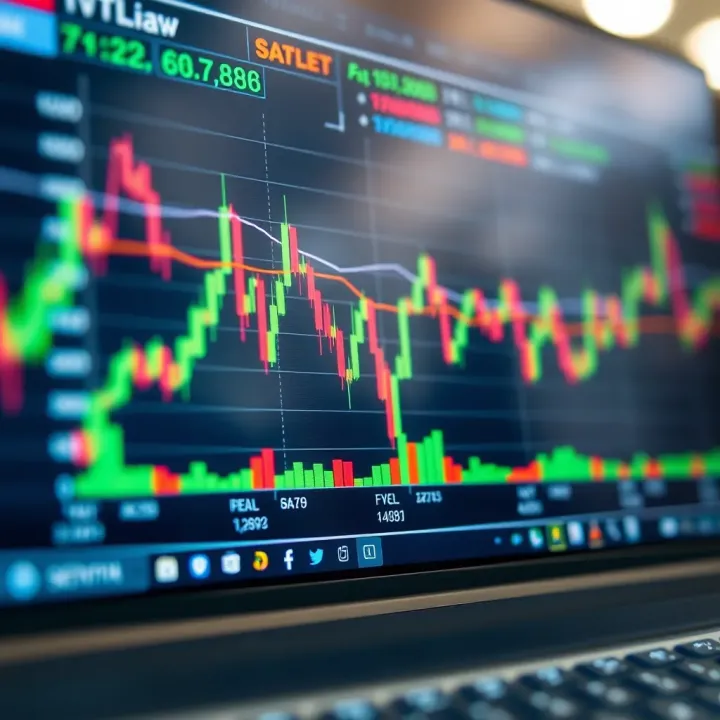
📈 New to forex trading in South Africa? Learn easy strategies, risk management, and tips to trade confidently and consistently in the forex market.
Based on 13 reviews