

Forex Trading in South Africa: Beginner's Guide
📈 Discover how to start forex trading in South Africa with our beginner-friendly guide. Learn market basics, regulations, and smart tips to trade confidently.
Edited By
James Whitmore
Forex trading offers an accessible way for South Africans to participate in global financial markets by buying and selling currencies. It operates 24 hours a day across major financial hubs worldwide, making it a dynamic market with hundreds of billions of rands exchanged daily. But it’s not just about betting on currency pairs – it involves understanding economic indicators, geopolitical developments, and local regulatory rules.
In South Africa, forex trading has gained traction with online platforms making access easy, though traders should be mindful of the risks involved. The market is volatile, requiring solid knowledge and a clear strategy to avoid losses.
South Africa’s Financial Sector Conduct Authority (FSCA) regulates forex trading, mandating brokers to comply with specific licensing and transparency rules. Trading through FSCA-compliant brokers ensures consumer protection and adherence to legal standards.
Before you dive in, it’s key to grasp core concepts like currency pairs (e.g., ZAR/USD), pips (smallest price movements), and leverage (trading with borrowed capital). For instance, trading ZAR/USD means you’re speculating on South African rand against the US dollar. Leverage can amplify gains but also losses, so use it carefully.
Beginners often start with demo accounts that mimic real trading using virtual funds. This lets you practice without risking actual money. When you’re ready, set clear limits on how much you’re willing to invest based on your financial position and risk tolerance.
Common challenges include unpredictable market moves tied to global events, heavy reliance on internet connectivity, and managing emotions during losses or profits – all exacerbated by South Africa’s periodic loadshedding interruptions. Accounting for these local factors in your plan helps avoid surprises.
To sum up, a solid start in forex trading relies on understanding the market mechanics, choosing a reputable FSCA-licensed broker, practising with virtual funds, and preparing for challenges unique to South Africa’s context. This foundation boosts your chances of trading confidently and safely as you build experience.
Grasping the basics of forex trading lays the foundation for anyone keen on stepping into this market, especially in South Africa where both local and global dynamics play significant roles. Understanding what forex is and how it operates helps traders make informed choices, manage risks better, and spot real opportunities without getting overwhelmed by jargon. It’s like learning the rules before playing the game.
Forex trading involves buying one currency while simultaneously selling another. These transactions happen in pairs; for example, the South African Rand against the US Dollar (ZAR/USD). Each currency pair shows how much one unit of the base currency is worth in terms of the quote currency. If you’re trading the EUR/ZAR pair, you’re essentially speculating on whether the euro strengthens or weakens against the Rand.
Unlike trading stocks, where you buy shares of a single company, forex always involves two currencies moving against each other. This makes it a unique market where gains don’t just come from the absolute value of one currency but from the relative movement between two currencies. For traders in South Africa, this means keeping an eye on both local economic developments and factors influencing partner countries' currencies.
The forex market runs around the clock, starting on Monday morning in Asia and closing late Friday in New York. This 24-hour cycle suits active traders who want flexibility over when to trade, but it also means prices can jump at any time depending on news or economic reports. For instance, an announcement by the South African Reserve Bank (SARB) about interest rates can ripple through currency pairs involving the Rand, impacting trades instantly.
Some currency pairs are more active and relevant for South African traders. The major pairs include ZAR/USD, ZAR/EUR, and ZAR/GBP since these link South Africa with key trading partners. Many traders also look at USD/EUR or USD/JPY to follow broader global trends. Liquidity tends to be higher on these major pairs, which means tighter spreads and easier trade execution.
Liquidity comes from various participants like banks, hedge funds, central banks, and retail traders. High liquidity means you can buy or sell without major price shifts, which is crucial for those trading with smaller accounts or during volatile times. For example, during Eskom’s loadshedding periods, local traders might find lower liquidity and wider spreads on Rand pairs. Recognising these patterns helps avoid unexpected costs and traps.
Knowing how the forex market works day-to-day and which currencies matter locally helps you make smarter trades with a practical understanding of the factors moving the market.
With these basics sorted, you’ll be better placed to explore trading platforms, brokers, and risk management techniques specific to the South African market.
Getting started with forex trading in South Africa involves several practical steps that are crucial for anyone serious about entering the market safely and effectively. This section guides you on selecting the right broker, setting up your trading account, and choosing the trading tools that suit your needs. Making informed choices here sets the foundation for a smoother trading experience.
The Financial Sector Conduct Authority (FSCA) plays an important role in the South African forex trading scene. Brokers regulated by the FSCA are obliged to adhere to certain standards designed to protect traders, such as transparent pricing and fair treatment. When you pick an FSCA-registered broker, you reduce the risk of falling victim to scams or unethical practices common with unregulated providers.
Beyond regulation, it’s wise to compare brokers based on services, trading fees, and platform reliability. Some brokers may offer low spreads but charge high withdrawal fees. Others might have excellent educational resources but limited currency pairs to trade. Make sure the platform suits your style — whether you prefer straightforward trading or more advanced charting tools. For instance, if you plan to trade frequently, the speed of order execution and platform stability become key factors to consider.
Before you can start trading, you'll need to provide identification documents that comply with South African regulations, such as a copy of your ID, proof of residence, and sometimes a bank statement. These requirements support anti-money laundering laws and help brokers verify your identity.
Funding your account in South African Rand (ZAR) is usually straightforward. Most FSCA-regulated brokers accept local bank transfers, allowing you to deposit funds without worrying about excessive currency conversion fees. Plus, funding in ZAR helps track your trading capital properly and avoid unexpected currency swings affecting your deposits and withdrawals.
Understanding leverage and margin is essential before placing trades. Leverage lets you control a larger position than your actual deposit by borrowing funds from the broker, which can magnify both profits and losses. For example, with 1:100 leverage, a R1,000 deposit controls R100,000 worth of currency. Use leverage cautiously; high leverage may seem tempting, but it increases the risk of losing more than your initial investment.
MetaTrader 4 (MT4) and MetaTrader 5 (MT5) are the most popular platforms among South African traders. MT4 is known for its simplicity and wide range of indicators, while MT5 offers more advanced features like extra timeframes and more in-built tools. Most brokers provide access to one or both platforms, so you can test these to see which suits your trading approach best.
Both platforms have desktop and mobile versions, so you can trade on the move via your cellphone or tablet, or in-depth analysis on a desktop. For example, the MT4 mobile app lets you monitor open positions quickly, while the desktop version offers detailed charting and order management.
Charts and indicators are central to making informed forex decisions. Understanding tools like moving averages, Relative Strength Index (RSI), and Bollinger Bands can help you identify trends, entry points, and possible reversals. For instance, a trader might use RSI to spot when a currency pair is overbought or oversold, signalling a potential price correction.
Starting with a reliable broker, properly set up accounts, and the right tools reduces many common stumbling blocks for new forex traders in South Africa. Each step you take carefully builds confidence and competence on your trading path.
Managing risks and developing trading strategies is vital to becoming a consistent forex trader, especially for beginners in South Africa. Without a plan, traders often make costly mistakes that eat into capital quickly. A clear strategy helps you know when to enter and exit trades, while risk management tools protect you from unexpected market swings. These two elements work together to keep your losses manageable and increase your chances of making steady profits.
Forex markets are famously volatile, meaning prices can change sharply in short periods. Leverage, which allows you to control a large position with a small deposit, magnifies both gains and losses. For example, with 100:1 leverage, a 1% price drop wipes out your initial investment. This is why many new traders get caught out—they take on too much leverage without appreciating how quickly losses can mount.
It’s easy to let emotions take the wheel during trading. Fear and greed can push you to hold losing positions too long or make impulsive trades just to recover losses. Overtrading, where you enter too many trades without proper analysis, often follows emotional decisions. This quickly drains accounts and can lead to burnout. Sticking to a predefined plan and taking regular breaks can keep emotions in check.
In South Africa, loadshedding poses a unique challenge for forex traders reliant on stable internet and power. Sudden power cuts might disrupt your access to trading platforms, causing missed opportunities or inability to close losing trades. It's wise to invest in a UPS (uninterruptible power supply) or a backup internet source, like a mobile hotspot, to stay connected during outages.
Stop-loss orders automatically close your trades once they hit a certain loss level, preventing heavy drawdowns. Similarly, take-profit orders lock in gains at a predetermined price. These orders take the guesswork out of exits, which is critical during volatile phases. For instance, setting a stop-loss at 2% below your entry price means you only risk that amount on the trade.
Knowing how much of your capital to risk per trade is key. A common rule is to risk no more than 1-2% of your trading account on any single position. So if you have R10,000 in your account, your maximum risk per trade would be R100–R200. This helps avoid large losses that could wipe out your entire account.
Don’t put all your eggs in one basket. Trading various currency pairs or even other assets like gold and indices can spread risk. If one market moves against you, others might still be profitable or stable. For example, during Rand weakness, trading a stable pair like EUR/USD alongside can reduce total portfolio risk.
Most traders use technical analysis—studying price charts and indicators—to identify possible entry and exit points. Tools like moving averages, RSI (Relative Strength Index), and support/resistance levels give clues about market direction. Beginners should start with a few simple indicators rather than flooding charts with complex ones.
Fundamental analysis looks at economic data and news that affect currency values. South African traders need to watch local developments such as SARB (South African Reserve Bank) interest rate changes, GDP reports, and political events, as these can sway ZAR pairs significantly.
Testing your strategies on a demo account with virtual money allows you to make mistakes without consequences. It builds confidence and helps refine your approach before using real money. When ready, transition gradually to a live account with smaller trades.
Consistency in risk management and strategy development is what separates hopeful beginners from successful forex traders. Taking the time to plan and protect your trades can save you from unnecessary losses and preserve your capital for the long haul.
Understanding the legal landscape is essential when trading forex in South Africa. Regulations ensure the trading environment remains fair, transparent, and protects traders from unscrupulous practices. For South African traders, navigating these rules helps avoid costly mistakes and legal headaches while enhancing trust in their trading activities.
The Financial Sector Conduct Authority (FSCA) supervises and regulates financial services providers, including forex brokers, operating in South Africa. Brokers must meet specific compliance requirements to be registered with the FSCA, such as maintaining sufficient capital reserves, submitting to regular audits, and adhering to fair trading and client protection standards. These safeguards aim to prevent fraud and unfair trading practices.
For traders, choosing an FSCA-regulated broker is vital. It means the broker is legally authorised to operate in South Africa and must adhere to consumer protection rules. For instance, FSCA-regulated brokers must separate client funds from their operating money, reducing the risk of losing your investment if the broker encounters financial trouble.
To verify whether a broker is FSCA-registered, visit the FSCA's official register published on their website. This list includes authorised entities and helps traders spot unregulated brokers who may not meet local standards. Avoid brokers not appearing on this list, as they often operate without oversight and can expose you to unnecessary risks.
Income from forex trading is taxable under South African law. Whether you profit from short-term trades or long-term positions, the South African Revenue Service (SARS) expects you to declare these earnings on your tax returns. Keeping clear records of transactions and profits is critical to meet SARS requirements and avoid penalties.
The way SARS taxes your forex income depends on whether you trade as an individual or through a registered business. Individual traders report forex profits under normal income, attracting tax based on their marginal rate. Businesses, however, might offset trading losses against other income and deduct trading-related expenses, affecting net taxable income differently.
If you trade frequently or at scale, registering as a business could offer tax advantages, such as claiming costs for trading software, internet usage, or educational courses. Still, it does add administrative work and compliance responsibilities, so it’s wise to consult a local tax professional to decide what suits your situation best.
Keeping up with FSCA and SARS regulations not only protects your capital and reputation but also helps you make informed decisions about which brokers and structures to use for your trading activities. Acting on clear legal ground reduces surprises and sets you up for smoother trading experiences.
Gaining access to the right resources and following practical tips is vital for any beginner keen on mastering forex trading. Trading isn't just about luck; it relies heavy on knowledge, experience, and steady practice. By tapping into useful materials and communities, you avoid costly mistakes and build confidence in navigating the volatile forex market.
For anyone starting out, well-chosen books and credible websites lay the foundation. Books like Currency Trading for Dummies and Forex Made Easy provide straightforward introductions that cover technical concepts, trading psychology, and market analysis without drowning you in jargon. Websites offering real-time data, news updates, and tutorials—such as BabyPips or Investopedia—add value by keeping you current with market trends and broadening your understanding.
Local South African traders can benefit from region-specific content from platforms like the FSCA or local brokerage blogs that discuss how global events impact the rand. This context helps in making decisions grounded in both global and domestic realities.
Joining active forex communities, whether online or in person, is one of the best ways to sharpen your skills. Local forums and WhatsApp groups offer a platform to exchange ideas, ask questions, and learn from experienced traders who understand the South African market intricacies, including loadshedding impacts or regulatory updates.
These networks often share tips on brokers, trading setups, and software tools. Engaging in discussions prevents isolation, which can often lead to rash decisions or missed opportunities. The moral support gained is just as vital in maintaining discipline and enthusiasm.
One big advantage beginners have today is practice accounts offered by most brokers. Using demo accounts lets you trade with virtual money, mimicking real market conditions without risking your savings. This hands-on learning approach helps you test strategies, understand market behaviour, and get familiar with trading software such as MetaTrader 4 and 5.
When you're comfortable, transitioning from demo to live trading should be cautious and well-planned. It’s wise to start with smaller amounts and gradually increase as you build competence. This reduces the shock of real money risks and helps manage emotional reactions under pressure.
Chasing losses is a trap many new traders fall into. Trying to recover losses quickly often leads to bigger risks and can wipe out your trading account. Instead, sticking to a clear plan and accepting small losses as part of the learning curve preserves capital.
Trading without a plan is equally dangerous. Without defined entry and exit points or risk management rules, you’re essentially gambling. A trading plan, even a simple one, ensures consistent decision-making and helps you stay disciplined.
Neglecting ongoing education often stalls progress. Forex markets change constantly with political events, economic data releases, and local factors like currency policy shifts. Staying updated through regular reading, attending seminars, or following trustworthy news prevents your strategies from growing stale.
Remember, trading skill builds step by step. Armed with the right resources and a steady approach, you can grow from a cautious beginner into a confident trader informed by both knowledge and practice.
📈 Discover how to start forex trading in South Africa with our beginner-friendly guide. Learn market basics, regulations, and smart tips to trade confidently.
🇿🇦 New to forex in South Africa? Get practical tips on market basics, choosing trustworthy brokers, and smart risk management to start trading confidently.
📈 New to forex trading in South Africa? Learn easy strategies, risk management, and tips to trade confidently and consistently in the forex market.
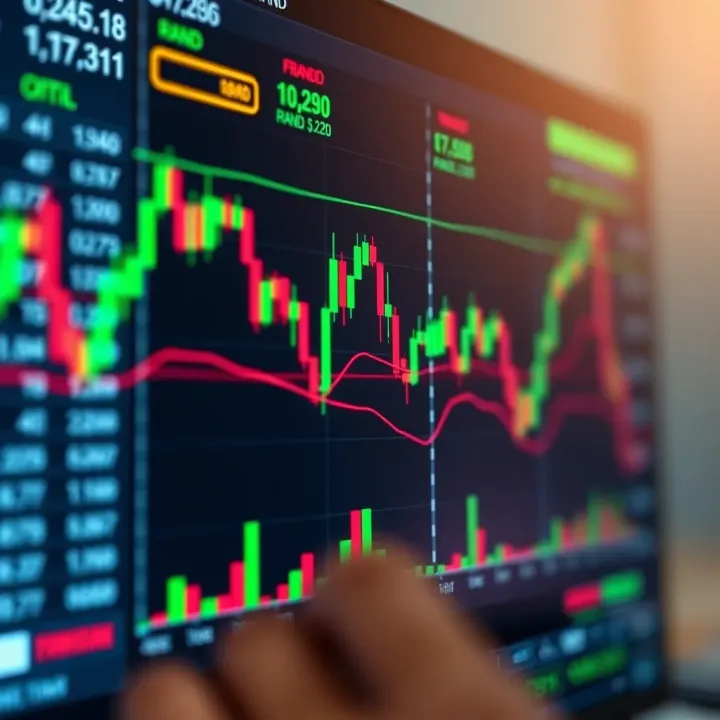
📈 Learn practical forex trading tips tailored for South African beginners. Understand brokers, currency pairs, risk management, and build a solid trading plan! 🇿🇦
Based on 12 reviews