

Forex Trading Strategies: Free PDF Guide for South Africa
📈 Discover practical forex trading strategies with free PDFs! Learn to choose and apply these methods in South Africa’s market for better trading results.
Edited By
Liam Foster
Forex trading has become a popular way for South Africans to engage in global financial markets from the comfort of their homes. For those new to trading or looking to sharpen their skills, forex trading courses in PDF format offer a flexible and accessible way to build foundational knowledge.
These PDF courses typically cover everything from basic forex concepts — like currency pairs, pips, and leverage — to advanced topics such as technical analysis and risk management. What makes PDFs especially attractive is their portability; you can study offline during Eskom loadshedding or when commuting in a taxi.

However, not all PDF courses are created equal. Reliable materials often come from established trading platforms, reputable financial educators, or banks offering investment products suited to South African traders. For example, a course from a well-known brokerage or a local financial education site can provide context about trading hours relevant to the JSE or insights into rand volatility.
When choosing a forex PDF course, look for clear explanations, up-to-date content reflecting current market conditions, and examples relevant to South African currency fluctuations.
Most PDFs break their content into well-organised chapters or sections, making it easy to track progress. Some include charts, practical exercises, and quiz questions to test your understanding, which can be crucial to turning theory into practice.
Studying forex through PDFs demands discipline, as there’s no instructor to guide you through complex topics. To get the most out of self-study:
Set a realistic timetable for daily or weekly study sessions
Practice with demo trading accounts alongside reading
Join online trading forums or local investment clubs to discuss concepts
The key benefit of PDF courses lies in their affordability and convenience, but they might lack the interactive feedback of live classes or tutorials. For South African traders juggling work and family, PDFs offer a no-fuss way to learn at your own pace before committing real capital.
In summary, forex trading courses in PDF format can serve as a solid starting point if you select trustworthy sources and approach learning with a clear plan. They provide practical tools to understand market dynamics and give you the confidence needed to explore more advanced trading strategies.
A forex trading course in PDF format generally provides a well-structured foundation for anyone wanting to understand the nuts and bolts of forex markets. Given that forex trading involves a combination of analysing currency movements, market behaviour, and risk, these PDFs aim to break down complex concepts into manageable chunks. They’re especially useful for self-paced learning where you can revisit tricky sections anytime without being tied to internet access.
Understanding currency pairs is the very first step in forex trading, and PDFs usually clarify this in simple terms. For example, the USD/ZAR pair represents how many South African Rand one US Dollar can buy. Beyond just pairs, traders need to grasp terms like 'pips', 'lots', 'spread', and 'leverage' since they form the daily language of forex markets. When these basics are covered clearly, learners can avoid confusion that often causes beginners to make mistakes.
Most courses include charts, indicators, and patterns that traders use to predict price movements. For instance, learners come across concepts such as moving averages and support and resistance levels. These tools help understand trends, entry and exit points, which are vital for timing trades. Real-world examples, like analysing the EUR/USD chart during a specific period, allow learners to see how technical analysis plays out in practice.
Fundamental analysis looks at economic factors that impact currency value, like interest rates, inflation, or political stability. A South African trader, for example, might keep an eye on SARB’s repo rate changes or employment data releases to anticipate Rand fluctuations. PDF courses explain how global economic news affects forex, helping learners connect these dots rather than rely solely on charts.
No trading guide would be complete without strategies to protect capital. PDFs often detail concepts like setting stop-loss orders, managing position sizes, or using the 1-2% risk rule per trade. Knowing how to control losses is crucial because even well-researched trades can go south. Effective money management keeps your account afloat during rough patches.
Many PDFs include quizzes or scenario-based exercises to reinforce learning. These help check your understanding before real trading. For example, a quiz might ask to identify a bullish candlestick pattern or calculate pip value, giving you practical skills that go beyond theory.
Forex jargon can overwhelm newcomers, so including a glossary means you have a handy reference for any unfamiliar terms. Having quick access to definitions lets readers clarify doubts immediately without Googling multiple times, making study sessions smoother.
Some training PDFs offer template trading plans or strategy examples to mirror. These demonstrate how to combine analysis techniques with risk management into a daily routine. For instance, a sample plan could show how to start the day by reviewing economic calendars, setting targets, and defining stop losses. Such blueprints guide learners on shaping their personalised approach rather than flying blind.
Starting with a detailed forex trading course PDF ensures you build a solid grasp on core principles, critical terms, and practical methods before risking real money. It’s the groundwork every trader needs, especially when navigating volatile conditions like those in the South African Rand market.
By focusing on these crucial contents, you’re better equipped to trade knowledgeably and avoid common pitfalls that many self-taught traders face. PDFs offer a handy, accessible way to gain this essential understanding at your own pace and convenience.

Learning forex trading through PDF courses comes with practical perks and certain limits that traders should weigh carefully. PDFs offer a no-frills, accessible way to acquire foundational knowledge, especially suited for those balancing busy schedules or limited internet connectivity. Still, the format’s limitations in engagement and content freshness mean learners need to be cautious and consider supplementing PDFs with other resources.
One of the main draws of PDF courses is the ability to learn at your own pace. Many South African traders juggle day jobs, family, and other commitments, making fixed class times impractical. A PDF lets you pause, re-read, or skip sections as needed, making it great for those starting out who want to build understanding steadily without pressure.
For example, if you’re tuning in after a long day at work, you can read about technical analysis at midnight and revisit it the next day without worrying about missing live lessons.
In many parts of South Africa, internet availability remains patchy or costly. PDFs downloaded beforehand can be accessed anytime without needing data or Wi-Fi. This offline convenience proves handy during Eskom loadshedding, when online resources are not reliably available.
Imagine sitting at a coffee shop in Durban where Wi-Fi is touch and go—you can still flick through your forex course PDF and practise charts without a hassle, saving both data and frustration.
Compared to face-to-face training sessions or webinars, PDF courses often come at a fraction of the cost, sometimes even free. This makes forex learning more accessible for beginners who may not want to commit large sums upfront.
Unlike in-person classes, which can run into the thousands of rands once venue, materials, and trainer fees are factored, PDFs provide a low-cost way to get started without burning a hole in your wallet.
PDFs are static documents. They rarely include interactive elements like live Q&A, real-time feedback, or personalised coaching. For traders unfamiliar with forex lingo or concepts, this can mean struggling quietly without guidance.
Say you don't quite grasp the intricacies of risk management after reading a chapter; a PDF won't clarify or adjust to your knowledge gaps like a tutor or interactive platform might.
Forex markets evolve quickly, and strategies or regulatory details can change. Some PDF courses aren’t updated regularly, which can leave you learning from outdated examples, tools or even incorrect information.
For instance, a PDF published pre-2020 might miss shifts brought on by changes in South African tax laws affecting trading profits or new broker regulations.
Certain forex topics — like advanced charting patterns, algorithmic trading basics, or the impact of geopolitical events — can be tough to decipher alone through text.
Without a teacher or peer discussion, these topics might seem overwhelming or confusing, leading to errors when applying them in real trades.
Learning forex from PDFs offers clear benefits, especially in affordability and flexibility, but it demands discipline and sometimes additional tools or guidance to fill knowledge gaps effectively.
Balancing these pros and cons is key. Many successful traders start with PDFs then build on that foundation with interactive courses, demo accounts, or forums to deepen their trading skills.
Choosing the right forex trading course in PDF format is essential to build solid foundations and sharpen your trading skills. With so many options out there, filtering for quality can be a challenge. Knowing what to look for helps you avoid wasting time on content that’s either outdated or too generic, especially when you need practical insights tailored to the South African market.
A good starting point is to check the background of the author or trainer behind the course. Experienced forex traders who have navigated both volatile markets and stable trends tend to offer more practical and insightful teaching. Look for credentials such as years spent trading actively, professional qualifications related to finance, or involvement with reputable organisations like the JSE or FSCA. For example, a course by a trader with 10+ years in forex markets and familiarity with Rand-based trading pairs is likely more relevant than one by a marketing expert with no direct trading experience.
User feedback matters a great deal. Reviews can reveal whether the course content is clear, up-to-date, and effective in helping traders progress from beginner to intermediate levels. Pay attention to testimonials that describe concrete improvements in trading, such as better risk management or understanding of local market conditions. Also, watch out for fake or overly generic praise—authentic reviews often mention specific lessons or support services that stood out.
Forex trading in South Africa carries unique aspects worth noting. A reliable course should address local factors like Rand volatility, the impact of Eskom loadshedding on markets, tax policies, and the regulatory environment under the FSCA. Without this, you might learn theoretical strategies that clash with real trading conditions. For instance, timing trades around key domestic events or understanding how global news affects the Rand can provide an edge.
Forex markets are dynamic, shaped by shifting economic indicators, geopolitical developments, and regulatory changes. A course that hasn’t been updated in several years risks giving outdated advice. Always check when the PDF was last revised, especially if it covers topics like trading platforms, brokers, or tax rules. New regulations or platform features in South Africa can make a big difference, so you want learning materials that reflect today’s realities.
Taking time to verify who created the course and how relevant the content is prepares you to trade smarter and avoid costly mistakes. The right PDF can be a solid stepping stone—only if it’s credible and tailored to your trading context.
Studying forex trading through PDFs can provide a solid foundation, but it becomes truly valuable when you tailor that knowledge to South Africa's unique market conditions. Local economic factors, regulatory frameworks, and the volatility of the South African Rand (ZAR) all influence trading strategies. Understanding these elements helps traders turn theory into profitable practice.
One practical way to apply what you’ve learned from forex trading PDFs is by opening a demo account with a South African broker. Demo accounts simulate real trading environments without the risk of losing capital, allowing you to test strategies and get comfortable with trading platforms like those from IG, Standard Bank, or HotForex SA. For instance, a demo account lets you practise trading the USD/ZAR currency pair, which reflects the dynamic fluctuations of the Rand against the dollar.
Starting with a relatable local broker is handy because it exposes you to factors directly impacting your trades, such as local market hours, spreads, and broker-specific tools. Plus, most South African brokers provide customer support that understands local traders’ needs, which is a bonus when you hit a roadblock.
After getting hands-on practice, it’s key to set achievable goals. This means deciding on how much capital you want to risk, what returns are reasonable, and how much time daily or weekly you can dedicate to trading. Forex traders in South Africa often face loadshedding interruptions or fluctuating internet reliability, so your plan should factor in those realities.
A concrete trading plan includes entry and exit rules, risk thresholds (like only risking 1% of your capital per trade), and clear strategies for different market conditions. Without a plan, many traders fall into the trap of chasing quick wins and end up with losses. Aim for steady growth and continuous learning.
The South African Rand is notoriously volatile, influenced by global commodity prices, political events, and international markets. For example, a sudden shift in gold prices or an unexpected policy announcement can trigger sharp Rand moves. When applying your forex knowledge, consider the broader context: it’s not just technical patterns but geopolitical and economic news that drive the Rand.
Successful traders keep an eye on factors like US Federal Reserve rate decisions, China’s economic health (an important trading partner), and local news cycles. Being aware of these can guide your decision when to enter or exit trades on pairs such as ZAR/EUR or ZAR/USD. Technical analysis from PDFs is important, but combining it with macroeconomic awareness brings better results.
Forex trading in South Africa isn’t free from legal and tax responsibilities. It’s essential to declare your profits to SARS (South African Revenue Service) as part of your annual tax return. Profits from forex trading generally fall under income tax and may be subject to capital gains tax depending on how you trade.
Moreover, ensure you trade through brokers compliant with South African law, preferably those regulated by the Financial Sector Conduct Authority (FSCA). Using an unregulated broker can expose you to risk or complications down the line. Staying informed about your tax and legal obligations lets you focus on trading with peace of mind rather than unexpected headaches.
Tackling forex with a local perspective — from demo accounts to understanding ZAR swings and legal rules — helps you transform textbook knowledge into real money-making ability.
Relying solely on PDFs for learning forex trading can leave gaps, especially with complex topics that benefit from interactive or practical experience. Supplementing your PDF learning with other tools adds depth to your understanding and feeds different learning styles. This mix helps traders in South Africa adapt better and trade more confidently.
Accessing video walkthroughs and live sessions gives you a chance to see how strategies play out in real time. For example, many brokers and educators like IG or ForexTime offer webinars where they analyse current market trends or demonstrate trading platforms. Watching these sessions alongside your PDF materials helps clarify difficult parts like chart interpretation or economic indicators. Plus, live webinars let you ask questions and get instant feedback, something a static PDF can’t provide.
Participating in trading forums and communities creates an interactive learning environment where you can share experiences and pick up tips from more seasoned traders. South African platforms or global communities such as Forex Factory or Trade2Win allow you to discuss specific strategies or news events affecting the Rand. Engaging in these spaces exposes you to diverse viewpoints which is vital given how the forex market reacts to global and local forces. Also, these forums often point out course updates or new tools worth exploring.
Building confidence without risking real capital is a key step for any beginner or even intermediate trader. Demo accounts mimic live markets with fake money, letting you test what you’ve learned from PDFs and tutorials in a risk-free setting. For instance, FNB’s or Standard Bank’s partnered brokers usually provide these accounts, allowing you to place trades based on real market data without losing a cent. This hands-on trial helps solidify your understanding and reduce anxiety once you start trading with actual money.
Tracking progress and adjusting strategies is easier when you can review your trading history in demo accounts. These accounts show performance stats, winning or losing streaks, and the effect of your risk management. You can then tweak your plans based on concrete outcomes rather than assumptions. This ongoing process—from paper trading to real trades—makes your learning journey grounded and practical, ultimately increasing your chances of success in the tough forex environment.
Combining PDF courses with interactive tools like webinars and demo accounts bridges the gap between theory and real-world trading, helping you become a skilled and self-reliant forex trader over time.
Supplementing PDF learning with these additional resources ensures you’re not simply reading about forex but actively engaging with it. That’s how you build smart, effective trading habits suited to South Africa’s unique market conditions.
📈 Discover practical forex trading strategies with free PDFs! Learn to choose and apply these methods in South Africa’s market for better trading results.

📈 Master forex trading with our detailed guide, featuring PDF tutorials on strategies, risk management & tips—perfect for South African traders ready to improve skills!
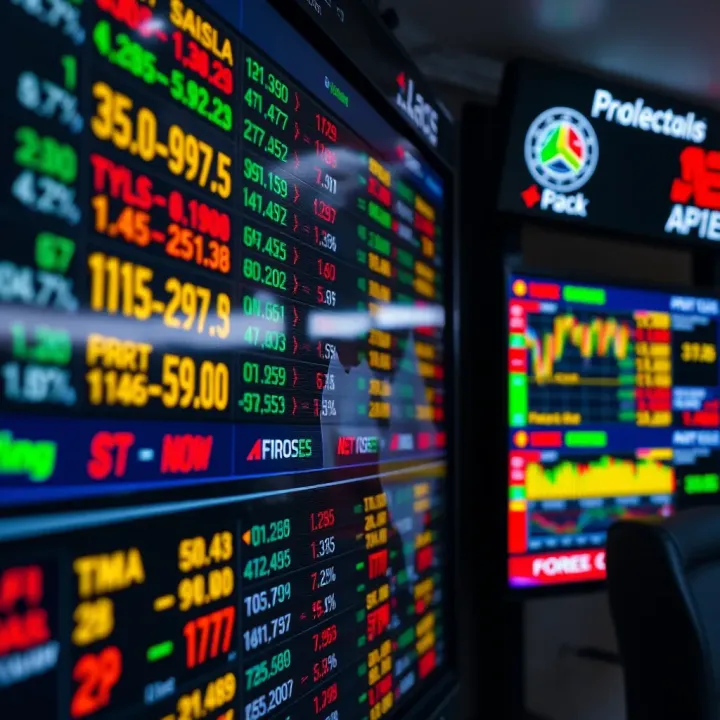
📈 Learn the essentials of forex trading in South Africa. Explore currencies, brokers, strategies, leverage & risk management for confident trading.

Learn forex trading for free with top courses covering markets, strategies, and risk management. Perfect for South African beginners! 📈💡🌍
Based on 8 reviews