
Forex Trading Tutorials for South African Traders
📈 Learn practical forex trading tutorials tailored for South African traders! Master key concepts, strategies, and risk management for better trades.
Edited By
Alexander Price
Automated forex trading, using robots, has become quite popular among South African traders. These trading bots operate by executing trades based on algorithms designed to identify market patterns and signals.
What sets forex trading robots apart is their ability to trade 24/7 without emotion or fatigue—a clear advantage given the round-the-clock nature of global currency markets. However, their performance varies significantly depending on the system’s sophistication and the market conditions it’s tested against.
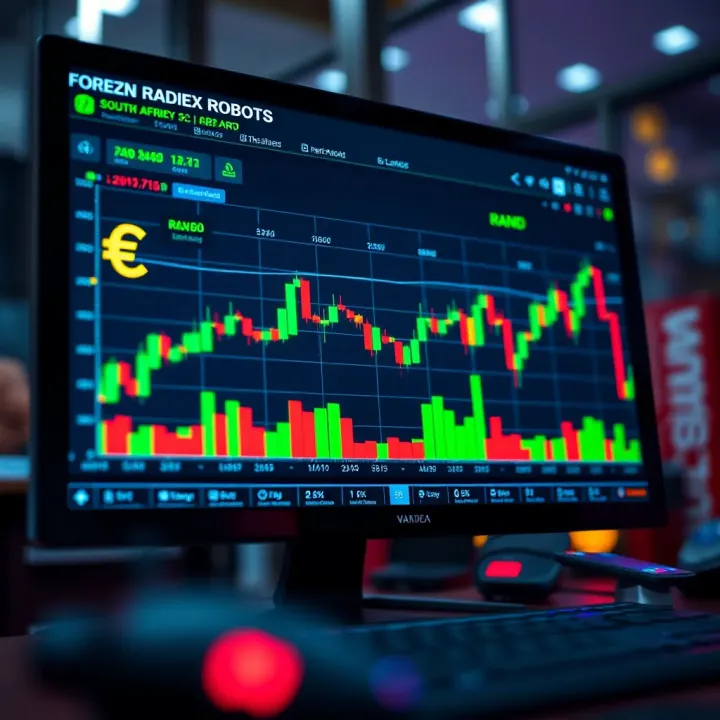
When considering a forex trading robot, South African traders should weigh several key points:
Compatibility with local brokers: Not all robots work seamlessly with South African-registered brokers or those permitting trading in rand (ZAR).
Market adaptation: Forex robots built solely on historical data from volatile markets like the USD/EUR pair may struggle when applied to emerging market pairs such as ZAR/USD.
Risk management settings: Effective robots allow users to set stop-loss limits and control trade sizes, which is vital in managing South African traders’ exposure.
Costs and fees: Robots often require a subscription or a one-off payment, plus possible broker commissions; factor in RBPs accordingly.
Transparency and backtesting records: Credible robots provide verifiable historical performance data and user reviews.
Keep in mind, a forex robot isn’t a silver bullet. Beneath the promise of effortless profits lies the reality that market volatility, especially during local economic events like SARB announcements or unexpected loadshedding, can throw automated strategies off balance.
Before adopting any system, South African traders should start with demo accounts and keep tabs on their bot’s behaviour through real-time monitoring.
In the sections that follow, we’ll explore how these trading robots actually function, review some popular options available locally, and highlight the pitfalls every trader should watch for to make smart, informed decisions.
Gaining a solid grasp of forex trading robots is essential for any trader, especially in South Africa where market conditions and broker options vary widely. These automated tools can save time and process market data much faster than a human, but understanding how they tick helps you avoid common pitfalls and tailor your approach.
Forex trading robots are software programs designed to automatically execute trades within the foreign exchange market. Instead of relying on gut feeling or manual signals, these systems follow pre-set algorithms to enter and exit trades. This hands-off strategy can benefit traders who want more discipline and speed in their trading, particularly when they juggle other responsibilities or prefer automation.
Once connected to a trader’s platform, the robot monitors market data in real-time and uses its coded strategy to decide when to buy or sell currency pairs. For example, a robot might spot a favourable trend developing in the USD/ZAR pair and open a trade within milliseconds. This execution speed is something manual trading can rarely match, especially when reacting to sudden events like a SARB interest rate announcement.
At the heart of every forex robot lies an algorithm — a set of rules based on technical indicators or statistical models. These algorithms analyse past and current price action to identify potential trade opportunities. For a South African trader using MetaTrader 4 or 5, the robot’s algorithm might be programmed to trigger trades when the moving averages cross or when the RSI (Relative Strength Index) indicates oversold conditions.
Indicators serve as the robot’s eyes and ears in the market. They help interpret raw price data into actionable signals. For instance, a robot can use the MACD (Moving Average Convergence Divergence) indicator to detect momentum shifts or use Bollinger Bands to spot volatility squeeze patterns. These signals help the robot decide not just when to enter, but also when to exit trades, minimising losses where possible.
Forex robots typically operate as Expert Advisors (EAs) on popular trading platforms like MetaTrader, which is broadly supported by South African brokers such as IG Markets SA and HotForex SA. The platform acts as the interface between the robot and the market, relaying trade execution commands while providing data for analysis. This integration is crucial because the robot can only function effectively if it has uninterrupted access to live market prices and an efficient mechanism to place orders.
Understanding these basics prevents you from blindly trusting any trading robot. It equips you to evaluate how a particular robot fits your goals and how to monitor its activity, especially during volatile periods or loadshedding interruptions.
By grasping what forex trading robots are, how they execute trades, and how they rely on indicators and platforms, South African traders can better judge which tools align with their trading style and risk appetite.
When picking a forex trading robot, it’s vital to get a good grip on their features. These elements directly influence how well a robot performs in different market conditions and how suited it is to your trading approach. For South African traders, understanding these factors boosts your chances of making smarter, more grounded investment decisions, especially considering the rand’s volatility and local market quirks.
Trend following is a straightforward strategy many forex bots adopt. It works by identifying a clear price movement direction—up or down—and riding that wave until a reversal signals an exit. For instance, a robot might buy the USD/ZAR pair when it detects a steady upward trend, exiting when momentum fades. This method suits traders who prefer holding positions longer and are comfortable with gradual but steady gains.
Scalping is almost the opposite: it capitalises on tiny price changes by opening and closing trades quickly. Robots using scalping might hold positions for just minutes or even seconds, aiming for small profits on frequent trades. In the South African context, scalping can be tricky due to broker spreads and local market liquidity but, when done well, it’s a way to accumulate gains without exposure to prolonged market swings.
Grid trading builds a series of buy and sell orders at set intervals around a base price, profiting as the price moves up and down within a range. Imagine a robot placing orders every 0.10 ZAR in a sideways USD/ZAR market. This can be handy when the market is choppy but lacks a clear trend, though it requires diligent monitoring since big trends can overwhelm the grid.

Adjusting risk levels is a must. Not all traders have the same appetite for risk; some might be comfortable with larger position sizes or wider stop losses, while others need stricter limits. Good forex robots let you tweak your exposure, so you don’t end up betting the farm on one go. For example, you can adjust the maximum drawdown level to cap potential losses.
Setting trade parameters plays into this too. Being able to decide on elements like trade size, maximum open positions, and take-profit targets means you can align the robot’s behaviour with your personal goals. For South African traders, this flexibility is key, especially when factoring in local volatility and spreads which might not be reflected in robots originally designed for other markets.
MetaTrader integration remains the standard for many forex robots. Both MetaTrader 4 and MetaTrader 5 support expert advisors (EAs), which are the automated scripts robots use. Using a robot that works seamlessly with MetaTrader is convenient since the platform is widely supported and stable.
On the broker front, it’s wise to verify if the robot is compatible with local South African brokers such as IG, Plus500, or HotForex. Local brokers may offer better rand-denominated accounts or cater to South African regulations, making your trading experience smoother and more compliant. For instance, a robot optimised for MetaTrader might not perform as expected if your broker has unique execution policies or differing spreads.
When choosing a forex robot, the devil is in the details. Strategy type, customisation options, and broker compatibility all affect your trading success. Don’t just chase flashy results; spend time understanding these features to pick a robot that suits your style and the local trading environment.
For South African traders looking to make the most of automated trading, knowing which forex robots perform reliably is key. Not every robot that claims success delivers under local market conditions, especially when the focus is on rand currency pairs. This section explores popular robots, their pricing, and the feedback from local users to help traders spot the ones worth considering.
Reliable forex robots tend to follow consistent strategies tested over varied market conditions. For example, a robot that uses trend-following algorithms combined with risk management settings allows smoother trade execution. Such systems often report steady, if not spectacular, returns with controlled drawdowns. In South Africa, traders appreciate bots that can adapt as market sentiment shifts rather than blindly following rigid formulas. This means features like adjustable stop-loss levels and built-in volatility filtering can make a big difference.
Bots like Forex Fury and GPS Forex Robot have earned a reputation for such adaptability. Their track records show months of consistent gains rather than just a few isolated spikes in profits. However, reliable results require proper setup and ongoing monitoring—traders shouldn't expect the robot to do everything without oversight.
A robot's ability to trade rand pairs effectively is particularly important here. Currency pairs like USD/ZAR or EUR/ZAR exhibit different volatility and spreads compared to majors like EUR/USD. Some robots optimised primarily for European or US markets struggle with wider spreads and sudden moves common in rand pairs.
South African traders benefit from selecting robots explicitly tested on USD/ZAR and ZAR-related pairs. Local broker support is also crucial since slippage and execution speed vary. For instance, robots that work well with brokers like IG or FXTM South Africa tend to offer better performance than those designed only for offshore platforms, where latency can hurt results.
While there are free forex robots available, they generally come with limitations such as restricted features, outdated strategies, or lower performance. Many free options act as a taste-test version to lure users into paid subscriptions. For active rand trading, free bots often lack the fine control or reliability required to navigate volatile local market conditions.
Paid robots, on the other hand, usually include ongoing updates, customer support, and customisation options. These factors are vital for adapting to shifting market behaviour and broker conditions found in South Africa. That said, being cautious about upfront promises and fees remains necessary, especially since some paid bots overpromise results which they rarely deliver.
Paid forex robots in South Africa typically range from around R1,000 for a basic licence to upwards of R7,000 or more for premium versions with extra features. Subscription models vary—some require a one-time purchase, while others work on monthly or annual fees. For example, a robot charging R350 monthly might be affordable for serious traders but could add up over time.
It's worth comparing what each package offers: does it include updates, backtesting tools, or multi-account support? Also, consider brokers’ commissions and spreads that add to overall trading costs. Sometimes a slightly more expensive robot with better results delivers superior value over time.
Reviews from fellow South African forex traders provide practical insights beyond marketing claims. Platforms like MyBroadband or local Facebook trading groups often share honest experiences about which robots cope well with rand pairs and South African brokers.
Traders typically highlight how well the robot's strategies hold up during Eskom loadshedding periods or amid unexpected rand volatility. Feedback also covers customer service responsiveness and ease of setup, which matter for those less tech-savvy. Reading through these testimonials can save newcomers from costly mistakes.
Trading forums such as Forex Factory and local social media communities offer real-time discussions and warnings about shady or underperforming bots. These channels tend to expose scams quickly, helping traders steer clear of dodgy offers.
Moreover, some South African traders share strategy tweaks and settings that improve robot efficiency under local conditions. Engaging with such communities can provide ongoing support and sharpen a trader’s understanding of how to get the best out of their chosen forex robot.
“No robot trades perfectly on its own, but knowing what has worked for others in the local market is a step in the right direction.”
By carefully reviewing a forex robot's reliability, costs, and local user feedback, South African traders can make smarter choices that suit their trading goals and budget.
Trading with forex robots offers convenience but also comes with notable risks South African traders should keep in mind. Knowing these pitfalls helps avoid costly mistakes and encourages realistic expectations about potential returns. Instead of seeing robots as a guaranteed money-maker, you should treat them as tools that need careful management and understanding.
Overfitting and past-performance bias happen when a trading robot is too closely tailored to historical data. For example, a robot might show excellent results in backtests because it fits previous market conditions perfectly but fails when faced with new, unexpected changes. A South African trader might buy a robot optimised on USD/ZAR price patterns that simply won't hold when global events shift volatility unpredictably.
Market volatility impact is another crucial factor. Forex markets can swing wildly due to news or economic changes. Robots designed for steady trends struggle during sudden moves like during an Eskom load shedding announcement disrupting economic activity or major political events. This can cause unexpected losses because the robot’s algorithms may not react well to such chaotic environments.
False promises in marketing are sadly common. Some sellers paint unrealistic pictures of easy wealth with no effort or risk. You'll come across claims like "guaranteed 500% returns" or "zero risk automated trading", which simply aren’t credible. Such hype tricks many South African traders into spending thousands of rands on unreliable software. Always approach new robots with cautious scepticism and look for verified track records.
Robot dependency risks arise when traders rely blindly on automation. Some might set a robot loose and then forget about it, which can lead to missed warning signs or compounding mistakes. For example, a robot could begin to perform poorly after local market conditions shift, but you may not notice without regular checks. Over time, this can drain trading capital quickly.
Knowing when manual oversight is needed is key. Effective trading with robots means monitoring performance and stepping in when market conditions change. If you spot erratic results or unusual trade patterns, it pays to pause the robot, review strategy settings, or even switch to manual trading temporarily. Experienced South African traders often combine automated calls with manual input during volatile periods like the National Budget speech or post-matric season market shifts.
Smart trading with forex robots depends on maintaining balance — automation saves time, but human vigilance protects your capital from unexpected shifts.
In summary, while forex robots offer a practical edge, approaching them with clear knowledge of their risks and limits will help South African traders avoid common traps and trade more confidently.
Picking a forex trading robot that suits your trading style isn’t just a nice-to-have — it’s key to getting the best out of automation in the rand market. Every trader comes with unique goals, risk appetite, and strategies that shape how a robot should behave. Using a robot that doesn’t fit your approach can lead to unwanted losses or missed opportunities, so tailoring your choice matters.
Your trading goals define the kind of robot you should use. For example, if you’re aiming for steady, long-term growth, a robot based on trend-following strategies that ride out market fluctuations might be your best bet. On the other hand, if you prefer quicker gains—even if that means higher risk—robots programmed for scalping or grid trading might suit you better. Knowing what you want helps narrow down your options to those that align with your preferred market moves.
Understanding how much risk you’re willing to take plays a big role. Forex robots can often be adjusted for risk levels, but some strategies inherently carry more danger. For instance, scalping strategies usually involve more frequent trades and can be hit badly during volatile Eskom-driven rand swings. Keeping your risk appetite in mind helps you avoid robots that expose you to stress or bigger losses than you're comfortable with. Remember, the wrong fit can leave you chasing losses or second-guessing your system.
Before committing real money, running a robot through backtesting allows you to see how it would have performed historically on rand pairs or other currencies relevant to South African traders. This reveals whether the strategy works well in certain market conditions or during Eskom load-shedding jitters impacting liquidity. Backtesting doesn’t guarantee future success, but it’s a solid step to avoid choosing a robot blind.
After backtesting, most platforms like MetaTrader offer demo accounts where you can test robots in a live-like environment without risking your cash. Demo trading helps you see how a robot handles real-time price moves and slippage common in rand pairs. Just don’t fall into the trap of trusting demo results blindly since real accounts often face higher spreads and execution delays—especially relevant on local brokers. Demo use should complement backtesting with ongoing observation.
A robot shouldn’t be your entire plan. Mixing automated trades with manual decisions keeps you in control when market conditions get tricky. For instance, during unexpected rand volatility or South African Reserve Bank (SARB) announcements, you might want to pause or override your robot to avoid losses. This balance means you harness technology’s speed but keep human judgement in play.
Forex robots need regular attention. Market conditions shift, brokers change spreads, and your goals might evolve. Setting a routine—weekly or monthly reviews of robot performance—helps you adjust parameters or switch strategies before minor issues snowball. Skipping this can see robots run unchecked, chipping away at your investment silently.
Choosing the right forex robot requires knowing yourself first—your goals, your risk appetite, and your willingness to manage automation wisely. Getting this balance right can make all the difference in rand trading success.
This approach ensures your forex trading robot supports your style and helps you trade with confidence, not guesswork.
📈 Learn practical forex trading tutorials tailored for South African traders! Master key concepts, strategies, and risk management for better trades.
Learn how forex trading signals 📉 guide South African traders with timely market insights, trade ideas, and tips for choosing reliable providers wisely.
Explore top forex trading software in South Africa 📈: features, automation, risk management & tips to pick the best tools for smarter trading decisions.
💹 Join forex seminars designed for South African traders! Get hands-on market insights, targeted strategies, and networking tips to boost your trading skills.
Based on 5 reviews