
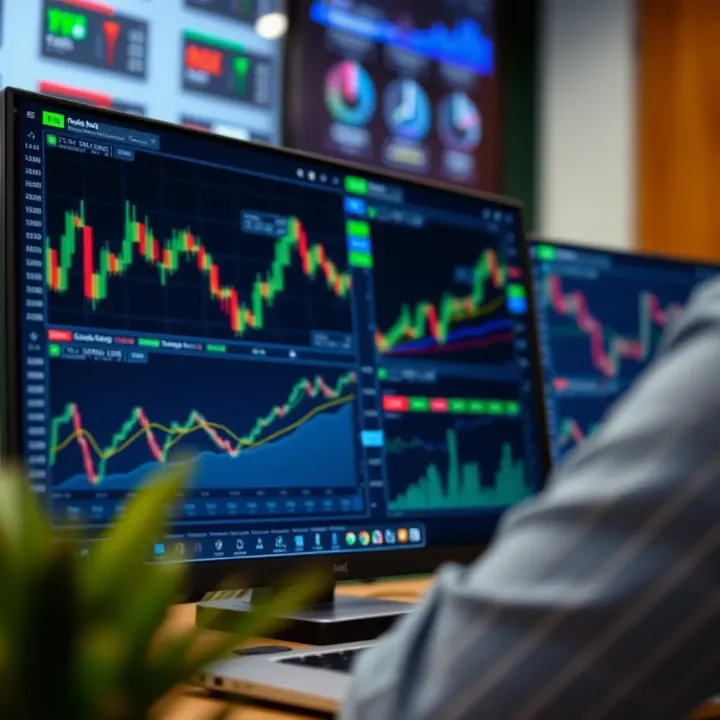
Forex Trading Training in South Africa: A Complete Guide
📈 Master forex trading in South Africa with our detailed training guide. Learn key strategies, risk management, and essential tools to trade confidently.
Edited By
Isabella Morgan
Forex trading has steadily grown in popularity in South Africa, with more individuals looking to tap into the global currency markets for profit. Understanding the ins and outs of forex trading isn’t a walk in the park—it involves grasping complex concepts, navigating market fluctuations, and complying with local laws. This guide shines a light on how South African traders can get started with forex trading training that suits their needs.
Whether you’re a fresh face just learning the ropes or someone with some experience looking to sharpen skills, knowing where to find solid training is key. This article breaks down what you should look for in training programs, the regulatory framework you must follow, and tips to avoid common pitfalls in the South African forex scene.
By the end, you should have a clearer picture of how to select the right courses and resources, understand the local market landscape, and take practical steps toward becoming a more confident, successful trader.
Getting the basics down and understanding South Africa’s trading environment can save you headaches and money down the line. Let’s make sure you start off on the right foot.
Forex trading in South Africa has grown from a niche interest to a widely pursued activity, attracting a diverse range of traders. Understanding the foundations of forex trading locally is essential, especially for newcomers seeking to make informed decisions. This section lays out the basics and points to practical benefits for South African traders, such as potential profit avenues and diversification of investment portfolios.
While global forex trading can be abstract and complex, the local context introduces specific nuances like the influence of the rand (ZAR) and regional economic factors. For instance, a South African trader paying attention to domestic economic data, such as interest rate decisions by the South African Reserve Bank, can gain a leg up in the market.
Overall, starting here helps set realistic expectations and builds a solid base for further learning and trading practice.
At its core, forex trading is about exchanging one currency for another with the aim to profit from fluctuations in exchange rates. Unlike buying goods, this is purely about price movements between currencies. For example, if you believe the U.S. dollar will strengthen against the rand, you could buy USD/ZAR hoping to sell later at a higher rate.
The forex market is unique because it operates 24/5, making it accessible beyond typical stock market hours. This flexibility suits South African traders who may want to trade at times convenient to their schedules. Practical applications include hedging against currency risk, speculating for profit, or facilitating international trade.
Globally, forex trading is decentralized with transactions happening over the counter through electronic networks. The major hubs for forex are cities like London, New York, Tokyo, and Sydney. South African forex traders connect to these global networks, usually through local and international brokers, enabling access to worldwide currency pairs.
Locally, the rand plays a significant role. Its volatility, affected by factors like commodity prices or political shifts, creates unique trading opportunities and risks. Moreover, local regulations by the Financial Sector Conduct Authority (FSCA) shape how and where South Africans can trade securely, fostering better market integrity.
Understanding these operational layers is key; it helps traders navigate timing, liquidity, and regulatory considerations effectively.
One big pull is the potential for high liquidity—because forex is the largest financial market globally, it offers the chance to enter and exit trades quickly without much slippage. Additionally, forex trading doesn’t require large capital upfront; South Africans can start with modest amounts thanks to leverage tools offered by brokers.
Forex trading also isn’t limited by geography. A trader in Johannesburg can access the same currency pairs as one in London. This global connectivity alongside the availability of various trading platforms like MetaTrader 4 and 5 makes forex accessible and convenient.
Additionally, forex’s 24-hour market means flexibility. Many South Africans trade in the evenings or early mornings around their day jobs.
South Africans often are drawn by the chance to build an extra income stream, hedge against a weakening rand, or simply take advantage of the economic volatility common in emerging markets. In some cases, forex trading offers a sense of control and self-sufficiency in financial management.
Some traders are motivated by stories of success and the possibility to scale business independent of traditional employment. Others find the learning curve and analytical challenge engaging, treating forex as a skill to master.
"Forex trading appeals not just by the potential financial gains, but also by the opportunity for personal growth and strategic thinking." - Local experienced trader
In summary, this first section equips South African traders with an understanding of what forex trading entails and why it might suit their financial and personal goals. This groundwork is vital before diving deeper into market specifics and training opportunities.
Grasping the local forex market is a cornerstone for anyone serious about trading in South Africa. Unlike global forex markets, which react to international events and giant financial centers, the South African forex scene also hinges on domestic factors like local economic policies, commodity prices, and geopolitical developments. This understanding equips traders with the insight to anticipate market moves more effectively and tailor their strategies to local realities rather than relying solely on worldwide trends.
South Africa's forex market is relatively small when compared to giants like London or New York, but it's vibrant and sufficiently liquid for active trading. The local currency, the rand (ZAR), is heavily influenced by commodity prices—especially gold and platinum—and by the country's economic health. Liquidity tends to spike during South African business hours, roughly 9 am to 5 pm SAST, meaning trades execute faster and spreads tighten during this time. For traders, this means planning trades to coincide with these peak hours can reduce costs and improve execution speed.
Liquidity can sometimes dry up during public holidays or off-hours, leading to wider spreads and higher slippage, which traders need to watch for. An example: a trader focusing on rand pairs might find better opportunities when global commodity prices rally alongside strong local economic data.
While major pairs like EUR/USD and GBP/USD enjoy global popularity, South African traders often focus on pairs involving the rand: USD/ZAR, EUR/ZAR, and GBP/ZAR. USD/ZAR is particularly active due to the US dollar's role as a global reserve currency and its impact on local exports and imports.
Here's why these pairs matter:
USD/ZAR: Sensitive to changes in US interest rates and South African economic data.
EUR/ZAR & GBP/ZAR: Reflect trade relations and political developments between South Africa and Europe.
Familiarity with these pairs lets traders align strategies with local events—like the quarterly GDP reports or central bank announcements—leading to smarter, more context-aware trading decisions.
The FSCA plays a hands-on role in South Africa’s forex market, overseeing broker behavior and protecting traders. It ensures brokers operate transparently and according to local laws, reducing the chances of fraud and malpractice. Traders can cross-check whether a broker is FSCA-registered before putting down any money.
The FSCA also provides guidelines on advertising, client fund protection, and dispute resolution. For instance, if a dispute arises with an FSCA-regulated broker, traders have a formal process to seek redress.
Brokers operating in South Africa must meet strict criteria: maintaining client funds in segregated accounts, conducting regular audits, and adhering to anti-money laundering (AML) rules. This ensures traders’ funds are safer than with unregulated overseas brokers who often escape such scrutiny.
Traders themselves should keep thorough records of their transactions and report earnings properly to SARS (South African Revenue Service), avoiding legal trouble. Compliance also means understanding leverage restrictions imposed locally to prevent excessive risk-taking.
Remember: Always verify a broker’s FSCA registration before trading. This simple check can save you from falling into scams.
Understanding these local market nuances helps traders build solid foundations in forex trading within South Africa. Market size, liquidity, and popular currency pairs shape daily opportunities, while regulatory oversight by the FSCA offers a protective framework that keeps the trading environment trustworthy and fair.
When it comes to learning forex trading in South Africa, knowing where to start can be a bit like finding a needle in a haystack. Different traders learn differently, and the kind of training you choose can make or break your success early on. This section breaks down the main types of training available, so you can pick the method that fits your style and schedule.
Online courses and webinars are a popular choice for many South African traders due to their flexibility. You can tap into expert-led sessions from the comfort of your home or office without being tied down to fixed times. Platforms like Investopedia Academy or Udemy offer courses tailored to beginners up to advanced levels, often including quiz sections and practical exercises.
These courses cover everything from basic currency pairs to complex trading strategies. Webinars, on the other hand, are usually live sessions where you can ask questions in real-time, which can be a huge plus if you prefer immediate feedback. For example, workshops run by ForexTime (FXTM) often include interactive webinars that South Africans find very handy.
If you prefer face-to-face learning, classroom-based courses and workshops may be more up your alley. Local institutes like the Johannesburg Forex Institute provide full-day or weekend workshops that dive deep into the mechanics of forex trading.
The advantage here is hands-on guidance and networking possibilities. You get to ask detailed questions on the spot, and the group environment can fuel motivation and knowledge-sharing. These sessions often include live market analysis and trading simulations, which help solidify understanding far better than just reading or watching videos.

Self-study through books and e-books remains a practical and affordable way to build a solid foundation. Classics such as "Currency Trading for Dummies" by Brian Dolan or local authors who address specific South African market conditions can be especially useful.
With books, you can learn at your own pace, rereading tricky parts and referring back during trades. Many traders find that pairing a well-written book with real trading experience leads to better retention and confidence. E-books add the convenience of portability; you can study on your phone or tablet while commuting.
For those who learn visually, video tutorials on YouTube or dedicated forex learning platforms are gold mines. Channels like ForexSignals TV offer detailed walkthroughs on using trading platforms, analyzing charts, and developing strategies.
Forums such as ForexFactory have active South African members where beginners can pose questions and seasoned traders share insights. Engaging in these online communities not only broadens your understanding but also sharpens your instincts about what’s up-to-date and what’s just hype.
Going solo in forex trading often leads to slow progress or costly mistakes. Having a personal mentor can save you time and money by navigating you through the pitfalls with tailored advice.
A mentor shares real-life experiences, critiques your strategies, and keeps you accountable – which is crucial in a market where emotions can cloud judgment. Mentorships can be formal, through trading academies, or informal via connections with experienced traders in local clubs.
South Africa’s forex scene has grown vibrant communities eager to share and grow together. Joining local trading groups, such as those found in Johannesburg or Cape Town, provides access to seminars, live trading sessions, and peer support.
These groups often meet regularly and maintain WhatsApp or Telegram channels where ideas and market news circulate quickly. You’d be surprised how much better a tricky concept clicks when discussed among peers who understand the local economic factors and forex regulations.
Engaging with multiple types of training simultaneously—like combining online courses with mentorship—often yields the strongest footing for forex beginners. Think of it as using different spices while cooking; each adds unique flavor to your skills.
Ultimately, picking the right mix depends on your availability, learning preference, and budget. The most important thing is to stay consistent and keep sharpening your skills with credible training resources and genuine community support.
Choosing the right forex training program can make or break your trading journey. Not all courses are created equal, and especially in South Africa’s growing forex market, picking a program that fits your needs is essential. You want something that not only teaches theory but also offers practical skills, with credible backing and reasonable costs. This section breaks down what’s important so you can avoid scams and wasted time.
Before signing up, it pays to dig into the institute’s background. Look for programs hosted by well-established financial education providers or those partnered with respected financial bodies. For example, South African traders might prefer training linked to FSCA compliance or institutions with a proven track record like ForexTime Academy or IG Academy.
A quick search for reviews, testimonials, or any news coverage can give insight. If you spot reports of unfulfilled promises or poor course quality, steer clear. Remember, a reputable provider will be transparent about their credentials, trainers’ experience, and learner success stories.
Certifications matter because they provide some assurance about the quality and relevancy of the curriculum. Look for credentials recognized beyond just the course itself — ideally those endorsed by brokerage firms or financial regulatory bodies.
While no certification guarantees trading success, programs that offer certificates upon completion can enhance your professional credibility. For instance, courses that include accreditations from bodies like the International Financial Market Association (IFMA) or the Chartered Institute for Securities & Investment (CISI) offer added value when building your forex credentials.
An effective forex course should cover both the nuts and bolts of chart reading (technical analysis) and the bigger economic picture (fundamental analysis). Technical tools such as candlestick patterns, Fibonacci retracements, and moving averages help you spot trends and entry points, while fundamental skills guide you to understand how things like South Africa’s inflation rates or geopolitical events may affect currency prices.
A course that only skims one side is like trying to read a book with missing pages. Make sure the curriculum blends these two disciplines and explains them clearly with real-world examples.
Reading about trading isn’t enough. The best programs offer simulations or demo trading environments where you can practice strategies without risking real cash. Hands-on practice is crucial in forex—the market moves fast, and you learn better by doing.
A training program with integrated demo accounts, like those provided by MetaTrader 4 or 5 platforms, allows you to test ideas in a controlled setting. This way, beginners get to feel the pressure and pace of forex without the fear of blowing their account.
Forex training comes in various price ranges, but expensive doesn't always mean better. Many quality courses in South Africa are available at modest prices, offering great value, especially online. For example, Udemy and Coursera often feature forex courses priced under R1,000, frequently with South African-specific content.
Be wary of programs that demand steep upfront fees with vague promises of making “easy money.” Education should be an investment, not a gamble.
South Africans juggle work, family, and other commitments, so flexibility can be a game-changer. Popular training options now include evening classes, weekend workshops, or self-paced online modules.
This flexibility lets you fit learning around your life rather than the other way around. Some reputable providers like ForexTime or ThinkMarkets offer webinars and recorded sessions that you can revisit anytime, helping busy individuals keep up without missing vital lessons.
Selecting a forex training program isn’t just about content but also ensures you get credible instructors, practical experience, and an accessible price. Balancing these factors helps set the foundation for a smart trading start in South Africa.
Navigating the forex market as a newcomer in South Africa comes with its own set of hurdles. These challenges are significant because they directly impact how quickly and effectively a beginner can adapt and grow their trading skills. Without a clear understanding of these pitfalls, new traders risk losing money or falling prey to questionable practices. This section zeroes in on the most common obstacles such as market volatility, avoiding scams, and managing trading emotions. Grasping the implications of these can better prepare traders to handle real-world scenarios more confidently.
South Africa’s forex market is influenced by both global and local economic events, resulting in frequent currency fluctuations that can be tough to predict. Currency pairs like USD/ZAR or EUR/ZAR often show sharp swings due to factors like political changes or commodity price shifts.
Impact of currency fluctuations: These swings affect the value of your trades, and a big move in the wrong direction can wipe out profits—or capital—in no time. For instance, unexpected changes in South Africa’s interest rates can cause volatility in the rand’s value, impacting trade outcomes sharply. Understanding this is key because it tells you risk isn’t just theoretical; it’s real and immediate.
Strategies to manage risks: To handle volatility, traders can use tools like stop-loss orders, which automatically close positions at a set loss limit to avoid bigger hits. Diversifying trades across multiple currency pairs also spreads risk—don’t put all your eggs in one basket. Many traders also rely on position sizing, adjusting how much they trade based on how wild the market seems. Combining these approaches helps avoid overexposure while keeping the chance for gains intact.
Fraud and unscrupulous brokers are a serious concern, more so in a market that’s still maturing like South Africa’s.
Red flags to watch for: Be cautious if a broker promises guaranteed profits, pressures you to invest quickly, or lacks clear contact information. Unusually high leverage offers or demands for payments through untraceable methods like gift cards should raise alarms. If a broker’s website looks unprofessional or their customer reviews are overwhelmingly negative, it’s best to steer clear.
"If something sounds too good to be true, it usually is."
How to verify broker regulation: Always check whether the broker is registered with the Financial Sector Conduct Authority (FSCA), South Africa's watchdog for financial products. The FSCA website lists all authorized brokers legally allowed to operate. Additionally, look for brokers affiliated with international bodies like the FCA in the UK or ASIC in Australia to add extra layers of protection. Before committing any funds, confirm the broker’s credentials to avoid nasty surprises.
Trading isn’t just a numbers game—it’s very much a psychological battle, especially for beginners.
Psychological aspects: Fear, greed, and impatience can cloud judgment. For example, a trader may hold onto losing positions hoping the market will turn around or jump into trades impulsively chasing quick profits. These emotional responses lead to mistakes that blow up accounts faster than technical slip-ups.
Steps to build trading discipline: Start by setting rigid trading rules, like predetermined entry and exit points, and strictly follow them no matter what. Keeping a trading journal helps reflect on mistakes and successes, making emotion-driven decisions less likely over time. Many successful traders recommend taking regular breaks and not trading every opportunity, which helps maintain a clear head.
In a nutshell, becoming aware of these challenges and actively working to address them can substantially improve a beginner's chances of success in South Africa’s fast-moving forex market.
Using the right tools and technology is a game-changer when learning forex trading, especially in South Africa where market conditions can be quite dynamic. These tools not only help traders understand the markets better but also allow them to practice in a realistic environment without risking capital. For anyone serious about improving their trading skills, familiarizing themselves with popular platforms and analytical tools is a must.
South African traders often gravitate towards widely recognized platforms like MetaTrader 4 and MetaTrader 5. MetaTrader remains a staple due to its user-friendly interface, extensive charting capabilities, and a variety of built-in indicators. It supports automated trading through Expert Advisors (EAs), which can be a huge help for beginners who want to test strategies without constant manual input.
Other noteworthy platforms include cTrader, which offers more advanced order types and a cleaner interface, and TradingView, favored for its web-based convenience and superior charting tools. These platforms provide demo accounts, which allow novice traders to get a feel for trading live markets without financial exposure.
When it comes to beginners, a trading platform should be intuitive without overwhelming the user. Key features to look out for include:
Simple navigation: Easy access to charts, order entry, and account info without digging through complex menus.
Demo accounts: Allow learners to practice strategies risk-free.
Educational resources: Tutorials or integrated help sections can assist new traders in understanding platform mechanics.
Basic indicators: Moving averages, RSI, and MACD are essential for grasping market trends without causing confusion.
For example, MetaTrader’s clean design and built-in indicators make it a safe playground for rookies. Its ability to customize layouts lets users start simple and gradually add complexity as their skills improve.
Good charting and analysis tools are the bread and butter of effective forex training. They help traders visualize price action and identify potential entry or exit points from the data.
Technical indicators like Moving Averages, Bollinger Bands, and the Relative Strength Index (RSI) are commonly used to spot trends or signal overbought/oversold conditions. These indicators provide insights into market momentum and can help traders in South Africa anticipate possible price moves.
More advanced traders rely on combinations of these indicators to develop strategies suited to their style. Beginners, however, should start slow—focus on one or two indicators at a time to avoid information overload.
Staying updated with economic events is crucial since forex markets react sharply to global news. Economic calendars list important announcements like South Africa’s GDP releases, inflation figures, and interest rate decisions, which can cause significant volatility.
Platforms like Forex Factory and Investing.com offer free economic calendars and real-time news feeds that traders can monitor. This awareness allows traders to better manage risk around key events, avoiding getting blindsided by sudden market moves.
Tip: Combining technical indicators with timely economic data can improve trading decisions, especially in a fast-moving market like forex where unexpected news can change market sentiment quickly.
In summary, mastering these tools and technologies equips South African forex traders with the practical skills needed to analyze markets thoroughly and act confidently. Whether using MetaTrader’s basic features or tracking economic news closely, these resources form the backbone of effective forex training.
Creating a solid trading plan and strategy is a cornerstone for anyone serious about forex trading in South Africa. It’s not enough to just know about the market or how to execute trades; without a clear roadmap, even skilled traders can end up making impulsive decisions that hurt their bottom line. A good plan helps set realistic goals, manage risks sensibly, and maintain discipline, all of which are vital for long-term success.
Risk management is hands-down one of the most important parts. It’s about protecting your capital, which can disappear fast without proper safeguards. This means defining how much of your trading account you’re willing to risk on any single trade—often recommended between 1-2%. For example, if you have R10,000 in your trading account, you might decide never to risk more than R100 to R200 on one position. Stop-loss orders are a key element here; they set a point where your trade will automatically close to prevent further losses if the market moves against you.
Entry and exit rules give you clear guidelines on when to jump into a trade and when to get out. Without these, you’re just guessing and hoping for the best, which rarely works out. Your entry could be based on technical signals like a moving average crossover or a breakout from a support or resistance level. Exits, on the other hand, might involve taking profit at predetermined targets, scaling out gradually, or closing out if certain conditions no longer hold. For instance, a trader might decide to enter a EUR/USD buy trade only after confirming a bullish RSI below 30, exiting once it reaches the overbought territory around 70.
A trading plan is not just theory—it’s your practical toolkit for staying calm and focused, especially when markets get choppy.
Before putting real money on the line, it’s smart to run your plan through tests. Paper trading is a no-risk method where you simulate trading on paper (or a spreadsheet) by recording your hypothetical trades based on real market data but without actual financial exposure. This helps you understand how your plan holds up in different conditions and fine-tune any weak spots. For instance, you may realize that your stop-loss is set too tight, causing frequent stops before a favorable trend unfolds.
Using demo accounts offered by brokers like IG or Plus500 adds a live, hands-on approach but with virtual money. These accounts mimic real market conditions closely, allowing you to practice execution speed, experiment with different currency pairs, and test new indicators. This experience builds confidence and hones your skills without the sting of losing actual cash. Over time, you’ll develop a sharper sense of when to adjust your strategies to suit evolving market environments.
Both these methods are invaluable for refining your approach, making sure your plan isn’t just on paper but works effectively when you go live. Stick to testing rigorously before committing your hard-earned money.
In the world of forex trading, knowing where to find reliable training can make all the difference between success and frustration. This section will guide you through solid options available in South Africa, highlighting practical places and communities where traders can learn and grow their skills. Reliable training helps avoid pitfalls, sharpens strategies, and keeps traders updated on market changes local to South Africa’s unique economic environment.
Local academies provide face-to-face interaction, which many traders find invaluable for grasping the nuances of forex trading. Institutes like the Forex Academy Cape Town and Johannesburg Forex Schools offer hands-on workshops and classroom-based learning. These academies often tailor their courses to South Africa’s regulatory setup, including compliance with the FSCA.
One key advantage is that you get to network directly with instructors and peers, which can be a great way to build relationships and discuss local market trends. Keep an eye out for academies with certified trainers, plus real account trading demos to practice what you learn.
Online learning has opened up access to forex education beyond geographic borders. Platforms such as Learn to Trade and ForexSignals.com have garnered respect for delivering comprehensive courses that cover everything from the basics to advanced strategies.
South African traders benefit from these platforms because they frequently incorporate live sessions and interactive content that adapt to various skill levels. Plus, they usually have flexible schedules, which suit working professionals or those balancing other commitments. When choosing an online platform, look for reviews from local traders and check whether they offer region-specific insights.
Nothing beats in-person meetups for getting hands-on insights and staying motivated. Cities like Johannesburg and Cape Town often host forex seminars where traders share experiences, strategies, and updates on market conditions. These events can range from casual meetups in co-working spaces to formal seminars featuring well-known figures in the trading world.
Attending local seminars gives you a chance to ask questions directly, see live trading demonstrations, and hear real stories about wins and losses. Such experiences help demystify trading psychology and share practical tactics many courses skip.
When travel or time constraints make physical gatherings tough, online forums and social media groups fill the gap. Platforms like Trade2Win and the South African Forex Traders Facebook group offer active communities where you can discuss current market moves, share resources, and get peer feedback.
Engaging in these groups develops a trader’s sense of community and can provide quick answers in a pinch. It’s important to stay discerning though; not all advice is good advice, so always cross-reference with trusted sources and training materials.
Finding a reliable source of training and support is not just about the knowledge — it's also about building confidence and a network that can guide you through the unpredictable waves of forex trading.
In summary, a blend of local academies, reputable online platforms, and active participation in both physical and virtual communities forms a strong foundation for forex trading education in South Africa. Take advantage of these resources, keeping in mind your learning style and schedule, to build skills that will hold up in live markets.
Finishing a forex trading course is a big step, but it’s really just the beginning of your journey. This phase involves applying what you’ve learned in real market conditions and continuing to sharpen your skills. It’s important because the forex market is always changing — staying stuck at the basics won’t get you far. Moving forward means making smart choices with real money, managing risks carefully, and keeping your knowledge fresh so you can adapt and grow as a trader.
Choosing a regulated broker is non-negotiable when you’re ready to step into the live market. In South Africa, brokers regulated by the Financial Sector Conduct Authority (FSCA) ensure your funds are protected and that the trading environment is fair. Avoid brokers with questionable credentials or ones that offer ridiculously high leverage without proper risk warnings. For instance, seasoned traders often recommend sticking to well-known FSCA-regulated platforms like IG Markets or Plus500, which maintain transparency and comply with local rules.
When you start trading with actual money, managing initial capital becomes crucial. Don’t throw your savings at the market all at once. A popular rule of thumb is to risk just 1-2% of your trading capital on any single trade. This prevents one bad trade from wiping you out. For example, if you start with R10,000, try not to risk more than R100 to R200 per trade. This careful approach helps build discipline and promotes longevity in trading.
Forex trading is a marathon, not a sprint. Keeping up with market changes is essential because global events, economic announcements, or even sudden political shifts can shake up currency values overnight. Subscribing to reliable economic calendars, following news from Bloomberg or Reuters, and engaging with local trading communities on platforms like Trade2Win can keep you in the loop. Adjusting your strategies to these changes can prevent nasty surprises and help you stay ahead.
To take things further, consider advancing knowledge through advanced courses. Basic training covers the foundations, but there’s a world of specialized techniques worth mastering—like algorithmic trading, advanced technical analysis, or automated systems. Many local providers, such as the South African Institute of Financial Markets, offer intermediate to advanced workshops tailored to market realities here. Continued education sharpens your edge and equips you for the dynamic forex environment.
Getting past the beginner phase means not just applying knowledge but committing to ongoing improvement and cautious money management in live trading.
Every forex trader who’s stayed in the game long enough will tell you: learning never really stops.
📈 Master forex trading in South Africa with our detailed training guide. Learn key strategies, risk management, and essential tools to trade confidently.
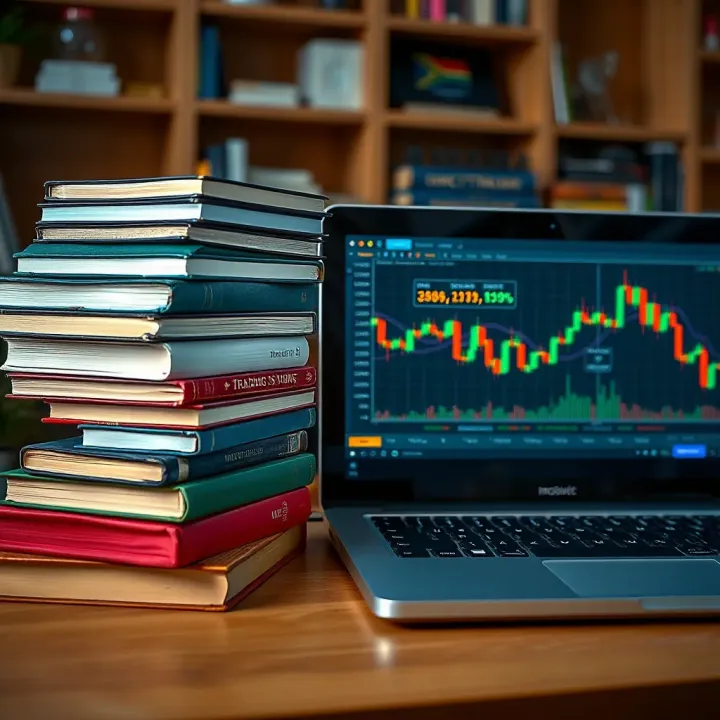
Learn forex trading in South Africa with this detailed guide 🏦. Understand markets, regulations, key skills, and pick the right course to trade confidently 📈.
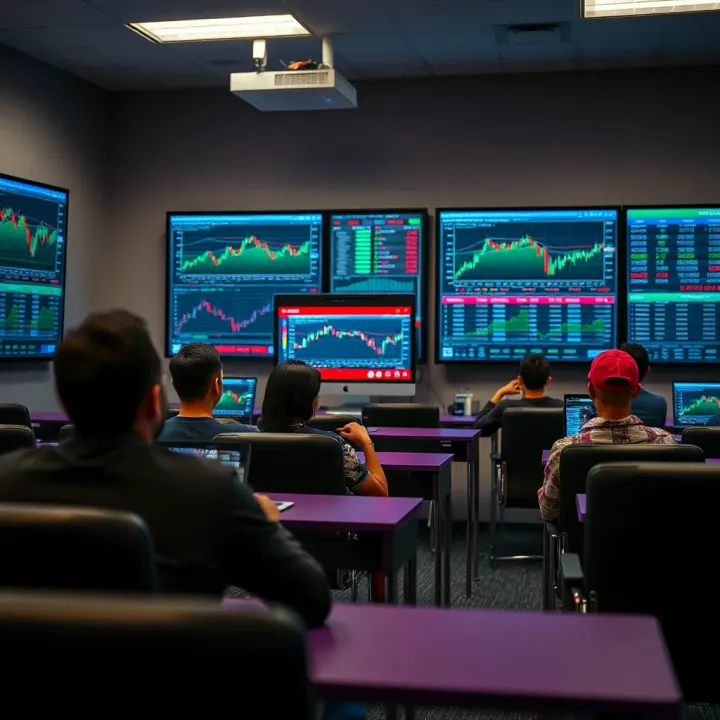
📊 Explore top Forex trading schools in South Africa! Learn how to pick the right one, understand benefits & challenges, plus local market tips. 🇿🇦

Discover top forex trading seminars in South Africa 🇿🇦. Learn how these events boost skills 📈, offer key insights 💡, and guide every trader's journey.
Based on 12 reviews