

Fraud and Risk Management for South African Businesses
Protect your South African business with smart fraud and risk management strategies. Learn practical methods, tech tools, and compliance tips today 🔒📊
Edited By
Amelia Clarke
Fraud risk management isn’t just about catching bad guys; it’s about safeguarding your investments and maintaining trust in financial markets. Traders, investors, and financial analysts deal with vast amounts of sensitive data and complex transactions daily, making them prime targets for various forms of fraud. Understanding fraud risks and how to effectively manage them can make the difference between a minor hiccup and a catastrophic loss.
This guide will break down the essentials of fraud risk management tailored to the financial sector. We'll explore how to spot fraud risks early, the role technology plays in prevention, and the regulatory frameworks you need to be aware of. By the end, you’ll have practical tools and strategies you can apply immediately to tighten up your defenses.
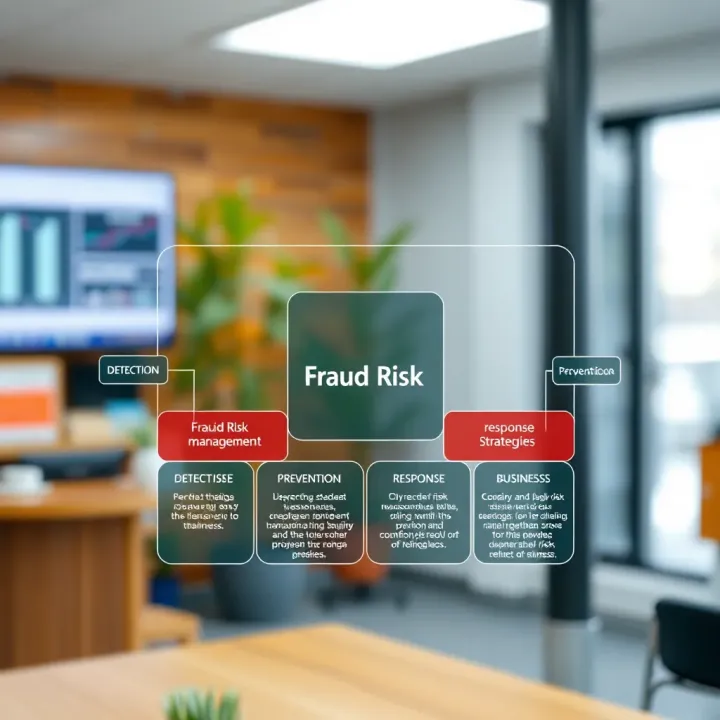
Managing fraud risk is not a one-time job but a continuous process—think of it as keeping a weather eye on your business, ready to spot the storm before it hits.
Key topics covered include:
Defining what constitutes fraud within financial markets
Methods for identifying and assessing fraud risks
Practical strategies for mitigating these risks
Technology solutions that enhance fraud detection
Compliance with local and international standards
The roles and responsibilities within organizations to tackle fraud effectively
Understanding these elements is essential for anyone involved in trading, investing, or financial analysis who wants to protect assets and uphold market integrity. Let’s get started by laying the groundwork for a strong fraud risk management approach.
Fraud risk management isn't just a box to tick for businesses; it's a necessary step to keep your operations running smoothly and your reputation intact. Effectively understanding fraud risk management means knowing where your weak spots lie and having practical tools to detect, prevent, and respond to fraud. With fraud often coming disguised—sometimes from inside your own four walls—getting a grasp on this helps businesses not only avoid losses but also maintain trust with customers and partners.
Fraud risk management involves a set of strategies and controls aimed at identifying and minimizing the chances of fraud happening within an organisation. It covers everything from spotting early signs to putting safeguards in place to reduce vulnerabilities. Think of it like having a security system for your finances and operations—it's about catching the small cracks before they become gaping holes. For instance, a company might implement routine checks on financial transactions or set up whistleblower channels to encourage reporting suspicious behaviour.
The key here is proactivity. Fraud risk management isn't just about reacting after the fact but creating an environment where fraud is tough to get away with. This means defining roles, drafting clear policies, and constantly scanning for new threats. It’s crucial for businesses to embed this mindset throughout their teams, so everyone knows what's at stake and their part in safeguarding assets.
For businesses, understanding and managing fraud risk translates directly into saving money and preserving reputation. Fraud can drain resources rapidly, sometimes creeping in unnoticed until significant damage is done. A solid fraud risk management approach helps organizations avoid those pitfalls, preventing losses that could otherwise sink smaller firms or dent large enterprises' bottom lines.
Moreover, investors and financial analysts especially benefit from knowing that a business has tight fraud controls. It signals strong governance, making the company a safer bet. For traders, this knowledge means more confidence in the company’s reported financials and overall health. When policies are clear and enforced, it also helps companies comply with South African regulations, reducing the risks of penalties.
Fraud risks can come from inside or outside the organization. Internal fraud involves employees or management misusing their access for personal gain—think of cases where a cashier pockets cash or an employee manipulates invoices. External fraud, on the other hand, involves outsiders like cybercriminals, vendors inflating invoices, or even customers using stolen credit cards.
Internal fraud is particularly tricky because insiders often understand the system’s loopholes, making detection harder. For example, a procurement manager might favour a particular supplier in exchange for kickbacks, subtly skewing contract awards without raising immediate suspicion. External fraud risks tend to focus more on cyberattacks or identity theft schemes targeting vulnerabilities in IT systems.
South Africa has its own unique landscape of fraud risks, often reflective of local economic and social conditions. Some frequent schemes include:
Embezzlement: Employees siphoning funds from company accounts, sometimes over months or years.
Procurement fraud: Manipulating bidding processes or overcharging for goods and services.
Identity fraud: Using false identities for loans or credit card fraud.
Cyber fraud: Phishing scams targeting corporate emails to divert payments or steal confidential data.
A real-world example involved a South African retail company hit by a payroll fraud scheme where fake employees’ salaries were paid out for several months, costing the business millions. This highlights why pinpointing such risks early—especially in vulnerable areas like payroll or purchasing—is essential.
Being aware of the types of fraud a company might face arms decision-makers with the foresight needed to act swiftly and decisively, rather than scrambling once damage is done.
Understanding these fundamentals sets the stage for a stronger defence against fraud. It shifts the focus from simply reacting to fraud incidents towards building systems where fraud is tough to pull off and easier to catch.
Knowing where fraud might take hold in your business is like having a map before setting out on a tricky hike—without it, you're likely to stumble. Identifying fraud risks in the organization is the groundwork for building a solid fraud risk management plan. By spotting vulnerabilities early, businesses can avoid costly surprises and keep operations running smoothly. For traders, investors, and financial analysts in South Africa, this means protecting assets, ensuring accurate reporting, and maintaining trust.
Fraud risks can sneak into different parts of a company, so it's important to be thorough and alert. Whether it’s a small slip in financial records or a dodgy transaction in procurement, these spots are often the entry points for fraudulent activities. Understanding these risks also helps organizations decide where to focus their resources for maximum protection.
Fraud risk assessments are the cornerstone for identifying and understanding potential fraud within an organization. Think of this as your business’s health check specifically for fraud threats. In practice, it involves gathering input from various departments, reviewing past incidents, and considering the external environment (like regulatory changes or industry trends).
The goal here is to methodically pinpoint areas where fraud could occur and assess how severe the impact would be if it happened. For instance, a fraud risk assessment might reveal that a company’s invoicing process lacks checks, making it vulnerable to payment fraud.
To get started, you can gather a cross-functional team to brainstorm and list potential fraud scenarios, using tools like checklists or risk matrices, which rate the likelihood and impact of each risk. This process not only highlights immediate concerns but also helps build a culture alert to fraud every day.
Data analytics is like having a detective on your team who never sleeps. It examines your company’s transactions and records to detect unusual patterns or outliers that don't sit right. For example, repeated small payments just below approval thresholds might be a red flag.
Practical use of analytics involves deploying software to continuously scan financial data, flagging inconsistencies for further investigation. This could be as simple as running monthly reports highlighting duplicate invoices or as advanced as AI-powered systems learning typical transaction behaviors and alerting on deviations.
For traders and financial analysts, leveraging data analytics means spotting trends that could indicate fraud early, potentially saving the company from significant losses. But remember, these tools are not foolproof — they work best paired with savvy human judgment.
Financial transactions are the most obvious and common fraud target. These include cash handling, bank transfers, and expense reimbursements. Fraudsters often exploit weak controls here, such as missing approvals or inadequate reconciliation processes.
For example, a company's finance department might fail to reconcile petty cash regularly, creating an opportunity for theft. Implementing daily or weekly reconciliations and requiring dual signatories for payments can plug these gaps.
Monitoring and documenting every transaction helps detect irregularities early and keeps the company’s financial health transparent and reliable.
The procurement process is a fraud hotspot because it involves multiple parties and large sums. Risks here include kickbacks, fake supplier invoices, and bid rigging. In South Africa, with its dynamic supplier markets, vigilance is key.
Suppose a procurement officer is colluding with a supplier to inflate prices; without oversight, this can fly under the radar for months. Instituting strict vendor verification, regular tender audits, and segregation of procurement duties limits these risks.
Good practices include rotating procurement staff roles and mandating competitive bidding to keep the process honest and fair.

Employees can be both the strongest asset and the biggest fraud risk. Internal fraud ranges from timesheet padding to unauthorized use of company resources. It’s not always malicious; sometimes, lack of clarity in job roles or insufficient monitoring opens the door unintentionally.
Regular performance reviews, clear policies on acceptable use, and surprise audits can deter such activities. Creating an environment where employees feel valued and understand the consequences of fraud also reduces temptation.
"Identifying fraud risks early is like fixing leaks in a boat before they sink it. Knowing your organization's weak spots ensures you stay afloat even when the waters get rough."
By focusing on these risk areas and assessing them with reliable methods, organizations can stay ahead of fraudsters’ schemes. This proactive approach not only saves money but also strengthens the overall integrity of the business—critical in South Africa's competitive and regulated environment.
In tackling fraud within an organization, having a solid strategy is non-negotiable. It’s not just about throwing up walls but about making those walls smart and adaptable. A good fraud risk management strategy sets the tone for how seriously your business takes the issue and acts as the map for all your prevention and detection activities.
By developing such a strategy, companies don't just reduce the chances of losing money or reputation but also build trust with stakeholders and comply with regulatory demands. Think of it like this: a well-charted fraud management plan acts like a good fence around your farmhouse—not only keeping intruders out but also making sure your helpers know exactly where to stand guard.
Establishing clear anti-fraud policies is the cornerstone of any effective fraud risk strategy. Policies need to outline what constitutes fraud, the zero-tolerance stance of the business, and the consequences of fraudulent behavior. They should be straightforward and visible to everyone in the company.
For example, a South African financial firm might include specifics around bribery and corruption aligned with the Prevention and Combating of Corrupt Activities Act, ensuring employees understand local legal expectations. Such policies act as both shield and sword—protecting companies and deterring potential fraudsters by setting firm boundaries.
No one person can carry the fraud management load alone. Clearly defining who does what—whether it's the internal auditor, compliance officer, or department managers—ensures accountability throughout the organization. When everyone knows their exact responsibilities, there’s less chance for gaps and overlaps.
Take the case of a mining company in Johannesburg: the procurement team might be responsible for vetting suppliers, while the finance department handles transaction approvals. Clear roles help spot red flags early and respond appropriately without confusion.
Splitting responsibilities so that no single individual controls all parts of a financial transaction is key. It’s tough for one person to slip through fraudulent activity when tasks like authorization, record keeping, and custody of assets are distributed.
In a retail chain operating in Cape Town, for instance, the person responsible for ordering stock should not be the same one approving payment. This separation helps limit the chances of collusion or errors going unnoticed.
Strong controls hinge on clearly defined approval levels. Routine transactions might breeze through, but high-value or unusual activities should require multiple sign-offs. This layered approach adds necessary scrutiny where it counts.
A practical example is a Johannesburg-based investment firm requiring senior management’s green light for transactions over a certain threshold—this ensures extra eyes review significant deals, reducing fraud risks.
A well-developed fraud risk management strategy isn't just a set of rules; it's about embedding good business habits in daily operations. When policies are clear and controls effective, fraudulent activities become less tempting and easier to catch.
Together, clear policies and a strong control environment form the backbone of your defence against fraud, turning risk into something manageable rather than mysterious.
Technology plays a significant role in modern fraud risk management, transforming how businesses identify and combat fraudulent activities. For traders, investors, and financial analysts, staying ahead of fraud demands leveraging digital tools that can spot irregularities faster and more accurately than manual efforts. This shift is vital in South Africa's dynamic business environment, where fraud schemes evolve quickly.
Automated monitoring systems scan vast amounts of transactions in real-time, flagging suspicious behavior without human intervention. A practical example is the use of software like SAS Fraud Framework, which continuously monitors financial transactions and alerts compliance teams the moment something unusual occurs. These systems can watch for patterns out of the ordinary, such as sudden cash withdrawals or multiple account logins from weird locations.
Such tools reduce the chances of missing red flags and free up resources to focus on verified threats. They also maintain a detailed log, which is invaluable during investigations. For traders, these systems can prevent losses by catching fraud early enough to stop trades or asset transfers.
Data analytics combined with AI techniques has revolutionized fraud risk management by enabling predictive models that learn from historical fraud cases. For instance, platforms integrating machine learning algorithms, like IBM Safer Payments, analyze thousands of variables to score transactions based on risk.
AI can detect complex fraud schemes—those subtle enough to slip past traditional rules—by recognizing unusual spending behaviors or structuring patterns that hint at money laundering. It continually improves as it processes more data, making it ideal in an ever-shifting fraud landscape.
Businesses investing in AI-powered detection can expect quicker identification and a large drop in false positives, meaning fewer interruptions for legitimate transactions. Financial professionals should consider this a vital tool in curbing economic losses linked to fraud.
Cyber fraud, including phishing, ransomware, and business email compromise, poses a growing threat. Protecting against these starts with strong cybersecurity protocols like multi-factor authentication (MFA), frequent patching of software vulnerabilities, and end-user awareness training.
A concrete example is a financial firm implementing Google Authenticator or Microsoft Authenticator apps alongside password entry, adding a tougher barrier for hackers trying to access sensitive systems. Regular simulated phishing exercises also prepare employees to recognize and report scams promptly.
Such defenses reduce breach risks that could lead to fraudulent transfers, identity theft, or unauthorized trades, safeguarding the financial ecosystem.
Securing sensitive data involves more than firewall setups; it calls for encryption, access controls, and secure data storage solutions. South African companies must comply with POPIA (Protection of Personal Information Act), mandating strict data protection.
Encrypting customer and transactional data, using platforms like Microsoft Azure Information Protection, ensures that even if data is intercepted, it remains unreadable without the proper keys. Implementing role-based access controls also limits who can view or edit critical records, minimizing insider fraud opportunities.
Maintaining tight data security builds trust with clients and regulators, which is essential for any business deeply invested in the financial markets.
Remember: In fraud risk management, technology is not a silver bullet but an essential part of a multi-layered defence strategy. Combining automated systems, AI detection, and cybersecurity practices makes it exponentially harder for fraudsters to succeed.
The intelligent use of these technologies lets traders, investors, and analysts focus on decision-making instead of chasing false leads or damage control after the fact.
Navigating the maze of compliance and regulatory demands is not just a checkbox exercise when it comes to fraud risk management—it's absolutely foundational for any trader, investor, or financial analyst in South Africa. Staying on the right side of the law isn’t merely about dodging fines or penalties; it’s about building a trusted reputation and safeguarding assets. Let’s break down what this means in practical terms.
South Africa has a pretty detailed set of laws aimed at preventing and addressing fraud, which are crucial for anyone handling financial matters or managing organizations. One key player is the Prevention and Combating of Corrupt Activities Act (PRECCA). This legislation targets corrupt acts broadly, including fraud that affects businesses. Then there's the Financial Intelligence Centre Act (FICA), which requires businesses to identify and report suspicious financial activities, a handy shield against money laundering schemes.
Understanding these laws in your day-to-day operations helps you not only avoid legal trouble but spot potential fraud risks early. For instance, traders who's failing to comply with FICA risk tipping off illegal activities unknowingly, creating serious vulnerabilities.
Reporting is more than ticking boxes. It lays the groundwork for transparency and allows authorities to act swiftly. Under current South African laws, organizations must report fraud instances to the South African Police Service (SAPS) or the Financial Intelligence Centre (FIC) within set timeframes. In a financial institution, failing to report a suspicious transaction related to fraud can lead to stiff penalties or worse.
For investors and analysts, knowing when and how to report anomalies is a vital skill. It ensures that red flags don’t get buried and that appropriate investigations happen quickly. For example, a delayed report on insider trading or market manipulation could mean losses spiral out of control.
When it comes to fraud risk management, ISO standards provide a solid blueprint. Specifically, ISO 37001 focuses on anti-bribery management systems and helps organizations set up a framework to prevent, detect, and address bribery and corruption risks. Adopting ISO 37001 often means having clearer policies, better employee training, and more rigorous audits.
For businesses trading or investing in South Africa, aligning with ISO standards can enhance credibility and streamline compliance checks. Think of it as having a well-oiled fraud prevention engine that's regularly tuned to catch glitches early.
The financial sector has some extra layers to its fraud risk management, thanks to bodies like the Financial Sector Conduct Authority (FSCA). This watchdog provides specific guidelines on fraud prevention tailored to banks, investment firms, and insurance companies. They cover areas such as transaction monitoring, client verification, and reporting suspicious activities.
Following FSCA guidelines doesn’t just tick regulatory boxes—it can actually save firms from significant losses and reputational damage. For example, a well-implemented client verification protocol can stop identity fraud before it starts. Having these practices in place also reassures clients and investors that the institution is reliable and transparent.
Understanding and applying South Africa's legal requirements alongside recognized standards isn't about overcomplicating your processes. Instead, it’s about building a strong foundation for fraud resilience, keeping your operations clean and trustworthy in the eyes of clients, investors, and regulators alike.
Creating a fraud-aware culture is a cornerstone of effective fraud risk management. When everyone within an organization—from entry-level staff to top executives—understands the risks and consequences of fraud, the company stands a much better chance of preventing incidents before they happen. It’s not something you just put on a poster; it has to be woven into the daily work life and mindset of the entire team.
Businesses in South Africa, especially those operating in sectors prone to fraud like finance and procurement, benefit hugely from this approach. The practical upsides include fewer fraud cases, improved trust among partners and customers, and a workforce that feels responsible and empowered to spot irregularities early.
Regular fraud prevention training is essential to keep fraud risk top of mind. It shouldn’t be a once-and-done thing; regular sessions ensure that employees stay updated on the latest fraud tactics and prevention strategies. For example, workers in a retail bank might get quarterly updates on spotting forged documents or suspicious transactions. This steady stream of knowledge changes behavior over time—it’s like teaching someone to spot a fake Rand note, but in a workplace setting.
Training should cover real-world scenarios and local fraud schemes common in South African business environments. Instead of just throwing rules at employees, use role-playing or case studies. For instance, simulate a supplier offering a kickback or a colleague falsifying expense claims. Such practical exercises make the risks hit closer to home.
Encouraging whistleblowing is another crucial piece. People on the ground often see the warning signs first—if they don’t feel safe or supported to speak up, fraud can flourish unchecked. Establishing clear, confidential channels for reporting suspicions helps here. Organizations can take a cue from companies like Capitec Bank, which actively promotes anonymous tip-offs and has a track record of protecting whistleblowers.
A whistleblower policy should include assurance against retaliation, clear steps for reporting, and defined timelines for investigating claims. Employees should know exactly where and how to report concerns, whether it's through an internal compliance officer or an independent ethics hotline.
Management role in fraud prevention cannot be overstated. When leaders show zero tolerance for fraud and embody transparency, it trickles down through the company. This means not only enforcing policies but also being proactive—like conducting regular fraud risk discussions in leadership meetings or spotlighting fraud prevention efforts in company communications.
Take a look at how Old Mutual’s executives frequently discuss ethical business practices during company-wide meetings. Their visible commitment makes it tough for any fraudulent behavior to creep under the radar.
Ethical behaviour promotion is about the everyday culture leaders foster. Beyond just words, it means rewarding ethical choices and making ethics part of performance reviews. Leaders should share stories reinforcing why integrity matters, not only legally but to the company’s reputation.
A practical move is to incorporate ethics into onboarding programs, so new hires get the message from day one. Leaders might also organise "integrity workshops" or form ethics committees to keep the conversation alive.
Building a fraud-aware culture isn’t just paperwork and policies. It’s about making integrity a visible, lived experience for everyone in the business.
By embedding regular training and fostering an open environment for whistleblowing, combined with strong leadership and ethical conduct, an organization sets a sturdy foundation. When fraud risks emerge, the company is ready not just to respond, but to prevent.
When a fraud incident happens, reacting quickly and properly isn't just about damage control — it’s about safeguarding your business’s future. Responding effectively helps limit losses, preserves reputation, and deters future wrongdoing. For traders and investors, timely and structured responses reassure stakeholders and maintain confidence in the organisation’s governance.
A solid investigation digs beyond the obvious to uncover how fraud happened and who’s behind it. It’s essential to follow clear steps: start by gathering evidence without tipping off suspects, interview relevant people discreetly, and document everything. An example might be tracing unauthorized transactions in a financial trading account — using audit trails and bank statements to pinpoint suspicious activity.
Being thorough pays off. It helps in identifying system weaknesses and prevents repeating the same mistakes. Plus, good investigations provide the facts needed for legal processes or insurance claims.
Transparency matters when reporting fraud incidents. Internally, there should be well-defined avenues, like an ethics hotline or internal audit team, where employees can safely report suspected fraud. Externally, depending on the severity, reports might need to go to regulators like the Financial Sector Conduct Authority (FSCA) or the police.
Clear communication channels speed up response time and ensure that the right people get informed without delay. Having these channels reduces confusion and safeguards whistleblowers, which in turn encourages a culture of honesty.
Establishing trusted reporting routes is a cornerstone for effective fraud management.
After pinpointing the fraud, it’s time to patch the leaks. Corrective actions might involve updating financial controls, disciplining involved employees, or enhancing system security. For example, if a trader bypassed approval procedures, the company could implement stricter multi-level verifications.
An effective plan should be specific, assign responsibility, and include deadlines. Without concrete steps, you risk the same vulnerabilities being exploited again.
Fraud incidents often reveal hidden cracks in risk management. It’s critical to take these lessons onboard and adapt. This might mean revising risk assessment frameworks to catch similar schemes earlier or deploying new detection tools.
For instance, after a cyber fraud episode, a firm could integrate behavioural analytics into its monitoring systems. Continuously evolving your risk management practices not only reduces fraud chances but also strengthens overall resilience.
Responding to fraud isn’t just about fixing the present problem — it’s an ongoing effort to protect the business from future shocks. Traders and investors face a fast-moving environment, and their fraud risk management needs to be just as agile and vigilant.
Protect your South African business with smart fraud and risk management strategies. Learn practical methods, tech tools, and compliance tips today 🔒📊

Learn the step-by-step risk management process 🛡️ to identify, assess, and control risks, helping South African businesses protect and grow safely.
📊 Risk management shields your business and assets from setbacks, builds trust, and guides smart decisions across sectors. Learn practical steps here.
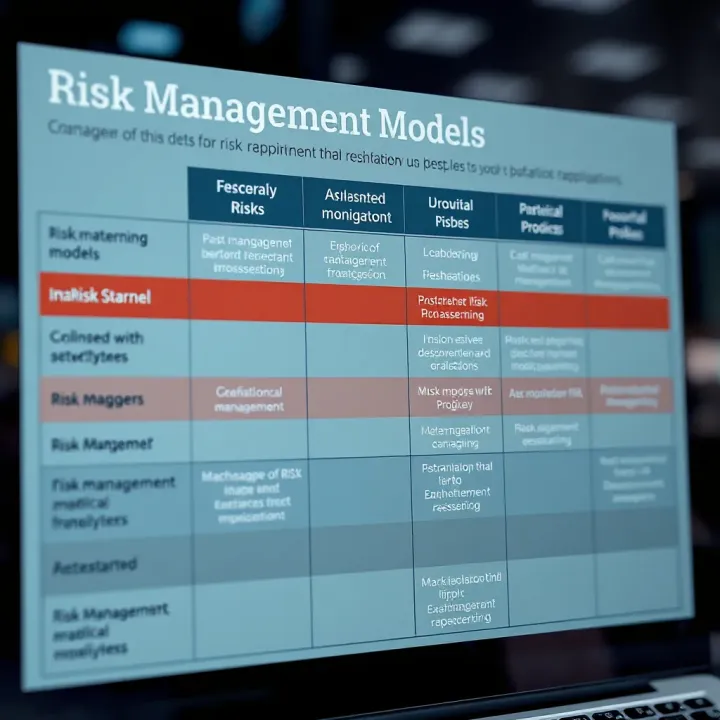
🔍 Explore practical ways to apply risk management frameworks, understand key principles, and choose the right model for your organisation in South Africa.
Based on 8 reviews