
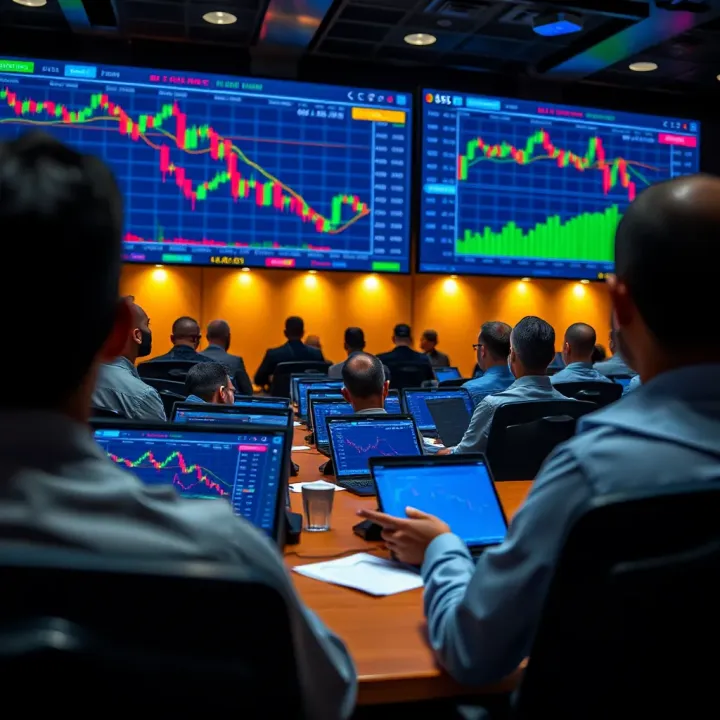
Guide to Forex Trading Seminars in South Africa
Discover top forex trading seminars in South Africa 🇿🇦. Learn how these events boost skills 📈, offer key insights 💡, and guide every trader's journey.
Edited By
Grace Evans
For many South Africans, forex trading promises a break from the usual 9-to-5 hustle. But living the forex trading lifestyle isn’t just checking candlestick charts while sipping rooibos on your stoep. It’s a daily grind that demands discipline, sharp focus, and an understanding of the real risks involved.
This lifestyle requires a mindset shift – from expecting quick wins to embracing consistent, well-planned decisions. You won’t always find the market moving in your favour, so managing losses and sticking to your trading plan becomes vital.

Consider the practical side: you need a reliable internet connection and backup power, especially during Eskom’s loadshedding stages. Otherwise, a sudden blackout could derail your trades, costing you serious losses.
Balancing trade hours with personal time isn’t easy either. Forex markets operate 24/5, overlapping across time zones. For a South African trader, this often means odd hours for the London or New York sessions. Setting clear boundaries and maintaining a schedule helps prevent burnout and keeps your mental game strong.
A strong routine—like regular breaks and limiting screen time—can keep you sharp and prevent emotional trading, which is a trap even the pros fall into.
Risk management goes beyond just setting stop losses. It’s about knowing your risk appetite, adjusting position sizes, and having an exit strategy. Many beginners overlook this and jump in without a proper risk framework, leading to quick capital erosion.
Living this lifestyle also means staying updated on global events and economic data that impact currencies. From South African Reserve Bank (SARB) announcements to geopolitical shifts, every piece can affect your trading decisions.
Ultimately, sustained success in forex trading demands patience, education, and adaptability. It’s not a sprint but a marathon where prudent choices and realistic expectations build long-term gains.
In the following sections, we’ll explore the mindset needed, how to manage risk, and how to stay balanced while trading, with practical tips tailored for South African traders navigating this fast-paced world.
Grasping what it means to live a forex trading lifestyle helps you separate the hype from the reality. This lifestyle isn’t just about watching charts and making quick profits. It involves daily habits, steady discipline, and planning around risks and rewards. Many South African traders find that understanding these demands upfront enables them to prepare better and gauge whether they can adapt to the challenges this work brings.
Forex trading as a primary way to earn money means relying on trading profits to cover living expenses like rent, groceries, and transport. For example, a trader in Johannesburg might budget monthly costs around R12,000 and use trading gains to meet these needs. This setup differs from side hustles because it requires consistent returns; otherwise, you risk financial strain. Managing your risk and sticking to strategies that work become non-negotiable when your livelihood depends on it.
Unlike the typical 9-to-5 grind, forex trading offers more flexibility. Markets run 24 hours a day during the week, giving traders the option to choose trading windows that suit their lifestyle. This flexibility is valuable for South Africans balancing family, study, or other commitments. Plus, you can trade from a coffee shop in Cape Town or a shared office in Durban, provided you have a reliable internet connection. However, this freedom also means you must be vigilant to avoid distractions that can cost trades.
Without a boss looking over your shoulder, discipline becomes your best tool. Sticking to your trading plan requires mental toughness, especially after losses. Take the example of a trader who decides to cut losses at 2% per trade but later breaks this rule chasing losses — this can quickly lead to bigger setbacks. Traders must motivate themselves daily, maintaining focus on long-term goals rather than short-term thrills.
Many step into forex with dreams of financial freedom — the chance to generate income independent of traditional jobs. This means building enough trading capital and skills so you’re not tied to a fixed salary. For instance, a trader who grows their account steadily might be able to cover monthly expenses by quarter two or three, gaining control over their earning potential and lifestyle choices.
Running your own trading 'business' means you decide when and how to work. This autonomy appeals to those tired of rigid corporate structures or workplace politics. It also means you’re fully responsible for decisions, good or bad, which sharpens accountability. Traders who thrive here tend to have clear goals and a self-driven mindset rather than expecting external motivation.
With just a laptop and internet, you can trade wherever you choose. Whether that’s a flat in Pretoria or a lodge on the Wild Coast, the forex market’s global nature means your location matters less than your access to data. This mobility suits South Africans who travel or prefer working not fixed to a single spot — but it also demands reliable tech setups and backup plans to deal with outages or connectivity issues.
Living the forex trading lifestyle means balancing flexibility with responsibility, where your discipline shapes your success as much as market moves.
This clear picture helps traders avoid misconceptions and prepares them for what lies ahead.
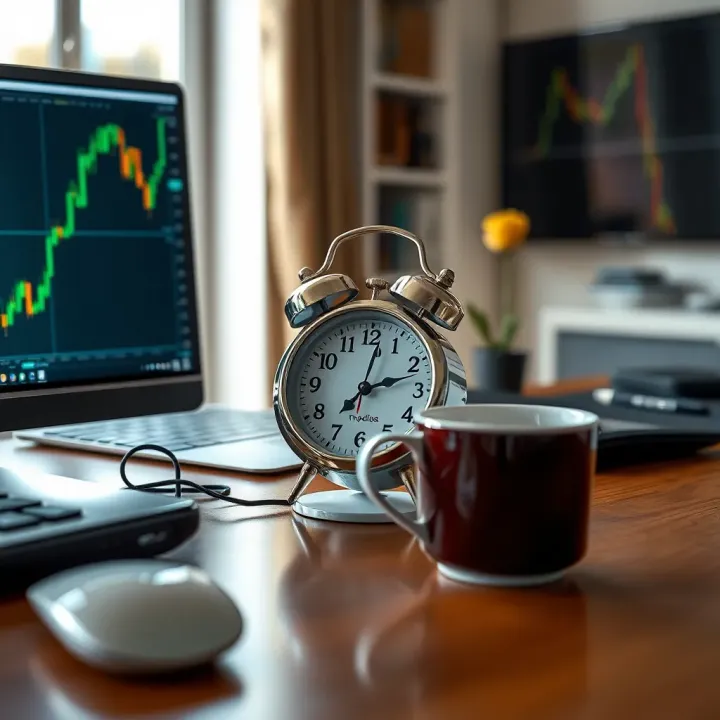
Daily routine and time management are at the heart of effective forex trading. Unlike traditional jobs with fixed hours, forex trading demands vigilance across different markets and timely decision-making. Getting your day structured helps avoid haphazard trading and potential losses.
Market analysis forms the backbone of every trading session. Traders spend substantial time each day scanning economic calendars, news feeds, and price charts. For example, when the South African Reserve Bank announces its interest rate decision, a local trader needs to quickly assess how the rand could respond against the dollar or euro.
Besides news, technical analysis—studying past price movements and patterns—helps traders anticipate future trends. This dual approach ensures a practical understanding rather than guesswork, enabling traders to make data-driven choices.
Once the analysis is done, placing trades requires attention to timing and risk management. Using precise stop-loss orders is crucial to limit potential hits if markets move against you. Say you identify an opportunity on the EUR/ZAR pair during the London session; placing the trade promptly maximises the advantage.
Monitoring trades is equally important. Forex markets can move fast, and conditions change. Watching open positions lets traders adjust targets or close positions early to protect profits or minimise losses.
At day’s end, reviewing your trading journal or log offers valuable insight. It involves assessing which strategies worked, recognising failures, and spotting recurring mistakes. Perhaps a pattern emerges that news-driven trades have better success than purely technical ones.
Adjusting strategies based on these learnings keeps trading approaches fresh and responsive to current market behaviour. Without this reflective step, traders risk repeating errors or sticking to outdated methods.
Trading can easily consume your day if you’re not careful. Set clear limits on trading hours to avoid mental exhaustion. For instance, decide to focus only during peak market overlaps and shut down screens thereafter.
Boundaries help preserve mental health and performance. Without them, traders tend to overtrade or make impulsive decisions born from fatigue rather than logic.
Taking regular breaks between sessions refreshes the mind, improving focus when analyzing charts or making trades.
Simple activities such as stretching, short walks, or stepping away from screens aid in reducing stress and maintaining sharpness. A burnt-out trader is unlikely to perform well in markets that require swift, accurate moves.
Forex markets operate almost 24 hours globally, with key sessions in London, New York, Tokyo, and Sydney. For a South African trader, this means juggling local time with market times. The London session often aligns conveniently with local business hours, but the New York session runs into the evening.
Traders should plan their schedules in line with these sessions to catch high liquidity periods without disrupting personal commitments. Using alarms and calendar reminders tuned to SAST helps manage this effectively.
Smart time management isn’t just about clock-watching; it’s about syncing your trading habits with market rhythms and your personal life to trade sustainably over the long haul.
Successfully navigating the forex trading lifestyle demands more than just understanding charts and numbers. It calls for a strong set of skills and the right mindset to handle market ups and downs without losing your footing. Many traders overlook how vital discipline, patience, adaptability, and ongoing learning are — these qualities keep your trading consistent and resilient, especially when markets throw curveballs.
Sticking to your trading plan is one of the most overlooked skills in forex trading. A solid plan outlines when to enter and exit trades, how much risk to take, and how to manage your capital. Without sticking to this framework, it’s easy to get swayed by impulsive decisions. For example, a trader might see the rand suddenly weakening and panic-buy in the hope of a quick gain, only to watch losses spiral if the market continues falling. Sticking to your plan helps avoid these knee-jerk reactions and keeps your risk within manageable limits.
Managing emotions during losses ties closely with discipline but focuses on the mental side. Forex trading can be stressful—losses are part of the game. The key is not to let frustration or fear cloud judgement. A typical mistake is revenge trading, where a trader tries to win back a loss quickly, often risking more than they should. Developing emotional control means accepting losses as temporary setbacks and learning from them without getting discouraged. Taking a break or stepping back after a string of losses can prevent costly mistakes.
Keeping up with market developments is critical because forex markets never stand still. Economic reports, geopolitical events, and central bank decisions all influence currency prices. For instance, South African traders need to watch both local factors like SARB interest rate changes and global shifts such as the US Federal Reserve announcements. Staying informed through reliable financial news, economic calendars, and platforms like MyBroadband keeps you ahead of surprises.
Adjusting strategies as markets change is a practical necessity. A method that works well in a calm, low-volatility environment might struggle during a crisis or high volatility phase. Say you usually trade short-term using scalping strategies, but global uncertainty causes wild swings — sticking stubbornly to the same approach could drain your account. Skilled traders tweak their tactics, switching timeframes or tightening stop losses when the market mood shifts. This flexibility helps sustain gains and shield against unexpected losses.
Without discipline, patience, and a willingness to learn and adapt, even the best trading strategy will falter in real-market conditions.
These skills and mindsets form the backbone of a sustainable forex trading lifestyle in South Africa and beyond.
Trading forex isn't all champagne and braais. It's a high-stakes environment where risks and challenges are constant companions. Understanding these hurdles can help you prepare better and navigate the market with more confidence. This is especially true in South Africa, where economic factors and exchange rate swings add an extra layer of complexity.
Using stop losses effectively: Stop losses are non-negotiable tools to protect your capital. They act like automatic brakes, closing your trade once the price reaches a predetermined point. For example, if you buy the EUR/USD pair at 1.1000, you might set a stop loss at 1.0950 to cap your loss at 50 pips. This prevents one bad trade from wiping out your account and forces discipline since you can’t let emotions dictate when to exit.
However, setting stops too tight can also get you knocked out prematurely—think of it as setting your brakes so hard that you stop unnecessarily in normal traffic. Adjust your stop loss based on market volatility and your trading strategy, not just random figures.
Avoiding overtrading: Many traders, especially beginners, fall into the trap of overtrading. It’s tempting to jump into markets every chance you get, but repeatedly trading without clear setups drains your balance and focus. Overtrading often arises from chasing losses or boredom rather than sound analysis. Picture it like driving without a clear destination—you’re burning petrol with no real progress.
Effective traders limit their trades to high-probability setups and allow time between trades to review and learn. This approach helps maintain emotional clarity and extend your trading capital, essential for long-term sustainability.
Dealing with stress and uncertainty: The unpredictable nature of forex markets creates a pressure cooker environment. Prices can swing wildly on global news, economic data, or political unrest, triggering stress that affects decision-making. Imagine watching a bakkie wobble on a narrow gravel road—that tension is similar to the mental strain traders experience.
Coping well means maintaining emotional control and not letting fear or greed take the driver’s seat. Techniques like mindfulness, structured routines, and developing a solid trading plan can ease the burden.
Trading is as much a mental game as it is about numbers; managing stress can mean the difference between success and blowing your account.
Building a support network: Trading solo often leads to feelings of isolation. Unlike a regular office, you won’t have colleagues to bounce ideas off or share frustrations with. That’s why building a support network is vital. This could be a local forex community, online forums, or even meeting fellow traders at events or webinars.
A support network offers fresh perspectives and emotional support, which can reduce feelings of loneliness and improve your resilience. Plus, exchanging tips on local brokers or regulatory updates can be quite handy, especially in the South African context.
A balanced recognition of these risks and challenges prepares you to live the forex trading lifestyle with a clear-eyed view and a steady hand on the reins.
Maintaining a successful forex trading lifestyle in South African context means understanding both the local market conditions and practical resources available. The forex market doesn’t operate in a vacuum — it’s shaped by regulations, currency moves, and economic shifts that investors need to keep an eye on. For traders here, balancing these factors with the right tools and information is key to staying afloat and making consistent gains.
Choosing regulated brokers is vital for any South African trader. The Financial Sector Conduct Authority (FSCA) oversees local brokers, ensuring they meet standards that protect clients from fraud and malpractice. Using an FSCA-registered broker means you have legal recourse if something goes wrong, which can be a lifesaver given forex’s fast-moving nature. On the other hand, some international brokers operate without local regulation; while they might offer tempting spreads or bonuses, the lack of oversight poses risks you won’t want to take.
Currency volatility and economic influences significantly affect forex trading here. The South African rand (ZAR) is known for its swings, often responding sharply to political news, commodity prices, and global events like US interest rate changes. For example, Eskom’s ongoing loadshedding tends to spook markets, causing sudden rand weakness. Traders need to keep an eye on these factors because they influence both short-term moves and longer trends, affecting how you manage risk and choose pairs to trade.
Popular trading platforms and apps offer the tech framework you need for effective forex trading. Platforms like MetaTrader 4 and 5 remain widely used thanks to their range of charting tools, custom indicators, and reliable execution. Locally, some traders also lean on apps from brokers like IG or Plus500, which combine user-friendly interfaces with access to South African market data. Having a stable platform that works well on desktop and mobile is important, especially for traders who need to react quickly during volatile sessions.
Educational resources and communities play a crucial role in sustaining a trading lifestyle. South African traders benefit from local forums and social media groups where experiences are shared in real time. Platforms like the Takealot of forex courses or webinars hosted by established SA traders can improve your understanding significantly. Besides formal courses, informal networks help combat the isolation many feel trading alone. Engaging with peers not only sharpens skills but also provides emotional support when markets get tough.
Choosing the right broker, staying alert to rand volatility, and tapping into strong platforms and local trading communities lays a solid foundation for long-term forex trading success in South Africa.
Sustainable trading here means adapting to local realities while making the most out of global forex opportunities. The right preparation and support help you navigate this complex environment with confidence.
Discover top forex trading seminars in South Africa 🇿🇦. Learn how these events boost skills 📈, offer key insights 💡, and guide every trader's journey.
🌍 Explore South Africa's free forex trading options! Learn to start with no fees, choose the right platforms, follow rules, and trade smartly today.
📊 Explore top Forex trading schools in South Africa! Learn how to pick the right one, understand benefits & challenges, plus local market tips. 🇿🇦
📈 Discover how forex trading sessions align with South African time! Learn market hours, volatility, and get practical PDF guides to boost your trades.
Based on 12 reviews