

Guide to Forex Trading Seminars in South Africa
Discover top forex trading seminars in South Africa 🇿🇦. Learn how these events boost skills 📈, offer key insights 💡, and guide every trader's journey.
Edited By
Thomas Harding
Forex trading in South Africa is a popular way to participate in the global currency markets, but making consistent profits isn't a cakewalk. It requires more than just guesswork; sound knowledge, solid strategies, and effective risk management all play a role.
Understanding how forex profit works starts with grasping the basics: you buy one currency while selling another, aiming to capitalise on shifts in exchange rates. For example, if you expect the US Dollar (USD) to strengthen against the South African Rand (ZAR), buying USD/ZAR could earn you a profit if the pair moves in your favour. But even small movements can quickly erode your gains if you're not careful.
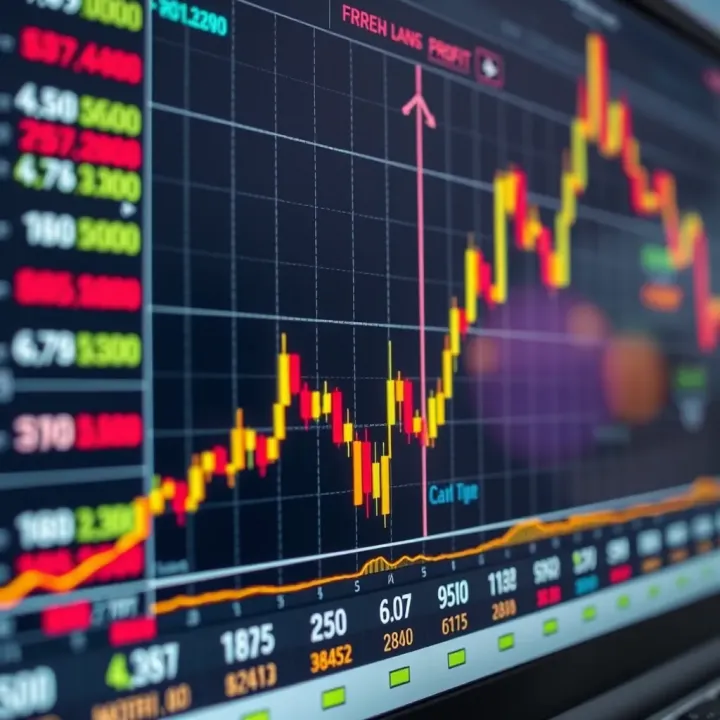
Successful forex trading balances opportunity with risk. Getting this balance right is key to boosting your profits over time.
Your profit or loss in forex is calculated from the difference between your entry and exit prices, multiplied by the trade size (lots) and adjusted for spreads and commissions. Keep in mind, leverage magnifies both gains and losses. In South Africa, traders often use leverage from 1:10 up to 1:200 offered by brokers licensed by the Financial Sector Conduct Authority (FSCA).
One practical tip is to track your trades diligently, using spreadsheets or trading journal apps. This habit helps identify which strategies work and where losses sneak in.
Trend Following: Identify long-term trends in currency pairs and trade with the momentum.
Range Trading: Take advantage of predictable price ranges by buying low and selling high within that band.
News-Based Trading: React to economic events, like SARB interest rate announcements, to trade short-term volatility.
Each strategy needs tailoring for South African conditions. For instance, keep an eye on SARB policy changes and Eskom load-shedding schedules, as these can sway ZAR movements.
Even with the best strategies, the forex market is unpredictable. Protect your capital with:
Stop-loss orders: Automatically close losing trades to cap losses.
Lot size management: Never risk more than a small percentage of your capital on a single trade.
Diversification: Spread exposure across multiple currency pairs to avoid dependency on one.
Growing forex profits in South Africa means mastering the interplay of smart position sizing, keeping an eye on local and global economic factors, and continuously refining your approach. Keep your eyes on both the short-term opportunities and the big picture for more reliable gains.
Understanding the basics of forex trading is key to making consistent profits, especially in South Africa's market where local economic factors and currency fluctuations play a big role. Grasping how currency pairs move, the influence of brokers, and the timing tied to market hours sets a solid foundation for any trader aiming to grow their returns.
Forex trading involves buying one currency while simultaneously selling another—these are known as currency pairs. For instance, the USD/ZAR pair shows how many South African Rands (ZAR) you need to buy one US Dollar (USD). Movements in this rate create trading opportunities. If the rand weakens against the dollar, traders holding USD/ZAR long positions can profit.
Exchange rates depend on various factors, from interest rates to global trade figures. For South African traders, keeping an eye on how the Rand reacts to decisions by the South African Reserve Bank (SARB) or commodity price shifts is critical.
Forex brokers act as intermediaries, providing access to the global forex market. In South Africa, brokers must comply with financial regulations like the Financial Sector Conduct Authority (FSCA) guidelines to protect clients. Using a local, regulated broker ensures your trading capital is safer, and customer support is accessible.
Many South African brokers offer accounts in Rands, making deposits and withdrawals easier and avoiding conversion fees. Choosing a broker with transparent spreads, reasonable commissions, and a user-friendly platform is vital for maintaining profitability.
The forex market operates 24 hours a day across different sessions—the Sydney, Tokyo, London, and New York sessions. Liquidity peaks when sessions overlap, meaning tighter spreads and faster execution. In Mzansi, the strongest activity often aligns with the London-New York overlap, which falls in the late afternoon and evening local time.
This liquidity ensures traders can enter and exit positions without much price slippage, crucial when trying to maximise profits. Conversely, low liquidity periods might lead to wider spreads, increasing trading costs.
The spread is the difference between a currency pair’s buy and sell price, effectively your trading cost. Lower spreads mean you start closer to profit as prices move.
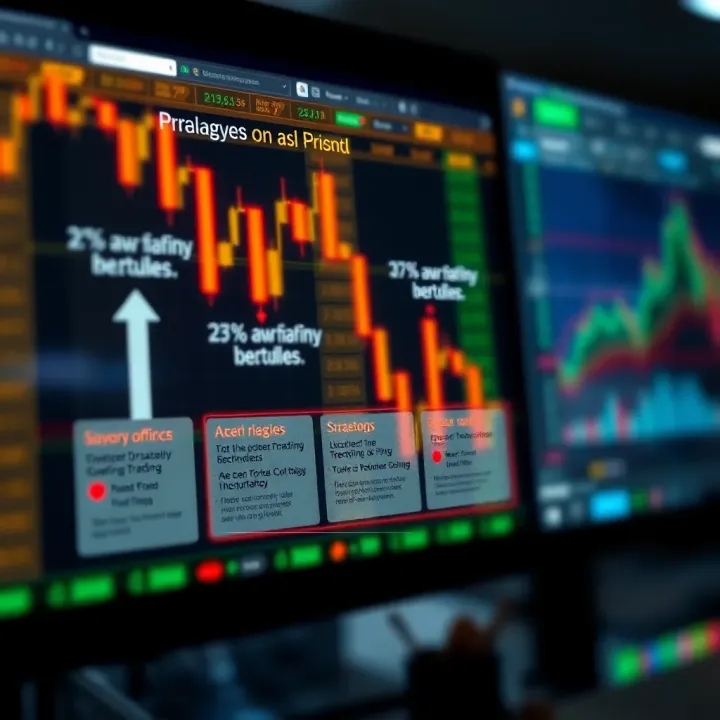
Leverage allows South African traders to control larger positions with a smaller deposit (margin). For example, a leverage ratio of 1:100 means you can trade R10,000 with just R100. While this can boost profits, it also magnifies losses, so managing leverage is essential.
Taking a long position means buying a currency pair expecting the base currency to rise, while a short position involves selling, betting it will fall. Both strategies can be profitable if timed well.
For instance, if you predict the rand will weaken due to a SARB interest rate cut, you might short the ZAR against the USD. Quick agility in opening and closing these positions can rake in profits regardless of market direction.
Volatility reflects how much and how quickly exchange rates change. High volatility can mean bigger profit potential but also risks.
Currency pairs with the South African rand tend to react strongly to local economic news or global commodity price shifts, which affect the South African economy. A volatile rand pair might provide sharp price swings ripe for day traders but requires solid risk controls to avoid heavy losses.
Bottom line: Understanding these forex basics equips you to make smarter trades and avoid common cost traps, especially within South Africa's unique market context.
Understanding the key factors that influence forex trading profit is essential, especially given the fast-moving nature of currency markets. These factors shape how traders navigate trades and manage risks. From applying different trading strategies to controlling risks effectively, each element can impact your bottom line.
Scalping, day trading, and swing trading represent different approaches to capturing profits in forex. Scalping involves making quick trades to secure small gains repeatedly during the day, such as taking advantage of tiny price moves in the rand-dollar pair over minutes. Day trading means opening and closing positions within the same day to avoid overnight risks, which suits traders who follow South African market hours closely. Swing trading, by contrast, involves holding trades for several days to capitalise on broader trends, like expecting the rand to weaken due to changes in commodity prices.
Fundamental and technical analysis offer different lenses to predict currency movements. Fundamental analysis examines economic indicators—like SARB decisions, inflation stats, or political developments—that affect currency value. A trader might monitor SARB’s repo rate changes closely because they often influence rand volatility. Technical analysis focuses on price charts and indicators, helping traders identify trends or entry points without relying on external news. Many South African traders blend both styles, for example, reacting to SARB announcements while using moving averages to time trades.
A trading plan brings structure and discipline, helping you avoid emotional decisions. This plan should outline your entry and exit criteria, risk tolerance, and target profit for each trade. Imagine a trader who sets a maximum daily loss limit to protect capital during periods of rand volatility caused by unexpected global events. Sticking to such a framework helps maintain consistency and prevents rash mistakes.
Setting stop-loss and take-profit orders are practical ways to lock in gains and limit losses. A stop-loss order instructs your broker to close a position if the price moves against you beyond a set point, reducing the risk of major losses during rand swings. Conversely, a take-profit order closes a position once your target profit is reached, ensuring disciplined exit without greed.
Leverage can magnify profits but also increases risk substantially if mismanaged. South African brokers often offer leverage levels up to 1:200, but using these high levels without caution can wipe out your account quickly. Managing leverage wisely means using only what you need and aligning it with your risk appetite and trading strategy.
Avoiding overtrading is crucial, especially during volatile sessions or when the rand jumps due to global market shocks. Chasing after every small move can drain capital through costs and poor decision-making. Instead, quality over quantity should guide your trade frequency—taking fewer, well-considered positions typically protects your gains better over time.
Applying these key factors thoughtfully improves your chances at consistent profit while reducing emotional and financial setbacks in forex trading.
Having the right tools and resources in forex trading is like having a reliable bakkie for a long trip — you need something solid and dependable to get you through the ups and downs of the market. For South African traders, this means selecting platforms and analytical aids that suit local market conditions, mobile usage patterns, and regulatory standards.
MT4, MT5 and local alternatives: MetaTrader 4 (MT4) and MetaTrader 5 (MT5) are the go-to platforms for many forex traders worldwide, including those here in South Africa. Both offer user-friendly interfaces, a wide range of technical analysis tools, and support for automated trading. MT5, the newer version, has additional features like more timeframes and enhanced order types, which can give traders a bit more flexibility. South African brokers often provide access to these platforms, but it's worth noting some local alternatives like ThinkMarkets or EasyEquities; while primarily stock trading platforms, these have been expanding their forex offerings with user support tailored for South African traders.
Mobile trading options: Smartphones are the norm in Mzansi, so mobile trading apps that work well on limited data and slower networks make a big difference. Platforms like MT4 and MT5 have robust mobile apps available on iOS and Android, letting you check live charts, place orders, or adjust stop-loss levels on the go. Many local brokers also offer mobile-compatible platforms, sometimes with added features such as local payment options or push notifications for SARB rate updates. This flexibility means you aren’t chained to a desktop, which is handy for reacting quickly to rand volatility.
Features that support profit tracking: Good trading platforms come with tools to keep track of your performance over time. Access to detailed trade history, profit and loss reports, and even visual summaries helps traders understand where they make or lose money. For example, MT5 supports advanced reporting with graphical insights, making it easier to spot profitable patterns or costly mistakes. Some apps also allow exporting data, helping you prepare for SARS tax submissions or evaluate your strategy's effectiveness.
Moving averages and oscillators: These indicators are staples in technical analysis. Moving averages smooth out price data, helping spot trends or reversals, while oscillators like the Relative Strength Index (RSI) highlight overbought or oversold conditions. South African traders can apply these directly on MT4 or MT5 charts to make more informed decisions. For instance, plotting a 50-day moving average on a USD/ZAR pair can signal when to enter or exit trades during SARB announcement weeks.
Economic calendars and news feeds: Staying current with news is vital, especially for the rand which reacts sharply to local economic indicators and global events. Tools like Forex Factory or Investing.com provide economic calendars that list important announcements — think SARB interest rate decisions, inflation reports, or US Federal Reserve updates. Having access to real-time news feeds helps traders anticipate market moves instead of reacting late, reducing the risk of nasty surprises.
Automated trading and expert advisors: For those who prefer a hands-off approach, automated trading systems or expert advisors (EAs) can execute trades based on preset criteria. Available on platforms like MT4 and MT5, EAs can monitor multiple currency pairs simultaneously and react faster than a human can. South African traders must exercise caution, though, choosing tested systems with solid track records and avoiding over-reliance on automation, especially during volatile periods like Eskom load-shedding, which can disrupt internet connectivity.
Having the right mix of platforms and analytical tools tailored to South Africa's unique market conditions is vital. These resources don't just support trading but play a key role in understanding, tracking, and ultimately enhancing your forex profits.
Navigating the forex market without stumbling into common pitfalls can make the difference between profit and loss. This section sheds light on typical challenges South African traders face and practical ways to steer clear of them. Focusing on both the psychological and technical hurdles, it equips you with insights to protect your capital and keep your trading profitable.
Emotional control during volatility is one of the toughest challenges. The forex market sometimes looks like a rollercoaster, with currency pairs moving sharply in response to news or economic data. During such tidal waves of change, traders can panic, leading to hasty decisions like closing positions too early or doubling down recklessly. A practical approach is to set firm stop-loss levels beforehand and stick to them, avoiding knee-jerk reactions during wild swings. For example, when the rand suddenly dropped after a SARB announcement, staying calm and following your predetermined risk limits would help avoid heavy losses.
Recognising and overcoming biases directly influences decision-making. Common cognitive traps include confirmation bias—only paying attention to information confirming your views—and recency bias, where recent events unduly sway your outlook. Say a trader expects the rand to strengthen but downplays indicators to the contrary leading to poor timing. To counter this, regular review of trading journals and objective analysis of past trades help spot these patterns. Making decisions data-driven rather than feeling-driven is vital for consistency.
Maintaining discipline and patience ensures your trading plan doesn’t fall by the wayside. Impatience often leads traders to chase losses or jump into poorly analysed trades. Many South African traders get drawn into high-leverage intraday trades hoping for quick wins, only to see profits slip away. Discipline means waiting for setups that meet your criteria and accepting that losses are part of the process. Keeping to routine, like analysing the market daily at specific times and reviewing strategies, builds resilience and steadies profits over time.
Slippage and order execution issues can catch traders off guard, especially during high volatility or low liquidity periods. Slippage happens when your order fills at a different price than expected, often worsening your entry or exit point. For example, placing a stop-loss at a certain level on a rand/USD pair during the Asian session might get executed at a worse rate due to fewer active traders. South African traders should choose brokers with reliable execution and test order filling quality during demo accounts before trading live.
News events triggering unexpected moves pose another risk. Sudden announcements from the South African Reserve Bank, geopolitical tensions, or even global economic surprises can spark volatile price jumps. These moves can easily wipe out unprotected trades. Staying informed by following local news and economic calendars is crucial. Moreover, reducing exposure just before major events or using options to hedge can prevent severe losses.
Security concerns with online trading have become increasingly relevant. Cyber threats targeting accounts or platforms put traders at risk of losing funds or data. Using brokers regulated by the Financial Sector Conduct Authority (FSCA), employing two-factor authentication, and regularly updating passwords form basic but effective defences. Also, avoid trading on unsecured public Wi-Fi networks to reduce exposure to hacking attempts.
Caution around psychological traps, technical snags, and security is not about fear but preparedness. Understanding these challenges helps you trade smarter and keep your profits intact in South Africa's vibrant forex market.
Maximising profit in forex trading isn’t just about nailing the right trade. It’s also about grasping local market specifics, honing your skills, and understanding the rules that govern trading in South Africa. This section zeroes in on practical tips tailored for South African traders, touching on everything from learning in risk-free environments to tracking economic signals that impact the rand.
Back when I started trading, demo accounts were my go-to for testing ideas without sweating over lost rand. These accounts use virtual funds to mirror real market conditions, letting you practice spotting trends and executing orders without risking a cent. This safe space allows traders to iron out mistakes and refine strategies before moving to live markets.
Demo accounts also come with a chance to familiarise yourself with the broker’s rules. It's worth noting, not all brokers are the same when it comes to spreads, leverage, or execution speed. Some might offer tempting leverage but with hidden fees or restrictions. Knowing your broker’s terms upfront avoids nasty surprises later on, like unexpected margin calls or slippage during volatile rand movements.
The South African Reserve Bank (SARB) holds significant sway over forex outcomes here. Interest rate changes, the repo rate specifically, have a direct bearing on the rand’s value. For example, a repo rate hike typically strengthens the rand, impacting currency pairs involving ZAR. Staying alert to SARB’s monetary policy statements and economic forecasts helps you anticipate potential market swings.
Global happenings, such as shifts in commodity prices or political developments in key trade partners, also influence rand volatility. Since South Africa is a major exporter of commodities like gold and platinum, fluctuations in these markets can ripple through to forex rates. Keeping an eye on international news alongside local economic reports equips you to better time your trades involving rand pairs.
In South Africa, brokers and traders must comply with the Financial Intelligence Centre Act (FICA) and the Protection of Personal Information Act (POPIA). These regulations require identity verification and protect client data, ensuring that forex trading isn’t used for money laundering or fraud. Before opening a trading account, confirm your broker adheres to these laws—it's not just red tape but part of keeping your trading activities above board.
It’s easy to overlook tax when caught up in trading excitement, but SARS requires traders to declare forex profits as taxable income. Whether you're trading as a business or private individual affects how profits are taxed—capital gains tax for investors or income tax if trading is considered a business. Keeping detailed records and consulting with a tax advisor ensures you meet your obligations and avoid headaches come tax season.
Experience from local traders shows that combining solid practice, economic awareness, and regulatory knowledge can make the difference between a frustrating loss and steady profits.
By following these practical tips grounded in South Africa’s unique trading environment, you’ll be better equipped to protect your capital and grow your forex profits responsibly.
Discover top forex trading seminars in South Africa 🇿🇦. Learn how these events boost skills 📈, offer key insights 💡, and guide every trader's journey.

🌍 Explore South Africa's free forex trading options! Learn to start with no fees, choose the right platforms, follow rules, and trade smartly today.
📊 Explore top Forex trading schools in South Africa! Learn how to pick the right one, understand benefits & challenges, plus local market tips. 🇿🇦

📈 Discover how forex trading sessions align with South African time! Learn market hours, volatility, and get practical PDF guides to boost your trades.
Based on 14 reviews