
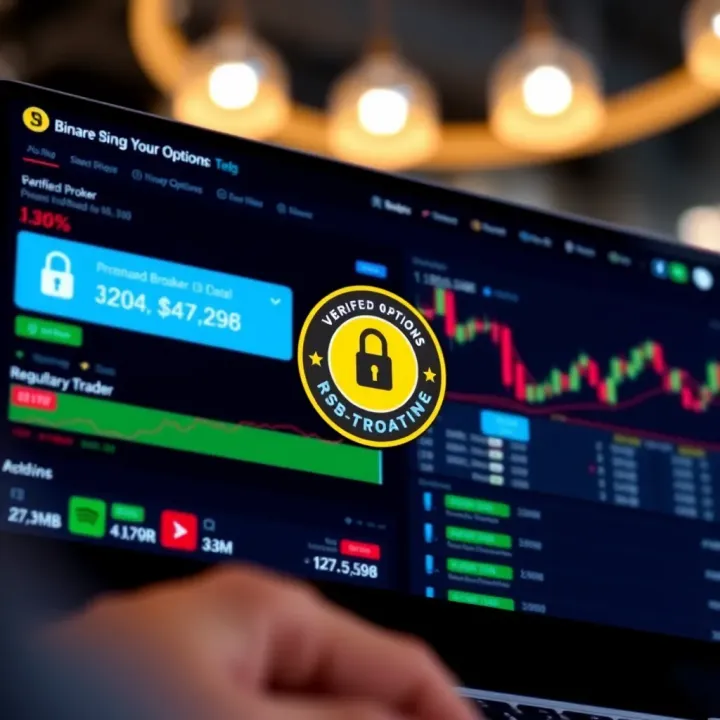
How to Spot Legit Binary Options Platforms
🔍 Learn how to spot trustworthy binary options platforms in South Africa. Avoid scams, understand key warnings, and trade safely with expert tips.
Edited By
Charlotte Mitchell
Binary trading scams have become a sore point in many online financial platforms, catching out even savvy traders and investors. These schemes exploit the growing interest in rapid, digital investment options by promising quick returns with minimal effort. Yet, what looks like a straightforward opportunity often hides elaborate tricks designed to part investors from their money.
In South Africa, with the rise of digital trading platforms and increasing access to mobile internet, fraudsters have ramped up efforts to target local traders. They've developed various binary scamming formats that confuse and mislead would-be investors, leading to substantial losses.

Binary scams typically centre around contracts that pay out a fixed amount if a specific condition is met or nothing at all. Scammers mimic this setup but manipulate information, prices, or conditions to ensure their gain while the victim is left empty-handed.
Watch out for promises of guaranteed returns and pressure tactics urging you to act "now-now" — these are classic alarm bells.
Here's what often happens:
Scammers create fake trading platforms or fake brokers that look professional and trustworthy.
They push customers to deposit money and make trades that always seem to lose or can't be withdrawn.
Customer service is evasive, offering excuses or false help to keep victims engaged.
Understanding how these scams operate is the first defence. Traders and investors should verify credentials, check for Financial Sector Conduct Authority (FSCA) approval, and stay alert to unrealistic claims or high-pressure sales tactics.
Being informed about these scamming formats will help you spot them early and protect your funds effectively. It’s about staying sharp and backing your trades with real knowledge, not just flashy promises and slick salesmanship.
Understanding how binary scams are structured helps traders and investors spot these schemes early and avoid losing their hard-earned money. These scams rely on a blend of technical tricks and psychological gambits, designed to appear legitimate while hiding their true intent. Knowing their typical structure offers a practical edge in recognising warning signs before it’s too late.
Scammers often build professional-looking but fake trading websites that mimic real brokers. These platforms display trading charts, account dashboards, and even fabricated market data to lure victims into believing they're engaging in genuine investments. For instance, a scam site might clone the layout of a well-known platform but won't allow genuine withdrawals, trapping deposited funds.
Such websites usually lack proper regulatory registrations or licences from South African bodies like the Financial Sector Conduct Authority (FSCA). Checking for these licences can be a quick way to filter legitimate platforms from scams.
Binary scams thrive on promising unrealistic profits within short time frames. These offers might claim you can double your money overnight with minimal risk. This tactic plays on the desire for rapid gains but ignores the fundamental risks involved in trading.
In reality, all investments have risks, and guaranteed returns are a red flag. Any platform assuring guaranteed profits or exceptionally high returns without explaining potential downsides should be treated with suspicion.
Scammers carefully craft terms and conditions that appear legitimate but contain hidden clauses to exploit victims. These might include complex withdrawal rules, fees that suddenly appear, or conditions that delay or prevent you from accessing your funds.
For example, a user may be required to trade a minimum volume before withdrawals are permitted—a detail buried deep in fine print. Some platforms even reserve the right to change terms without notification, ensuring they hold the upper hand.
Many binary scams use personal contact methods like phone calls or messaging apps to build rapport. Scammers pose as account managers or financial consultants offering tailored advice, creating a false sense of trust.
This direct interaction can disarm scepticism, making victims more likely to follow investment prompts or deposit extra funds. It’s crucial to remember that legitimate brokers rarely pressure you via unsolicited personal calls.
Scammers create a sense of urgency to prompt hasty decisions, souvent by warning of "limited-time offers" or "exclusive opportunities". They exploit fear of missing out (FOMO), triggering rushed deposits without proper due diligence.
This emotional manipulation pushes victims to overlook red flags, increasing the chances of falling into the scam.

To build credibility, binary scammers often showcase glowing testimonials and success stories. These are usually fabricated or sourced from unrelated individuals, designed to persuade new victims that others have profited.
Spotting unrealistic testimonials with generic praise or stock photos can be a clue. Real user reviews on trusted platforms and consumer forums provide more reliable insights.
Recognising the structure behind binary scams is your first line of defence. Combine vigilance about fraudulent platforms, unrealistic promises, misleading terms, and social engineering tactics to protect your investments effectively.
Understanding the common techniques used in binary scams is key to spotting and avoiding these traps. Scammers blend various tricks to appear legitimate and convince victims to part with their money. Recognising these signs early can save you from financial loss and unnecessary stress.
Scammers often start by tricking users into sharing sensitive information like passwords, bank details, or identity documents. They might send emails or messages posing as legitimate brokers or financial institutions, asking for personal details to "verify" your account. Once you provide these, the scammers use them to access your real accounts or create fake profiles in your name.
In binary scams, phishing comes in many shapes. For example, you might receive a WhatsApp message pretending to be from a known trading platform, complete with convincing logos and language. These messages often contain links that lead to fake websites designed to steal your login details. Another tactic is fake pop-ups that appear during trading sessions, asking you to confirm your details urgently to prevent account suspension.
A hallmark of binary scams is false trading data. Scammers build fake platforms with graphs and results that show constant profits, luring victims to invest more. These results don’t reflect real market activity — they’re just images or scripted animations. The idea is to build confidence that the system works and promise steady returns.
To sweeten the deal, you'll often see inflated account balances showing high profits overnight. This tricks users into believing their investments are growing rapidly, encouraging them to deposit even more money. In reality, these account balances vanish once victims try to withdraw funds, revealing the scam. These fake balances are part of the sunk cost fallacy, making people feel reluctant to walk away from what appears to be a winning investment.
Scammers create a false sense of urgency to push victims into quick decisions. Typical ploys include "limited-time offers" or warnings that prices will rise imminently. This tactic pressures people to deposit more money immediately, fearing they’ll miss out on a profitable opportunity.
Once money is in the system, getting it out becomes difficult or impossible. Scammers use a range of excuses to block withdrawals, such as "technical issues," "pending verifications," or sudden policy changes on the platform. Sometimes, they demand extra fees before releasing funds. These delays are deliberate, giving time to vanish with the money. Knowing that withdrawals can be blocked helps you stay wary of platforms that don’t offer straightforward, quick access to your funds.
When it comes to spotting binary scams, understanding these common methods—phishing, fake interfaces, and pressure tactics—can be your best defence. Recognise them, stay cautious, and always verify before investing.
Spotting warning signs early can save you from losing hard-earned cash to binary scams. These scams often come dressed up as legitimate investment opportunities, but their telltale signals can stand out if you know where to look. Being able to identify these red flags helps you steer clear before you get involved — preventing not just financial losses, but also the stress and hassle tied to recovery.
Random calls or messages from "investment advisors" offering binary trading opportunities are a big warning sign. Scammers often ring you out of the blue, sometimes even claiming a close connection or insider information. Keep in mind: legitimate financial firms rarely cold-call clients about binary options. If you get such calls, especially those pressuring you to act quickly or keep things confidential, it’s best to hang up and block the number.
Watch out for promises of guaranteed or unusually high returns with little or no risk. Real trading always carries some risk, and anyone guaranteeing profits is likely trying to lure you in with empty promises. These scams often use charts that show fictitious gains or testimonials from fake clients. No financial product is that certain — if it sounds too good to be true, it generally is.
Many binary scams ask for payment upfront as a "registration fee", "software licence", or "transaction cost" before you can start trading. This is a classic tactic designed to get your money early on. Once you pay, scammers might vanish or hook you into depositing more funds with promises of bigger returns. Never pay any fees before thoroughly verifying the platform’s legitimacy.
Make sure any trading platform you're considering is registered with proper regulatory authorities. In South Africa, entities dealing with financial services must be licensed by the Financial Sector Conduct Authority (FSCA). Unlicensed platforms likely operate illegally and offer no protection if things go wrong. You can check the FSCA website or contact them directly to confirm a platform’s status.
Before you commit, search for user reviews and any complaint records about the platform. Genuine customers often share their experiences on forums, social media, or consumer watchdog sites. Look out for repeated mentions of withdrawal problems, poor customer service, or suspicious activity. While some criticism is normal, consistent negative feedback is a clear cause for concern.
Besides checking regulatory bodies like the FSCA, approach South African consumer protection organisations for guidance. The National Consumer Commission (NCC) can provide insights on reported scams and help you lodge complaints. Trustworthy platforms usually appear on FSCA listings and cooperate transparently with official channels — something binary scam operators avoid.
Keeping a sharp eye on communications and carefully confirming the legitimacy of any trading platform you encounter protects you from falling victim to binary scams. Remember, no legitimate investment demands upfront fees or guarantees fixed returns.
Binary scams thrive on victims’ haste and lack of protection. Taking clear steps to guard yourself can stop many problems before they arise. This section covers practical habits and actions that help traders and investors avoid falling prey to fraudulent schemes.
Avoiding suspicious links and attachments is a simple but vital habit. Scammers often send links through emails, WhatsApp, or social media that look legitimate but lead to fake platforms or install malware. For example, you might receive a message claiming to be from a popular trading app, urging you to update your details. Clicking such links can compromise your device or reveal sensitive passwords. Always double-check the sender, avoid clicking links from unknown sources, and type website addresses directly into your browser.
Using strong, unique passwords is another key defence. Many fall victim because hackers access accounts with leaked or guessed passwords. Avoid using easy-to-guess words like ‘password123’ or your date of birth. Instead, create passwords combining letters, numbers, and symbols, and use different ones for each financial account or trading platform. Consider using a password manager to keep track without relying on memory.
Regularly monitoring financial accounts helps catch suspicious activity early. Check your bank and trading platform statements at least once a week if you actively trade. Look out for unauthorised withdrawals or transactions you don’t recognise. For instance, if a fraudulent binary trading site debited your account, you can alert your bank faster to possibly stop further payments. Many banks and payment services also send SMS alerts for transactions—keep these notifications active.
Contacting South African consumer protection bodies can provide guidance when you suspect a scam. Organisations such as the National Consumer Commission offer advice and support for fraud victims. They can also investigate complaints to prevent others from being targeted. Early reporting helps authorities track patterns and dismantle scam networks.
Lodging complaints with regulatory authorities like the Financial Sector Conduct Authority (FSCA) is crucial. The FSCA oversees all financial services in South Africa including trading platforms. Reporting suspected binary scam operators directly to them flags risky providers and can trigger investigations. Traders should keep records of all communications and transactions to strengthen their complaint.
Accessing resources for scam victims includes counselling, financial advice, and legal assistance. Several NGOs and government websites provide materials on recovery steps after a scam. Knowing where to turn can reduce panic and help victims regain control of their finances. For example, some platforms offer guidance on freezing accounts or dealing with credit bureaus after identity fraud.
Staying alert and acting quickly are your best weapons against binary scams. Cultivating safe habits and knowing how to report issues can protect not only your money but also help dismantle fraudulent schemes targeting others.
By following these steps, you strengthen your shield against common tactics scammers use. It’s about making your online trading safer and keeping your investments secure in South Africa’s dynamic market.
Binary scams have taken a significant toll on South African investors and the broader financial community. Understanding their impact helps highlight the urgency of recognising and avoiding such traps. These scams drain hard-earned money, undermining confidence in legitimate online trading platforms and causing ripple effects across local economies.
The financial losses linked to binary scams in South Africa run into the hundreds of millions of rand yearly. Many victims, often lured by promises of rapid profits, end up losing entire savings or retirement funds. This isn't just an individual problem – entire families and communities feel the strain when people fall into these traps. For instance, cases reported to consumer protection bodies often reveal retirees or low-income earners targeted and left with little recourse.
Equally serious is how these scams erode trust in online trading platforms. Once bitten, investors become wary of digital trading opportunities, even legitimate ones. This scepticism can slow the adoption of innovative financial services that could benefit many South Africans. Platforms struggling to prove their legitimacy face uphill battles in attracting users, as the shadow of scams looms large.
The Financial Sector Conduct Authority (FSCA) and the South African Police Service (SAPS) have stepped up efforts to tackle binary scams. The FSCA continually issues warnings about specific scam operations and suspends unregistered entities posing as brokers. Meanwhile, SAPS investigation units collaborate with cybercrime divisions to pursue scam networks domestically. Yet, prosecutions often face delays due to the complexity of gathering evidence and jurisdictional issues.
Public awareness campaigns play a vital role in prevention. Organisations run targeted outreach through radio, social media, and community workshops to educate potential victims. These efforts focus on key red flags like unsolicited calls, promises of guaranteed returns, and requests for upfront deposits. They empower South Africans to recognise risks before money changes hands.
Cross-border enforcement remains a big obstacle. Most scam operators run from overseas locations, making arrests and asset recovery difficult. South African authorities rely on international cooperation and enforcement bodies to help track and shut down these foreign-based schemes. Still, victims often find the path to justice slow and frustrating.
Financial losses, shaken trust, and enforcement challenges show why understanding binary scams in the South African context is critical. Staying informed is your best defence against falling prey to these schemes.
The stakes are high but so is the resolve among regulators and communities to fight back. Recognising the full picture of binary scams’ impact helps you navigate the risks with greater confidence.
🔍 Learn how to spot trustworthy binary options platforms in South Africa. Avoid scams, understand key warnings, and trade safely with expert tips.
🚨 Stay safe trading Forex in South Africa! Learn how to spot scams, avoid fraud, and protect your investments with practical tips and expert advice.

🔢 Learn how to convert binary numbers to decimal step-by-step with clear examples and tips to avoid errors. Perfect for students or anyone handling digital data.

🔢 Learn how binary data becomes readable ASCII text! This guide covers key methods, real-world uses, and tips to fix common hiccups when converting digital data.
Based on 8 reviews