

Understanding Free Binary Signals for Better Trading
📈 Discover how free binary signals work, their risks and benefits, plus tips to find reliable providers for smarter trading in South Africa 🇿🇦.
Edited By
Sophia Reynolds
Binary options have gained attention from traders both locally and abroad due to their simplicity and potential for quick returns. At its core, a binary option is a type of financial instrument where you predict whether an asset’s price will go up or down within a set time frame. You either win a fixed payout or lose your stake — nothing in between.
Unlike traditional shares or forex trading, binary options offer a straightforward yes-or-no proposition. For example, you might bet that the price of Brent crude oil will be above R1,000 per barrel in the next hour. If it is, you receive a predetermined payout; if not, you lose the money you put in.
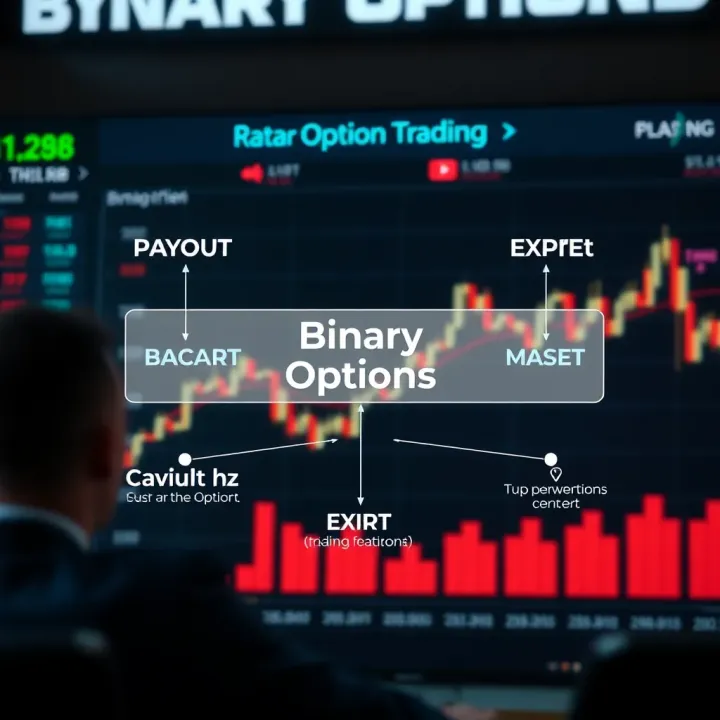
These contracts usually expire quickly — ranging from 60 seconds to a few hours. This short timeframe attracts traders looking for fast outcomes, but it also comes with higher risk.
Traders select the underlying asset, such as currency pairs like USD/ZAR, shares listed on the JSE, indices, or commodities like gold and platinum. The binary option then lets you make a call:
Call option: You predict the price will rise.
Put option: You predict the price will fall.
If your guess matches the price movement at expiry, you earn a payout often between 70% to 90% of your stake. If you’re wrong, you forfeit the initial amount invested.
One practical appeal for South Africans is the ability to trade from home via platforms accessible on desktops or mobile devices. However, the ease also masks the fact that binary options are often compared to gambling rather than investing. The fixed reward and risk mean you must be disciplined and informed to avoid quick losses.
In this article, we'll unpack the pitfalls and regulatory framework around binary options in South Africa, plus share tips to help you trade smarter — especially considering the local market conditions, currency volatility, and regulatory landscape.
Understanding the basics clearly is the first step towards making sound decisions, so let’s move to what sets binary options apart and the risks they bring.
Binary options offer a straightforward way to trade based on the price movement of assets like currencies, stocks, or commodities. Their appeal lies in simplicity: you predict whether an asset's price will be above or below a certain point at a set time. This clear-cut approach attracts many traders, especially those looking for quick results without getting tangled in complex calculations.
A binary option is a financial instrument with just two possible outcomes—win or lose. Imagine you’re betting on the price of gold. If you think the price will rise above R900,000 in the next hour, you buy a call option. If it does, you earn a predetermined payout. If not, you lose your investment. Unlike traditional trading, where profits vary with price swings, binary options pay a fixed amount or nothing at all, making the risk clear from the start.
Trading binary options is largely about timing and prediction. You select the asset, choose an expiry time—say 15 minutes, an hour, or a day—and decide whether the price will go up or down. Your potential payout and risk are fixed before you trade. For example, a platform might offer 80% payout on a successful trade. So, if you invest R1,000 and win, you receive R1,800 (your original R1,000 plus R800 profit). But if you lose, you get nothing back.
Since you know the possible outcome upfront, binary options often feel like a bet. However, they require market analysis and understanding trends to stand a chance of winning.
Unlike traditional investing, binary options remove the guesswork around exactly how much you might win or lose, but that simplicity comes with equal chances of losing your stake.
Several types of binary options contracts exist, offering traders options tailored to different strategies:
High/Low: The most common, where you bet on the asset closing above or below a price.
One Touch: Pays out if the asset’s price hits a certain level at any time before expiry. For example, betting that the Rand will touch R15 to USD at least once during the day.
Range Options: You bet whether the price will stay within or break outside a price range by expiry.
Each type offers unique strategies but also varying levels of risk and reward, demanding traders understand how timing and price movements interplay.

Understanding these basics is crucial before considering trading binary options, especially given the fast-paced and often volatile local market. Knowing how these contracts work helps you gauge risks better and decide if binary options suit your trading style.
Binary options have attracted many retail traders worldwide, including in South Africa, because they offer a straightforward way to participate in financial markets without needing large capital or complicated strategies. Understanding both their appeal and the risks is critical for anyone considering this form of trading.
Binary options simplify trading by focusing on price direction instead of price magnitude. For example, a trader might predict whether the price of the rand against the US dollar will rise within the next hour. This 'all-or-nothing' setup attracts many because it’s easy to understand and fast-paced, often allowing traders to open and close positions within minutes.
Another draw is the fixed-risk, fixed-reward structure. If you buy an option for R200 and the prediction turns out correct, you receive a predetermined payout (usually around 70-90% profit). If not, you lose only the initial amount invested. This clarity on potential outcomes appeals to traders who prefer defined risk exposure rather than open-ended losses.
Plus, online platforms present a low barrier to entry, often requiring a minimal initial deposit. This makes binary options accessible for individuals who might not otherwise enter forex or stock markets due to higher capital needs or complex processes.
Despite these benefits, trading binary options carries significant risks that mustn’t be overlooked. The very simplicity and fixed payout structure can mask the reality that the odds often aren’t in the trader’s favour over time. Many platforms operate with payouts that don’t reflect true probabilities, effectively making the game more like a gamble.
Further, some binary options platforms have faced criticism for lack of transparency and unfair practices. In South Africa, the Financial Sector Conduct Authority (FSCA) has flagged unregulated platforms that may engage in fraudulent activities, such as withholding withdrawals or manipulating prices.
It’s also worth noting that rapid trades can encourage emotional decision-making. A trader chasing quick profits might overlook market analysis or proper risk management, resulting in rapid losses. This issue is exacerbated when traders use borrowed money or invest amounts they can’t afford to lose.
Traders should approach binary options with the same discipline as any other financial instrument, understanding that attractive returns come with equally high risks.
In summary, binary options offer accessible entry and clear outcomes, but traders must beware the pitfalls of misleading odds, regulatory issues, and impulsive trading. Sound knowledge and cautious participation help mitigate risks but never eliminate them entirely.
Binary options trading platforms serve as the main gateway for South African traders looking to engage with this niche market. Choosing the right platform not only influences the trading experience but also the security and legitimacy of your investments. Accessibility here goes beyond just signing up; it involves understanding how well platforms accommodate local payment methods, user interfaces tailored for South Africans, and mobile access, given the widespread use of smartphones.
Several platforms have made themselves relatively well-known among South African users, although few are explicitly local. Platforms like IQ Option and Pocket Option attract users due to their user-friendly design and quick trade execution. Both offer demo accounts, allowing newcomers to practise without risking actual money—a crucial feature when starting out.
Some platforms integrate local payment options, including SnapScan or EFT (electronic funds transfer) through South African banks like FNB and Standard Bank, making deposits and withdrawals smoother. Features like real-time charts, various expiry times, and a range of asset classes (such as forex, indices, and commodities) are commonly provided. However, traders should keep an eye on platform transparency, withdrawal terms, and whether they provide clear regulatory information.
South African traders often face hurdles beyond the trading mechanics. Data costs can be a significant barrier, especially since trading platforms require continuous internet connectivity. According to various reports, data bundles in South Africa remain pricier compared to international standards, which can discourage frequent platform use or live trading sessions.
Also, platform access may be limited depending on the broker's licensing. Some brokers hosted offshore do not always comply with South African financial regulations, which can affect service reliability and recourse if disputes arise. Furthermore, unstable internet connections in certain areas can disrupt trades, causing missed opportunities or unintended losses.
Efficient mobile data management and choosing platforms with lower bandwidth consumption can help mitigate some of these challenges for South African traders.
Understanding these platforms’ features and accessibility issues can help traders make better-informed choices, protecting their capital while navigating the binary options world from within South Africa.
Understanding the regulatory landscape for binary options in South Africa is essential for anyone considering trading these instruments. Unlike traditional financial products, binary options have faced scrutiny over concerns about their high risk and association with scams. For South African traders, navigating this framework means recognising which entities oversee trading activities and how regulations protect consumers — or where gaps remain.
The Financial Sector Conduct Authority (FSCA) is South Africa’s main regulator for non-banking financial markets, including derivatives and investment products like binary options. The FSCA’s role is to ensure market integrity, protect consumers from unfair practices, and enforce compliance with financial laws. In relation to binary options, the FSCA has a mandate to license and supervise providers operating legally within the country.
This supervision includes setting minimum standards for transparency, marketing, and client fund segregation. However, many binary options brokers serving South Africans operate offshore and therefore fall outside the FSCA’s direct control. Traders should confirm whether a platform holds an FSCA licence to avoid unregulated operators. For example, the FSCA frequently advises against dealing with brokers who promise unrealistic returns or have unclear terms.
In recent years, the FSCA has issued repeated warnings to the public about the risks of trading binary options with unlicensed firms. Many such companies exploit loopholes by targeting South African traders via aggressive marketing on social media and messaging apps. The FSCA’s warnings highlight the prevalence of fraud, where clients lose all their investments with little legal recourse.
Furthermore, the FSCA has taken enforcement action against certain entities to halt illegal operations, including court cases and cease-and-desist notices. While these measures don’t eliminate all risks, they act as a deterrent and encourage more responsible trading practices.
South African traders should always verify a broker’s FSCA registration status and be wary of platforms refusing to provide clear terms or those operating exclusively offshore. Taking this step can help avoid falling victim to scams that continue to plague binary options trading.
By staying informed about regulatory updates and agency advisories, traders can better protect their investments and understand the boundaries of legal trading. The regulatory environment, though still evolving, plays a key part in shaping safer market participation for South Africans interested in binary options.
Entering binary options trading without a clear strategy can be risky, especially in South Africa’s unique market environment. This section offers practical tips to help local traders avoid common pitfalls and trade with a sharper eye. Whether you’re just starting out or thinking of upping your game, understanding due diligence and safer practices can make a real difference.
Before putting any money down, it’s vital to research thoroughly. Binary options have attracted scams worldwide, and unfortunately, South African traders have been targeted too. Look for platforms that are licensed by the Financial Sector Conduct Authority (FSCA) or reputable international regulators. For example, beware of brokers promising guaranteed returns or pressuring you to invest quickly — these are red flags.
Check reviews from trusted sources and user feedback on forums like MyBroadband or local Facebook trading groups. Avoid platforms with unclear contact information or those that don’t abide by South African laws like the Financial Intelligence Centre Act (FICA). Also, remember that unsolicited calls or texts offering lucrative deals are often scams in disguise.
Performing your homework can save you from losing serious Rands. No-one wants to fall prey to fraudulent schemes, especially when it’s avoidable.
Start with small amounts and never trade more than you can afford to lose. Binary options essentially work like a bet on an outcome, so treat it as high-risk by nature. Use demo accounts to practise without financial risk; platforms like IQ Option or Binomo offer this feature.
Keep detailed records of your trades, noting what strategies worked and what didn’t. This helps build discipline and recognise patterns in volatile markets. Be wary of platforms asking for large upfront deposits or those that complicate withdrawal processes — quick, transparent payouts are a good sign of legitimacy.
Lastly, stay updated on the broader South African economic climate. For instance, Eskom’s loadshedding can disrupt your internet connection, potentially causing missed trades. Consider having backup power solutions or reliable mobile data as a plan B.
Safety in binary options trading comes from knowledge, preparedness, and cautious optimism. Following these steps won’t remove risks entirely but will keep you ahead of many others who jump in without thinking twice.
📈 Discover how free binary signals work, their risks and benefits, plus tips to find reliable providers for smarter trading in South Africa 🇿🇦.

📊 Learn how graphic trends analysis can boost your binary options trading skills in South Africa. Explore charts, indicators, strategies, and risk tips for smarter trades!
Discover how to access free money for binary options trading in South Africa 💸 Learn bonus rules, spot reliable brokers, and avoid common risks today!

🔢 Learn how to convert hexadecimal to binary easily! Understand numbering systems, manual & automated methods, plus practical applications for everyday use.
Based on 9 reviews