

Best Trading Apps for Beginners in South Africa
📱 New to trading in South Africa? Learn how to pick the right trading app with reviews, security tips, and guidance to start confidently today! 💡
Edited By
Amelia Clarke
Picking the right stock trading app can really make a difference for beginners in South Africa. With loads of options on the market, it’s easy to get overwhelmed by jargon and endless features that might not even suit your needs.
A good starting point is knowing what makes a trading app user-friendly and reliable. Look for apps that offer a simple, clean interface so you can place trades quickly without hunting through menus. Also, check if they provide educational resources or demo accounts—these are lifesavers when you're just starting out.

Costs play a big role too. Some apps charge a flat fee per trade, while others take a percentage of your transactions. A few charge monthly subscriptions, which can sneak up on you if you’re not careful. In South Africa, popular platforms like EasyEquities, FNB Share Investing, and Standard Bank Online Share Trading offer different fee structures. For instance, EasyEquities tends to be more budget-friendly for small investors due to lower fees.
Security can’t be ignored. Make sure the app complies with South African financial regulations and uses strong encryption methods. Multi-factor authentication is a must-have to keep your account safe from hackers. Remember, your savings depend on it.
Also consider the range of stocks and shares available — whether you want local JSE-listed companies or international markets. Some apps limit you to South African stocks, while others open doors globally.
Tip: Start small and don’t rush. The best trading app is the one that fits your investing style and helps you learn without working against you.
In short, finding the best app involves weighing ease of use, fees, security, and market access. Knowing these basics will keep you on track as you begin your investing journey with confidence.
Choosing the right stock trading app matters a lot, especially when you're starting out. For beginners, the learning curve can be steep, and having an app that caters to their needs can make all the difference. A suitable platform should simplify investing without compromising safety or access to markets. That means the app needs to balance straightforward usability with solid security and regulatory safeguards. Without these, beginners might either get overwhelmed or expose themselves to unnecessary risks.
Investing can be intimidating for someone new, so an intuitive, easy-to-navigate interface is vital. Think of it like a well-marked road through a busy city – you shouldn’t need a map every five steps. An app with clear menus, simple trade execution, and straightforward portfolio views helps avoid confusion and mistakes. For example, EasyEquities is well-known for its clean design that doesn’t bombard users with complicated jargon or unnecessary charts.
For those still learning the ropes, having educational materials built into the app is a huge help. It could be short videos, articles, or interactive tutorials that explain basic concepts like what shares are, how dividends work, or the meaning of market indices. This feature turns the app into a mini classroom where beginners can build confidence and make smarter choices. Some platforms offer demo accounts or virtual trading features too, which let users practise without risking real money.
While trading on the JSE (Johannesburg Stock Exchange) is the obvious starting point, beginners should look out for apps that also provide access to global markets. This opens up opportunities for diversification and exposure to sectors not well represented locally, like US tech giants or European funds. However, dealing with foreign shares can bring extra costs like currency conversion, so the app should clearly explain these charges upfront.
Trading platforms operating in South Africa must follow the Financial Intelligence Centre Act (FICA) and regulations set by the South African Reserve Bank (SARB). These rules ensure investor identity verification, prevent money laundering, and control foreign exchange transactions. When opening an account, expect to provide ID documents for RICA verification. Compliance means the app operates legally and helps protect users against financial crime.
With sensitive personal and financial data involved, robust security measures are non-negotiable. Leading apps use strong encryption to safeguard information and prevent hacking. If the platform offers two-factor authentication (2FA), that's a plus, adding an extra layer of protection against unauthorised access. Without these, you risk your details falling into the wrong hands.

Good trading apps keep your money separate from their operating funds, a practice known as client fund segregation. This means that in case the broker faces financial trouble or liquidation, your investments remain protected and aren’t used to pay off the company's debts. It's a kind of guarantee that your funds are held safely and not mingled with the company's cash flow.
Understanding these practical needs—usability, education, market access, and solid security—is key for beginners to choose a trading app that supports confidence as well as safety in their investing journey. Beginners, don’t sign up before checking these points off.
Choosing the right stock trading app means balancing several factors, and comparing popular platforms helps you find one that fits both your investment style and local needs. With a growing number of apps targeting South African investors, each offers unique features, pricing structures, and market access. This section breaks down the most common choices so you can weigh their strengths practically.
EasyEquities: affordability and accessibility
EasyEquities has made investing accessible to a wide audience by offering low-cost trading with minimal fees. Its strength lies in fractional share investing, meaning you can buy small portions of expensive shares, which is great if you’re starting with a modest budget. For example, instead of paying several thousand rand for a full share of a JSE-listed company like Naspers, you can invest just a few rands. This approach removes typical barriers and encourages consistent investing.
Plus, EasyEquities supports both South African and international stocks, allowing users to build diversified portfolios without fuss. Its straightforward registration and user-friendly app make it less intimidating for first-timers still learning the ropes.
SatrixNOW: focus on ETFs and unit trusts
If you’re keen on exchange-traded funds (ETFs) or unit trusts, SatrixNOW specialises in these. ETFs pool many securities into one investment, spreading risk — an ideal option if you want broad market exposure without picking individual shares. SatrixNOW's platform offers a wide selection of locally-listed ETFs that track different sectors and indices, like the Top 40 or bonds.
This platform's clear focus allows investors to tap into passive investing strategies with transparent fees. Plus, these funds often require lower initial amounts compared to buying many individual shares. For South African investors, this is an efficient route to portfolio diversification.
Standard Bank Online Trading: banking integration
For those who prefer having everything under one roof, Standard Bank Online Trading integrates directly with your bank account. This means seamless transfers between your current or savings account and your trading wallet, cutting out delays or extra verification steps.
It's especially convenient for clients who want to manage their money and investments through a single interface. The platform generally supports JSE-listed shares but may have higher fees than more specialised apps. Still, the familiarity and trust of a major bank can be comforting if you’re cautious about dipping into stock markets.
App stability and performance
Reliable performance is critical. An unstable app can lead to missed trades or frustration during market swings. Many users find that desktop platforms provide greater stability, especially for research-intensive tasks. However, mobile apps prioritise ease of use and quick access.
Most popular apps offer both versions, but the mobile experience can vary widely. For example, EasyEquities’ mobile app is well-optimised and responsive, while others sometimes lag or crash during heavy market activity. It pays to test each before committing.
Toolsets available on each platform
Desktop platforms often offer more comprehensive tools like advanced charts, technical analysis features, and bulk order capabilities. In comparison, mobile apps might limit these to keep the interface clean and simple.
If you’re a beginner, mobile apps’ simpler tools can be advantages as they reduce overwhelm. But if you want to grow into more serious trading, make sure the platform supports richer features on desktop.
Notifications and real-time updates
Staying informed matters, especially when share prices shift rapidly. Apps that provide timely notifications for price changes, dividends, or news can help you react sooner.
For instance, SatrixNOW sends alerts on ETF movements and market news, while Standard Bank's app might integrate banking alerts alongside investment updates. Customisable notifications give you control over what alerts matter most, preventing information overload.
Picking the best stock trading app isn’t just about fees or markets—it’s about the full experience from investing basics to daily usability. Compare your options carefully to find the platform that fits your style and goals.
When picking a stock trading app, the costs and limitations involved often make or break the experience for beginners. Keeping track of all the fees and knowing the minimum deposit or trade sizes helps avoid nasty surprises. Ignoring these basics risks eating into your returns faster than you expect.
Trading fees mainly come in two forms: brokerage fees and platform fees. Brokerage fees refer to the cost charged whenever you buy or sell a share. For instance, EasyEquities offers low brokerage fees, making it a hit for people starting with smaller amounts. Platform fees, on the other hand, might be ongoing charges simply for using the service, regardless of how much you trade. Some platforms like SatrixNOW may charge a modest monthly fee for access to their tools and data.
Deposit and withdrawal charges can also add up. While some apps waive these fees to stay competitive, others might charge you for moving cash in or out. Say you deposit R1,000 but get hit with a R25 fee; that’s 2.5% gone before you even buy your first share. It pays to double-check if the app charges for South African bank transfers or international deposits.
Foreign shares introduce currency conversion costs. If you’re keen on buying US or UK shares, the platform usually converts your Rand to dollars or pounds. This can come with a conversion fee or unfavourable exchange rates. For example, Standard Bank Online Trading tends to charge a conversion cost that might catch beginners off guard. Knowing these fees helps you budget accordingly and avoid hidden expenses eating into your returns.
Most trading apps require a minimum initial deposit to open an account. This amount varies widely – from as little as R100 on some platforms to a few thousand rand on others. For beginners with limited capital, starting with a low minimum deposit app like EasyEquities can make investing feel less daunting.
Monthly or yearly account fees are another element. Some platforms charge upwards of R50 per month simply for account maintenance, which can quickly add up if you’re trading on a shoestring budget. It’s worth weighing these fees against the services offered. For example, if you don’t trade often, a fee-free account with limited tools might suit you better.
Trade size limitations are important too. Certain platforms set minimum and maximum trade amounts per transaction. This matters if you want to test strategies with micro-investments or, conversely, make bulk trades. For example, SatrixNOW might require a minimum trade of R1,000 on some ETFs, which may exclude smaller-scale investors.
Always read the fine print around costs and limits. A stock trading app that looks perfect but charges hefty hidden fees can quickly drain your capital. Starting with a clear picture of fees and requirements helps keep your investing journey on track.
By carefully considering fees, deposit rules, and trade size limits, beginners in South Africa can find the best stock trading app that aligns with their budget and goals. This practical knowledge cuts down frustration and sets you up for smoother trading ahead.
Getting started safely with stock trading apps lays a solid foundation for your investment journey, especially when you’re new to the game. Ensuring your account is correctly set up, combined with a straightforward investment plan, can protect your money and reduce the stress tied to market fluctuations.
RICA verification and documentation are mandatory steps in South Africa to comply with the Regulation of Interception of Communications and Provision of Communication-related Information Act. This process confirms your identity and curbs fraud, helping the app provider abide by anti-money laundering rules. You’ll need documents such as your South African ID or passport, proof of residence, and sometimes a recent utility bill. Without completing RICA verification, you won’t be able to trade or withdraw funds, making it a non-negotiable step.
Choosing the right account type is vital because different platforms offer various options tailored to beginners, retail investors, or traders. For example, a standard individual brokerage account suits casual investors, whereas others might offer tax-free savings accounts (TFSAs) or retirement annuities. Each has its tax implications and rules, so understanding which fits your financial goals avoids surprises later on. If unsure, it’s worthwhile consulting with a financial advisor or using the app’s own educational resources to make an informed decision.
Configuring security settings protects your hard-earned money. Most apps let you enable multi-factor authentication (MFA), which requires a code from your mobile device on top of your password. You should also set strong, unique passwords and regularly update them. Avoid logging in over public Wi-Fi without a VPN, and keep an eye on your transaction alerts. Security features like biometric login (fingerprint or facial recognition) add an extra layer of safety that's handy for everyday use.
Diversification basics mean spreading your money across different shares or ETFs to reduce risk. Instead of putting all your R5,000 into one company like Sasol or Naspers, divide it across sectors such as mining, retail, or technology. This reduces the impact if one company or sector dips. While beginners often focus on local shares, don’t forget some exposure to international markets via ETFs, which many South African apps now offer.
Using demo accounts or virtual trading helps you get comfortable without risking real money. Many popular apps like EasyEquities provide a virtual portfolio where you can practice buying and selling shares. It’s like a flight simulator for investing – you get the hang of order types, market timing, and platform navigation before going live.
Regular monitoring without overtrading strikes a balance between staying informed and not getting caught in emotional rash decisions. Set a schedule to check your investments, perhaps once a week or month, rather than logging in multiple times daily. Overtrading can rack up costs due to fees and might lead you to buy or sell on short-term noise instead of sticking to your plan. Consistency and patience often serve investors better.
Starting smart and safe with a stock trading app is less about complex strategies and more about sound setup and steady habits. That's how beginners protect their capital and build confidence.
By focusing on these practical steps, you set yourself up for a smoother ride into the stock market. The goal is long-term growth, not short-lived excitement.
📱 New to trading in South Africa? Learn how to pick the right trading app with reviews, security tips, and guidance to start confidently today! 💡

Looking for the best trading apps for beginners in South Africa? Discover user-friendly platforms, cost tips, safety advice, and local rules to start trading with confidence 📱💸.

📈 Learn forex trading basics for South African beginners, covering local rules, global markets, risk tips & safe start steps. Trade smart with confidence! 🇿🇦
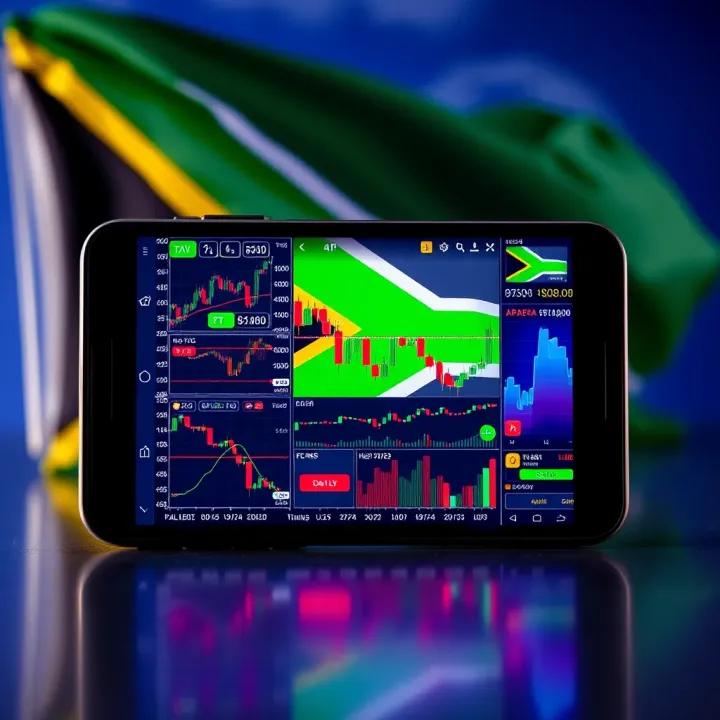
Discover how to pick the perfect forex trading app in South Africa 🇿🇦. Compare platforms, features, and regulations to suit your trading style and goals 📱💹.
Based on 9 reviews