

Binary Options Trading Guide for South Africans
📈 Discover how binary options trading operates in South Africa, including legal tips, risk management, and smart strategies to trade responsibly and confidently.
Edited By
Benjamin Scott
Binary options trading offers a straightforward way to engage with financial markets through fixed payouts and predictability. However, this simplicity often masks the risks involved, making effective strategies crucial for consistent results. For traders in South Africa, where market access, regulatory considerations, and economic conditions present unique challenges, having a solid grasp of reliable binary options approaches is vital.
This article focuses on practical techniques South African traders can use to navigate the binary options environment with discipline and realistic expectations. It covers the key principles behind binary trading, essential risk management steps, and popular strategies that have proven effective in real trading scenarios.
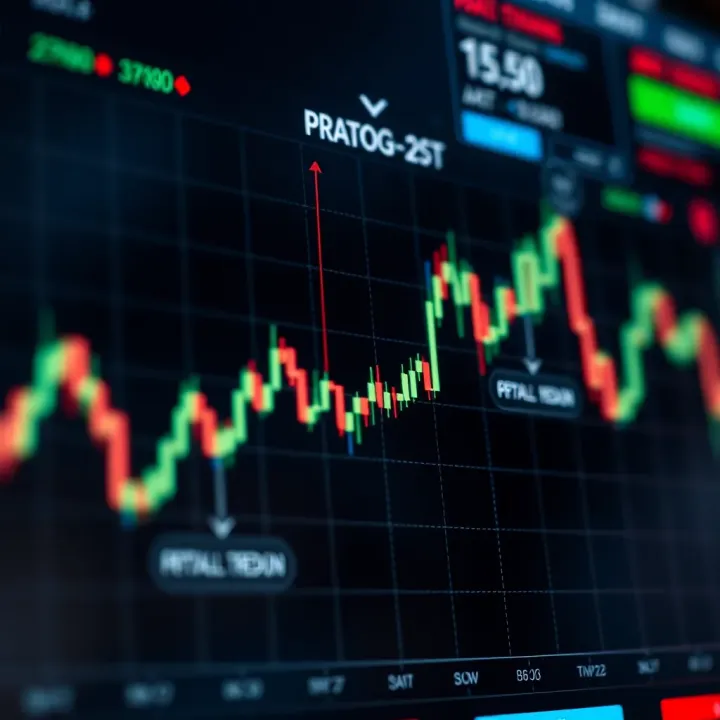
Binary options work by predicting whether an asset's price will rise or fall within a set timeframe. Success hinges on accurate market analysis and timing. South African traders can apply both technical tools—like moving averages, RSI (Relative Strength Index), and candlestick patterns—and fundamental factors, such as economic announcements or commodity price shifts (e.g., gold or platinum). These assets often influence the rand and provide fruitful trading opportunities.
Remember: No strategy guarantees profits every time. Consistency comes from combining sound techniques with money management and emotional control.
Risk management is a core pillar of successful trading. Never risking more than 2-5% of your trading capital on a single option helps cushion against streaks of losses. Furthermore, spreading trades across different assets or expiry times reduces exposure. For example, instead of placing one large bet on a rand-dollar move, spreading smaller trades across the day against various currency pairs or indices can smooth returns.
South African traders must also consider local realities such as data costs and intermittent internet connectivity, which can impact access to trading platforms. Choosing brokers regulated by recognised authorities and transparent about their terms reduces the risk of scams.
In summary, binary options trading in South Africa demands a disciplined, informed approach. Employing practical strategies backed by sound analysis and tight risk management lays the foundation for sustainable trading outcomes. With patience and steady refinement, traders can enhance their edge in this challenging market.
Grasping the basics of binary options and the risks involved is essential before you put money on the line. This knowledge forms the foundation for making smarter decisions and managing expectations in trading. Knowing exactly how binary options work can save you from costly mistakes and help you spot potential opportunities more clearly.
Binary options are a form of trading where you predict whether an asset's price will be above or below a certain level at a specific time. Imagine betting on whether the JSE Top 40 index will close higher or lower by the end of the day. The payout is fixed: either you win a pre-agreed amount or lose the stake. There’s no middle ground or partial wins, which makes this a straightforward but high-risk product. The simplicity appeals to many, but the stakes can be steep.
Binary trading carries several risks that every trader should know about. The most obvious is the all-or-nothing payoff, which can lead to rapid losses if predictions don’t pan out. Plus, high volatility around events like SARB interest rate announcements can cause sudden price swings, catching traders off guard. Another risk is the potential for scams or unreliable brokers, especially in less-regulated spaces. To illustrate, some traders have lost money when brokers refused to honour payouts or manipulated prices.
Besides financial risk, the addictive nature of quick returns might encourage reckless trading. It’s easy to chase losses and overtrade, wiping out your capital faster than expected. Good risk management and self-discipline help keep this tendency in check.
Remember, knowing the risks doesn’t mean avoiding them entirely but managing them wisely to protect your capital.
South Africa’s financial landscape is overseen by the Financial Sector Conduct Authority (FSCA), tasked with regulating market conduct and consumer protection. The FSCA prohibits local brokers from offering binary options trading to retail clients, aiming to shield South African investors from risks associated with these products. However, international brokers still market binary options to South Africans, operating in a grey zone.
Because of this, South African traders should exercise caution and prefer brokers registered with recognised authorities. Verifying FSCA registration or global regulators like CySEC or FCA adds a layer of safety. Also, keep in mind that funds deposited offshore may not enjoy the same protections as those with licensed local brokers.
Understanding these basics provides you with a solid footing before trading binary options. Knowing what you’re dealing with, recognising risks, and grasping the regulatory limits in South Africa helps you plan your strategy and avoid unnecessary pitfalls.
Success in binary options trading doesn't come from luck—it hinges on a set of solid principles that help traders make informed and level-headed decisions. Let’s explore the key foundations that pave the way for more consistent trading outcomes.
Setting achievable profit targets is the backbone of any trading approach. In binary options, aiming for unrealistic returns can quickly drain your capital. For instance, expecting to double your R10,000 account in a week is not just optimistic; it’s risky. Instead, focus on modest, steady gains—say 5% to 10% monthly—that allow your capital to grow while managing risk effectively.
A practical tip is to set clear profit goals before each trading day. If your target is to grow by R500, walk away once you hit it. This stops losing streaks from eating into previous gains. It also helps maintain balance between aggressive trading moves and capital preservation.

Discipline is the unsung hero in binary trading. Without it, even the most promising strategy falls apart. For example, traders who chase 'must-win' trades after a loss often throw their plan out the window, leading to bigger losses. Sticking to your strategy, following your predefined trading rules, and not banging the keyboard when emotions flare up make all the difference.
Patience plays right into this mix. Waiting for the right setups or signals, rather than getting into trades just for action, reduces costly mistakes. Take your time to analyse charts, indicators, or economic news before placing trades. The market won't go anywhere, and rushing only ruins prospects.
Many traders underestimate how much emotions impact their decisions. Feelings like fear, greed, or overconfidence often lead to impulsive trades or ignoring stop-loss rules. For example, a trader who just suffered a loss might try to 'revenge trade' with bigger stakes to recoup quickly. This usually worsens losses.
Managing these psychological traps means recognising your emotional state and having measures to counteract it. Keeping a trading journal where you note your feelings and mistakes helps identify recurring issues. Techniques such as taking short breaks during hectic sessions or practising mindfulness can steady the nerves. Remember, successful trading is as much about controlling yourself as it is about the market.
Maintaining discipline and managing emotional responses aren't just helpful—they are critical to avoid costly errors and stay in the game longer.
Embracing these principles will turn your binary trading from guesswork into a calculated, strategic endeavour. By setting proper profit targets, exercising discipline, and managing your emotions, you build a foundation that helps weather the market's ups and downs more confidently.
Popular strategies in binary options trading offer practical ways to navigate market moves and help traders make informed decisions. These methods are not one-size-fits-all but provide frameworks to identify potential entry and exit points. Understanding these strategies can improve consistency and reduce guesswork, which is vital when dealing with the fast-paced and high-risk world of binary options.
Moving averages smooth out price data to reveal the underlying trend direction. For instance, a simple moving average (SMA) calculated over 20 periods shows the average price over the last 20 ticks. When the current price crosses above this average, it may indicate upward momentum, signalling a potential 'call' option. Conversely, if the price drops below the moving average, a 'put' option might be appropriate. This method helps traders spot trends early without getting confused by short-term noise.
Support and resistance levels act as psychological barriers where prices tend to reverse or pause. For example, if a currency pair has repeatedly bounced off R15.00, that level becomes support. Selling or putting trades near resistance levels, where price struggles to go higher, can be worthwhile. Knowing these levels allows traders to plan trades with better risk-reward ratios, especially in binaries where timing expiry is crucial.
Price channels occur when an asset moves consistently between parallel support and resistance lines. Imagine a stock that oscillates between R20 and R22 over several hours; this creates a horizontal price channel. A trader might buy a 'call' option near the lower channel and a 'put' near the upper border, anticipating the price will stay range-bound. This approach works well when markets lack clear trends and helps avoid false breakouts.
Indicators like the Relative Strength Index (RSI) and Stochastic Oscillator are handy tools in range markets. These indicators measure momentum and can show when an asset is overbought or oversold. For instance, an RSI above 70 might signal an overbought condition, suggesting a potential downturn. Combining these indicators with price action confirmation sharpens entry points for binary trades in flat markets.
Tracking economic calendars is crucial for traders aiming to benefit from scheduled events like interest rate decisions or employment reports. These releases often trigger sudden price movements. By knowing when these announcements happen, traders can plan binary options that expire just after the news, capturing potential volatility swings.
Volatility during news events can be a double-edged sword. While it creates opportunities for profit, it also increases risk. For example, a sudden spike might trigger immediate wins or abrupt losses if the market moves too quickly. To manage this, it’s wise to reduce trade size, avoid uncertain outcomes, or use short expiry times matching market reaction speeds. Being cautious around these times can protect your capital and improve your chances of success.
Using suitable strategies adapted to current market conditions—be it trending, ranging, or news-driven—enhances your ability to make timely, well-informed binary option trades that balance risk and reward effectively.
Managing risk is the backbone of sustainable binary options trading. Without a solid risk management framework, even the best strategies can lead to heavy losses. Capital preservation means protecting your trading funds so you can stay in the market longer and capitalise on more opportunities. For South African traders, where market volatility can be amplified by local events and global shifts, having control over risk is not a luxury — it's a necessity.
Choosing the right trade size is about balancing potential reward with a level of risk that doesn't jeopardise your overall capital. A common approach is risking only one to two percent of your total trading capital on a single trade. For example, if you have R10,000 in your trading account, placing trades worth R100 to R200 helps limit the damage if a trade goes south. Larger stakes might tempt you with higher gains but expose you to bigger hits, which can quickly tank your account.
Using smaller trade sizes allows you to absorb a losing streak without wiping out your funds. It also encourages more disciplined trading — if you're tempted to overtrade or chase losses, smaller stakes keep your emotions in check.
In binary options, these traditional risk tools work a bit differently than in other markets but still play a vital role. A stop-loss helps limit losses by defining the worst acceptable outcome, while a take-profit marks the target where you accept gains and exit. Even though binary options usually have fixed payouts, applying this mindset can guide your entry and exit decisions.
For instance, if you’ve identified a trade with a 70% payout, you can calculate expected risk and reward to determine if the trade fits your plan. If the risk outweighs the potential gain, it might be better to skip the trade. Such discipline prevents reckless wagers on every signal or tip.
Spreading your trades across different assets or strategies helps minimise risk. Relying solely on one currency pair or stock can backfire if sudden news hits that market hard. Instead, mix trades between indices, commodities, and forex to balance your portfolio.
Avoid piling on the same kind of trade repeatedly, which is a common trap. For example, placing half your available capital on short-term EUR/USD options and the other half on long-term gold options offers a buffer against volatility. This way, a bad move in one area doesn't wipe your whole account.
Effective risk management isn’t about avoiding losses entirely but about surviving big splashdowns so that, over time, your wins outnumber your losses.
Mastering these elements is straightforward but requires consistency. The practical benefits include steadier growth, less stress during turbulent times, and a better chance at turning trading into a viable income stream rather than a costly gamble.
Having the right tools and resources is a must for anyone serious about binary options trading. These elements not only make trading smoother but also help you make more informed decisions, reducing the guesswork that can lead to losses.
Charting software forms the backbone of technical analysis in binary options trading. It visualises price movements and helps you spot trends, support and resistance levels, and possible price reversals. For instance, platforms like TradingView and MetaTrader offer extensive charting capabilities with multiple technical indicators such as RSI (Relative Strength Index), Bollinger Bands, and moving averages. These indicators can signal when a market is overbought or oversold, which is handy for timing trades.
Choosing software that updates in real time and allows you to customise indicators according to your trading strategy can give you a serious edge. Quick response to market changes is crucial in binary trading, where decisions need to happen fast.
Your choice of broker can make or break your trading experience. Look beyond flashy adverts and ensure your broker is licensed and regulated by respected authorities, ideally ones recognised internationally or by local bodies. In South Africa, choosing brokers compliant with Financial Sector Conduct Authority (FSCA) regulations offers an added layer of security.
Platform features matter too. A user-friendly interface, fast execution speeds, low latency, and reliable customer support are key. Some brokers offer additional perks such as demo accounts, educational centres, or mobile apps. For example, the popular broker IQ Option is favoured for its intuitive platform and variety of assets to trade, including cryptocurrencies and forex.
Trading education is not optional – it’s essential. Good brokers provide training materials, video tutorials, webinars, and even live support to help traders understand market mechanics and strategies. For newcomers, practice accounts (demo accounts) are invaluable. They let you trade with virtual funds, so you can test your strategies without risking real money.
This hands-on experience builds confidence and helps you learn the platform's nuances. Many South African platforms, including those from local brokers, offer these features, making them worth considering early on.
Always remember, tools and resources form the foundation of sound trading. They reduce risk by helping you analyse the market better and stay disciplined with trading techniques.
In essence, pairing solid charting software, a trustworthy broker, and robust education tools will give you a more rounded and practical approach to binary options trading. This setup not only sharpens your skills but can also protect your capital as you navigate volatile markets.
📈 Discover how binary options trading operates in South Africa, including legal tips, risk management, and smart strategies to trade responsibly and confidently.

Discover how to access free money for binary options trading in South Africa 💸 Learn bonus rules, spot reliable brokers, and avoid common risks today!

⚠️ Learn how to spot and avoid binary options scams targeting South Africans. Get practical tips, spot warning signs, and know where to report for help locally.

📱 Get to know binary trading apps in South Africa: how they work, key features to watch, legal points, and tips to trade safer and smarter with your Rand.
Based on 12 reviews