

Choosing the Best Trading App in South Africa
📈 Discover how to pick the perfect trading app in South Africa! Learn about platform types, features, costs, security, and local rules for smarter trades.
Edited By
Ethan Hughes
Choosing a trading app in South Africa isn't as simple as picking the flashiest or most popular option. It means weighing up several key factors to ensure the app matches your investing style, budget, and trust requirements.
South African investors often juggle the need for access to both local stocks on the JSE (Johannesburg Stock Exchange) and international markets. So, your trading app should ideally offer variety without overcomplicating the experience.
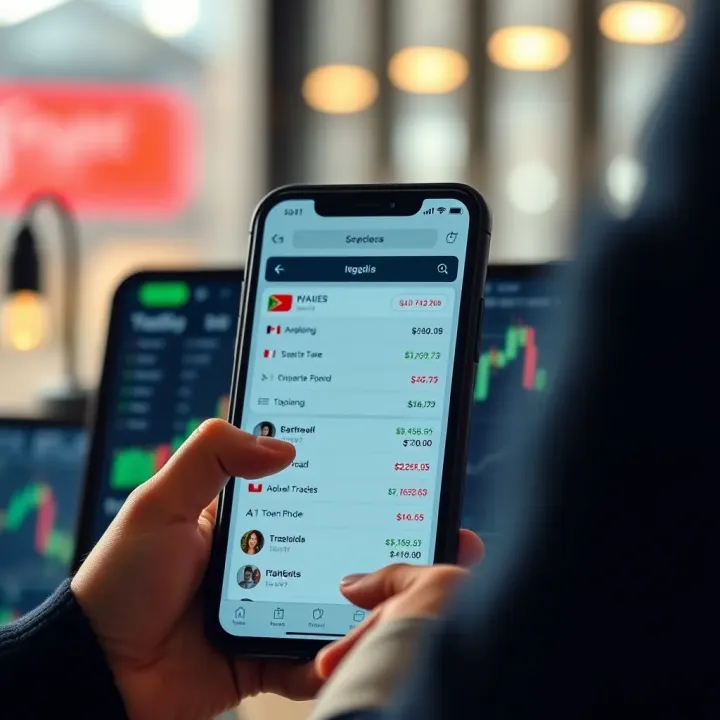
A trustworthy trading app should put your money and data security first while giving you clear, easy tools to make informed decisions.
User Experience and Interface: A smooth, intuitive app saves time and avoids costly mistakes. Look for clean layouts and quick navigation. For example, interfaces that let you filter shares by sector or dividend yield can speed up your research.
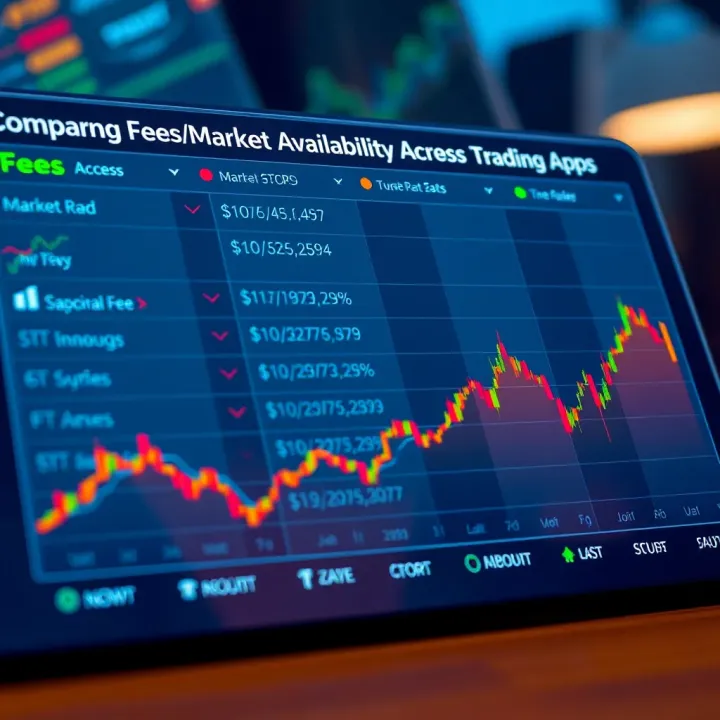
Fee Structure: Broker fees and transaction costs eat into your returns. Some apps charge a flat rate per trade, others a percentage of the trade value. Also, watch out for hidden costs on currency conversion if you’re trading offshore shares.
Regulation and Compliance: Confirm the app is authorised by South African regulators like the Financial Sector Conduct Authority (FSCA). This protects you against scams and plagiarism.
Range of Markets and Instruments: Whether you want shares, ETFs, or even fractional investing, check what’s on offer. Local apps may focus on the JSE alone, while others provide broader international exposure.
Funding Options and Speed: How do you add or withdraw money? Popular apps accept EFTs, debit cards, or even SnapScan payments. Plus, fast fund transfers mean you won’t miss market opportunities.
Research and Educational Tools: Many apps now offer integrated news feeds, charts, and tutorials. For example, an app with live market alerts can help you stay ahead during volatile sessions.
Grabbing a feel for these factors helps you avoid costly surprises. Your trading app should feel less like a maze and more like a tool that grows with your investing journey.
When choosing a trading app, especially in South Africa where market conditions and regulations have their quirks, it pays to zero in on a few key elements. The right app not only simplifies trading but can also save you money and help protect your investments. Think of it as choosing a bakkie for a tough trip: reliability, fuel efficiency, and load capacity all matter.
Simple navigation for beginners is vital. If you're new to trading or not exactly a tech wizard, a cluttered screen or confusing menus can easily lead to costly mistakes. Apps like EasyEquities understand this by offering straightforward buying and selling processes, clear charts, and intuitive layouts – a bit like having an experienced mate guiding you through your first braai. This simplicity helps users focus on learning the ropes rather than wrestling with software.
Customisable layouts for experienced traders come into play when your skills grow. Traders who track numerous stocks or use multiple monitors benefit from apps allowing them to tailor dashboards. For example, being able to drag and drop charts, add technical indicators, or set up quick-access watchlists helps react swiftly to market moves. Some local platforms provide this flexibility, which makes managing complex portfolios less of a headache.
Commission versus zero-commission models can make a notable impact on your returns. While zero-commission apps might seem cheaper upfront, they often include other charges, such as wider spreads or currency conversion fees. Commission-based apps might suit those doing larger or less frequent trades, avoiding extra hidden costs. It’s good to weigh your trading habits before deciding.
Hidden fees to watch out for include charges for withdrawals, inactivity, or data costs. These often creep in unnoticed and eat into your profits over time. For instance, some apps charge a withdrawal fee if you cash out frequently; others impose a monthly account fee even if you haven’t traded. Being vigilant about these ensures you’re not caught off guard.
Impact of currency conversion fees is particularly relevant if you trade international shares. Most South African apps convert Rands to the dollar or euro when buying foreign stocks, and the exchange rate margin plus conversion fee can hike your costs. If you plan to trade US ETFs or shares regularly, look closely at these fees; some platforms offer more favourable rates than others.
Access to local JSE stocks remains foundational. Many South African investors prefer familiar territory, and a good app should provide comprehensive JSE coverage with real-time prices. It’s convenient when your trading platform supports local brokerage and settlement rules for seamless transactions.
Options for international shares and ETFs broaden your horizons beyond the JSE, allowing you to tap into global giants like Amazon or Tesla, or spot up-and-coming foreign ETFs. This diversification can balance risk but requires apps supporting multiple currencies and global regulatory compliance.
Availability of derivatives and forex trading takes things up a notch. For seasoned traders, the ability to trade contracts for difference (CFDs) on indices, commodities, or currency pairs offers opportunities to hedge or speculate. However, these instruments come with higher risks, so platforms providing clear information and controls are preferable.
Compliance with FSB regulations (Financial Sector Conduct Authority) means you’re dealing with a platform that meets South Africa’s financial rules. This compliance reduces the chances of scams or unlicensed activities, giving peace of mind when you invest your hard-earned Rands.
Data protection under POPIA (Protection of Personal Information Act) safeguards your personal and financial information. Trading apps that adhere strictly to POPIA encryption standards prevent unauthorised access or breaches, crucial when you consider the sensitive nature of banking and investment data.
Encryption and account security features such as two-factor authentication (2FA), biometrics, and end-to-end encryption shield your account from hacking or fraud. A robust security setup is non-negotiable – a weak link here can lead to irreversible losses.
A trading app is only as good as its ability to serve your needs securely, affordably, and in a way that fits your trading style. Prioritising these factors upfront means you’ll spend less time troubleshooting and more time growing your portfolio.
By focusing on ease of use, costs, market access, and robust security, South African investors can find a trading app that isn’t just a tool but a dependable partner on their investment journey.
Choosing the right trading app means understanding what’s on offer locally and internationally. Popular trading apps in South Africa vary in focus, from platforms specialising in Johannesburg Stock Exchange (JSE) shares to those tapping into global markets. Knowing the strengths and features of these apps helps investors pick one that matches their needs, whether they’re starting out or already experienced.
Local brokerage apps provide access to JSE-listed shares, bonds, and exchange-traded funds (ETFs), which form the backbone of South African retail investing. Platforms like EasyEquities, SatrixNOW, and Standard Bank Online Investing are well-known players catering to everyday investors with affordable fees and straightforward account setup. These apps usually offer intuitive interfaces designed to simplify trading on the local bourse.
User experience on these apps matters a lot, especially for those new to trading. Smooth navigation, clear charts, and reliable order execution are important. Funding options typically include instant EFT from major banks like FNB and ABSA, as well as debit or credit card payments. Some apps also allow recurring investments or debit orders, helping investors steadily build portfolios without the hassle of manual payments.
Access to US and other global markets is becoming increasingly popular among South African investors seeking diversification beyond local stocks. Platforms like Interactive Brokers, eToro, and Plus500 offer trading in US shares, global ETFs, and even some derivatives. These apps usually require a bit more familiarity with international markets, tax implications, and settlement processes.
Currency exchange plays a key role when dealing with offshore assets. Trading apps often convert Rands to US Dollars or other currencies at the point of purchase, which can add extra costs depending on the exchange rate and fees charged. Some platforms offer multi-currency accounts that help mitigate conversion fees by holding multiple currencies. It’s wise to check the foreign exchange terms clearly before committing.
Mobile-first trading apps with social features provide an engaging way to stay connected with market trends and fellow investors. Apps like eToro combine trading with a social feed where users share insights, trade ideas, and market news. This community element can offer fresh perspectives, but it’s essential to maintain independent judgement when following others.
Copy trading, where beginners mirror the trades of more experienced investors, is a handy feature on some platforms. Alongside this, educational tools such as tutorials, webinars, and market analysis help users level up their skills. These apps create a learning environment that suits both newcomers and those wanting to stay sharp on their trading strategies.
Popular trading apps vary widely in features and focus, so it’s best to identify your priorities—whether local share access, global markets, or social learning—and choose accordingly.
By understanding these key app types, South African investors can make informed choices that align with their trading experience, goals, and budget constraints.
Comparing costs and benefits is a key step when choosing a trading app in South Africa. Trading apps differ widely in fee structures, execution speed, and the quality of customer support. These factors affect not only your potential returns but also the ease and enjoyment of trading. Understanding the trade-offs helps you pick an app that fits your investing style and budget.
Trading apps usually charge fees either as a flat amount per trade or a percentage of the trade value. Flat fees, like R50 per trade regardless of size, can be beneficial for larger transactions since the cost doesn’t grow with the amount. Percentage fees, for example 0.25% per trade, tend to suit smaller trades because you pay proportionally less. If you mostly buy and sell shares worth R5,000 or less, percentage fees might save you money. But if your trades often exceed R20,000, flat fees could reduce the cost drag on your returns.
Besides trade fees, some platforms levy monthly or annual account charges to cover administrative costs. These can range anywhere from R20 to R100 per month. While small for active traders, extra charges might eat into profits for those who trade less frequently, especially if the platform doesn’t offer zero-commission trades. Also, check if these fees are waived for maintaining minimum account balances or regular trading activity.
Fast trade execution matters because share prices fluctuate quickly. A delay of even a few seconds can change the price you get. For example, during volatile periods — like corporate results announcements or global market swings — sluggish execution could mean buying shares at higher prices or selling at lower prices than intended. Reliable platforms use efficient technology to keep execution near real time, giving traders a fair shot at their target prices.
Platform downtime presents a different challenge. If the app freezes or the servers go offline, you lose the ability to place or manage trades. In South Africa, where load shedding and internet disruptions can happen, downtime risk is real. An app with a strong uptime record and offline features, like queued orders or SMS trade confirmations, improves your chances of managing trades even during disruptions.
Having access to helpful local customer support makes a big difference. If you hit a technical snag or need assistance with deposits, someone who understands South African banking and trading rules can fix issues faster. Some platforms offer call centres in South Africa, while others rely on email or chat support with delayed responses.
Educational content and tutorials are another plus, especially if you’re new or still learning advanced strategies. Resources tailored for South Africans — covering JSE market nuances, tax implications with SARS, or managing load shedding effects on trading — add practical value. Videos, webinars, and step-by-step guides can boost confidence and improve your trading outcomes.
Comparing costs and benefits upfront lets you avoid surprises and choose the trading app that balances affordability, efficiency, and support for your unique needs.
Starting with a trading app in South Africa requires understanding the necessary steps to register, fund your account, and begin trading wisely. This section breaks down the key practicalities to get you going efficiently without unnecessary headaches.
Before you can start trading, most South African platforms will require you to complete registration linked to the Regulation of Interception of Communications and Provision of Communication-Related Information Act (RICA) and the Financial Intelligence Centre Act (FICA). RICA ensures your identity is verified to prevent fraud, while FICA focuses on anti-money laundering compliance. For example, you will need to submit certified copies of your South African ID or passport, proof of address (like a recent utility bill), and sometimes a selfie for biometric confirmation.
This process may seem a bit tedious, but it safeguards both you and the platform by making sure only verified users access trading, which is essential given the risk of scams in unregulated environments.
Once verified, setting up your account involves choosing your preferred trading options and linking your bank details for deposits and withdrawals. Make sure to choose strong, unique passwords and enable two-factor authentication where available. Some apps also let you customise notifications about trades or price alerts — tailor these to your trading style to stay on top of the markets without feeling overwhelmed.
Signing up with platforms that have clear tutorials or onboarding processes can smooth your introduction to trading, reducing rookie mistakes often seen when diving in headfirst.
Most South African trading apps allow funding through local bank accounts via Electronic Funds Transfer (EFT). EFTs usually take a day or two, depending on your bank, so it's wise to plan deposits in advance if you’re targeting a specific market move. Funding through your local bank ensures quick settlement and reduces currency conversion hassles compared to international payments.
Keep in mind that some banks or apps might charge small fees for transfers, but these are generally reasonable. Avoid funding your account using unfamiliar third-party accounts to comply with FICA rules and protect your money.
Card payments—such as debit or credit cards—often provide instant funding, which appeals if you want to seize swift trading opportunities. However, card payments can come with higher fees or currency conversion charges, especially on platforms offering international shares. There's also the added risk of card limits or declines during busy trading periods.
EFT, although slower, tends to be cheaper and less prone to payment hiccups. Choose your payment method based on the urgency, cost, and convenience. For example, if you're trading only local JSE shares, EFT might be your best bet to keep costs down.
South Africa’s Johannesburg Stock Exchange (JSE) offers a solid starting ground for new traders due to its familiarity and fewer complexities compared to international stocks. Begin with blue-chip shares like Sasol, Shoprite, or Standard Bank — companies with track records and relatively stable prices. These shares tend to respond to local economic news, which is easier to follow, giving you practical experience in fundamental analysis.
Starting local also means fewer currency risks, as you trade and settle in Rand.
New traders often feel tempted to dive deep, but managing risk is key to long-term success. Simple tools like stop-loss orders help cap losses by automatically selling shares if prices fall below a set level. Diversify your portfolio to avoid putting all your eggs in one basket, especially when experimenting.
It’s also wise to commit only a small portion of your capital to higher-risk trades as you learn. Remember: trading isn’t a sprint but a marathon. Practise patience and avoid chasing quick wins — that’s a recipe for burnout and losses.
Getting started with the right setup, sensible funding choices, and manageable trading strategies can save you plenty of stress later on. Treat your trading app like a tool, not a magic ticket.
Navigating trading apps in South Africa means facing a few risks that can affect your investments. Understanding these risks and knowing how to manage them helps protect your capital and improves your trading experience. This section breaks down key challenges like market fluctuations, scams, and practical problems like loadshedding, offering concrete steps you can take.
Prices on the Johannesburg Stock Exchange (JSE) and other markets constantly shift due to factors like company performance, economic news, or global events. For example, a political announcement or Eskom's latest loadshedding schedule can cause sharp dips or jumps in share prices overnight. Knowing that volatility is part of market behaviour helps you avoid panic selling or impulsive buys.
A stop loss is an order you place to automatically sell shares once their price falls to a certain point. This tool limits your losses if the market turns against you. For instance, if you buy a stock at R50, setting a stop loss at R45 means the app sells automatically if the price hits R45, protecting you from deeper losses. Most trading apps offer this feature, and it’s wise, especially for beginners, to use stop losses to manage risk.
The Financial Sector Conduct Authority (FSCA) regulates trading platforms in South Africa to protect investors. Before trusting an app, check if it holds a valid FSCA licence. Without this, you risk dealing with unregulated operators who may vanish with your money. Official platforms also follow strict standards around client fund segregation and fairness.
Watch out for apps promising guaranteed high returns with little risk or pushing quick deposits. Scam platforms often lack transparent fee structures or have poor customer service. Some may not provide clear contact details or FSCA registration info. If an app pressures you urgently or discourages withdrawals, that's a warning sign to steer clear.
Loadshedding can disrupt your internet at home, affecting your ability to trade or monitor investments. Having a reliable mobile data backup ensures you remain connected during outages. For example, using an MTN or Vodacom data bundle as a backup can keep your trading app running when Eskom switches off power.
Many trading apps require an active internet connection, so during power cuts, your ability to execute trades or monitor market moves suffers. Some platforms offer limited offline features like reviewing past transactions, but buying or selling shares will likely need a live connection. Knowing this, it helps to plan trades in advance or use stop loss orders that work automatically even if you lose connection.
Being aware of these common risks and how to handle them puts you in control. Whether it’s protecting your funds from volatility, avoiding scams, or preparing for loadshedding, a bit of preparation pays off big in safe, confident investing.
📈 Discover how to pick the perfect trading app in South Africa! Learn about platform types, features, costs, security, and local rules for smarter trades.
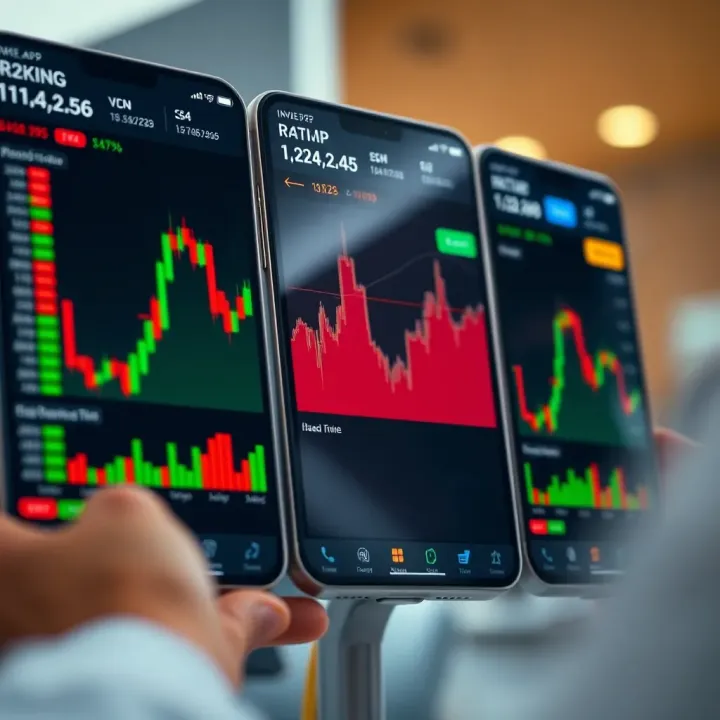
📱 Find out how to pick an easy trading app in South Africa that suits your needs. Compare local and global platforms, keep costs low, and start trading securely today.

Discover how to pick the best crypto trading app in South Africa 🇿🇦—covering fees, security, local platforms, user experience & safe trading tips for investors 🔒💰

Find the best forex trading software in South Africa 🇿🇦 Learn what features to pick, regulatory tips, and safe trading platforms to maximize your success 📈
Based on 12 reviews