
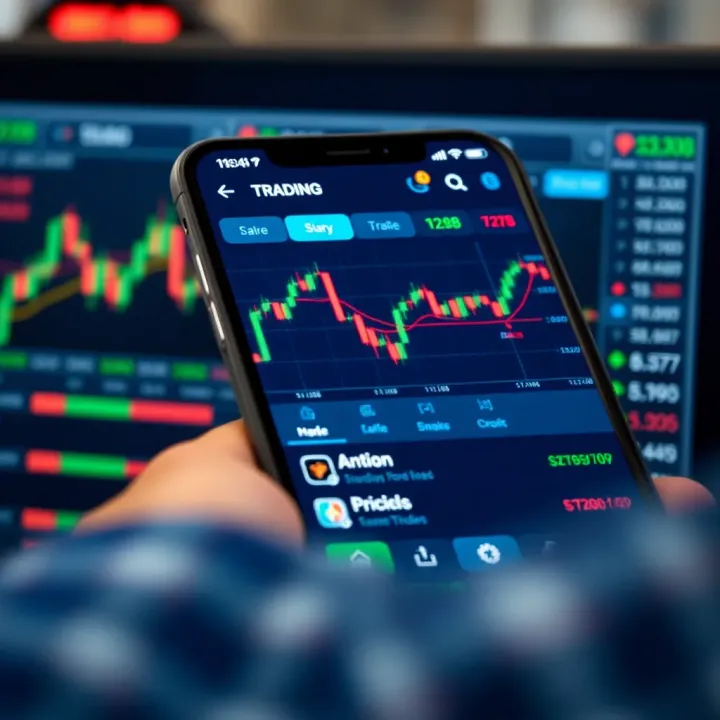
Choosing the Best Trading App in South Africa
📈 Discover how to pick the perfect trading app in South Africa! Learn about platform types, features, costs, security, and local rules for smarter trades.
Edited By
Emily Cartwright
Navigating the world of cryptocurrency trading apps can be tricky, especially here in South Africa where the market is still developing. With so many apps promising quick gains or seamless trading, discerning which one truly suits your needs is vital. Whether you are a seasoned trader or testing the waters, understanding what to look for makes all the difference.
South African investors must pay attention to local factors such as regulatory compliance, fee structures, and ease of use. For instance, some platforms provide Rand-based accounts, making deposits and withdrawals straightforward without the hassle of currency conversion. Others might have more comprehensive coin selections but charge heavier fees that could eat into your profits.

Security tops the list. Apps should offer features like two-factor authentication (2FA), cold storage for cryptocurrencies, and transparent policies on data protection. Local knowledge is useful here because some global apps may not adhere fully to South African laws like the Financial Sector Conduct Authority’s (FSCA) guidelines or the Protection of Personal Information Act (POPIA).
User experience varies, too. Some apps are heavier on charts and technical tools, suited to experienced traders, while others offer simpler interfaces ideal for beginners. That said, accessibility on mobile devices is crucial, given how many South Africans rely on smartphones for financial activities. Slow or clunky apps can cost you, especially when crypto prices move swiftly.
Always cross-check whether a platform is registered with the FSCA and if it processes transactions locally; this impacts legal protection and fee transparency.
In summary, choosing the best cryptocurrency trading app here means balancing security, costs, local regulation compliance, and a smooth user experience. This guide will walk you through the specific factors you should weigh when selecting an app that fits your trading style and goals in the South African context.
Picking a cryptocurrency trading app isn't just about grabbing the flashiest interface or the one with the biggest marketing budget. You want an app that works properly in South Africa’s unique financial and technological landscape. Key features like user interface, supported cryptocurrencies, and security measures directly affect how smooth and safe your trading experience will be.
Mobile and desktop compatibility play a significant role in making trading flexible and convenient. Since many South Africans rely heavily on their mobiles for financial activities due to limited access to desktops, the trading app must offer a fully functional, responsive mobile version. For example, an app that lags or crashes on mobile will frustrate users who don’t have easy access to desktops or prefer trading on-the-go.
At the same time, traders who like to analyse charts in more detail or use advanced tools will appreciate a desktop option. Platforms like Luno offer both mobile and desktop versions with synchronised data, so you aren’t stuck depending solely on one device.
Ease of navigation and account setup matter more than people realise. Even experienced traders won’t stick around if the app feels clunky or confusing. A straightforward sign-up using familiar verification steps (like South Africa’s FICA requirements) is essential. Look for apps that breeze you through registration without unnecessary steps, offer quick KYC (Know Your Customer) verification, and provide intuitive menus. If you can easily find market info, order types, and wallet balances, you’re far less likely to make errors or get frustrated.
Trading apps should offer access to popular coins, like Bitcoin, Ethereum, and Ripple, alongside South African favourites such as Binance Coin or USD Tether (USDT). Most local traders want to buy well-known coins but also experiment with smaller tokens that sometimes promise better gains. VALR, for instance, supports a wide range of tokens enabling that flexibility.
Beyond current offerings, your app should adapt quickly when the crypto market shifts. New projects and regulatory changes can introduce fresh coins or remove problematic ones. Flexible apps update their listings regularly without downtime or clunky updates, allowing traders to enter new opportunities or exit when needed. This kind of adaptability is a must in the fast-moving world of cryptocurrencies.
Two-factor authentication (2FA) is more than a checkbox; it's an effective guard against account hacks. Given the rising sophistication of cybercrime in South Africa, an app that mandates 2FA helps protect your assets with an extra step beyond just a password. Whether it's Google Authenticator codes or SMS verification, 2FA dramatically lowers the risk of unauthorised access.
On top of that, look for apps using cold storage and encryption methods. Cold storage keeps the bulk of cryptocurrency offline, safe from hackers targeting live systems. VALR, for example, employs offline wallets combined with robust encryption for data at rest and transit, which means your coins and personal info are shielded from breaches. These security layers give real peace of mind when leaving funds in your trading account.
When choosing an app, remember: the best features combine practical usability with solid protection to keep your crypto trading both smart and safe.
By focusing on these features, South African investors can find an app that suits their trading style and the local conditions, making the often-busy crypto market more manageable and less risky.
Picking the right app to trade cryptocurrency in South Africa calls for a clear-eyed comparison of popular platforms. It helps you spot which app suits your needs, whether it’s ease of use, security, fees, or coin options. Knowing the strengths and weaknesses of each platform also saves you time and money by avoiding apps that don’t mesh well with your trading style or local banking systems.

Luno is one of the most established crypto trading platforms in South Africa. It's a favourite for beginners thanks to its simple interface and direct bank integration with major South African banks like FNB and Standard Bank. Luno supports a select group of popular cryptocurrencies including Bitcoin, Ethereum, and Ripple, making it a solid choice for those who prefer straightforward investing without getting overwhelmed.
The platform also offers educational resources which are quite handy if you're new to crypto. Plus, Luno's wallet setup is integrated with their app, so you don’t have to juggle external wallets if you want to keep things simple. However, if you seek advanced trading tools or a wider selection of altcoins, Luno might feel a bit limited.
Binance caters more to active traders and those looking for a vast range of coins. It's globally known for its huge variety of cryptocurrencies and advanced trading features like futures and margin trading. South African users can benefit from its competitive fees, though deposits and withdrawals from local bank accounts may involve additional steps or fees compared to local platforms.
Binance offers a robust mobile app and desktop platform, ideal if you want a more hands-on approach. Keep in mind, though, the volume of features can overwhelm beginners, plus local regulatory uncertainties sometimes affect South African access to the platform’s full range.
VALR is a homegrown South African trading app that has gained popularity for bridging the gap between local convenience and international market access. It supports a broad variety of cryptocurrencies and connects smoothly with South African banks, making deposits and withdrawals faster and less costly than some international exchanges.
Moreover, VALR stands out by offering ZAR (South African Rand) trading pairs, which helps avoid conversion fees and delays. It also emphasises security and compliance with local regulations — a key consideration for many traders in Mzansi.
Customer service availability plays a significant role in your app experience. South African crypto users often value quick and helpful support, especially when dealing with banking issues amid frequent loadshedding or fluctuating network service. Apps like VALR and Luno typically offer responsive local customer service, including email support and online chat during South African business hours, which adds peace of mind.
In contrast, global platforms like Binance may rely more on automated responses and slower ticket-based systems, which can frustrate users needing swift answers during volatile market swings. Good customer service can really make a difference if you hit glitches with payments or trading limits.
Community reputation and feedback are another practical indicator. Local crypto forums, Facebook groups, and Reddit threads dedicated to South African traders often provide candid feedback on an app’s usability, fees, and reliability. For example, Luno consistently scores well for its user-friendly design, while VALR earns praise for its fast payment processing and solid security measures.
Meanwhile, Binance receives mixed reviews; some applaud its low fees and broad crypto support, but others warn about difficulty reaching support and occasional account restrictions. Hearing from fellow Mzansi traders helps avoid surprises and pick an app that suits your expectations and risk tolerance.
Comparing these apps side by side using features, fees, user support, and community feedback will guide you towards a platform that matches your needs as a South African crypto investor. It’s never wise to pick on reputation alone—get hands-on where possible and read up on local user reviews before committing your funds.
When choosing a cryptocurrency trading app in South Africa, understanding the fees and costs involved is essential. Trading fees, deposit charges, and withdrawal costs can quickly eat into your profits if you’re not careful. South African investors should be particularly mindful of how these fees add up, especially given the volatility of crypto markets and fluctuating rand exchange rates. Navigating fee structures transparently can help you make smarter choices and avoid surprises.
Maker vs taker fees refer to the charges applied depending on whether you add liquidity to the market or take liquidity away. A maker order creates liquidity by placing a limit order that isn't immediately matched, whereas a taker order fills existing orders. Many trading apps charge lower fees for makers to encourage market depth. For example, Luno offers maker fees as low as 0.10%, while taker fees can be slightly higher. If you're an active trader or plan to place limit orders, understanding this difference can save you real money.
Variable fee structures mean trading costs can shift based on your trading volume or the specific currency pair you're dealing with. Some platforms reduce fees as your monthly trade value increases—an approach Binance uses to reward frequent traders. In contrast, others might apply flat fees or higher charges on niche tokens due to liquidity or risk factors. Being aware of these differences helps you select apps that fit your trading style and budget, especially to avoid unnecessary costs on smaller trades common among newcomers.
Bank transfers and EFT fees are common when funding your trading account or cashing out. In South Africa, many apps allow Electronic Funds Transfers (EFTs) with minimal or no fees, but some might charge for instant deposits or withdrawals. For instance, depositing via standard EFTs might be free on VALR, but instant payments through faster payment methods could come at a small cost. Always check whether your bank or the app charges for these actions to avoid double fees.
Cryptocurrency withdrawal costs depend on network transaction fees rather than the app itself, but platforms often add a service charge. With Bitcoin’s network fees fluctuating, withdrawing a small amount could cost more in fees proportionally. Binance, for example, clearly lists withdrawal charges upfront so you know what to expect. If you trade altcoins like Ethereum or Ripple, withdrawal costs and times can vary widely, so factor these into your budget when switching apps or moving coins to wallets.
Keep in mind, the cheapest app isn’t always the best if it lacks transparency or charges hidden fees. Make sure to review fee schedules carefully before committing.
Understanding these costs will allow you to pick a trading app that's affordable and suits your trading habits, ensuring your investment stays as profitable as possible.
Regulation and compliance form the backbone of any well-functioning financial market, and cryptocurrency is no exception. For South African traders and investors, understanding the local regulatory environment is vital to ensure legal trading, protect your investments, and avoid unwelcome surprises. This section outlines the roles of key regulatory bodies and the legal responsibilities you must uphold when dealing with crypto assets in South Africa.
The South African Reserve Bank serves as the country's central bank, managing monetary policy and safeguarding financial stability. While SARB has taken a cautious stance on cryptocurrencies, it recognises their growing presence and potential impact on the financial system. SARB does not classify cryptocurrencies like Bitcoin as legal tender but rather as digital assets or property.
For traders, this means SARB expects cryptocurrency trading platforms to comply with existing financial regulations designed to prevent fraud and money laundering. SARB's recent interest in a central bank digital currency (CBDC) also signals a move towards regulating digital payments and assets more tightly. Practical takeaway: if your chosen trading app complies with SARB-related norms, it is more likely to operate transparently and sustainably.
The FSCA oversees market conduct for financial institutions, aiming to protect investors and promote fair treatment. Though cryptocurrencies remain outside the full scope of FSCA regulation, the authority has begun monitoring crypto exchanges, especially those offering investment products linked to digital assets.
In 2023, the FSCA issued warnings about unregistered crypto trading platforms, urging South Africans to stick to authorised providers. This means traders should check if their platform adheres to FSCA rules or is in the process of registering. Using FSCA-compliant apps reduces risks linked to fraud or insolvency, giving you some legal cover should disputes arise.
South African crypto trading platforms usually require users to complete KYC verification. This process involves submitting identification documents and proof of address to confirm your identity. KYC helps prevent illegal activities such as money laundering and terrorist financing while protecting users from theft and scam accounts.
From your side, meeting KYC requirements means you can use more features on the platform, like higher withdrawal limits and faster transactions. However, it also means your personal data is collected and stored, so pick apps with solid data protection policies.
South African Revenue Service (SARS) treats cryptocurrency gains as taxable events. If you buy crypto and sell later at a profit, SARS expects you to declare this income for Capital Gains Tax (CGT). For regular traders, profits can also be considered taxable income. Losses, however, can be offset against gains.
Practical steps include keeping detailed records of every trade, including dates, amounts, and values in Rand. Some apps offer downloadable transaction histories to make this easier. Failing to declare crypto earnings correctly can lead to penalties, so stay on top of your tax duties to avoid headaches.
Navigating the regulatory landscape may feel complex, but it provides a safety net. Choose trading apps that align with SARB and FSCA guidance, complete your KYC properly, and keep thorough records for SARS compliance.
By understanding these regulatory and legal points, South African traders can approach crypto markets confidently and responsibly.
When trading cryptocurrency in South Africa, safety and effectiveness go hand in hand. The volatile nature of crypto markets means that without proper safeguards, you could face significant losses or fall victim to scams. These tips focus on protecting your investments while making the most out of trading tools and market information.
Recognising common scams is vital for any trader. Scam tactics often include fake investment schemes promising guaranteed returns, phishing attempts through emails or messages that mimic trusted platforms, and bogus wallet apps designed to steal private keys. For example, some fraudsters create sites that look almost identical to real exchanges like Luno or VALR but are traps to steal login credentials. Always double-check the URL and never click links from unsolicited messages.
Securing your trading account is a practical step to avoid losing access and funds. Use strong, unique passwords, and enable two-factor authentication (2FA) on your account, which adds a layer beyond just a password. Consider using authentication apps like Google Authenticator rather than SMS-based 2FA, because SIM swapping—a scam where fraudsters hijack your mobile number—remains a risk in South Africa. Additionally, avoid using public Wi-Fi for trading activities and regularly update your device’s software to fix security loopholes.
Using stop-loss and limit orders can save you headaches when the market swings unexpectedly. A stop-loss order automatically sells your crypto if the price falls to a specified level, helping you lock in losses before they escalate. For instance, if you bought Bitcoin at R400,000, setting a stop-loss at R380,000 can prevent losing more than R20,000 if the price drops suddenly. Similarly, limit orders let you buy or sell at a price you choose rather than at the current market rate—handy for locking in profits or entering at a target price without monitoring constantly.
Staying updated with market trends is critical in crypto, given how fast conditions change. Follow reliable local and international news sources, join community discussions on platforms like Reddit or crypto forums tailored to South African audiences, and keep an eye on market data from trusted apps. For example, being aware of major regulatory announcements by the South African Reserve Bank or global shifts in Bitcoin acceptance can help you anticipate price volatility. Relying on insights rather than rumours will improve your decision-making and trading results.
Effective crypto trading isn’t just about timing the market — it’s about managing your risks wisely and using the tools at your disposal to trade smartly.
By recognising scams, protecting your account, and applying practical trading strategies, you’ll be better placed to navigate South Africa’s crypto scene with confidence.
📈 Discover how to pick the perfect trading app in South Africa! Learn about platform types, features, costs, security, and local rules for smarter trades.
📱 Find out how to pick an easy trading app in South Africa that suits your needs. Compare local and global platforms, keep costs low, and start trading securely today.
Find the best forex trading platform in South Africa 🇿🇦 by weighing costs, tools, ease of use & local rules. Perfect for beginners keen on smart trading!

📈 Learn forex trading basics for South African beginners, covering local rules, global markets, risk tips & safe start steps. Trade smart with confidence! 🇿🇦
Based on 14 reviews