

Forex Trading Hours: How Time Zones Affect Your Strategy
🌍 Learn how forex trading time zones and session overlaps influence market moves. Improve your timing and strategy with tips tailored for South African traders! ⏰💹
Edited By
Isabella Hughes
Forex trading is unique compared to other financial markets because it operates almost non-stop during weekdays. Traders in South Africa need to understand when the market is open and most active to make informed decisions and avoid trading during low liquidity periods.
The foreign exchange market essentially runs 24 hours a day from Monday morning to Friday evening, closing only for the weekend. This continuous flow happens because forex trading takes place across various global financial centres, each with their own opening hours.

To trade efficiently, knowing when different markets overlap is crucial. For instance, overlap between the London and New York sessions typically sees the highest trading volumes and volatility – perfect for those looking to capitalise on quick price moves.
The major forex trading sessions are usually broken down as:
Asian Session: Begins in Tokyo around 1am SAST and lasts until about 10am.
European Session: Starts in London at 9am SAST and closes by 6pm.
North American Session: Opens in New York around 2pm SAST and ends roughly at 11pm.
These hours shift slightly with daylight saving time, so South African traders should adjust accordingly.
Unlike stock markets, forex is closed during the weekend, roughly from Friday evening to Sunday evening SAST. Public holidays in one country can reduce activity in that session’s market, impacting liquidity.
For example, a US public holiday slows New York trading, which means lower volumes and potential price gaps when the market reopens.
Liquidity refers to how easily you can buy or sell a currency pair without causing big price shifts. Trading during busy sessions ensures tighter spreads and better fill prices.
Low liquidity often appears in the late Asian session or during public holidays when major centres are closed. That may increase trading costs and risks.
Understanding these details helps South African forex traders create smarter strategies that match the global timetable, reducing surprises and improving profitability.
Understanding how forex trading days are structured globally helps traders time their activities better and anticipate market behaviour. Knowing when markets open and close can improve strategy, ensuring you're not caught off guard by unexpected shifts or low liquidity periods.
Forex markets operate from 22:00 SAST on Sunday until 22:00 SAST Friday, roughly aligning with the business week of major financial centres. Traders can trade nearly 24 hours during these days as markets open sequentially around the world. This means you can catch price moves at almost any time during the week, but the hours matter greatly for liquidity.
One city’s close is another’s open. This continuous cycle runs through Tokyo, Sydney, London, and New York sessions, creating a round-the-clock flow. For instance, when New York winds down at 22:00 SAST, the Asian markets prepare to open around midnight. This cycle lets South African traders, depending on their schedule, pick times that fit their lifestyle whilst staying in sync with global action.
Unlike stocks, forex doesn’t operate on weekends because most banks and financial institutions close. This pause means no forex liquidity, preventing regular price action. For South African traders, it’s crucial to know that over weekends news can cause gaps when the market reopens, potentially impacting open positions come Monday.

These four centres mark the main forex sessions, each influencing different currency pairs. London leads with Euro and British Pound activity, New York focuses on the US Dollar, Tokyo drives Asian currencies like the Japanese Yen, and Sydney sets the tone for the Australasian market. For example, Rands tend to be most active during London and New York overlaps due to increased participation.
London sessions run from 09:00 to 17:00 GMT, which converts to 11:00 to 19:00 SAST. New York hours are 08:00 to 16:00 EST, or 15:00 to 23:00 SAST during Daylight Saving Time. Tokyo operates roughly from 01:00 to 09:00 SAST, and Sydney from 23:00 to 07:00 SAST. This means most South African traders find London and New York sessions easiest to monitor without staying up too late or waking too early.
When two sessions overlap, market activity spikes, creating higher liquidity and tighter spreads. Notably, the London–New York overlap (15:00 to 19:00 SAST) delivers a burst of volume, often leading to volatile moves and opportunities. Traders in South Africa can focus on this period to find better price action and execution. Conversely, quieter times between Sydney and Tokyo sessions tend to show less movement, requiring patience or different tactics.
Staying aware of these global session times and their overlaps helps South African traders plan their day smartly, tuning into periods when liquidity is high and trading conditions are favourable.
By factoring in the worldwide forex schedule, local traders can align better with market rhythms rather than working against them. That means considering these sessions, time zones, and weekend closures when making trading plans.
Liquidity in the forex market means how easily you can buy or sell currency pairs without causing a big ripple in prices. It changes through the week, and recognising when the market has deep liquidity helps you avoid getting stuck with bad prices or wider spreads. This knowledge is especially useful for South African traders who juggle local time with global market hours.
Liquidity spikes when major financial centres like London, New York, Tokyo, and Sydney start their trading day. These hubs represent huge pools of market participants, from banks to hedge funds. For example, the London and New York sessions overlap around 3 pm to 5 pm SAST, often producing the highest volume and tightest spreads. When London closes, liquidity tends to thin out, especially before the American session fully picks up, affecting trade execution.
Monday mornings often see lighter volume as markets ramp up after the weekend's break. Liquidity usually peaks midweek, especially from Tuesday to Thursday, when the bulk of global economic data releases and institutional trades occur. Fridays tend to slow down as traders square positions before weekend risk. The awareness of these ebb and flow patterns can help you plan when to open or close trades to avoid unexpected slippage or volatility.
In SAST, the prime liquid hours stretch from around 3 pm to 11 pm, coinciding with London and New York sessions. Spotting these windows means you face tighter spreads and better execution. Tools like trading platforms’ volume indicators or observing tighter bid-ask spreads in real time help identify these moments. Plus, watching for overlap periods is practical—when Tokyo feeds into London, or London merges with New York, the increased activity offers more opportunities.
Forex needs banks and financial institutions to set prices and take positions. Since they close from Friday afternoon to Sunday afternoon SAST, the forex market essentially goes into a deep sleep over the weekend. Without these market makers, trades cannot be executed and price discovery halts. Retail platforms might show quotes, but real trading is suspended.
Because markets rest over the weekend, news events can accumulate, leading to price gaps when trading resumes Monday afternoon SAST. For example, a surprise geopolitical event during the weekend can cause sharp movements in open prices. This gap risks slippage, where buy or sell orders execute at different prices than expected. South African traders should be wary of this when planning their Monday trades or leaving positions open over the weekend.
Understanding when liquidity peaks and dips across the week helps you trade smarter and avoid unnecessary risks related to thin markets and volatile gaps.
By knowing the patterns of forex market liquidity through the week, especially matched to your South African time zone, you gain better control over trade timing and risk management. Liquidity and volume are no mere background detail—they’re core to successful trading strategies.
Public holidays in major financial centres can quickly change the rhythm of forex markets. When banks and institutions close for a holiday, trading activity tends to slow dramatically. For example, during Christmas or New Year’s Day in London or New York, market volumes usually dip because these cities are major hubs whose inactivity sends ripples worldwide. Understanding the holiday schedules of key centres helps traders anticipate times of reduced action.
Traders in South Africa should particularly note how holidays in the US, UK, Japan, and Australia impact forex day-to-day trading. A public holiday in Tokyo reduces Asian session volume, while a New York holiday can thin out trade on the American session. Often, these holidays fall on weekdays, so the markets may still be open in South Africa, but with fewer participants.
Reduced market activity around holidays affects trading volumes and spreads noticeably. Liquidity tends to dry up since fewer players are active, which can cause wider spreads — the difference between buying and selling prices. This means it becomes more expensive to enter or exit trades. For instance, during the US Thanksgiving Day, spreads on USD pairs can balloon as trading firms pull back. Low liquidity also increases slippage risk, making stop-loss orders less reliable.
The drop in volume can also lead to unpredictable price moves. Because there are fewer bids and offers, even modest trades might cause bigger price shifts, heightening volatility despite low volume. As a result, traders face higher risks of sudden price swings, making holiday periods less straightforward.
South African traders need to plan for local public holidays alongside global ones since they influence trading availability and focus. For example, when South Africa celebrates Heritage Day on 24 September, local brokers and banks may have reduced staff or shorter support hours, even if global markets operate normally. This can affect everything from deposit handling to customer service response.
Making strategic adjustments during holiday times is key. Traders should expect price gaps where markets reopen after a holiday break; the EUR/USD pair often jumps after US holidays due to pent-up orders. Managing open positions with these risks in mind is vital to avoid unexpected losses. It's wise to tighten stop-loss levels or consider exiting volatile positions ahead of long weekends.
Maintaining clear risk controls becomes crucial during these quieter days when sudden moves can wipe out profits fast. Setting alert notifications for price changes helps, especially if access to trading platforms might be disrupted by local events like loadshedding.
Still, not all is gloom during holidays. Lower volatility and thin liquidity periods may suit traders with scalping or range-bound strategies, allowing them to capitalise on predictable small price swings rather than broad market trends. Some use holiday lulls to practice strategy testing or focus on technical analysis without rushing.
Keep an eye on global holiday calendars and plan trades well ahead to reduce surprises. Aligning your strategy with market rhythms during holidays can save you from costly mistakes and open unique opportunities.
To sum up, public holidays in major forex cities create marked changes in market behaviour. Lower trading volume, wider spreads, and increased gap risk all demand caution and planning from South African traders. By understanding these patterns and adjusting strategies, traders can better navigate the quiet days and find chances to profit safely.
Trading forex from South Africa means adapting to a global market with varying hours and occasional local challenges, like loadshedding. This section offers practical advice on aligning your trading activities with global forex sessions, managing outages and connectivity issues, and selecting brokers suited to South African traders. Applying these tips can help you stay active during the most liquid market times and protect your investments.
Global forex markets operate across four main centres: London, New York, Tokyo, and Sydney. Each session opens and closes at fixed times relative to its local timezone, which you’ll need to convert to South African Standard Time (SAST). For example, London’s session runs roughly from 9 am to 5 pm GMT, which translates to 11 am to 7 pm SAST. Knowing these conversions helps you line up your trading schedule with the times when major markets are active.
Active trading in South Africa is best during periods when at least two forex sessions overlap, creating higher liquidity and tighter spreads. The London-New York overlap, occurring from about 3 pm to 7 pm SAST, offers the most opportunities with heavy trading volumes. Alternatively, the Sydney-Tokyo session, early morning in SAST, is quieter but can suit early risers. Understanding your local clock and matching it with these session times tailors your trading to moments with better price movement and order execution.
Loadshedding can disrupt trades by cutting electricity and, as a result, can jeopardise open positions if you can’t access your trading platform. Using an uninterruptible power supply (UPS) or having a backup generator ensures your devices remain powered during outages. Setting stop-loss and take-profit orders in advance gives you some control over risk without needing constant platform access.
Internet stability is equally important. Many South African traders switch to mobile data providers known for consistent service, such as Vodacom or MTN, when their home internet is unreliable. Some also keep a portable Wi-Fi router as a backup. Remember that any drop in connectivity can mean missed trade executions or delayed market information, so having multiple internet options helps you stay connected even on a rough day.
Pick a broker with server uptime that covers the South African trading day without hassles. Brokers that maintain 24/5 availability ensure you’re not locked out during important session overlaps. Confirm they don’t routinely close during local holidays or weekends you anticipate needing.
Customer support is crucial, especially if something goes wrong amidst a tradesession. Look for brokers offering support during South African business hours, ideally with local call centres or at least reliable online chat options. Quick responses can make a big difference when you have time-sensitive questions or need technical assistance.
Smart management of trading hours, power supply, connectivity, and broker reliability can make forex trading less stressful and more rewarding for South African traders.
🌍 Learn how forex trading time zones and session overlaps influence market moves. Improve your timing and strategy with tips tailored for South African traders! ⏰💹

Discover how forex trading hours influence market action, liquidity & volatility. Tailored insights for South African traders to optimise strategies 📈🌍

📈 Master forex trading hours with ease! Learn the sessions, overlaps, and use a forex clock to time trades perfectly for South African markets and local time.
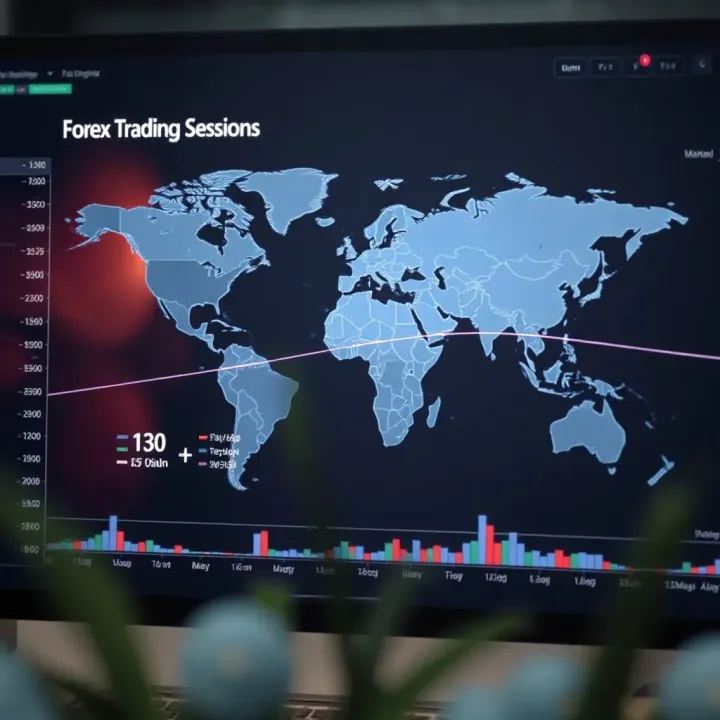
📊 Discover how forex trading sessions affect currency volatility and volume. Learn the best times to trade and boost your strategy in South Africa.
Based on 13 reviews