
Understanding Free $100 Forex Trading Accounts
Discover how free $100 forex trading accounts work, their benefits & risks for South African traders ⚖️💰 Get insights to trade smart and safe!
Edited By
Isabella Morgan
Forex trading managed accounts offer a way to invest in the currency market without actively making trades yourself. Essentially, you hand over control of your funds to a professional trader or asset manager who trades on your behalf. This approach suits investors who want exposure to forex markets but lack the time, expertise, or confidence to trade alone.
Managed accounts work by linking your investment directly to a trading account controlled by the manager. Unlike collective funds or pooled investments, your capital remains in an individual account registered under your name. This setup ensures transparency and easier tracking of your funds, though the manager makes day-to-day trading decisions.

For example, imagine you invest R100,000 into a managed forex account. The professional trader will then use this capital to place trades on major currency pairs such as USD/ZAR or EUR/USD, aiming to generate profits. You benefit from their experience but should expect fees for management and performance.
A managed forex account removes the need for you to study charts or monitor currency moves constantly, making it a hands-off option tailored for those who prefer to avoid direct trading involvement.
Individual ownership: Your account and funds are separate from other clients.
Professional management: Skilled traders apply strategies intended to outperform the market.
Risk control: Experienced managers usually implement strict risk limits to protect capital.
Fees: Expect a management fee (typically a percentage of your investment) and a performance fee (share of profits).
These accounts offer access to the highly liquid and around-the-clock forex market but come with risks. Even skilled traders cannot guarantee profits, and losses can occur, especially during volatile periods.
Many South Africans face challenges trading forex due to limited time or concerns about scams. Managed accounts allow you to invest in foreign exchange markets without needing deep technical know-how. However, locating a reliable manager is critical, given the number of unregulated schemes. Opt for managers registered with recognised financial bodies or those with proven track records.
In summary, forex trading managed accounts provide an alternative entry point into currency markets. They blend professional trading with individual ownership, making them attractive to investors seeking growth from forex without active day-to-day involvement.
Managed forex accounts offer a hands-off approach to trading foreign currencies. Instead of managing trades on their own, investors entrust their capital to professional traders or account managers. This setup suits those who want exposure to forex markets but lack the time, skills, or desire to handle the day-to-day trading. For South African investors, it can provide an entry into a complex global market without having to navigate its demanding technical details.
Forex managed accounts are relevant because they blend professional expertise with individual capital allocation, often including robust risk management strategies. When considering such accounts, it’s practical to weigh their benefits—like time savings and professional handling—against costs and risks involved.
A managed forex account is a trading account registered in the investor's name but controlled by a professional manager who executes trades on their behalf. The client supplies the funds; the manager makes decisions about when and what to trade in the forex market. The structure usually includes clear terms on fees, reporting, and risk limits.
For example, an investor may deposit R100,000 into a managed account where a trader will apply strategies aimed at growing that capital. The manager handles all market analysis and order execution but cannot withdraw funds without the client’s consent.
Unlike personal trading, where individuals research and make trade decisions themselves, managed forex accounts shift this responsibility entirely to the manager. This can be helpful for investors lacking technical know-how or the time to monitor markets constantly.
However, this means giving up a degree of control. Investors must trust the manager’s expertise and integrity, as poor decisions or misconduct could affect their capital. Unlike demo or personal accounts, managed accounts involve real money and depend heavily on the manager's performance and risk control.
Many individual investors choose managed forex accounts to access global currency markets without becoming traders themselves. Busy professionals or retirees may want portfolio diversification but do not have the hours or expertise to trade actively.
For instance, a doctor in Pretoria might invest R200,000 in a managed account to add forex exposure while concentrating on their practice. The appeal lies in combining professional trading skills with personal financial goals without the hassle of self-directed trading.
Institutions such as family offices, hedge funds, or private wealth managers also use managed forex accounts. Their scale is often much larger, with capital ranging into millions of rands, and they require tailored strategies to meet stringent risk and return targets.
An institutional investor might contract multiple account managers across different strategies to diversify risk. For them, managed forex accounts serve as a component within a broader, professionally managed portfolio.
Managed forex accounts offer a practical route for both individuals and institutions to participate in currency trading through expert management, balancing potential rewards with managed risk exposure.
Managed forex accounts simplify trading by letting professional account managers handle your investments on your behalf. This means you don’t have to constantly watch charts or agonise over market swings. Instead, you hand over control to experts who execute trades for you based on agreed-upon strategies. Understanding how these accounts operate helps you grasp what’s really going on behind the scenes — crucial before you commit your hard-earned rand.
At the core, the account manager acts like a personal trader but without you having to lift a finger. They place trades directly in your account using the funds you’ve entrusted them with. It’s not some pooled fund where your money is mixed with others, but your own account, managed professionally. For example, if the manager spots a favourable currency pair setup, say USD/ZAR, they’ll execute the trade straight away, aiming to maximise your profit while managing risk.
This setup is especially handy if you’re busy with work, or lack the experience and time to analyse forex markets. The manager’s goal is to follow their trading plan diligently, adapting to market changes and protecting your capital where possible. Still, it’s wise to remember that no manager has a crystal ball; losses can happen even under experienced hands.
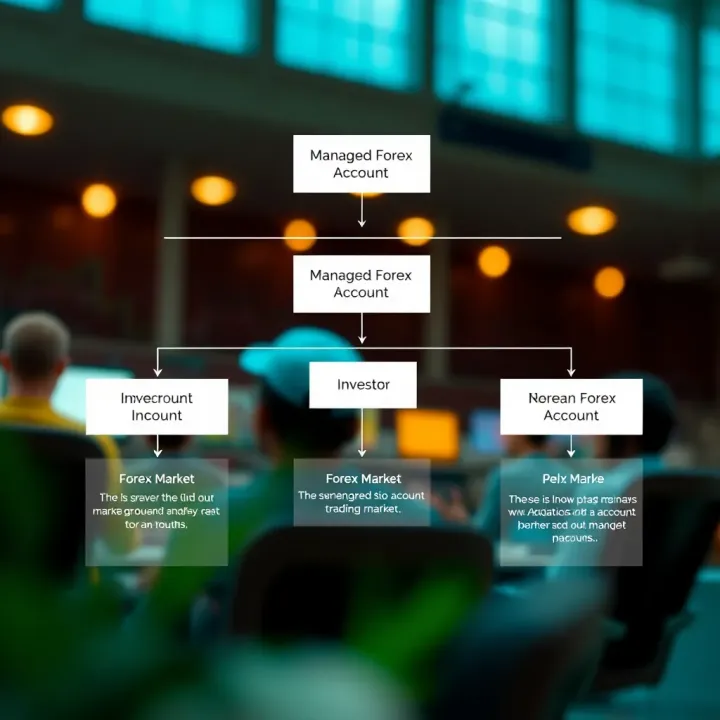
Account managers combine technical analysis, fundamental news, and sometimes automated tools to decide when to enter or exit trades. Their decisions hinge on pre-set risk parameters agreed with you, such as maximum drawdown limits or preferred trading styles (scalping, swing trading, etc.). This ensures their approach aligns with your appetite for risk and investment goals.
For instance, if high volatility hits the rand due to political uncertainty, the manager might reduce exposure or close positions to prevent steep losses. Their decisions are ongoing and dynamic, reflecting real-time market moves. This requires solid experience in forex markets and good judgment under pressure — not an easy task.
Though the manager handles daily trading, you maintain full ownership and control of your account. This means you can track performance anytime via your broker’s platform or through direct account access. It’s like you handing over your bakkie to a trusted driver but still keeping the keys. You also retain the right to withdraw funds, pause managed trading, or even cancel the arrangement if things don’t go as planned.
Regular monitoring is vital. For example, suppose your account suddenly shows larger losses than you expected. Being able to jump in, ask questions, or even suspend trading can save you from bigger damage. Managed accounts don't mean handing over all control — rather, they offer convenience backed by transparency.
Most reputable account managers provide scheduled reports showing trade details, account balances, and overall performance. These reports help you follow the manager’s activity without needing to understand every technical trade nuance. They may include metrics like win-loss ratios, average monthly returns, and largest drawdowns.
Transparency here is key. If the manager withholds information or reports don’t match your broker’s statements, that’s a red flag. Good managers encourage open communication and readily explain their strategies and outcomes. This practice not only builds trust but helps you make informed decisions about continuing or modifying your managed account.
When considering forex trading managed accounts, understanding the associated costs is crucial. These fees directly impact net returns and help you evaluate whether managed trading suits your investment style. Transparent fee structures also protect you from unexpected charges and poor performance incentives.
Management fees are a standard part of managed accounts. They typically represent a fixed percentage of your total investment, charged annually or monthly. For example, an account might levy a 1.5% management fee per year on the capital invested, regardless of trading outcomes. This fee covers the day-to-day handling of your account, including executing trades and monitoring market conditions.
This structure aligns the manager's incentives with account maintenance but doesn't necessarily guarantee performance. It's important to factor this recurring cost into your break-even calculations, especially in volatile markets where gains can fluctuate.
Performance fees work differently. They are charged based on profits generated by the account manager's trading activities, often as a percentage of the gains made above a set hurdle or benchmark. A common arrangement could be 20% of any profits beyond a designated return threshold, say 5% annually.
These fees motivate the manager to perform well since their earnings increase with your profits. However, they may also encourage riskier trades. It's wise to check if there are safeguards such as high-water marks, which ensure you only pay performance fees on net new profits, preventing you from paying twice on the same gains.
Beyond management and performance fees, spreads, commissions, and other transaction-related costs can add up. The spread is the difference between the buying and selling price of currency pairs – traditionally, brokers mark this up slightly, and this cost is indirectly passed to you.
Some brokers also charge commissions per trade, which can be a fixed amount or a percentage of the transaction size. For example, a broker might impose a commission of R100 per lot traded. While it may seem minor, frequent trading can multiply these costs significantly.
Always ask about all possible charges before committing, as these can erode profits quickly, especially in highly active managed accounts.
Additionally, consider costs linked to currency conversion if your funds or profits move across different currencies. In South African rand terms, fluctuating exchange rates may influence the actual cost.
In summary, when evaluating managed forex accounts, don’t just focus on headline fees. Look closely at the full cost picture to gauge the real impact on your returns and ensure the arrangement suits your financial goals.
For anyone considering managed forex accounts, understanding the risks and benefits is vital. It gives you the full picture before investing your money and helps you decide if such a service fits your financial goals and risk appetite. This evaluation isn’t just about knowing the pros, but also recognising where things might go wrong so you can manage those risks wisely.
Managed forex accounts are a welcome option for those new to trading or those without the time or knowledge to trade on their own. With a skilled account manager handling the trades, you don’t have to stress over analysing charts or monitoring volatile markets. For example, consider a young professional in Johannesburg who wants exposure to forex but lacks the hours to follow it daily. Investing in a managed account means they can benefit from professional expertise without it cutting into their busy schedule.
It is particularly useful for those who understand the potential rewards but lack confidence in their own trading skills to navigate the risky forex waters. They get to tap into strategies that may be out of reach otherwise.
Trading forex can be a full-time job, with many traders glued to screens watching price movements and news updates. Managed accounts save you from this hectic lifestyle. Your chosen account manager does the heavy lifting — researching, timing trades, and managing open positions. You get regular reports and can check performance without constant involvement.
This is a practical benefit for busy South Africans juggling work, family, and community commitments. Instead of spending late nights glued to charts, you get to focus on your life while still seeking potential market returns. This setup particularly suits investors in towns outside major cities, where access to training or resources may be limited.
Even with professional management, forex remains a high-risk game. Markets are affected by unpredictable events — economic data releases, central bank decisions, geopolitical shifts — all can move currency prices sharply. Losing some or all of your capital is a realistic possibility. For instance, a sudden shift in the US Federal Reserve’s interest rates could impact emerging markets, including the South African rand, causing managed accounts heavily exposed to certain currencies to incur losses.
It's crucial to understand that managed accounts don’t guarantee profits. Market risk is inherent and can’t be fully eliminated, only managed.
Choosing an account manager comes with its own risks. Not all managers have honest intentions or a proven track record. Some may engage in risky strategies without disclosing this, or worse, could be running fraudulent schemes. For example, investors hearing of sudden gains might be lured into ‘too good to be true’ setups that later collapse.
You need to vet managers thoroughly, checking their licences, reviews, and preferably their regulation under recognised authorities. The lack of transparency or unwillingness to provide detailed reporting should raise red flags. In South Africa, regulation by bodies like the Financial Sector Conduct Authority (FSCA) offers some protection but does not eliminate all risk.
Always treat managed forex accounts like any other investment: do your homework, don’t rush, and be prepared for ups and downs.
Balancing these risks against the benefits can help you set realistic expectations around managed forex trading and decide if it’s the right path for your portfolio.
Choosing the right account manager is a key step when dealing with managed forex accounts. A skilled and reliable manager not only protects your investment but also navigates the choppy waters of the forex market effectively. South African investors, in particular, need to be cautious given the local regulatory landscape and the risks of scams or unregistered operators.
Experience matters greatly in forex management. Look for managers who have several years of consistent performance under their belt, preferably with verifiable results. A manager who has weathered different market conditions — from volatile currency swings to political economic shifts — shows resilience and adaptability. For instance, a manager who successfully navigated the rand's sudden dips during Eskom’s load shedding periods demonstrates practical market savvy. Beware of managers promising unrealistic returns without a solid track record, as forex trading naturally involves ups and downs.
Regulation provides a layer of safety. Verify that the account manager is licensed by recognised South African authorities like the Financial Sector Conduct Authority (FSCA). A regulated manager must adhere to rules around client fund protection, transparent reporting, and ethical trading practices. Unregulated operators often fly under the radar and can leave investors exposed — a serious red flag. For example, an FSCA-registered manager is required to segregate client funds from their own, reducing risk if the company faces financial trouble.
Understanding how a manager controls risk is crucial. Ask about their approach to stop-loss limits, position sizing, and exposure to volatile pairs like USD/ZAR. A trustworthy manager will explain how they prevent large drawdowns and protect your capital. Don’t settle for vague answers; it’s fine to want specifics. For example, a clear policy might involve capping maximum daily losses at 2%, ensuring your funds aren’t wiped out by a single bad trade.
Check how and when you can access your money. Clear withdrawal terms mean you know whether funds can be withdrawn at any moment or if there are lock-in periods. Some managers impose penalties or lengthy notice periods before releasing funds, which can be frustrating if you need liquidity quickly. Concrete terms include turnaround time for payment processing and any fees for early withdrawal. This transparency helps you plan financially and avoid surprises.
Picking the right forex account manager is about protection and peace of mind. You want someone who's proven, properly regulated, clear on risks, and upfront on how you get your money back.
By focusing on these areas, you reduce the chance of falling into pitfalls and are more likely to enjoy a managed account experience that matches your financial goals in the South African market.
Choosing whether a managed forex account fits your investment profile depends largely on your goals, available capital, and how South Africa’s particular market and regulatory environment affect your options. These accounts offer a hands-off way to enter forex trading, but not every investor’s circumstances or aims match well with them.
If you’re after long-term growth—say, building a retirement nest egg—you need to consider whether forex managed accounts align with that timeline. These accounts often involve active trading strategies aiming for returns over months rather than years. They might suit you if you want to complement other longer-term investments but relying solely on managed forex accounts for steady, long-term wealth might be optimistic. Conversely, if your goal is to take advantage of short-term currency moves, a managed account can save you the effort and emotional strain of daily market decisions.
Managed accounts typically require a minimum investment, which can vary from broker to broker but often starts at around R50,000 or more. This upfront capital must be considered alongside your available investment funds and risk tolerance. For smaller retail investors, this barrier might be a stretch, especially when fees and minimum trade sizes come into play. Having adequate capital also allows the account manager more flexibility to balance trades and risk, potentially improving overall performance.
The South African Reserve Bank (SARB) and Financial Sector Conduct Authority (FSCA) regulate forex trading activities locally, ensuring some level of investor protection. However, not all managed forex accounts are under the FSCA’s jurisdiction, especially if the managing entity operates offshore. That means you need to verify whether the manager complies with local regulations, which impacts your recourse in case of disputes or fraud. Investing through an FSCA-approved entity typically offers more security.
South Africa’s volatile exchange rates can affect returns significantly, especially when trading major pairs involving the rand (ZAR). Currency swings may enhance gains but also add to losses. Additionally, profits from managed forex accounts are taxable under capital gains tax or income tax depending on your trading frequency and account structure. It's wise to keep thorough records and consult with a tax professional to navigate SARS requirements efficiently.
Managed forex accounts can be a practical option for South Africans who want professional handling of their forex investments, but local regulations, tax rules, and personal financial circumstances must be front and centre before investing.
Ultimately, these accounts are not a one-size-fits-all. Careful consideration of your investment goals, financial capacity, and understanding of South African market conditions will help you decide if managed forex accounts are worth exploring as part of your broader wealth strategy.
Discover how free $100 forex trading accounts work, their benefits & risks for South African traders ⚖️💰 Get insights to trade smart and safe!

🤖 Discover how automated forex trading robots simplify currency trading for South African traders, their benefits, risks, and tips to choose and use them wisely in the Rand market.
📈 Explore how free forex trading signals work, their pros and cons, and tips for South African traders to use them wisely for better trading results.
📉 Forex trading can be risky with rapid market changes, complex strategies, and losses. Understand these challenges to make smart trading moves in South Africa and beyond.
Based on 15 reviews