

Why Risk Management Is Key in Business Today
🌍 Stay ahead in South Africa’s shifting markets by mastering risk management. Learn how smart strategies protect your business and secure its future today.
Edited By
Isabella Hughes
Risk management is something every trader, investor, or financial analyst needs to keep top of mind. In South Africa’s dynamic markets, things can shift fast - from sudden regulatory changes to currency fluctuations or geopolitical uncertainties. Having a solid risk management plan isn’t just a box to tick; it's your shield against unexpected pitfalls that can hurt your portfolio or business operations.
This guide lays out the fundamental building blocks you need to include in a risk management plan. It’ll walk you through everything—starting with pinpointing your risks, sizing them up, deciding how to tackle them, keeping an eye as things progress, and making sure there’s transparent reporting.
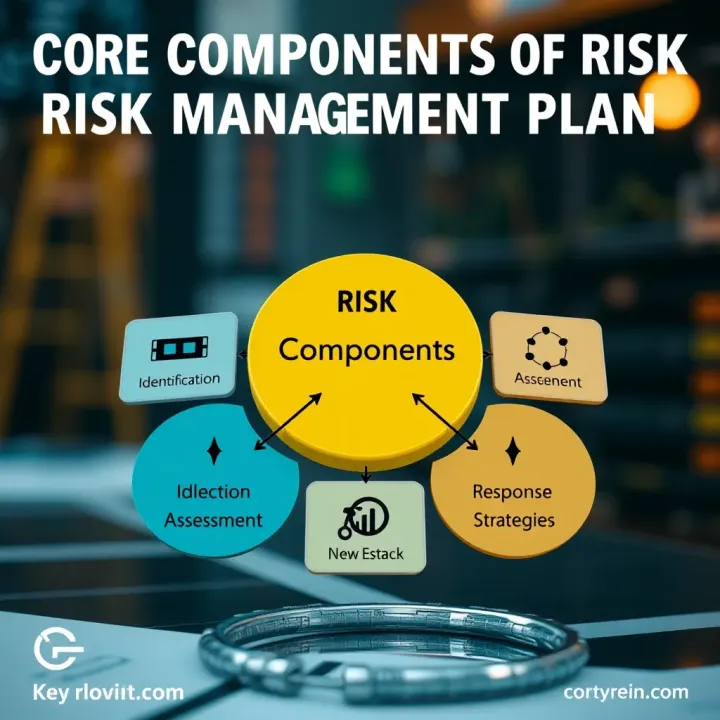
Understanding these elements will help you craft a plan that’s not just a paper exercise but a living tool for decision-making. Whether you’re running a hedge fund in Johannesburg or managing investment portfolios in Cape Town, nail these components and you’re better set to navigate the choppy waters of risk.
"A risk management plan isn’t about avoiding risk altogether—it’s about knowing which risks are worth taking, and how to handle the rest."
In the sections ahead, you’ll get practical advice tailored to the financial world, focusing on what truly matters for professionals making critical decisions daily.
A risk management plan is more than just a document filled with dry bullet points. It's a practical blueprint that helps businesses anticipate and tackle potential hurdles before they turn into full-blown crises. For traders, investors, and financial analysts in South Africa, understanding this purpose is key to safeguarding investments and maintaining steady growth.
Developing a solid risk management plan means pinpointing possible threats that could derail a project or business operation. Knowing these risks early on allows teams to respond smartly rather than playing catch-up later. Think of it as carrying an umbrella on a cloudy day — you don’t know if it will rain, but you’re prepared if it does.
Without a risk management plan, a business or project is like sailing without a compass. Risks—whether they're market fluctuations, regulatory changes, or operational glitches—can emerge unexpectedly. Having a plan helps spot these risks early and lays out clear steps to reduce their impact or avoid them altogether.
For example, imagine a South African investment firm that hasn’t prepared for sudden currency swings. A well-constructed risk management plan would have identified this risk and suggested hedging strategies before the rand’s volatility hits hard. By developing such a plan, the firm can avoid heavy losses and maintain client trust.
Beyond dodging pitfalls, a risk plan also boosts confidence among stakeholders. When investors see a strategy in place for managing challenges, they’re more likely to back the project or company, knowing it’s managed responsibly.
At its heart, a risk management plan acts as a safety net for business and project objectives. By systematically identifying, assessing, and preparing for risks, the plan ensures resources aren’t wasted chasing unexpected issues.
Consider a financial analyst assessing a new stock. A risk management plan might highlight potential sector risks like regulatory shifts or competitor moves. This knowledge helps the analyst recommend actions that protect portfolios rather than exposing them to avoidable harm.
Moreover, an effective plan encourages smoother communication within teams. Everyone understands their roles and the possible challenges ahead, cutting down confusion and delays when problems crop up.
Key takeaway: A risk management plan isn’t just paperwork. It’s about foresight, preparation, and responsiveness—making it a cornerstone of sustained success in the fast-moving South African markets.
Defining the scope and objectives of a risk management plan is the foundation for any effective approach to managing threats. Without clear boundaries and a focused purpose, efforts can easily become scattered, wasting time and resources. For traders, investors, and financial analysts operating in South Africa, this clarity helps pinpoint what risks truly matter, whether they’re market fluctuations, regulatory changes, or operational hiccups.
The scope outlines which parts of the business or project the plan will cover. This isn’t just a checkbox exercise — it ensures there’s no confusion about what’s included or left out. On the other hand, objectives describe what the plan aims to achieve. Are you focusing on loss prevention, compliance adherence, or improving decision-making accuracy? Defining these goals upfront steers the risk management process in a meaningful direction.
Setting clear boundaries for your risk management plan is like drawing a map before a long trip—you need to know where you’re going and which areas you’ll cover. This can mean specifying departments, projects, or financial instruments that fall under the plan’s radar. For instance, a South African investment firm might focus its risk plan on equities trading and derivative products, excluding other unrelated assets.
Focus areas highlight the specific risk categories that demand attention. These might include regulatory risks stemming from the Financial Sector Conduct Authority (FSCA), or liquidity risks during times of economic stress in the South African market. By zeroing in on the most pressing areas, teams avoid drowning in less relevant details and can allocate resources efficiently.
Practical example: A Johannesburg-based asset manager targets foreign exchange volatility risks and creates boundaries excluding less volatile asset classes like government bonds. This sharp focus allows them to design tailored response strategies and monitoring tools.
Risk management doesn’t exist in isolation—it should always support the broader objectives of the organisation. Aligning your risk plan’s goals with the overall strategy ensures risk mitigation efforts contribute directly to business success.
For example, if a company’s strategy hinges on rapid market expansion in emerging South African sectors, the risk plan should prioritise risks that could derail this growth, such as new compliance requirements or unstable supply chains. This alignment helps decision-makers prioritize risks that matter and fosters a culture where risk management is seen as a strategic enabler rather than a bureaucratic hurdle.
Take the case of a financial analyst working at a Pretoria-based fintech startup focusing on digital lending. Their organisational strategy includes aggressive customer acquisition. The risk management objectives will therefore emphasise customer data security and fraud risk prevention, closely tied to the strategic goal of building trust and scaling rapidly.
Well-defined scope and objectives make a risk management plan actionable and relevant, turning vague intentions into concrete steps aligned with a company’s unique context and goals.
Spotting potential risks early is a cornerstone of a solid risk management plan. For traders, investors, and financial analysts, this step provides a heads-up to avoid nasty surprises that could derail portfolios or projects. Skipping or skimming this stage often leaves organisations scrambling when risks materialise, which is rarely cheap or efficient.
Identifying risks means casting a wide net across various areas that might impact your operations. Think of it as a scouting mission—you're looking out for anything that could trip you up, from unexpected market shifts to compliance snags. The more thorough this phase, the better your chances of managing those risks before they escalate.
Brainstorming is like a group mind-meld where diverse perspectives come together to uncover risks hidden in plain sight. It works well because it encourages creative thinking, breaking away from conventional views. Imagine a team of analysts, traders, and compliance officers tossing ideas around; each might highlight risks others didn't consider.
This method isn’t just about throwing ideas in the air—it requires structure. Set clear objectives, assign a moderator, and document everything. Even the quirkiest ideas can spark valuable insights. After all, one trader’s gut feeling about a weakening currency could flag a risk others overlook.
Checklists are practical tools that make sure no obvious risks slip through the cracks. Tailored to your industry and past experiences, they act as a safety net—covering common risk areas systematically. For example, a checklist might prompt you to review market volatility, credit exposures, or technology failures.
They’re especially useful in busy environments where time is tight, ensuring critical risk areas always get a look. Regularly update your checklists to reflect new developments or lessons learned from recent events.
Sometimes, the best way to spot risks is to simply ask those with hands-on experience. Expert interviews tap into specialized knowledge about emerging threats or subtle warning signs that aren’t obvious on paper. You might speak with financial regulators, seasoned traders, or risk consultants who know the terrain well.
Conduct these interviews with focused questions but allow room for experts to share anecdotes or unusual cases. Their insights often bring a dose of reality and nuance that quantitative data alone can't capture.
Environmental risks cover factors outside your direct control but with the power to shake your position. This could be sudden changes in weather patterns affecting commodity prices, political upheaval influencing currency markets, or even cyber threats targeting financial systems.
For South African investors, keeping an eye on local events like strikes or regulatory shifts is crucial since these can ripple into market instability. A trader ignoring these environmental cues could end up blindsided by movements causing losses.
Operational risks stem from internal processes—think system failures, human error, or failed transactions. They’re often underestimated yet can cause significant damage, like a glitch in trading software causing mispricing or delays.
A clear understanding of operational risk helps business leaders tighten controls, train staff properly, and build fail-safes to catch errors early.
Financial risks deal with losses that arise from market movements, credit defaults, or liquidity crunches. These are front and center for traders and investors who deal directly with money flows and asset values.
Managing financial risks means keeping tabs on your exposure: How much capital is at stake? Is it diversified enough? Are there stop-loss mechanisms in place? These details can make the difference between a manageable setback and a wipeout.
No one wants to be caught off guard by regulatory breaches. Compliance risks include failing to meet laws, taxes, or reporting requirements—issues that can lead to fines or even halted operations.
For South African businesses, staying aligned with entities like the Financial Sector Conduct Authority (FSCA) or the South African Reserve Bank isn't optional. Including compliance risk in the plan means regularly reviewing legislation changes and training employees to keep the organisation on the right side of the law.
Properly identifying potential risks isn’t a one-off task but a continuous process that feeds every other part of a risk management plan. Getting it right saves money, protects reputations, and allows better decision-making in unpredictable markets.

Incorporating these methods and considering diverse sources of risk will give any trader or analyst a firmer grip on what lies ahead, helping to steer clear of trouble before it strikes.
Assessing and prioritising risks is a cornerstone of any effective risk management plan. It's not enough to merely list potential threats; understanding which ones pose the greatest danger and are most likely to occur helps businesses allocate resources where they matter most. For financial analysts or traders, this step is the difference between flying blind and steering with foresight—without it, you risk spreading your efforts too thin or missing out on critical warnings.
Consider a South African investment firm assessing market risks. A sudden currency devaluation might score high on both likelihood and impact compared to a low-probability regulatory change. Prioritising the currency risk means prepping hedging strategies or diversifying portfolios, while less imminent risks get monitored more casually.
Evaluating likelihood and impact means gauging how probable a risk occurrence is and what its consequences would be if it happened. Likelihood can be judged on historical data, industry trends, or expert judgment, while impact covers financial losses, reputation damage, or regulatory fines.
For example, a trader might look at the likelihood of a commodity price swing based on recent volatility and assess the impact by estimating potential portfolio losses. This approach clarifies which risks are minor bumps versus those that can pull the rug out.
Without a clear grasp of likelihood and impact, your risk responses can end up misaligned with reality, causing either overreaction or complacency.
Risk matrices are handy visual tools that plot risks on grids based on their likelihood and impact, typically ranging from low to high. This helps in quickly spotting which risks demand urgent attention. Scoring systems assign numerical values, allowing for more detailed comparison and tracking over time.
Say a financial analyst uses a 5x5 risk matrix. A score of 25 (high impact, high likelihood) screams for immediate strategy updates, whereas a score of 4 (low impact, low likelihood) might just require keeping an eye out. Regularly updating these scores ensures the risk management plan stays alive and relevant.
By quantifying and visualising risks, decision-makers can avoid guesswork and focus on what threatens the bottom line the most. It also creates clarity for communicating risk status among stakeholders, cutting through jargon and confusion.
Prioritising risks effectively lays the groundwork for how your organisation will respond, monitor, and communicate potential pitfalls—making it a lynchpin in the overall risk management framework.
Creating effective strategies to tackle risks is a vital step in any risk management plan. Without a clear approach on how to handle potential threats, businesses can find themselves scrambling when issues arise. This phase ensures that identified risks don't spiral out of control and disrupt business operations or investment returns.
For traders and investors particularly, having a practical and well-thought-out response to risk can safeguard capital and improve decision-making. Think of risk strategies as the safety nets and brakes you put in place before driving in tricky terrain — they might not stop every problem, but they help reduce the fallout when things go sideways.
Four main tactics form the backbone of risk responses: avoidance, transfer, mitigation, and acceptance. Each plays a distinct role depending on the nature of the risk and the company’s appetite for exposure.
Risk Avoidance: This means steering clear of activities or investments that carry a risk considered too high or unnecessary. For instance, a South African investor might avoid putting money into volatile markets during an election year to dodge sudden political uncertainties.
Risk Transfer: Here, the risk is passed on to a third party, typically via insurance or outsourcing. A financial firm might transfer cyber security risks by hiring a specialised company that handles data protection, rather than trying to manage it entirely in-house.
Risk Mitigation: This involves taking steps to reduce either the probability of the risk occurring or its impact. For example, a trader might diversify their portfolio to minimize the effect of a single asset dropping sharply in value.
Risk Acceptance: Sometimes, the cost of managing a risk outweighs the benefit. In such cases, risks are accepted as part of normal business. A small start-up might accept the risk of delayed deliveries instead of over-investing in inventory management systems.
Understanding when and how to use these approaches is key to balanced risk management.
Tailoring your response to the specific risk is essential. Not every risk calls for the same treatment. Assigning the right tactic depends on factors like the scale of potential loss, likelihood, cost of control measures, and overall impact on the business or portfolio.
Consider a South African commodity trader who faces currency fluctuation risks. Instead of outright avoidance, the trader might use hedging instruments like forwards or options to transfer or mitigate currency risk while maintaining market exposure.
Other times, the response could be a mix; a financial analyst might recommend partial acceptance of a low-impact risk with mitigation measures for more critical exposures. Selecting effective responses also requires continuous review – what works today might not suit tomorrow’s conditions.
Clear strategies aligned with specific risks improve the agility and resilience of financial operations. They ensure that when shocks hit, the response isn’t reactive chaos but a calculated action that limits damage.
In short, developing solid response strategies turns a risk management plan from a theoretical document into a practical tool that protects assets, supports decision-making, and helps build long-term stability in the face of uncertainty.
Assigning roles and responsibilities is a cornerstone of any effective risk management plan. Without clear ownership, tasks can easily slip through the cracks, and critical risks might go unaddressed until they escalate. For traders, investors, and financial analysts, knowing exactly who handles which risk means faster response times and accountability that benefits the entire organisation.
Imagine a stock trading firm managing market volatility risks. If no one is explicitly responsible for monitoring market shifts, the team could miss warning signs of economic turbulence. However, when roles are well-defined, such as assigning a risk analyst to track daily market trends, the firm can react swiftly, adjusting portfolios before losses pile up.
Designating risk owners means giving specific people the task of overseeing individual risks or risk categories. This doesn’t just spread the workload; it creates specialists who deeply understand their assigned risks. For example, a South African investment company might assign one person to manage currency risk due to rand fluctuations, while another focuses on credit risk from corporate bond investments.
Risk owners become the go-to point for updates, mitigation plans, and assessments related to their risk. This clarity avoids confusion, ensuring that if a risk event occurs, the designated owner takes the lead in coordinating the response.
Accountability keeps the risk management machine running smoothly. It’s not enough to simply name owners; organisations must follow up with regular reporting, reviews, and consequences when responsibilities are neglected. For instance, if a financial analyst is responsible for monitoring credit risks but fails to flag deteriorating borrower ratings, accountability mechanisms will highlight this gap.
A practical approach is to integrate risk responsibilities into performance reviews or incentive structures. This helps embed risk management into day-to-day activities rather than seeing it as an occasional task. Regular check-ins and updates ensure everyone stays on track and adapts to new threats as they arise.
Clear roles coupled with strong accountability turn a risk management plan from paper into action, providing assurance to stakeholders and protecting business goals in uncertain conditions.
By carefully assigning roles and holding people accountable, South African firms reinforce their risk strategies with real human responsibility, which ultimately boosts resilience in volatile markets.
Monitoring and reviewing risks is like keeping your fingers on the pulse of your project or business. Without timely tracking, even the best-laid plans can go sideways when risks evolve or new ones pop up unexpectedly. This step is essential for traders, investors, and financial analysts who operate in the South African market, where economic shifts and regulatory changes can happen rapidly.
Establishing clear procedures for regular monitoring ensures you catch early warning signs and stay ahead. It’s not just about ticking boxes; it’s about actively managing your risk exposure so you’re nimble and can respond effectively. This section breaks down two core components: regularly tracking risk status, and adjusting plans based on fresh information.
Keeping a constant eye on the status of known risks helps avoid nasty surprises. This involves setting up a schedule for reviewing risk indicators, whether via weekly reports, dashboards, or direct communication with risk owners. For example, an investment fund manager might track credit ratings of counterparties monthly, flagging any downgrades for further action.
Tools like risk registers updated in real-time, or software like Resolver or RiskWatch, make tracking smoother by centralising data and providing alerts. It's critical to distinguish between risks that are stable, those that require attention, and those that escalate.
Another practical point: create thresholds that trigger automatic reviews. If a key risk metric drifts beyond acceptable limits, the team should convene to reassess the situation promptly. This method prevents risks from festering unnoticed, much like a red flag that demands immediate attention.
Risk management is not set-and-forget. As market conditions, regulations, or internal processes change, updating your risk management plan is non-negotiable. Imagine a South African mining firm facing newly tightened environmental laws. Their existing mitigation strategies for environmental risks may no longer cut it, requiring swift plan adjustments.
Effective risk plans include protocols for incorporating lessons learned from incidents or audits. They allow for scaling risk controls up or down and shifting resources where needed. Flexibility is key — a rigid plan becomes obsolete quickly, especially in fast-moving sectors like finance.
Having a designated review team with clear authority to update the plan is essential. Regularly scheduled reviews, coupled with ad-hoc assessments triggered by significant events, ensure responsiveness. Don't overlook feedback loops from frontline staff who often spot emerging risks early.
Monitoring and review processes shouldn't be seen as a burden but rather as your risk radar. This ongoing vigilance keeps your strategy aligned with reality, reducing surprises and improving decision-making.
In summary, setting up a structured and active monitoring and review system is critical. It provides real-time insights and the agility to adapt your risk management approach, helping South African businesses and investors maintain resilience in an unpredictable world.
Clear communication and thorough reporting are the backbone of an effective risk management plan. In the fast-moving world of trading and investments, delays or misunderstandings can cost dearly. Keeping everyone informed—from project managers to shareholders—ensures that risks are not only identified but understood and managed before they escalate.
Focusing on communication and reporting practices within risk management equips South African businesses to maintain transparency and swift decision-making. This section explores how best to keep the right people in the loop and properly document risk information.
Effective communication with stakeholders is all about knowing what to share, when, and how. For financial analysts and investors, timely updates about risk status can be the difference between cutting losses early or getting caught unprepared. Consider, for example, the regular risk briefings in investment firms like Allan Gray or Coronation Fund Managers where tailored reports are delivered to different groups—executives get high-level summaries, while risk teams dive into data details.
To do this well:
Identify key stakeholders and understand their information needs.
Provide clear, concise updates that highlight critical risks and actions taken.
Use dashboards or briefings that summarize risk metrics visually to avoid info overload.
Encourage two-way communication, so stakeholders can ask questions or raise concerns promptly.
Remember, communication channels should suit the audience—email might work for some, while interactive webinars or face-to-face meetings might be better for others. Regular updates keep everyone aligned and ready to respond.
Documentation is where things often slip through the cracks but is essential for accountability and learning. Every risk event, whether it escalates into a problem or not, should be logged with details on what happened, how it was handled, and the outcomes.
In practice, firms like Standard Bank keep meticulous digital records of incidents and risk responses. This allows them to review patterns—if certain market risks repeatedly spike but mitigation measures don’t seem effective, adjustments can be made.
Good documentation includes:
Date and description of the risk event
Individuals or teams involved
Decisions made and actions taken
Results of those actions
Lessons learned for future reference
Keeping detailed records isn't just bureaucratic red tape—it's a tool that sharpens your risk strategy over time, preventing repeated mistakes and supporting compliance.
Consistent and clear record-keeping helps with audits, regulatory compliance, and improving risk culture within the company. Using technology like risk management software (e.g., Resolver or RiskWatch) can streamline this process, making entry, storage, and retrieval of risk data easier and more reliable.
Integrating communication and documentation practices creates a feedback loop, where information flows smoothly, allowing quicker adjustments and stronger risk resilience overall.
In the South African context, where business environments can change rapidly due to political shifts or market fluctuations, robust communication and reporting help maintain steady operations and informed decision-making, ultimately protecting the interests of traders, investors, and financial analysts alike.
In today’s fast-paced world, relying solely on manual methods for managing risks isn't practical—especially for traders, investors, and financial analysts who deal with volatile markets daily. Incorporating specific tools and techniques into your risk management plan enhances accuracy, speeds decision-making, and helps keep risk at manageable levels. It's not just about automating the process but improving how you identify, assess, and respond to risks in a way that’s both efficient and transparent.
Risk management software has become an essential asset for financial professionals in South Africa. Programs like SAS Risk Management and Palisade’s @RISK provide powerful ways to automate risk identification, quantify exposure, and track mitigation efforts over time. These tools often feature customisable dashboards that give you a real-time snapshot of risk metrics relevant to your investment portfolio or trading activities.
For example, a trader dealing with derivatives can use scenario analysis tools within @RISK to simulate market shifts and calculate potential impacts on portfolio value. This helps avoid unpleasant surprises and supports informed decision-making before entering trades. Additionally, software solutions often include compliance modules that alert you to regulatory changes, which is especially useful given the complex South African financial regulations.
Numbers alone can be overwhelming. This is where data analysis and visualisation techniques come into play, turning raw data into understandable insights. Techniques such as heat maps and risk matrices help illustrate how different risks interact and which ones deserve immediate attention.
For instance, a financial analyst might use Excel’s Power BI to create interactive dashboards that combine market data, news feeds, and internal risk scores. This visual approach makes it easier to spot trends or emerging risks that weren’t obvious before. In trading, candlestick charts combined with risk overlays can reveal when a market is behaving unusually, prompting further investigation.
Beyond visuals, statistical methods like Monte Carlo simulations offer a deep dive into risk distributions, providing a realistic range of potential outcomes rather than simple guesses. These insights are crucial for setting stop-loss limits or hedging strategies effectively.
Using the right mix of tools and visual methods doesn’t just simplify risk management; it makes your entire strategy more adaptable and responsive to market twists. Ignoring these options in today's environment is like trying to navigate a maze blindfolded.
Incorporating these tools—and choosing them carefully based on your specific needs—ensures your risk management plan isn't just a document but a living process that actively supports your financial decision-making.
Every solid risk management plan should take legal and regulatory requirements seriously. Ignoring this can lead to fines, legal troubles, or a damaged reputation—things no business wants. For traders, investors, and financial analysts in South Africa, staying on the right side of the law isn't just good practice; it’s essential for long-term success and trust.
Risk managers must be sharp-eyed about the laws affecting their specific industry or market. One example is the Financial Advisory and Intermediary Services Act (FAIS Act), which requires financial service providers to manage risks around client advice and disclosures. Failure here could mean hefty fines or even losing a license.
By weaving compliance into the risk management fabric, organisations can spot potential issues before they become costly problems. This doesn’t just mitigate legal risks; it often improves operational efficiency and investor confidence too.
In the South African context, recognising which regulations apply is step one. For financial markets and investment sectors, this includes laws like the Companies Act, the Protection of Personal Information Act (POPIA), and the Financial Sector Regulation Act (FSRA).
Take POPIA, for instance. Non-compliance can risk exposing sensitive client data, leading to legal penalties and worst case, loss of customer trust. A company ignoring this is walking on thin ice because data breaches are costly not just financially but also in reputation.
Another practical example is the JSE Listings Requirements, which guide listed companies on reporting and governance risks. Understanding these helps traders and analysts anticipate potential regulatory hits on stocks or investment products.
Besides knowing the laws, firms should stay updated on any regulatory changes, which can happen rapidly and sometimes with little warning.
Once you know the rules, the next step is to build your risk management plan so it naturally fits with compliance needs. This is about creating policies and controls that don’t just tick boxes but actively reduce risk exposure.
Good practice here means regularly reviewing procedures against current laws and ensuring documentation is clear and complete. For example, firms might include regular audits or compliance checklists as part of their monitoring systems.
Businesses should also assign clear responsibilities for compliance-related risks. Who’s watching over GDPR or POPIA-related issues? Who makes sure financial disclosures meet the Companies Act requirements? Defining these roles avoids confusion and helps keep everyone accountable.
Aligning risk strategies with legal frameworks protects the business from avoidable setbacks. It’s not just about compliance, but about embedding legal awareness into the organisation’s culture.
In short, compliance isn’t something to be tacked on at the end of a plan; it’s woven into every stage—from risk identification to mitigation to ongoing monitoring. In the South African financial environment, that approach keeps everyone from traders to analysts on solid ground.
For any risk management plan to stay relevant and effective, continuous improvement is non-negotiable. In the dynamic world of business and investment, risks don’t stand still—they evolve when market conditions shift, regulations change, or operational weaknesses surface. Ignoring this would be like trying to play chess while only remembering moves from last season’s games.
Constantly refining your plan ensures that it accurately reflects current realities and future projections. This practice doesn’t just help avoid unpleasant surprises but builds resilience, making an organisation better prepared to tackle unexpected hurdles. Let’s break down how to approach this ongoing process.
Mistakes and unforeseen events aren’t just bumps in the road—they’re priceless lessons bundled in inconvenient packaging. Every time a risk materialises, examining what went wrong and why is a goldmine of insight. This could be something like a supply chain disruption due to a missed early warning or a compliance breach caused by outdated procedures.
Capturing these lessons means:
Documenting the incident fully, including timeline, decisions made, and outcomes
Identifying gaps in the previous risk assessment or response strategy
Sharing findings transparently with all relevant teams
Take a South African investment firm, for example, that faced unexpected currency fluctuation impacts on cross-border deals. Through a detailed post-event review, they spotted weaknesses in their hedging strategy and communication lapses between departments. Acting on this, they updated their risk framework and trained staff on tighter monitoring techniques. Companies that skip this step risk running the same race blindfolded.
Continuous learning doesn’t mean dwelling on errors; it’s about turning hindsight into your forward-looking advantage.
As markets swing, regulations evolve, and projects develop, your risk management plan must keep pace. Static plans are as helpful as paper maps in a GPS world. Whether it’s new compliance requirements from South Africa’s FSCA or emerging environmental risks due to climate change, these must be integrated promptly.
Updating involves:
Regularly reviewing assumptions and risk triggers
Incorporating feedback from audits and risk monitoring reports
Adjusting response strategies to new technologies or processes
Consider an energy company shifting towards renewable sources. Risks around technology adoption, supplier reliability, and regulatory support differ vastly from traditional fossil fuel operations. Updating their risk plan to cover these elements means smoother transitions and fewer hiccups.
Periodic review sessions, ideally quarterly or biannually, make sure nothing critical slips through the cracks. It also helps catch early signs of change, providing a buffer to adjust rather than react in crisis mode.
In short, a risk management plan is a living document. Embracing continuous improvement isn’t just good practice—it’s essential for anyone serious about risk savvy in South Africa’s fast-moving business environment.
🌍 Stay ahead in South Africa’s shifting markets by mastering risk management. Learn how smart strategies protect your business and secure its future today.

Learn the step-by-step risk management process 🛡️ to identify, assess, and control risks, helping South African businesses protect and grow safely.

📊 Risk management shields your business and assets from setbacks, builds trust, and guides smart decisions across sectors. Learn practical steps here.

Protect your business with our comprehensive fraud risk management guide 🛡️ Learn to identify risks, apply tech solutions, and comply with standards to fight fraud effectively.
Based on 14 reviews