

Forex Trading Tips for South African Traders
📈 Master forex trading in South Africa with practical tips and strategies. Learn risk management, analysis, and mindset skills to boost your success. 🇿🇦
Edited By
Emily Carter
Forex risk, or foreign exchange risk, happens when the value of one currency shifts against another. For South African traders, investors, and businesses, this can hit the bottom line hard. Think of a local importer paying suppliers in dollars — if the rand suddenly weakens, costs shoot up unexpectedly. On the other hand, exporters might benefit when the rand drops, but that comes with volatility and unpredictability.
Managing forex risk isn’t about avoiding it completely but about understanding and controlling exposure to currency swings. Given South Africa's reliance on both imports and exports, plus fluctuations in commodity prices and global events, forex risk is a constant reality.
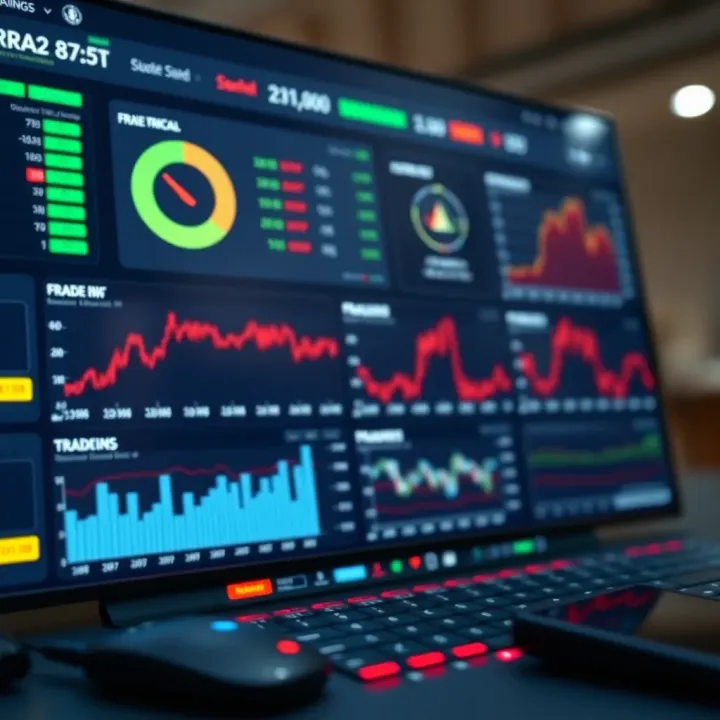
Effective forex risk management protects your capital and keeps your business stable despite jittery currency markets.
Key risks include:
Transaction risk: The danger that currency moves between a deal’s agreement and settlement dates change costs or profits.
Translation risk: For businesses with foreign assets or liabilities, currency changes affect the reported value in the balance sheet.
Economic risk: Long-term shifts in exchange rates that impact competitiveness and market share.
South African companies often face transaction risk when settling invoices internationally, while investors holding offshore assets are exposed to translation risk. Economic risk can strike when sustained currency weakness makes imports more costly or erodes export margins.
To curb these uncertainties, savvy market players use a variety of approaches. These range from practical tools like forward contracts and options, to more regular monitoring of currency trends and macroeconomic indicators. Keeping abreast of Reserve Bank policies, global commodity prices, and geopolitical developments helps build a clearer picture.
Besides technical solutions, regulatory frameworks also influence risk management. For example, South Africa’s exchange control regulations and compliance under the Financial Sector Conduct Authority (FSCA) shape what companies and investors can do with their foreign exchange exposures.
In this article, we will explore practical strategies tailored to the South African environment. This includes how to spot risks early, use hedging instruments appropriately, understand local regulations, and apply monitoring tools that keep you ahead of currency movements.
Understanding forex risk is essential for traders, investors, and businesses dealing with multiple currencies, especially in South Africa where the rand can be quite volatile. This risk refers to the potential for financial loss due to fluctuations in exchange rates. Grasping how these changes affect your transactions or investments helps you prepare better strategies to protect your bottom line.
Forex risk, or foreign exchange risk, arises when the value of one currency changes relative to another after a transaction, potentially resulting in unexpected gains or losses. For example, a South African exporter invoicing in US dollars may receive fewer rand after converting their earnings if the rand strengthens unexpectedly.
This risk mainly emerges whenever you buy, sell, or invest in a foreign currency. Take an importer ordering machinery from Germany and agreeing to pay euros in 90 days. If the rand weakens against the euro during this period, the importer faces higher costs when settling the invoice. These timing mismatches in payment or receipt dates create exposure to currency swings.
Transaction risk directly affects cash flows when exchange rates move between the agreement date and payment date. Importers and exporters frequently encounter this risk since contracts denominate payments in foreign currencies.
Companies with international subsidiaries face translation risk, which arises during the consolidation of foreign assets and liabilities into the parent company’s reporting currency. For instance, a Johannesburg-based firm with operations in Europe will see its balance sheet values fluctuate due to foreign currency movements, influencing reported earnings.
Also called operating exposure, economic risk captures how currency shifts affect a company’s long-term market value and competitive position. A rand depreciation might boost local manufacturers’ exports but increase costs for businesses dependent on imported inputs, altering their profitability and future prospects.
Importers must budget for potential rand depreciation that raises the cost of goods bought from overseas. Exporters, meanwhile, may benefit from a weaker rand as their products become cheaper abroad, but sudden appreciation can erode profits on foreign sales. Managing payment terms and hedging strategies becomes vital in balancing cash flow volatility.
Investors holding offshore assets or companies listed with foreign income streams need to consider forex risk carefully. Exchange rate swings impact returns when foreign earnings convert back to rand. This volatility also affects company valuations and can be a deciding factor in mergers or expansions where currency exposures are significant.
Effective forex risk management begins with a clear understanding of the types of risks involved and their specific effects. Only then can you make informed decisions to protect assets and improve financial stability in an unpredictable global currency market.
Managing foreign exchange risk requires a mix of practical strategies and financial tools that cater to the unique needs of South African businesses and investors. By employing common techniques like operational adjustments, financial hedging, and diversification, entities can soften the blow of currency swings and stabilise cash flow. These methods allow for a more predictable financial outlook amid the rand's notorious volatility.
Balancing currency cash flows involves aligning your foreign currency income with expenses to reduce net exposure. For example, an importer who pays suppliers in euros but sells predominantly in rands can try to secure euro-denominated sales contracts or make payments in rand where possible. This balancing act means fewer currency conversions and less reliance on the forex market, which can bring unexpected costs. Realistically, perfect balance is rare, but even partial alignment lowers risk significantly.
Sourcing and pricing strategies also play a key role. Businesses can look for suppliers who accept rand payments or negotiate contracts that link prices to currency movements, helping to shift some risk to trading partners. For instance, a South African company importing goods from China might explore local suppliers or those willing to adjust pricing based on rand fluctuations. Strategically setting prices in multiple currencies or including forex clauses protects margins, especially when costs and revenues span different currencies.
Forward contracts are agreements to buy or sell a currency at a fixed rate on a future date, locking in costs or revenues. South African exporters often use forwards to fix the rand amount they will receive when foreign payments arrive, protecting against rand strength. While forwards remove uncertainty, they also mean missing out on favourable rate movements but provide solid budget certainty.
Options offer flexibility by granting the right, but not the obligation, to exchange currency at a set rate before expiry. This works well for companies uncertain about the exact payment date or amount. For example, a local investor with potential offshore acquisitions can buy options to guard against adverse moves but still benefit if the rand weakens. Options carry premiums and require a careful cost-benefit analysis.
Futures contracts, similar to forwards but traded on exchanges, provide standardised terms and margin requirements. They suit traders or deep-pocketed companies seeking transparent pricing and liquidity. Consider a South African agricultural exporter using futures to hedge seasonal currency exposure; the daily settlement process can demand additional cash during volatile times, so firms must plan accordingly.
Spreading risk across different currencies reduces reliance on a single currency's fortunes. Investors might hold a mix of US dollars, euros, pounds, and emerging market currencies besides the rand to soften shocks. Businesses with multinational operations can invoice in local currencies or maintain bank accounts in several currencies to diversify exposure naturally.
Portfolio adjustments mean actively reviewing and shifting currency allocations based on market conditions. For example, if the rand faces potential pressure from domestic political uncertainty or economic data, investors may reduce rand exposure and increase holdings in USD or SGD (Singapore dollar). This dynamic management requires access to reliable market data and efficient forex trading platforms but helps manage risk without locking into long-term hedges.
Keeping forex risk in check is about combining realistic operational tweaks with smart financial instruments. No single technique works in isolation, but together they offer a robust shield against currency swings that can unsettle South African businesses and investors alike.
Constant monitoring and precise measurement of forex risk help businesses and investors adjust their strategies before losses pile up. Without actively keeping an eye on currency movements and exposures, even solid hedging plans can fall flat amid unexpected volatility. For South African traders and companies, effective tracking tools clarify how much risk they actually carry across their foreign currency dealings.
Identifying currency exposure involves pinpointing which transactions and assets are vulnerable to exchange rate swings. This isn’t just about open forex trades — it includes receivables, payables, investments, and even foreign operations where earnings fluctuate with currency rates. South African exporters, for example, might invoice in US dollars but incur costs in rand, creating a mismatch that needs careful tracking.
By mapping out all sources where foreign currency impacts the bottom line, companies get a sharper picture of potential risks. This clarity allows decision-makers to see whether their exposures align with strategic goals or whether adjustments are necessary.
Regular monitoring practices ensure this exposure data stays current. Businesses often use specialised software or financial dashboards that update positions daily, revealing shifts caused by new deals, payments, or market movements. Consistent reviews help spot emerging risks early, like a weakening rand against the euro that could erode expected profits.
In practice, monitoring means integrating forex exposure data into broader financial reporting cycles, so treasury teams, CFOs, or investors get a real-time or near-real-time snapshot. This allows proactive management rather than reactive firefighting when rates move unfavourably.
Estimating potential losses with Value at Risk (VaR) provides a quantifiable measure of maximum expected loss over a set period under normal market conditions. For instance, a South African investor holding a basket of USD and EUR assets might calculate that there’s a 95% chance their forex loss won’t exceed R500,000 in one week.
VaR translates complex market data into a single figure, making it easier for businesses to set aside appropriate capital buffers or decide on necessary hedges. Although it doesn’t predict catastrophic events beyond normal fluctuations, it gives a useful baseline for day-to-day risk management.
Stress testing for extreme events complements VaR by modelling scenarios that strain normal assumptions — like a sudden spike in the rand from R15 to R12 against the dollar or a major global crisis affecting emerging markets. These tests involve examining worst-case outcomes to prepare contingency plans.
In South Africa, stress testing is particularly relevant where external shocks, such as sudden SARB policy changes or geopolitical events, could trigger sharp currency swings. Running these what-if analyses helps companies understand vulnerabilities not caught in average day risk calculations, ensuring they aren’t left caught short during rare but severe shocks.
Keeping forex risk visible through regular reporting and realistic loss estimates is vital for staying ahead in volatile markets. Tools like exposure reports, VaR, and stress tests turn uncertainty into manageable information.
By combining these tools, traders and investors sharpen their view of currency risk — enabling smarter moves that protect profits and promote confidence even when the rand bounces around unpredictably.
In South Africa, navigating forex risk isn't just about market movements — it also means understanding regulatory frameworks and local challenges that shape how currency risk is managed. Businesses and investors face specific rules set by the South African Reserve Bank (SARB), exchange control laws, and tax obligations that impact forex transactions. Plus, idiosyncrasies like market liquidity and Eskom's loadshedding add to the practical hurdles.
The SARB oversees the country’s exchange controls, which aim to safeguard the rand and prevent capital flight. This means South Africans looking to engage in forex trading or overseas investments must often go through authorised dealers—typically registered banks. For example, a company wishing to hedge imported goods priced in dollars needs to work within these rules to transfer funds overseas legally. SARB’s controls can limit how freely currency moves, affecting timing and costs, so traders have to plan transactions carefully to avoid regulatory snags.
Exchange control regulations restrict the movement of capital in and out of South Africa. While these rules have eased over the years, significant limits remain for individuals and businesses. For instance, individuals have an annual discretionary allowance (currently R1 million) for offshore investment or gifts, but above that, approvals are needed. Businesses must also accurately report foreign currency dealings and may need prior consent for large transfers abroad. These rules impact how forex risk is managed because they influence liquidity, flexibility, and the ability to act quickly when market conditions change.
Foreign exchange gains or losses realised during business transactions are subject to tax. This can affect a company’s profitability and cash flow, especially when dealing with volatile currencies like the rand. For example, a South African exporter converting USD revenue back into rands might record a forex loss if the rand strengthens unexpectedly — impacting taxable income. Managing forex risk effectively can minimise such swings and help with predictable tax outcomes.
South African companies must comply with tax reporting standards related to foreign currency transactions. Proper documentation showing how forex gains or losses are calculated is essential, as SARS scrutinises these entries during audits. Companies also have to report foreign currency balances and transactions in annual financial statements according to accounting standards. Staying compliant means integrating forex risk management into accounting and tax processes to avoid penalties and ensure accurate financial disclosure.
The local forex market, while active, is smaller and less liquid compared to global centres like London or New York. This can increase transaction costs and reduce the availability of hedging instruments such as options or futures with longer maturities. For example, a medium-sized business seeking to hedge rand/US dollar exposure may find limited depth in local forward markets, forcing reliance on banks with wider spreads. This scarcity can leave companies exposed to higher volatility or less effective hedges.
Loadshedding frequently disrupts normal business operations across South Africa, impacting companies’ ability to monitor and manage forex exposures in real-time. Imagine a trading desk that cannot access internet or systems during a power outage — decisions may be delayed, increasing risk. Such operational gaps require firms to prepare backup plans like UPS systems, generators, and contingency staffing to keep forex risk management running smoothly during outages.
Understanding and adapting to South Africa’s regulatory environment and practical business conditions is vital for effective forex risk management. From SARB controls to loadshedding, these factors shape how traders and investors protect themselves against currency swings in Mzansi.
Key takeaways:
Always work with authorised dealers due to SARB's exchange control.
Factor in tax effects from forex gains and losses in risk calculations.
Prepare for market liquidity limits by exploring a range of risk tools.
Have business continuity plans to manage disruptions like loadshedding.
This practical knowledge equips South African forex participants to manage risk confidentally, within local rules and realities.
Managing forex risk effectively isn’t just about applying financial instruments or monitoring currency movements. It starts with adopting best practices that align with your specific business needs. Building a strong foundation through clear policies, smart hedging choices, and using the right technology will help weather the unpredictable swings of the forex market.
Your risk appetite is essentially the level of forex risk your business is willing to accept without jeopardising its financial health. Setting this involves balancing potential rewards against possible losses, tailored to your company’s financial position and long-term goals. For example, a Johannesburg exporter with thin profit margins may set a lower risk appetite compared to a multinational with diversified revenue streams.
Establishing this threshold guides decision-making on how much exposure to allow and when to implement hedging strategies. It prevents overreach by clearly defining limits, so you’re not playing roulette with your business finances.
Assigning clear roles ensures everyone involved knows who handles what in forex risk management. This includes naming staff responsible for monitoring currency exposures, executing hedges, and overseeing compliance with policies. In a typical South African SME, the financial manager might manage forex risks, but in larger firms, there could be a dedicated treasury function.
This clarity prevents overlap or gaps in risk control which can otherwise lead to costly mistakes or missed opportunities. It also builds accountability when things don’t go as planned.
Not all hedging instruments suit every business. Choosing the right one depends on factors such as the volume of foreign transactions, predictability of cash flows, and cost tolerance. For instance, a small importer dealing with occasional purchases might prefer simple forward contracts over expensive options.
The key is matching strategies to your operational realities. Overhedging can drain resources, while underhedging leaves you exposed. Striking the right balance protects margins without introducing unnecessary complexity.
Every hedging tool carries costs—transaction fees, margin requirements, or potential opportunity losses. Weigh these carefully against the potential impact of currency fluctuations. For example, locking in a rate with a forward contract could save you from a 5% rand depreciation, but if the rand strengthens, you might lose out.
A practical approach is to quantify expected benefits and costs, using scenario analysis where possible. This ensures decisions are based on hard figures, not gut feeling.
Technology can simplify tracking exposure, running scenario analyses, and automating hedging decisions. South African businesses can use software like Bloomberg Terminal or local treasury management systems tailored to regional forex markets.
These tools provide real-time data and alerts, ensuring you react quickly to shifts in the rand or other currencies. Automation reduces manual errors and frees staff to focus on strategy.
Expert advice remains invaluable, especially for complex or large-scale forex exposures. Specialists understand nuances like SARB exchange controls, tax treatment of forex gains or losses, and market liquidity challenges unique to South Africa.
Engaging a consultant or treasury adviser can help tailor risk policies, choose appropriate tools, and stay compliant with regulations. Their insights often catch pitfalls you might miss when managing forex risk internally.
A disciplined approach combining clear policies, appropriate hedging, and leveraging technology with expert guidance builds resilience against currency shocks.
By putting these practices in place, traders, investors, and financial analysts can better safeguard their positions and confidently navigate South Africa’s forex environment.
📈 Master forex trading in South Africa with practical tips and strategies. Learn risk management, analysis, and mindset skills to boost your success. 🇿🇦
📈 Discover effective forex trading strategies that combine technical & fundamental analysis, risk management, and psychology to boost your South African trades.
📈 New to forex trading in South Africa? Learn easy strategies, risk management, and tips to trade confidently and consistently in the forex market.

📚 Discover the top forex trading books catering to South African traders, covering strategies, risk management & market psychology to boost your skills confidently.
Based on 12 reviews