

Understanding Binary Implementation in Computing
🔢 Explore binary implementation in computing: how data is stored, arithmetic handled, and processors work, offering a solid technical overview for South African tech enthusiasts.
Edited By
Isabella Wright
Binary options trading has attracted many eager investors with the promise of quick returns, but it’s also become fertile ground for online scams. These scams trick traders by exploiting the complex and fast-paced nature of binary options, causing losses that can run into thousands, even millions of rand.
Understanding how binary scams operate is vital for anyone active in online trading or considering it. At the core, these scams offer seemingly simple contracts where you bet on whether an asset’s price will rise or fall within a short period. Yet, behind this simplicity lies a web of deceit designed to separate you from your money.

Beware: Many scams impersonate legitimate platforms or use fake testimonials to build trust rapidly. They lure victims with promises of high, guaranteed returns while downplaying the risks.
Fake platforms: Scammers create websites that mimic reputable brokers or trading houses, sometimes using names similar to trusted brands. The platforms may show real-time price movements but manipulate data to mislead users.
Manipulated software: Even if the platform appears functional, your trades might be rigged to lose. For example, profits may be withheld or withdrawal requests ignored.
Pressure tactics: Agents might contact you via WhatsApp, email, or calls to convince you to deposit more money, often using aggressive or emotional appeals.
Bonus traps: Fake bonuses are offered to encourage larger deposits, but these come with fine print that makes withdrawals nearly impossible.
Overly aggressive promises of safe, large profits in a short time
Lack of official licensing or registration with South African regulators, such as the Financial Sector Conduct Authority (FSCA)
Difficulty withdrawing funds or sudden account blocks
Unsolicited contact through social media or messaging apps
Staying vigilant and verifying every broker’s credentials can save you from falling victim. In South Africa, always check the FSCA’s list of authorised financial service providers before investing.
Most importantly, never rush into deposits under pressure. Scams thrive when traders act hastily without due diligence. Instead, take your time to research, ask questions, and seek advice from experienced financial analysts or traders.
Next, we will explore common tactics scammers use and practical steps you can take to stay safe in the world of binary trading online.
Understanding how binary online scams function is key to spotting and avoiding them. These scams often exploit people’s desire for quick financial gains by twisting the true nature of binary trading. Knowing the mechanics behind these scams gives you a practical edge when deciding whether to trust a platform or offer.
Binary options are a type of financial instrument where you predict whether an asset’s price will go up or down within a specific time frame. The payoff is either a fixed amount or nothing at all — hence the term "binary." Real trading involves genuine market risks and is regulated to protect investors. However, the simplicity of binary options attracts scammers who present it as an easy shortcut to wealth.
Typical platforms for binary trading promise quick returns and minimal effort. Legitimate brokers provide clear information about risks and are authorised by financial regulators such as the Financial Sector Conduct Authority (FSCA) in South Africa. Scam platforms, however, loudly advertise guaranteed profits and may present flashy interfaces loaded with unrealistic profit charts, aiming to lure inexperienced traders.
One of the most common tricks scammers use is making false guarantees of high returns. They’ll claim you can double or triple your investment in days or even hours. It’s like someone promising you’ll find gold in your backyard overnight — tempting but far from realistic. These claims ignore how volatile and risky actual trading can be.
Manipulated software is another deceitful tactic. Scam sites often run platforms where prices and results are controlled to show you winning at first, encouraging you to invest more. Later, they flip the script to show losses or disable withdrawals altogether. Imagine playing a game where the dice are weighted against you and you don’t even know it.
Pressure tactics are also part of the playbook. You might get constant calls or messages pushing you to deposit larger sums quickly, warning you about “limited-time” opportunities. This aggressive approach aims to catch you off-guard before you’ve had time to think it through or verify the platform's legitimacy.
Recognising these scam tactics early can save you from losing your hard-earned money and the frustration of trying to recover it later.
Spotting warning signs early can save you from costly losses. Binary trading scams often hinge on convincing promises that sound too good to be true, but many miss the crucial details that give them away. Traders and investors need to know exactly what to watch for in bogus offers and dubious platforms.
One of the most glaring red flags is when a platform guarantees sky-high returns with little or no risk. For example, a trader might be pitched an offer claiming "Earn 90% profit in just minutes!" Such claims rarely reflect reality. Legitimate financial products never promise fixed high gains because the markets are unpredictable by nature. If you come across these too-good-to-be-true guarantees, treat them with scepticism. Scammers use this tactic to hook victims quickly, relying on greed and urgency.
Regulatory oversight acts like a safety net in financial trading. In South Africa, the Financial Sector Conduct Authority (FSCA) oversees the licensing of firms offering binary trading products. To verify a company’s legitimacy, you can check the FSCA’s official register of authorised financial services providers. This is a practical first step before investing. If a broker or platform doesn’t appear on the FSCA list or seems to operate offshore without clear regulation, that’s a big warning sign.
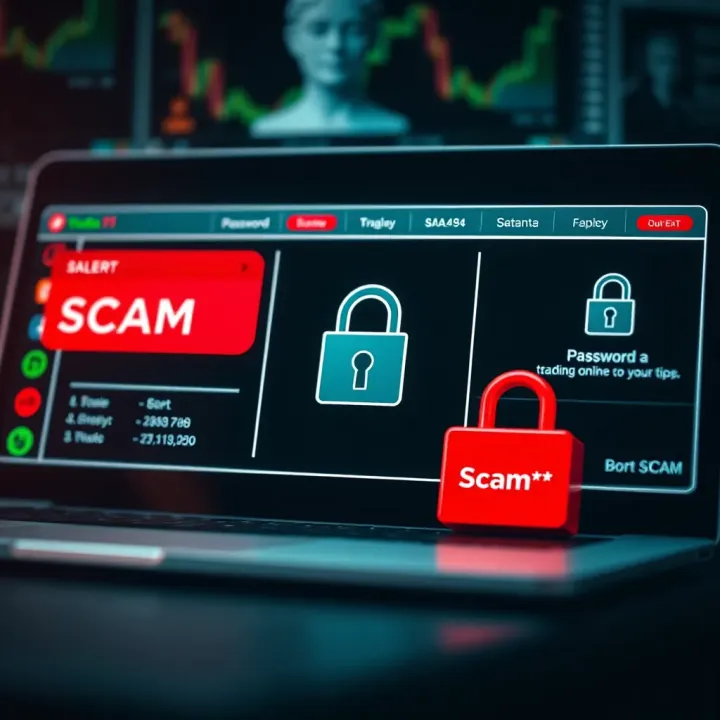
Check twice before trusting any binary trading service. Licensed brokers comply with rules designed to protect you from fraud and malpractice.
Dealing with unregulated brokers poses serious risks. Without regulation, they can manipulate prices, delay withdrawals, or vanish altogether with your money. South African traders especially must be cautious because scammers often target local investors with offshore companies claiming to be globally licensed. The absence of a valid FSCA licence means you might have no legal recourse if things go south.
Scam operators often bombard potential victims with calls, emails, or messages pushing them to deposit more funds quickly. This relentless follow-up aims to wear you down and push hasty decisions. If you notice a broker or agent who won’t take no for an answer or warns you about "limited-time offers" and "exclusive deals," it’s a clear pressure tactic. Legitimate firms respect your decision-making process and won’t hound you incessantly.
Recognising these signs early helps protect your money and sanity. Always pause and ask yourself if the offer holds up under scrutiny, especially when promises come with pressure and little transparency.
Protecting yourself from binary scams isn't just a good idea—it's essential if you want to keep your hard-earned money safe. Scammers often target traders and investors with tempting offers of quick profits, but falling for these tricks can wipe out your investment faster than you can say "loadshedding". By taking practical steps to verify the legitimacy of trading platforms and adopting safe trading habits, you reduce your risk and trade with confidence.
Before throwing money into any binary trading platform, make sure you check whether it's properly licensed in South Africa. Legitimate companies need authorisation from bodies like the Financial Sector Conduct Authority (FSCA). You can verify licences through the FSCA's public register. For example, if a platform isn’t listed on the official FSCA site, that’s a glaring red flag. It’s like trying to pass through a robot without permission—your chances of hitting trouble are high.
Licensed companies operate under strict rules, ensuring your investments are somewhat protected and that there's recourse should things go wrong. Without proper licensing, you're basically dealing blindfolded with no safety net.
Next up, take a good look at what others say about the platform. Reviews on finance forums or sites like MyBroadband can reveal patterns of concern. If multiple users report withdrawal problems or aggressive sell tactics, it’s best to steer clear. Similarly, warnings issued by the FSCA or consumer protection organisations carry serious weight.
Remember, scammers often create slick websites to look legit, but the community’s shared experiences offer a much sharper lens. For instance, a few users sharing stories about being repeatedly contacted to invest more is a typical pressure tactic scam platforms use.
Even when you’re confident a platform is legitimate, it’s wise to set clear limits on how much you invest. Think of it like setting a monthly budget for groceries—you don’t want to overshoot and find yourself stranded with no means to cover essentials.
Start small and only use money you can afford to lose. For example, if you’re new to binary trading, allocating R1,000 rather than R10,000 can help you test the water safely. This approach keeps your risk manageable and stops you chasing losses under pressure.
There are plenty of binary trading platforms out there, but only a handful are regulated and trustworthy. Using a platform authorised by the FSCA or equivalent is crucial. They have to meet regulatory standards, submit to regular audits, and keep client funds separate from operational money.
Platforms operating without regulation tend to rely on shady tactics like manipulated software or refusing withdrawals. Sticking to regulated platforms means you’re more likely to experience transparent pricing, secure transactions, and a fair playing field.
A good rule of thumb: Always confirm regulatory status first, read user feedback second, and consider your own risk tolerance before investing.
Taking these precautions helps shield you from scams and builds your skills to trade smarter, not harder.
Recognising a binary scam is just the first step; knowing what to do immediately after can stop further losses and help protect others. Many fall victim because they don’t act quickly or don’t know which authorities to approach. It’s crucial to take prompt action once you suspect a scam to preserve any chance of recovering funds and to assist in investigations.
The FSCA is South Africa’s main regulator overseeing financial services, including binary options trading platforms. If you notice suspicious behaviour, such as unlicensed brokers or unrealistic profit promises, reporting it to the FSCA can kick-start an official investigation. The FSCA keeps a public register of authorised firms, so before investing, always double-check if the company appears there. If they don’t, that’s already a red flag worth flagging.
Reporting a suspected scam to the FSCA can lead to warnings issued to the public or even legal proceedings against the fraudsters. For example, if a fake platform operates under a false name, the FSCA’s intervention might result in site takedowns or frozen accounts. This not only helps you but might prevent others from falling prey.
Aside from the FSCA, SAPS plays a vital role when it comes to financial crimes like binary scams. Once you lose money or suspect fraud, you should lodge a formal complaint at your nearest police station or via the SAPS online reporting system. Ensure you provide all evidence, such as transaction records, communications, and platform screenshots.
Getting a Cape Town trader found themselves stuck after investing R50,000 through an unregulated binary site. By reporting to SAPS, their case joined broader cybercrime investigations that eventually led to arrests. While recovery isn't guaranteed, police involvement documents the crime and can contribute to prevention.
Losing money this way can feel devastating, but immediate practical steps can help salvage what’s left. Contact your bank or mobile money provider to report unauthorised transactions and request a freeze if possible. If payments were made via credit card, ask about chargebacks or reversals.
Next, gather all correspondence and records concerning the scam and provide these to both the FSCA and SAPS to strengthen your case. Joining support groups or online forums focused on financial scams can also help you reconnect with others and stay informed.
The best defence is education. Spend time understanding how legitimate trading works and routinely check official regulatory updates. Many people fall victim because they’re unaware of how scams unfold or because offers feel too good to be true.
Sharing your experience with friends, family, or trading networks improves community awareness. Some South African NGOs and financial literacy programmes offer workshops or online materials specifically about digital scams. Keeping your knowledge up to date lessens the chance of being duped again and helps protect those around you.
Taking swift action and staying informed are your strongest allies against these scams. Reporting suspicious activity isn’t just about yourself — it’s about building a safer financial environment for all South Africans.
Exploring the wider consequences of binary scams is key for anyone involved in financial trading or investment here. These scams often hit harder than just a few individuals losing money. They ripple through the economy, eroding trust in legitimate trading platforms and stalling real investor confidence. For South African traders, knowing this bigger picture sharpens awareness and encourages caution when considering supposedly lucrative binary trading offers.
Binary scams drain more than individual wallets; they strain communities and financial systems. For instance, when a group of people in a township falls victim to a scam promising high returns, not only is their money gone, but local economic activity can slow down due to reduced spending power. On a national level, these scams contribute to a shadow economy that exists outside regulatory oversight, which can distort market data and mislead genuine investors about market trends.
Besides financial loss, victims often experience social stigma and stress. Families may wrestle with the fallout from suddenly vanished savings, leading to increased anxiety and even broken relationships. This undermines the social fabric in vulnerable communities, especially where awareness on such scams is low. Thus, these scams carry a social cost far beyond mere numbers.
South Africa's regulators face several hurdles in tackling binary scams effectively. For one, many scam operations run offshore, making enforcement difficult. These international links mean local authorities often need cooperation from foreign bodies, which can delay action or limit effectiveness. Also, scammers frequently change their web addresses and company names to dodge blacklists and licence revocations, creating a continual game of whack-a-mole for the Financial Sector Conduct Authority (FSCA) and others.
Another challenge lies in the speed at which new scammers emerge compared to the pace of regulatory updates. While the FSCA regularly updates its list of authorised providers, some deceptive platforms move quickly, exploiting gaps before regulators can respond. This situation means investors must take personal responsibility by verifying licences and exercising caution even when a platform appears legitimate.
Educating the public plays a crucial role in preventing binary scams. The FSCA and consumer protection groups regularly run awareness campaigns to highlight warning signs and safe trading practices. Practical workshops and online resources tailored to South African contexts help demystify the jargon and tactics scammers use. For example, campaigns emphasise checking for FSCA authorisation before investing and recognising manipulative sales techniques.
Industry bodies and financial service providers also have a part to play by promoting transparency and responsible trading. Banks and payment platforms increasingly block transactions linked to unauthorised brokers after receiving consumer warnings. This cooperation helps prevent funds from landing with fraudsters and adds an extra layer of defence for traders.
Awareness is a powerful tool in fighting scams. When traders understand the broader impact and the signs to watch for, they not only protect themselves but help safeguard South Africa's financial markets as a whole.
By understanding the extensive effects of binary scams and recognising the ongoing challenges regulators face alongside education efforts, traders in South Africa can make more informed decisions. This knowledge equips them to navigate the online trading world more safely and supports stronger, more trustworthy financial systems in Mzansi.
🔢 Explore binary implementation in computing: how data is stored, arithmetic handled, and processors work, offering a solid technical overview for South African tech enthusiasts.

📊 Get to grips with binary charts, learn to read sequences of 0s and 1s clearly, and explore practical uses in computing and data analysis for local tech users.
📱 Learn how to download and install binary option software safely in South Africa. Get handy tips on choosing trusted platforms, security, and practical use.
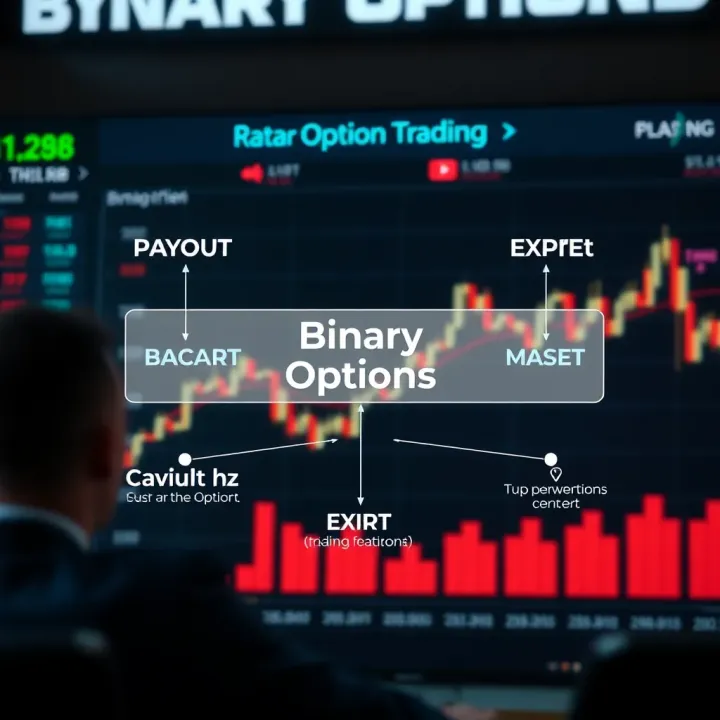
📊 Curious about binary options? Learn how they work, spot risks, understand regulations, and get local tips to trade smartly in South Africa’s market.
Based on 8 reviews