
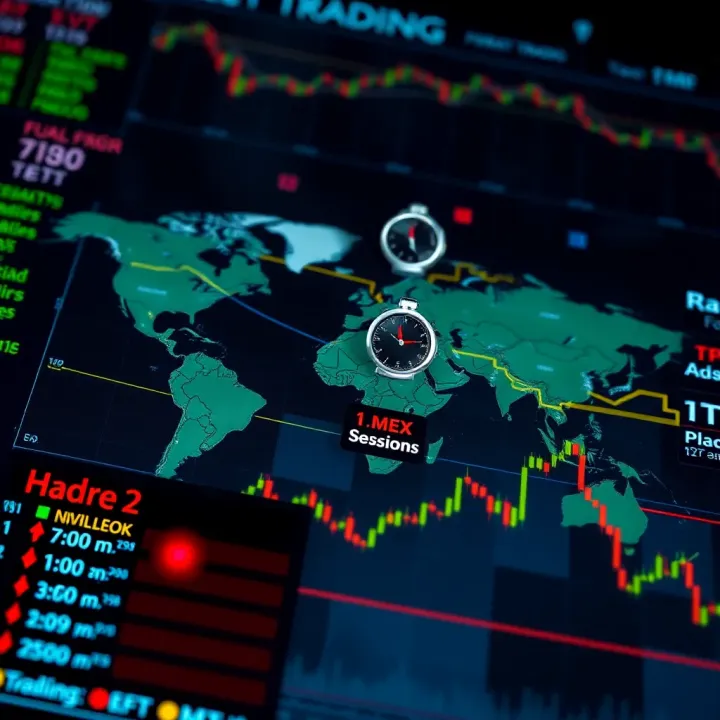
Understanding Forex Trading Sessions
Explore forex trading sessions ⏰: their timings, unique features, and market impact. Learn smart scheduling and risk management to boost your trading success.
Edited By
Charlotte Ellis
The forex market, short for foreign exchange, is the world’s largest financial market. Every day, traders and investors swap currencies worth trillions of rands. It operates 24 hours a day, five days a week, allowing you to trade from Johannesburg while others are active in London or New York.
Understanding how this market works gives you a solid foundation to make informed decisions. Forex trading involves buying one currency and selling another simultaneously, always in pairs. For example, the USD/ZAR pair shows how many South African rands you need to buy one US dollar. If the rand weakens, it takes more rands to get a dollar — this movement creates opportunities for profit but also risks.
Banks and Financial Institutions: These heavyweights move large sums daily to manage risk or make profits.
Corporations: They hedge against currency fluctuations when importing or exporting goods.
Retail Traders: Individual investors in South Africa increasingly join the market through brokers.
Central Banks: They intervene to stabilise or boost their currencies.
Currency values don’t just flutter randomly; they react to several concrete drivers:
Economic Data: Interest rates, inflation, GDP growth, and employment numbers reveal an economy's health.
Political Events: Elections, policy changes, or geopolitical tensions impact confidence.
Market Sentiment: Traders’ collective mood can amplify trends or trigger sudden reversals.
A good trader watches these signals closely and stays flexible, recognising that forex can turn quickly.
Consider Eskom’s loadshedding affecting South African markets. Prolonged power cuts can discourage investors, causing the rand to slip against the dollar or euro. Traders who spot these trends early can position themselves to either protect investments or profit from expected moves.
Whether you’re an analyst looking to understand global flows or a retail trader testing your first trades, grasping these basics is the first step in navigating the forex market with confidence.
Understanding how the forex market operates is foundational for any trader or investor keen on navigating its ups and downs. This section sheds light on currency trading basics and the key players, equipping you with the knowledge to spot opportunities and manage risks effectively.
Forex trading involves exchanging one currency for another, always in pairs. Each pair features a base currency and a quote currency, for example, USD/ZAR (US Dollar/South African Rand). The quotation tells you how much of the quote currency you need to buy one unit of the base currency. Saying USD/ZAR is 18.50 means you need R18.50 to buy $1. This setup helps traders speculate on currency fluctuations, making profits when the exchange rate moves favourably.
The forex market operates 24 hours a day during weekdays because it spans multiple time zones—from Sydney to New York. Liquidity varies by trading hour, with peak activity during overlapping hours, such as when both London and New York markets are open. High liquidity usually means tighter spreads and better price execution, which are crucial for traders seeking to enter and exit positions without costly slippage.
Most forex trades happen on the spot market, where currencies are exchanged immediately at current rates. However, forward contracts are agreements to buy or sell currencies at a predetermined price on a future date. Businesses often use forwards to hedge against currency risks, securing rates ahead of time. Retail traders typically prefer spot trades for their simplicity and immediate settlement.
Central banks like the South African Reserve Bank (SARB) are major players influencing forex through monetary policy—adjusting interest rates or intervening to stabilise the rand. For instance, if SARB raises rates, the rand might strengthen as investors chase higher returns. Governments might also impact forex by negotiating trade agreements or responding to geopolitical events.
Big banks act as major forex market makers, providing liquidity by matching buyers and sellers globally. Their dealings involve large volumes, and they often facilitate transactions for clients like multinational corporations. These institutions also offer currency services to retail brokers and traders, shaping overall market dynamics.
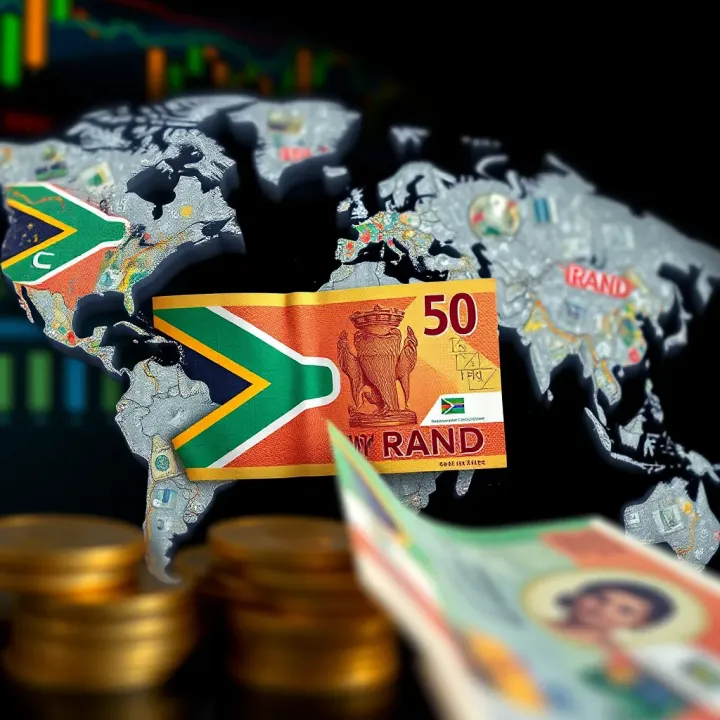
Compared to banks, retail traders participate with smaller amounts but contribute significantly to market volume due to widespread accessibility. Online brokers provide platforms and leverage that let individual traders access the forex market, often using demo accounts to practise. Choosing a reliable broker with transparent fees and solid customer support is key to navigating the market safely.
Knowing who the key players are and how forex trading works on a practical level helps you make smarter decisions, whether you're hedging business risks or speculating for profit.
The forex market is driven by multiple factors that can shift currency values quickly. Understanding these influences helps traders and investors make informed decisions. Prices don’t move randomly; they react to economic, political, and social events both globally and locally. For South African traders, recognising these factors can be the difference between a smart investment and unnecessary risk.
Interest rates and inflation stand out as primary drivers of forex prices. Central banks adjust interest rates to control inflation and stimulate or cool down the economy. For example, if the South African Reserve Bank (SARB) raises rates, the rand usually strengthens because higher interest rates attract foreign investment seeking better returns. Conversely, rising inflation often erodes a currency’s value because it decreases purchasing power—think of it like a price rise on groceries reducing how far your money stretches.
Gross Domestic Product (GDP) reports provide a snapshot of a country’s overall economic health. A rising GDP indicates economic growth, which typically boosts investor confidence and currency strength. For example, when Statistics South Africa releases strong quarterly GDP figures showing manufacturing and export growth, the rand often gains. On the flip side, a shrinking GDP number signals trouble ahead, prompting traders to sell off the currency.
Employment numbers also matter. Employment figures reveal labour market health and consumer spending power. High employment rates suggest a robust economy with people earning and spending, supporting currency strength. In contrast, rising unemployment flags economic weakness, potentially weakening the rand. Consider how the quarterly Quarterly Labour Force Survey (QLFS) impacts market sentiment; if job losses spike, traders often interpret it as a sign to avoid the currency.
Elections and government changes can sway forex prices significantly. Political uncertainty tends to spook investors. For instance, in South Africa, if an election results in a coalition government with unclear policy direction, the rand might wobble. Stability on the other hand, like a government with a clear mandate and sound fiscal policies, usually reassures markets.
Trade policies and international relationships fall under trade agreements and disputes. Positive developments such as new trade deals between South Africa and key partners can lift the rand by promising better export opportunities. Conversely, trade disputes or tariffs can hurt confidence and drag the currency down. For example, escalating trade tensions between China and the US have often echoed through emerging markets, including Mzansi.
Geopolitical tensions beyond borders also affect forex prices. Conflicts, sanctions, or diplomatic spats disrupt global trade routes and financial flows, affecting risk appetite. For instance, instability in the Middle East can push investors towards "safe haven" currencies like the US dollar, weakening riskier ones such as the rand. Such shifts influence trading volumes and prices even in South African markets.
Awareness of these factors and their timing allows traders to anticipate movements rather than react late. Staying updated with economic calendars, local news, and global events helps you trade forex more confidently and reduce exposure to unexpected shocks.
Understanding common forex trading strategies helps you navigate the market more confidently. These strategies guide decisions on when to enter or exit trades, manage risks, and interpret market signals. Skilled traders don’t just guess; they use proven approaches to improve their chances of success.
Chart patterns and trend lines provide visual cues on where the market might head next. Patterns like head and shoulders, double tops, or flags reveal shifts in market sentiment. For example, spotting an ascending triangle might signal an upcoming price jump. Trend lines help confirm these moves by connecting highs or lows, showing whether the market is climbing or falling over time. In practice, if the rand-dollar pair forms a consistent upward trend line, traders might see it as a chance to buy before prices rise further.
Indicators like moving averages and RSI (Relative Strength Index) offer more quantifiable signals. A moving average smooths price data to show the general direction over a period—say, 50 days. When the short-term moving average crosses above a longer-term one, it may suggest a buying opportunity. Meanwhile, the RSI gauges if a currency pair is overbought or oversold, typically flagging values above 70 or below 30. For instance, if the EUR/ZAR RSI dips below 30, it might hint at an undervalued position worth watching.
Support and resistance levels mark price points where currency moves often pause or reverse. Support acts like a floor preventing prices from falling, while resistance is a ceiling that prices struggle to break. Let’s say USD/ZAR keeps bouncing up from R15.00 (support) but repeatedly stalls near R16.00 (resistance). Traders watch these levels closely to spot breakouts or retracements, adjusting their entry and exit points accordingly.
Evaluating economic reports is key to understanding why currencies move. Reports on interest rates, inflation, or GDP reveal the health and outlook of a country’s economy, influencing forex prices. For example, a stronger-than-expected GDP reading in South Africa might strengthen the rand as investors gain confidence.
Understanding market sentiment means gauging the overall mood of traders and investors. Sentiment swings can push prices beyond what fundamentals suggest, creating opportunities or risks. Sentiment indicators, like the Commitment of Traders report, show how big players are positioned. If sentiment shifts bearish on a currency, even solid economic data might struggle to boost it.
Use of news and data releases demands timely attention. Major announcements, such as SARB interest rate changes or unexpected political developments, often cause sharp currency movements. A sudden escalation in trade tensions or Eskom load-shedding forecasts could see the rand weaken quickly. Savvy traders keep a close eye on these events to avoid surprises and position themselves strategically.
Employing both technical and fundamental approaches lets traders build a more complete view, balancing short-term moves with long-term forces.
In South Africa, where market conditions can shift with global and local factors, combining these strategies helps traders make better decisions.
Risk management lies at the heart of successful forex trading. Without a clear strategy for managing potential losses, even the most promising trades can quickly lead to significant setbacks. This section breaks down two critical tools—stop losses and take profits—and their role in protecting your capital, as well as practical approaches to position sizing and leverage.
Protecting capital is the first priority for any trader. A stop loss order acts like a safety net, automatically closing your trade when the market moves against you beyond a certain point. This prevents small losses from ballooning into serious financial damage. For example, if you open a trade on the USD/ZAR pair at R18.00 and set a stop loss at R17.80, the trade will close if the rand strengthens too much, capping your loss at about R0.20 per unit. Using stop losses consistently keeps your risk predictable and helps you stay in the game longer.
Avoiding emotional decisions is another pressing reason to use stop losses and take profits. Forex markets can be volatile, and watching a losing trade spiral can lead many traders to make irrational choices, like moving their stop loss further away or holding on too long hoping for a rebound. Setting these limits beforehand removes guesswork and enforced discipline. For instance, by setting a take profit target, you secure gains without second-guessing whether prices will keep improving. This reduces stress and allows you to focus on the next trade instead of fixating on past decisions.
Understanding leverage risks is vital for South African forex traders who often have access to high leverage ratios, sometimes 1:100 or more. Leverage magnifies profits but also losses; if not managed carefully, it can wipe out your account quickly. Consider a R10,000 account with 1:100 leverage: you control R1,000,000 worth of currency, but a 1% adverse move would cost your entire capital. Hence, knowing how much of your capital is effectively exposed avoids reckless risks.
Calculating appropriate trade sizes ties back to your overall risk tolerance and capital. A common approach is to risk no more than 1-2% of your account on any single trade. This means if your trading account is R20,000, your maximum loss per trade should be R200 to R400. To figure out the trade size, you’d calculate the difference between your entry and stop loss in pips and then adjust the lot size so that the potential loss at the stop loss equals your risk limit. This disciplined sizing safeguards your capital and allows you to handle losing streaks without blowing your account.
Managing risk isn’t about eliminating losses—that’s impossible—but rather about controlling how much you lose so you can stay in the market and trade another day.
Proper risk management takes the pressure off and gives you a logical framework that balances opportunity with protection. South African traders who apply these principles often find their trading decisions clearer, with more consistency and fewer headaches caused by the market's ups and downs.
Navigating the forex market without understanding its regulatory framework is like driving without knowing the road rules. For traders in South Africa, this means recognising the role of the Financial Sector Conduct Authority (FSCA) and how it shapes the trading landscape. Beyond regulations, picking the right broker is equally critical. The platform you use, the fees you pay, and the support you receive can all influence your trading success and overall experience.
The FSCA is the main watchdog overseeing financial services in South Africa, including forex trading. Its job is to protect investors by enforcing fair practices and making sure brokers comply with set standards. For example, the FSCA requires transparency from brokers regarding the risks involved, helping traders avoid unscrupulous operators.
This authority also ensures brokers maintain sufficient capital and follow proper conduct rules to foster a safe trading environment. For South African traders, this means you can feel more secure knowing your broker operates within a regulated framework designed to reduce the risk of fraud and unfair treatment.
Brokers offering forex services in South Africa must register with the FSCA and comply with local laws. This includes practising Anti-Money Laundering (AML) checks and adhering to consumer protection acts. For instance, if a broker promises guaranteed profits or runs shady promotions, the FSCA has the power to investigate and freeze their operations.
Registered brokers are also expected to provide clear disclosures about fees, leverage limits, and how client funds are kept separate from company capital. This separation safeguards your money should the broker face financial trouble. Understanding these requirements helps you weed out unlicensed platforms that could result in losses or difficulties withdrawing funds.
A broker’s trading platform determines how smoothly you can execute trades and analyse market moves. Look for platforms that offer real-time data, intuitive charting tools, and a variety of order types. For example, MetaTrader 4 and MetaTrader 5 remain favourite choices among South African traders because of their reliability and comprehensive features.
Additionally, platform stability during high-volatility periods—like around major data releases—is a must. Imagine trying to close a position to limit losses but facing technical glitches; such issues can be costly.
Fees aren’t just about commissions. Many brokers make their money through spreads—the difference between buying and selling prices. Tight spreads mean cheaper trading costs, but watch out for hidden charges such as swap fees for holding positions overnight or withdrawal fees.
For example, a broker might advertise zero commissions but compensate through wider spreads, which eats into your profits. Always compare the total cost of trading across providers to make an informed choice.
When markets move fast, having a responsive support team matters. A broker should offer multiple support channels—call, chat, and email—with reasonable wait times. Plus, clear communication in English and possibly other local languages can improve your experience.
Reliability also covers the broker’s reputation. Check whether they have a history free of unresolved complaints, and if they provide clear terms and conditions. Choosing a dependable broker means you spend less time worrying and more time trading confidently.
Picking a well-regulated broker with a robust platform and fair fees is as important as your trading strategy. It keeps your trading journey safe, transparent, and better positioned for success.
Explore forex trading sessions ⏰: their timings, unique features, and market impact. Learn smart scheduling and risk management to boost your trading success.
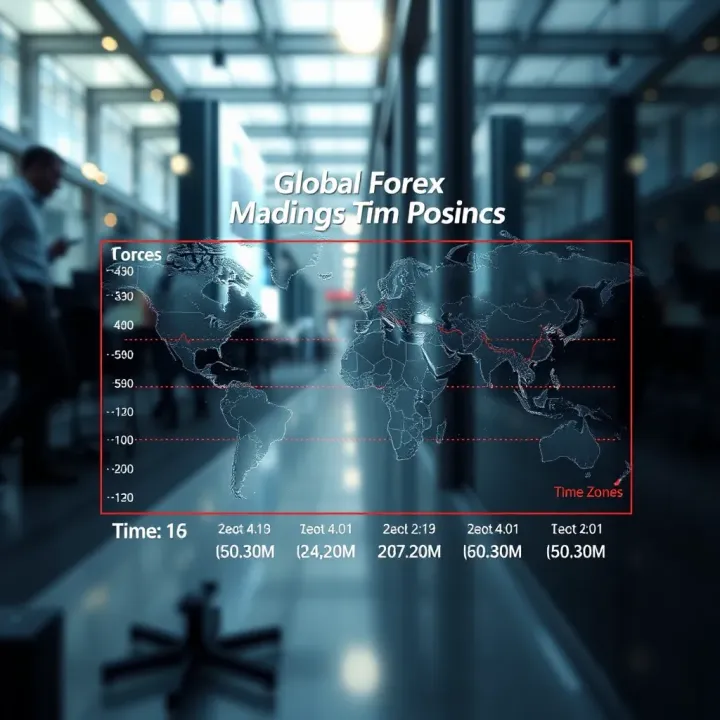
Explore global forex trading 🌍 with insights into market hours ⏰, currency pairs 💱, strategies 📈, risk management ⚠️, regulations 📜, and tech trends 💻 tailored for South African traders.
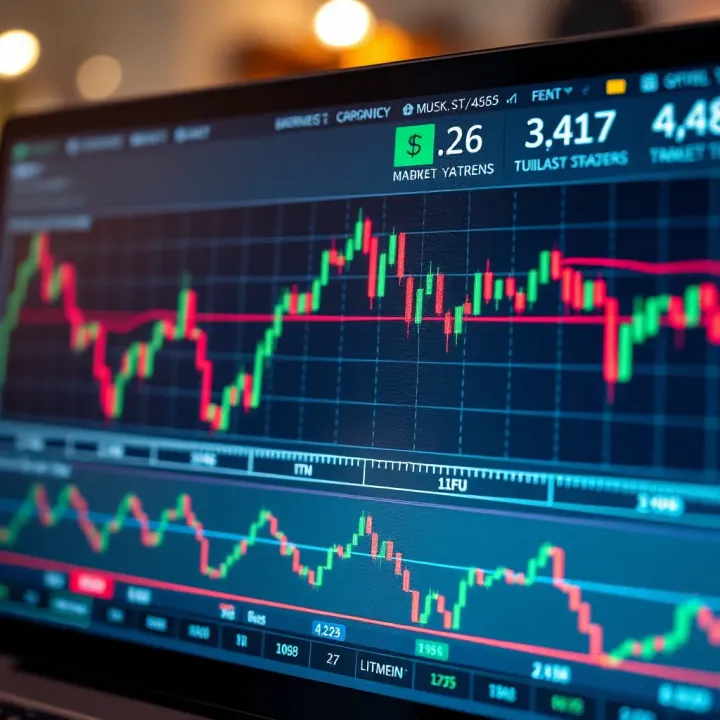
📈 Explore practical insights on forex trading signals, types, sources, risks, and tips to make smarter trades in South Africa's forex market. 💹
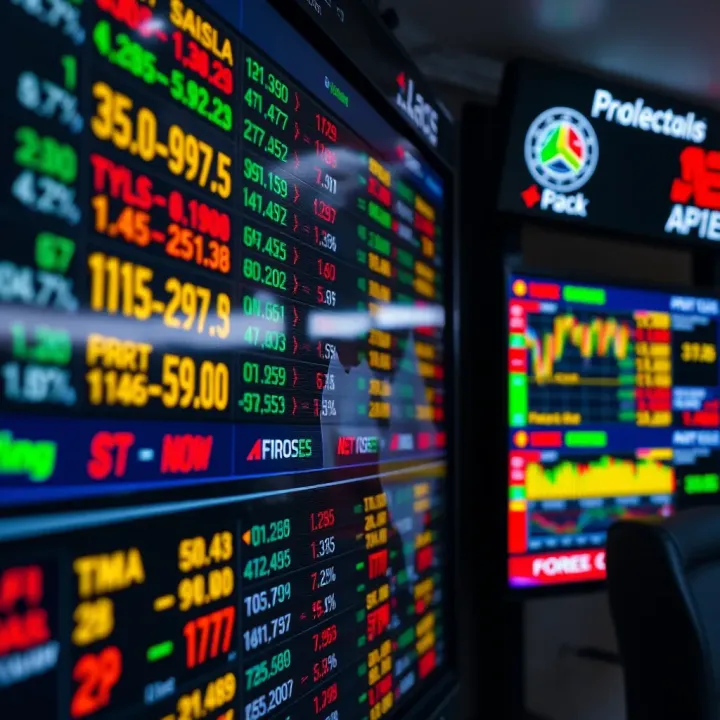
📈 Learn the essentials of forex trading in South Africa. Explore currencies, brokers, strategies, leverage & risk management for confident trading.
Based on 6 reviews