

Understanding Risk Management Frameworks
🔍 Explore practical ways to apply risk management frameworks, understand key principles, and choose the right model for your organisation in South Africa.
Edited By
Amelia Davies
Risk management is about recognising, evaluating, and handling the uncertainties that could affect your investments or financial decisions. Whether you’re trading shares on the JSE or managing a diversified portfolio, understanding risk is essential to protect your capital and maximise returns.
Why risk management matters goes beyond avoiding losses. It’s about making informed decisions amid uncertainty, balancing potential rewards with possible downsides. For instance, during Eskom loadshedding or economic shifts, an investor who plans for such disruptions can better shield their assets.

At its core, risk management involves:
Identifying risks: Spotting market volatility, credit risk, liquidity issues, or operational hazards.
Assessing impact: Estimating how each risk might influence your portfolio's value.
Taking action: Choosing strategies like diversification, hedging, or stop-loss orders to mitigate threats.
For example, a trader might use derivative contracts to hedge against sudden rand volatility affecting foreign investments.
Risk management isn’t just for big banks; individual traders and investors benefit hugely. You can:
Use risk assessment tools like Value at Risk (VaR) to gauge potential losses.
Allocate assets across sectors less sensitive to local challenges, such as including international ETFs to reduce exposure to South African economy-specific risks.
Apply strict position-sizing rules to avoid outsized losses on any single trade.
Effective risk management supports resilience — it helps you stay steady during turbulent times, from interest rate hikes announced by the SARB to unexpected geopolitical events.
In short, grasping and managing risk equips you to make smarter choices, endure market hiccups, and safeguard your financial growth. The next sections will unpack key risk types and practical steps you can take right now.
Risk management is a critical discipline for traders, investors, and financial analysts alike. At its core, it involves identifying potential threats that could affect financial outcomes and then developing strategies to handle them. In the fast-paced world of investing, a poorly managed risk can erode significant capital or even threaten a company’s survival. This makes understanding risk management essential for anyone looking to protect assets, make strategic decisions, and steer clear of unexpected losses.
Understanding the concept of risk centres on recognising uncertainty in future outcomes. For financial professionals, risk often implies the chance of losing money or underperforming the market due to factors beyond immediate control—like a sudden drop in share prices or unforeseen economic shifts. Interestingly, not all risks are negative; some represent opportunities that, if managed well, can lead to above-average returns. So, understanding risk means acknowledging both the threats and opportunities inherent in complex markets.
Basic definition of risk management revolves around planning and executing deliberate actions to limit the chances of harm while maximising potential gains. This process includes spotting where risks lie, assessing their possible impact and likelihood, and then deciding on measures to handle or mitigate them. A practical example is setting stop-loss orders in trading to automatically sell a position if it falls below a certain price, effectively limiting downside exposure.
Protecting assets and people comes first in risk management since no business or investment can thrive if critical resources are compromised. For instance, an investing firm might diversify its portfolio across different sectors or geographies to shield against a single market downturn. On the human side, risk management ensures employee safety and regulatory compliance, which preserves trust and operational capacity.
Ensuring business continuity means preparing for disruptions, whether from financial shocks, operational failures, or external events like loadshedding or political unrest. A stockbroker in Johannesburg, for example, must plan backup connectivity and power solutions to maintain trading access during outages, safeguarding client interests and reputations.
Supporting informed decision-making is where risk management really adds value. It provides data and insights that allow traders and analysts to weigh potential rewards against hazards before committing capital. This might involve scenario planning or stress testing portfolios to anticipate how they’d perform in turbulent markets. Armed with this knowledge, decision-makers can choose strategies that align with their risk appetite and financial goals.
Effective risk management isn’t about avoiding all risks—it’s about understanding them well enough to make confident, calculated decisions that protect assets and support growth.
In all, risk management grounds traders and investors in reality, helping them navigate uncertainty with a clear-eyed view and practical tools. It turns unpredictable markets into arenas of opportunity rather than threats alone.
Risk management hinges on recognising the various types of risks and understanding their potential impact. If you overlook a single risk, the ripple effect can throw off projections, cause losses, or even threaten your entire operation. For traders and investors alike, awareness of these risk categories allows for better preparedness and sharper decision-making.
Market volatility and credit risk refer to the ups and downs in asset prices and the possibility that debtors will default on payments. South African investors familiar with the JSE will appreciate how market swings—often tied to global events or local policy changes—can influence portfolios. For example, fluctuating commodity prices directly impact mining stocks. Credit risk could loom large when companies or individuals fail to meet financial obligations, resulting in impaired cash flows or write-offs.
Liquidity and operational financial risks involve the ease of converting assets to cash without loss and the daily financial operations that keep a business afloat. When market liquidity dries up, it becomes harder to sell shares or bonds quickly at fair value. Operational risks may include fintech system failures spiking transaction errors in banks or insurance firms. These can cause financial strain and harm customer confidence if not managed well.
Internal processes and human factors relate to mistakes, fraud, or system breakdowns within a firm. Think of a fund manager’s software glitch that misprices securities or a compliance officer failing to spot a risk red flag. These challenges can slow down operations or invite penalties, underscoring why internal controls and employee training are critical.
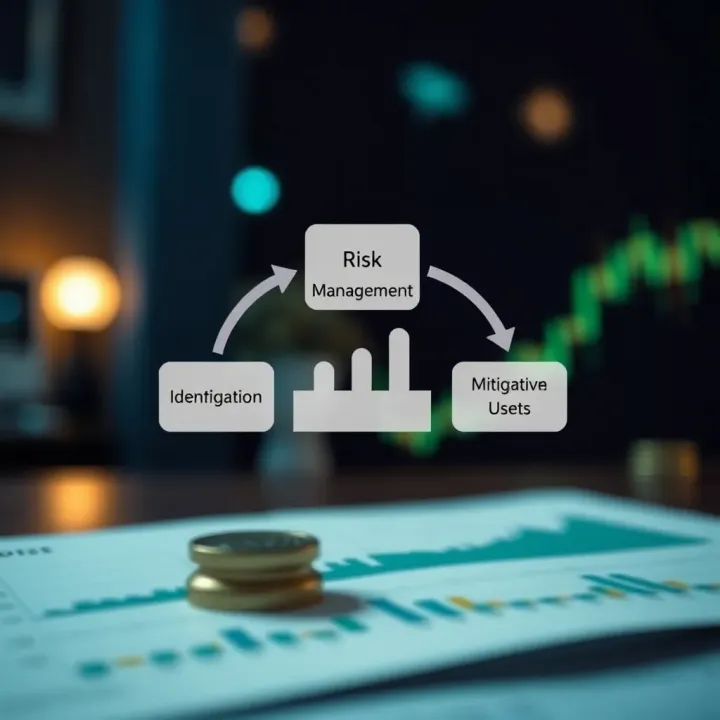
Long-term business strategy challenges arise when companies misread the market or fail to adapt. For example, a retailer ignoring the rise of e-commerce may lose ground to competitors. Investors need to consider how well a business’s strategy will hold up against economic shifts or technological changes over several years.
Meeting regulatory requirements demands constant attention to South Africa’s evolving laws, such as the Financial Sector Conduct Authority’s guidelines or B-BBEE codes of good practice. Failure to comply can stall projects or restrict market access.
Consequences of non-compliance often hit hard with fines, legal battles, or reputational damage. For instance, a bank breaching POPIA (Protection of Personal Information Act) might face penalties and lose client trust, which can reduce shareholder value.
Natural disasters and climate impact are increasingly material. Flooding in Gauteng or drought in Western Cape can disrupt supply chains, harm assets, or lead to unexpected costs. Sustainability-conscious investors scrutinise how companies manage these threats.
Political and economic instability in South Africa, such as unrest or sudden policy shifts, can unsettle markets and investor confidence. Currency volatility or load shedding add layers of complexity that businesses must factor into long-term plans.
Understanding these common risk types helps investors and financial analysts better assess potential pitfalls and tailor strategies that balance reward against potential setbacks. Awareness is the first step towards resilience.
This breakdown clarifies what types of risks you need to prepare for — enhancing your ability to protect investments and make informed choices in a shifting environment.
Understanding how risk management unfolds in real-world scenarios helps traders, investors, and financial analysts protect assets and make smarter decisions. It’s not just about spotting problems but also about responding effectively and adapting as the market or business environment shifts. Practical risk management involves clear steps, from identifying and assessing risks to choosing how to handle them, all backed by continuous monitoring.
To manage risk well, you first need to know what risks are out there. Traders might track market signals, news events, or economic indicators that hint at potential volatility. Investors could analyse company reports or political developments that affect markets. Techniques like SWOT (Strengths, Weaknesses, Opportunities, Threats) analysis or brainstorming sessions can uncover hidden risks. In practice, a financial analyst might use data tools to detect unusual trading patterns that suggest emerging risks.
Once risks are on the radar, understanding how badly they might hurt and how likely they are to happen shapes priorities. For instance, a sudden currency devaluation could severely impact exporters but might be unlikely under current political stability. By rating risks based on impact and probability, South African businesses can focus on those that really matter, like load shedding’s persistent threat, rather than small, less likely issues.
Sometimes, the best move is steering clear of risky deals altogether. For example, an investor might avoid stocks in a struggling sector or steer away from highly leveraged companies. This strategy saves resources and cuts exposure to avoidable issues, though it means giving up some potential gains.
Risk reduction involves taking steps to soften the blow. A trader might use stop-loss orders to limit losses if markets move against them. Businesses could spread investments across sectors to reduce dependence on one area. Mitigation tactics recognise risks can’t always be dodged but work to manage their effect.
Accepting risk happens when the cost of controlling it outweighs the threat, or when a risk is minor. Transfer, on the other hand, means shifting responsibility—insurance is a clear example. A firm might buy credit insurance to protect against debtor defaults, effectively passing the risk on while focusing on core activities.
Markets and environments transform quickly, so continual vigilance is vital. Regularly revisiting risk assessments, tracking economic data, or monitoring geopolitical unrest helps spot shifts early. For instance, South African financial analysts often monitor both global commodity prices and local regulatory changes to update their risk models.
Risk management isn’t static. When market conditions, regulations, or economic outlooks shift, strategies must adjust—maybe by reallocating funds, increasing hedging, or tightening credit controls. Businesses that adapt promptly stand a better chance of managing emerging risks without losing footing.
Effective risk management in practice blends sharp detection, smart action, and flexible oversight. This keeps traders and investors ahead of trouble, boosting confidence and resilience in fluctuating markets.
Effective risk management depends heavily on choosing the right tools and techniques. For traders, investors, and financial analysts, these instruments provide structure and clarity when assessing potential threats and opportunities. They help to translate abstract risks into concrete data that can guide decisions, protect capital, and improve strategic planning.
Qualitative and quantitative methods form the backbone of risk assessment. Qualitative methods rely on expert judgement, interviews, and checklists to identify and prioritise risks when hard data is scarce. For example, an analyst evaluating a new market might use qualitative tools to weigh regulatory uncertainty or political instability. Quantitative methods, on the other hand, involve numerical analysis — like statistical modelling — to estimate the probability and impact of risks. VAR (Value at Risk) models used by traders to estimate potential losses exemplify this approach.
Using both approaches together allows a fuller picture. While numbers ground decisions, qualitative insights capture nuances that pure data might miss. This blend is especially relevant in volatile markets or emerging sectors where past data may not tell the full story.
Scenario analysis and risk matrices are popular techniques for visualising risk profiles. Scenario analysis paints a range of possible futures based on various risk factors, such as a sudden currency devaluation or a hike in interest rates. This helps investors prepare for multiple outcomes rather than betting on a single forecast. Risk matrices then categorise these risks by likelihood and severity, making it easier to prioritise responses.
For instance, a risk matrix might highlight that credit risks from a particular counterparty are moderately likely but could cause significant losses, signalling the need for mitigation strategies. This visual clarity accelerates strategic discussions among teams.
Risk management software applications streamline complex data into actionable dashboards, allowing quicker analysis and reporting. Platforms like MetricStream or Resolver integrate risk registers, audit trails, and compliance checks tailored to financial markets. This reduces the chance of human error and frees up analysts’ time to focus on high-level strategy.
Such software often supports collaboration across departments and can flag emerging risks almost in real time, a valuable feature when markets react to sudden geopolitical events or regulatory changes.
Data analytics and predictive tools leverage big data to identify patterns that may signify risk. Predictive analytics can spot early warning signs, like shifts in credit default swaps or unusual trading volumes, enabling pre-emptive action. Today’s tools often use machine learning to refine predictions as more data comes in.
In South Africa, these tools are gradually gaining ground among asset managers and hedge funds, aiding in managing risks associated with currency fluctuations, loadshedding interruptions, and economic policy shifts.
Proper use of risk management tools reduces surprises, builds confidence, and ultimately helps protect investments in an unpredictable world.
By harnessing these frameworks, models, and software, market participants are better equipped to face the twists and turns of financial markets with a clearer view and sharper controls.
Risk management holds a distinct place within the South African business and public sectors because of unique local challenges and opportunities. Understanding the specific environment—marked by regulatory demands, infrastructural shortfalls, and socio-political dynamics—is vital for stakeholders aiming to safeguard their operations. South African businesses and communities must adapt their strategies to factors such as Broad-Based Black Economic Empowerment (B-BBEE) compliance and recurring loadshedding, which directly influence risk profiles.
Navigating regulatory compliance is non-negotiable for South African businesses, especially regarding B-BBEE, which promotes economic participation by historically disadvantaged groups. Companies face risks if they fall short of the necessary B-BBEE scorecard, including lost contracts or penalties. For investors and analysts, assessing an enterprise's compliance level provides insight into its long-term viability and market access.
Practical risk management requires ongoing monitoring of legislative changes and proactive alignment of internal policies. A property development company in Johannesburg, for instance, might integrate B-BBEE targets into its risk framework to avoid transactional delays or reputational damage. Similarly, proper stakeholder engagement ensures that changes in regulatory requirements do not catch firms off-guard.
Eskom's loadshedding remains a persistent risk, disrupting production schedules and supply chains across sectors. For traders and investors, companies that have implemented contingency plans like standby generators, solar systems, or flexible shifts stand a better chance of maintaining output during outages.
Infrastructure issues beyond electricity—such as water shortages or road maintenance—also affect operational continuity. A manufacturing plant in the Western Cape, for example, may face water restrictions that hamper processes unless it includes alternative water sources in its risk mitigation plan. Understanding these infrastructure vulnerabilities allows for better forecasts of operational risks and investment potential.
South Africa's political landscape and social dynamics add layers of risk, including potential policy shifts, service delivery protests, and labour unrest. These factors influence public confidence and can disrupt markets and public services. Risk management here involves scanning for early signs of social unrest or legislative changes, allowing more agile responses.
For public sector analysts, evaluating the stability of local municipalities or government departments provides a clearer picture of service reliability and project risk. Preparing for such risks involves community engagement strategies and contingency funding that preserve essential services during upheavals.
Environmental risks like droughts, floods, and veld fires have intensified, shaping risk management priorities in communities and local government. Disaster preparedness frameworks focus on early warning systems, resource allocation, and recovery plans that can lessen the impact on vulnerable populations and economic activities.
In KwaZulu-Natal, the experience of recent floods underlined the need for robust risk assessment coupled with infrastructure improvements. Companies and communities that integrate environmental risk considerations into their planning bolster resilience against climate-related shocks, which is increasingly important for investor confidence and sustainability.
Effective risk management in South Africa means factoring in not only generic threats but also local specificities—regulations, infrastructure, politics, and the environment. Such a targeted approach helps businesses and communities stay ahead of the curve.
In sum, South African risk management demands a nuanced understanding of both global principles and local nuances. For traders, investors, and analysts, recognising these factors improves decision-making and strengthens resilience in a complex operating environment.
🔍 Explore practical ways to apply risk management frameworks, understand key principles, and choose the right model for your organisation in South Africa.

Learn the step-by-step risk management process 🛡️ to identify, assess, and control risks, helping South African businesses protect and grow safely.
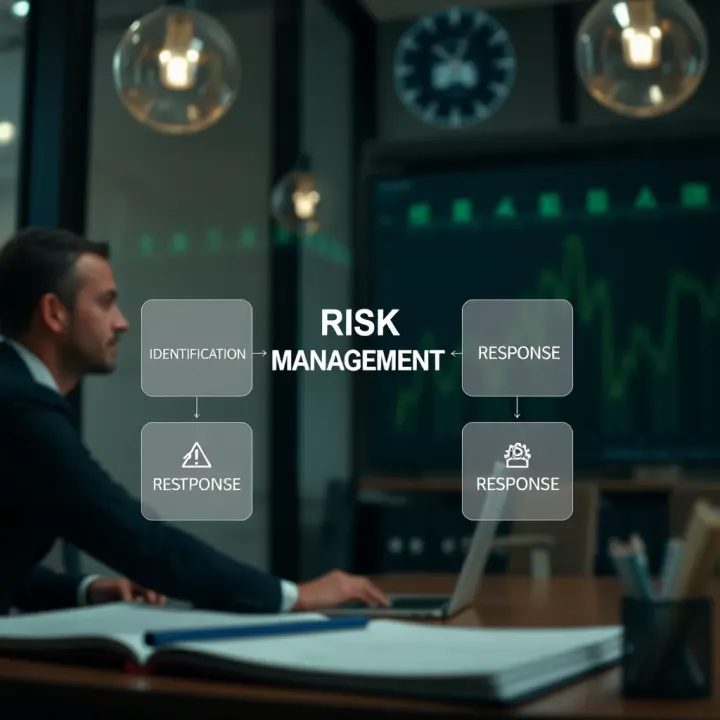
🔍 Explore how risk management helps South African businesses spot, assess, and handle risks to safeguard assets and make smarter decisions.
📊 Learn practical risk management methods and strategies tailored for South African organizations. Understand key risks and adapt effectively to change.
Based on 5 reviews