
Binary Trading Demo Accounts Explained for SA Traders
📊 Discover how binary trading demo accounts let you practise risk-free, sharpen skills, and avoid common pitfalls. Tailored tips for South African traders included. 🇿🇦
Edited By
Sophie Turner
Binary option trading has attracted many South Africans looking to grow their money, but jumping straight into real-money trades can be a risky move. That’s where binary option demo accounts come in handy. They provide a zero-risk environment where you can practise trading strategies, learn how the platform works, and get a feel for market moves without ever risking your Rand.
A binary option demo essentially simulates the real trading experience. You’re given virtual funds to trade a variety of assets like stocks, commodities, currencies, and indices. This hands-on practice platform mirrors actual market prices and expiry times, giving you a proper chance to test your skill and judgement before putting your cash on the line.

South African traders benefit a lot from these demo accounts. For example, suppose you’re interested in trading forex binary options with a broker based in Cape Town. Using the demo, you can familiarise yourself with the platform’s interface, understand how to set expiry times, and practise recognising market directions without any financial stress. It’s like taking your bakkie for a spin before committing to buy it.
Using demo accounts not only builds confidence but can also highlight which strategies suit your style. You avoid costly beginner mistakes and can spot platform-specific quirks early on.
Here are key features typical of binary option demos:
Virtual balance: Usually between R10,000 and R100,000 in play money.
Real-time market data: Prices follow live market movements closely.
Full platform access: All buttons, indicators, and expiry choices function just like in a real account.
No risk: Wins and losses affect only your demo balance, so you can experiment freely.
That said, demos can’t perfectly mimic real trading emotions like fear or greed, and occasional data lags may occur. Even so, they remain invaluable, especially for South African traders facing local challenges such as exchange rate volatility and market volatility.
In short, a well-used binary option demo account prepares you better for real trading by sharpening your skills and helping avoid costly errors. Next up, we'll look at the advantages and some common misunderstandings about these accounts.
A binary option demo account is a practice platform that allows traders to engage in simulated trading without risking real money. For South African traders, it serves as a vital stepping stone before venturing into live markets. Given the volatile nature of binary options, practising with a demo account offers a safe space to sharpen skills, test strategies, and get familiar with trading platforms.
Think of a binary option demo account as a training ground where you get virtual money to trade options. Its primary purpose is to let you experience how binary options work — predicting if an asset’s price will rise or fall within a set time frame — without the risk of losing actual Rand. This is especially relevant for beginners who want to understand how market variables, such as asset price movements or expiry times, affect possible outcomes.
Beyond just learning the basics, demo accounts help traders explore different tactics, such as the "call" and "put" options or experimenting with various expiry times like 60 seconds or 5 minutes. For example, a trader might test how quickly a Rand/ZAR exchange rate responds during South African business hours without risking real money. Ultimately, this practice builds confidence and better prepares traders for real conditions.
Demo accounts simulate real trading by mirroring live market data in real time. This means the prices you see and trade on mirror those in the actual market, making your experience authentic. For instance, if the JSE's top 40 index prices move up or down, the demo platform reflects the same.
It's worth noting that demo accounts include realistic conditions like order execution speed, bid-ask spreads, and timer countdowns, just like in live accounts. These elements help train traders to make timely decisions. However, no demo account can fully replicate the emotional side of risking real money, which can influence trading behaviour.
Many South African brokers offering binary options, such as those regulated by the FSCA (Financial Sector Conduct Authority), provide demo accounts with R100,000 of virtual funds. This buffer allows plenty of room to practise without interruption.
Demo trading offers a practical way to learn market mechanics, but it’s crucial to remember that trading real money involves risks not present in a demo setup.
By starting with a demo account, you reduce unnecessary losses and gain insight into how binary options respond to market changes, time expiry, and your decision-making patterns before using real funds.
Binary option demo platforms serve as a vital training ground for traders, especially those in South Africa new to this style of trading. Understanding their key features can help you gain valuable experience without risking real money.
Demo accounts are loaded with virtual funds, essentially fake money, allowing you to place trades just as you would with a live account but without any financial danger. This setup lets you explore different trading strategies freely, such as testing the timing of trades or trying out various expiry times on options like high/low or one-touch. For instance, you might start with R10,000 in virtual credits to see how well you can grow this through trial and error. Just remember, these funds don’t equate to cash; they’re a safe playground, not your actual bankroll.

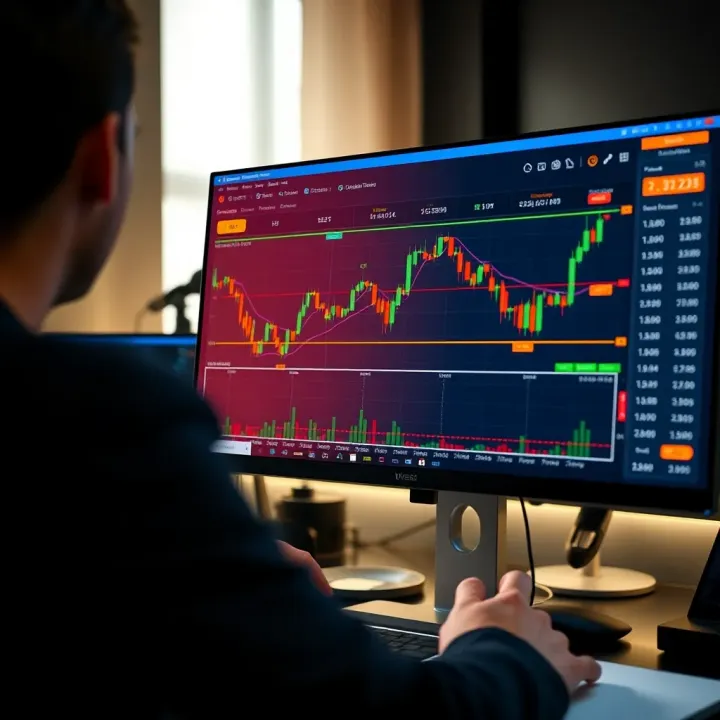
The interface is where you’ll spend most of your time, and good demo platforms aim to mimic live trading environments closely. Expect clear charts, real-time price updates, and intuitive menus for selecting assets and expiry times. Tools like candlestick charts, trend indicators, and risk/reward calculators help you make sense of market movements. South African platforms such as those from local regulated brokers tend to tailor interfaces for users, including options for trading in rand (ZAR) and recognising times in SAST (South African Standard Time).
While demo accounts do a great job preparing you, they can’t fully replicate the pressure and unpredictability of real trading. Emotional factors, such as fear of losing money or the excitement of winning, often don’t come into play when it’s not your actual cash on the line. Additionally, execution speeds and slippage — the difference between expected and actual trade price — may differ in live environments, especially during volatile market periods.
Keep in mind: Demo trading builds skills but doesn’t guarantee success once you move to a live account.
In summary, demo platforms equip South African traders with practical experience through virtual funds and real-like tools but recognise their limits. Using these platforms is an excellent first step, but transitioning to live trading requires added caution and readiness.
Using binary option demo accounts offers tangible benefits that are especially relevant for South African traders navigating volatile markets and multiple challenges such as loadshedding and fluctuating rand values. These accounts provide a safe space to learn and sharpen trading skills without risking actual money.
For many traders in South Africa, the fear of losing hard-earned savings can be a huge barrier to entry. Demo accounts eliminate this worry by allowing practice with virtual funds. This means you can make mistakes, learn from them, and develop confidence before putting real cash on the line. For example, a new trader might experiment buying call options during volatile moments in the JSE Top 40, seeing how market swings affect outcomes — but without the financial blow should the trade go against them.
Beyond basic practice, demo accounts are invaluable for testing different strategies. Whether you’re trying a momentum-based approach or hedging techniques, the virtual environment helps you measure performance free from real financial risk. South African traders can try strategies tailored to local market conditions, like using options around SARS tax announcements or during Eskom’s loadshedding cycles, to understand expected gains and losses. This hands-on testing helps in refining methods before “going live”, reducing costly errors.
Every trading platform has its quirks and tools which can be overwhelming at first. Demo accounts let you explore interfaces, use indicators, set alerts, and place trades without pressure. In South Africa, where platforms like MTN’s or Vodacom’s integrated trading apps are common, getting comfortable early is a big advantage. Moreover, demo trading offers insight into how markets behave at different times — like slower activity during local holidays — helping traders adapt their opening hours and strategies accordingly.
Using a demo account is more than a trial run; it’s a way to build sound trading habits and better understand the binary options environment before risking real Rand.
In summary, South African traders stand to gain a lot from demo accounts — from risk-free learning to testing strategies specific to local market rhythms, and becoming confident users of trading platforms. It’s a step worth taking to avoid beginner’s pitfalls and trade smarter from the outset.
Using a binary option demo account effectively can shape your journey as a South African trader. The key lies in treating the demo as more than just play money—it’s a training ground where you sharpen skills, test strategies, and build confidence before risking real cash.
Start by setting clear, achievable goals to guide your demo trading. Instead of aiming to double your virtual funds overnight, focus on smaller, concrete objectives. For instance, aim to understand the timing of specific binary options or to succeed with a particular strategy a set number of times in a row. Setting goals like "identifying market trends accurately in five consecutive trades" trains your focus and avoids chasing unrealistic profits just because there’s no real money at stake. This approach builds skills that translate better when you switch to live trading.
Treat your demo trading with the same seriousness as live trading. Keep detailed records of each trade—entry point, expiry time, rationale behind the trade, and the outcome. This habit reveals patterns in your decision-making and highlights areas for improvement. For example, if you notice consistently losing trades during certain market conditions, you can adjust your tactics accordingly. Practising discipline means setting limits on trading time and avoiding impulsive trades just because the money isn’t real. Over time, this nurtures habits necessary for real-world success, especially in the South African market where disciplined planning helps mitigate unpredictable factors like loadshedding interruptions.
Moving too quickly from demo to live accounts is a common trap. A gradual shift helps bridge the gap between theory and reality. Start by using a small portion of your trading capital to test strategies refined on the demo platform. For example, if your demo strategies perform consistently over a month, try live trading with a limited stake of R200 to R500. This approach lessens emotional shocks and money management errors that rookie traders often face. Plus, it allows you to adjust to the psychological pressure of real risk while still managing potential losses.
Remember, a demo account is a practice field — the lessons you draw from it become your real tools in live markets.
By setting practical goals, keeping disciplined records and adopting a measured approach to live trading, South African traders can transform their demo experience into a solid foundation for confident, informed binary option trading.
Mistakes around how demo accounts work can trip up South African traders new to binary options. It’s helpful to clear these up so you know what to expect and how to make the most of your practice sessions.
Seeing consistent wins on a demo account might make you feel confident, but real trading plays out differently. Demo accounts don’t carry the pressure of risking real cash, so your decisions might be looser or more experimental. Also, live markets fluctuate faster and more unpredictably than the simulated environment.
For example, a trader practising weekends on a demo may not face the same sudden news-driven price swings that hit on a weekday live session. So, success in demo doesn’t promise the same in live trading. It’s crucial to balance optimism with the reality that demo results only reflect simulated conditions.
Trading with virtual money removes the emotional stakes that come with real losses and gains. Emotions like fear, greed, and hesitation influence live decisions heavily. On a demo account, it’s easy to shrug off losses or chase unrealistic gains without consequence.
Picture this: a trader might feedback calmly after losing R10,000 in virtual funds on a demo. But losing the same amount in real life — especially for someone in Gauteng just starting out — can cause stress that clouds judgement and leads to impulsive decisions. Recognising this difference is key to preparing yourself mentally before going live.
Using a demo account should be just one part of a wider strategy. It’s tempting to rely solely on patterns you spot during practice, but the actual market requires updated research, risk management, and adaptation to global and local triggers.
For instance, geopolitical events like changes in South African Reserve Bank policies or unexpected Eskom load shedding can shift markets rapidly. A demo won’t teach you how to account for these factors unless you actively integrate them into your trading process. Always combine demo training with ongoing learning and market analysis.
Keep in mind, demo accounts are a training field — not the real game. They’re for building skills and confidence, but real trading introduces variables that only time and experience can prepare you for.
By understanding these common misconceptions, you can set realistic expectations and avoid pitfalls as you move from practice to live binary option trading in South Africa.
Choosing the right binary option demo account can save South African traders both time and frustration. Demo platforms vary considerably in terms of broker reliability, user experience, and available support. Getting it right means practising in a realistic environment that prepares you confidently for live trading on local market conditions.
Before opening any demo account, check the broker’s reputation and whether they are properly regulated. South African traders should prefer brokers overseen by recognised authorities like the Financial Sector Conduct Authority (FSCA). Dealing with regulated brokers reduces the risk of fraud or unfair trading practices. For instance, brokers such as IG or Plus500 hold solid global reputations and often comply with FSCA rules, giving users extra peace of mind. Either way, reading South African trader reviews and expert opinions can reveal if the broker honours withdrawals and treats clients fairly.
The demo account should mirror the live platform seamlessly, offering intuitive navigation and access to useful tools. Features like real-time charts, diverse expiry times, and varied asset classes enable more thorough practice. When testing platforms, pay close attention to responsiveness on your preferred device, especially mobiles or tablets, as many South Africans trade on the go. Some brokers even offer features tailored for beginners, such as tutorial prompts or simple trade setups. Avoid platforms that feel clunky or lack essential data like trade history and detailed analytics, as these hinder effective learning.
Efficient customer support matters, even for demo users. Look for brokers who offer support through convenient channels like WhatsApp, live chat, or SA-based phone lines with reasonable hours. Localised support helps solve issues quickly without language barriers or time-zone delays. Likewise, check if the broker accepts popular South African payment methods such as EFT, SnapScan, or Zapper for when you upgrade to a live account. Having local deposit and withdrawal options removes unnecessary delays and fees, streamlining your trading experience.
Picking the right demo account involves more than just free virtual funds. You need a trustworthy broker, user-friendly platform, and local support to build real-world skills before risking your Rands.
By carefully considering these factors, you’ll ensure your demo trading experience is not only risk-free but also a true reflection of live market conditions in South Africa. This sets the foundation for smarter trading decisions and better confidence when you start using real money.
📊 Discover how binary trading demo accounts let you practise risk-free, sharpen skills, and avoid common pitfalls. Tailored tips for South African traders included. 🇿🇦

📈 Learn how binary options trading works, the risks involved, and key regulatory info for South African traders. Get practical tips to trade smart and stay safe. 🇿🇦

📈 Learn how binary option trading works in South Africa, with practical tips, local legal insights, risks, and benefits to help you trade smartly and safely.

📊 Learn how binary option demo accounts help South African traders practice strategies risk-free, build confidence, and understand market mechanics before investing real money.
Based on 8 reviews