
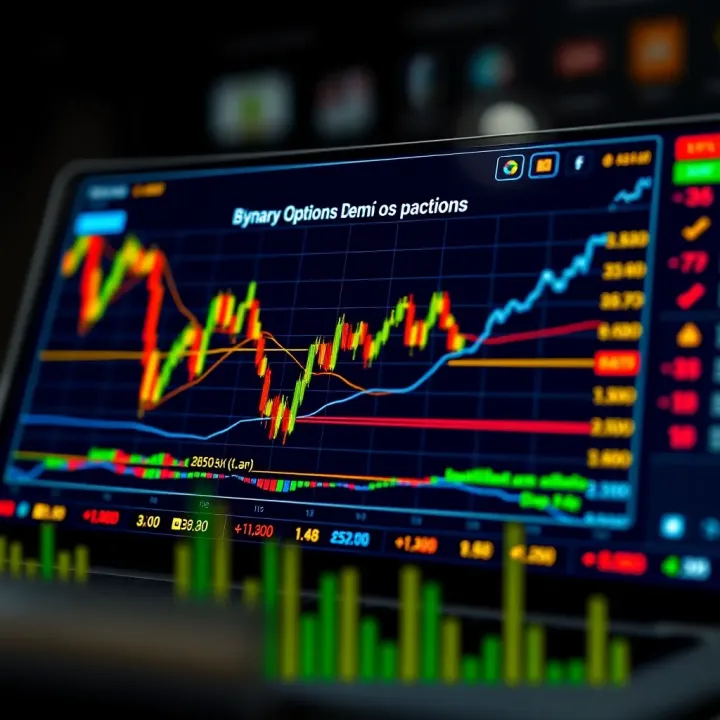
Binary Options Demo Accounts Explained
📊 Learn how binary options demo accounts provide a risk-free way for South African traders to practise and build confidence before investing real R in live markets.
Edited By
Amelia Davies
Binary options trading can be risky, especially if you jump in without practise. That’s where demo accounts come in handy for South African traders wanting to test the waters without risking real cash. These accounts mirror the real trading environment but use virtual funds, letting you get a feel for how binary options work.
Unlike traditional share trading, binary options are bets on whether the price of an asset—like a stock, currency, or commodity—will rise or fall within a specific timeframe. With a demo account, you simulate these trades exactly as you would with your own money. This means you can experiment with different strategies, try timing trades, and learn market behaviour without the stress of losing R100 or R1,000 right away.
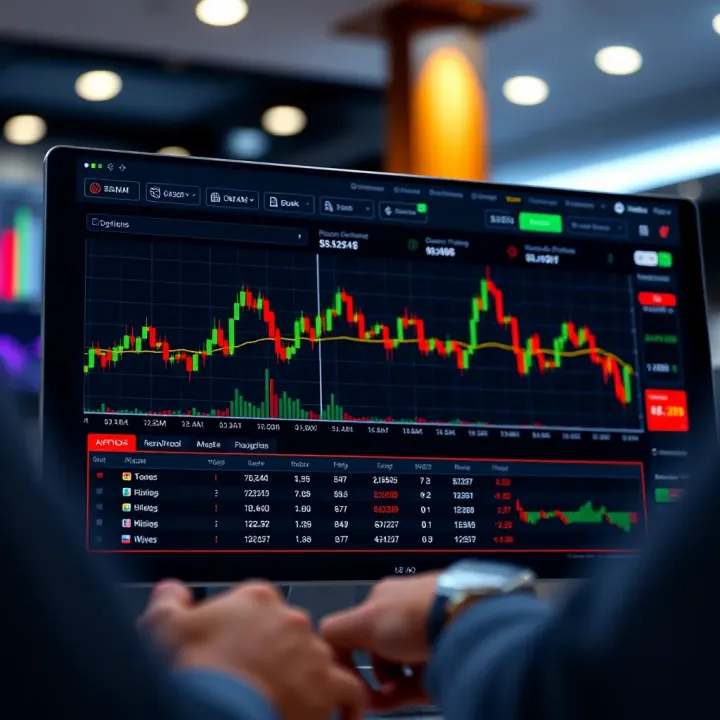
Here’s why demo accounts are particularly useful:
Risk-free learning: You take no financial hit while you get acquainted with the trading platform and asset movements.
Strategy testing: You can trial multiple strategies—from simple call/put trades to more complex expiry times—to find what suits your style.
Platform familiarisation: Each broker might offer unique tools or quirks. Demo accounts let you navigate these features before committing real funds.
For South African traders especially, practising with a demo account helps to understand local factors impacting markets—currency volatility tied to the rand (ZAR), political events, or Eskom’s loadshedding challenges.
Keep in mind, though, that demo trading can’t fully replicate the psychological pressure of real-money trades. The excitement and fear around actual losses aren’t quite the same with virtual money. Also watch for time delays and differences in pricing between demo and live platforms, which some brokers might have.
To get started, pick a reputable binary options broker that offers a free demo account, register, and practise regularly. Treat it like real trading and review your results critically. With practice, you’ll be better placed to manage risks and identify good trades once you move to a live account.
In short, a binary options demo account gives you a safe space to build skills and confidence—use it well before risking your hard-earned rand in South Africa’s fast-moving financial markets.
A solid grip on what binary options demo accounts are and how they operate is key to successful trading, especially if you're starting out or exploring this market in South Africa. Demo accounts let you practice without risking your hard-earned rand, giving you room to learn the ropes and figure out what strategies actually work for you.
A binary options demo account is essentially a practice trading account provided by brokers where you can trade using virtual funds rather than real money. This setup mimics real trading conditions but with no financial risk, allowing you to get familiar with binary options trading while protecting your wallet.
The main purpose is to help traders, especially beginners, understand how binary options work without the anxiety of losing money. For example, a South African trader using a demo account can experiment with different assets like local JSE stocks or global currencies, learning when to ‘call’ or ‘put’ based on market movements.
Difference between demo and real trading accounts lies mainly in the financial risk and psychological pressure. While a demo account uses fake money, a real account involves actual rand. This changes the emotional landscape significantly — many traders find they behave differently when real cash is on the line. Additionally, execution times and slippage can vary slightly between demo and live platforms, so results might not always translate perfectly.
Demo accounts give you a balance of virtual funds to trade with in a simulated environment. This means you can place trades just as you would in the live market, but the money isn’t real. For instance, you might be allocated R10,000 in play money, which you can use to try out various trading techniques without worrying about actual losses.
Access to real-time market data is a crucial feature of most demo accounts. The market prices, expiry times, and asset availability reflect what’s happening in the live markets at that moment. This helps build realistic experience by letting you react to genuine market conditions, whether it’s commodity fluctuations or forex movements impacting your trades.
Typical features offered by demo accounts include charts with technical indicators, asset lists ranging from indices to stocks and forex pairs, and tools like expiry time selectors and risk calculators. Many platforms also provide educational resources such as tutorials or webinars integrated within the demo interface. These tools help sharpen your understanding and improve decision-making before you switch to a live account.
Starting with a demo account lets you gain hands-on experience in binary options trading while safeguarding your capital, making it a must for any trader serious about success in South Africa's financial markets.
In short, a demo account is your training ground — it replicates many real-world trading elements, helping you build confidence and competence before stepping into the actual market.
Using a binary options demo account offers clear benefits for South African traders, especially those just starting out or wanting to test new approaches without risking their own money. Because binary options can be risky and fast-paced, demo accounts provide a safe space to get familiar with the markets and mechanics.
Building confidence gradually is key for new traders. For instance, many South Africans tempted by quick profits might rush into live trading without fully understanding the stakes. A demo account lets you practise selecting assets, choosing expiry times, and making trades without the stress of losing real Rand. This experience builds your trading confidence patiently and realistically. You’re free to learn from mistakes without the pressure of immediate financial consequences.

Understanding binary options mechanics comes with time and practice. Binary options differ from traditional investing because your return depends on a yes/no prediction rather than owning an asset. Demo accounts let you explore how different factors like market news or asset volatility affect outcomes. For example, you can see how a sudden Rand-dollar move impacts currency pair options, helping you grasp the timing and market behaviour better before putting actual money on the line.
Trying out trading methods in a demo environment helps fine-tune your approach without rushing to judgement. You might experiment with short-term options versus longer expiry times, or test indicators like moving averages to decide your entry points. For South African traders, it’s practical to simulate strategies that consider local market hours and economic announcements, such as SARB interest rate decisions, to see what works best.
Evaluating broker platforms available to South Africans is another smart use of demo accounts. Not all brokers cater well to our market or offer transparent pricing, support, or withdrawal processes. Demo accounts from brokers like Standard Bank’s online platform or MTN’s partner sites enable you to judge which interface feels intuitive, which provides useful charts, and how responsive customer service is. Testing platforms beforehand can save you headaches and potential losses later.
Many South African traders find themselves overwhelmed once real money is involved. Demo accounts provide a risk-free training ground to get comfortable and smart before diving into live trades.
The bottom line: demo accounts are not just a training tool. They’re essential for building skill, understanding the market, and choosing trusted platforms that suit your trading style and local context.
Selecting the best binary options demo account matters because it shapes how well you learn and prepare for live trading. A demo that suits your style helps you get comfortable experimenting with strategies and understanding market behaviour without risking real money. For South African traders, with access to various brokers and trading platforms, picking one tailored to local conditions and preferences can make a real difference.
The user interface (UI) is the bridge between you and the market. A clean, intuitive layout lets you focus on trading instead of wrestling with clunky menus or confusing charts. For example, a demo platform that displays your balance, active trades, and asset prices clearly helps you make snap decisions—something crucial when expiry times are tight.
Ease of use also means the platform responds quickly, whether you’re on a desktop or mobile device. Since many South Africans trade from their phones, especially during commutes or breaks, a demo account should be fully functional on mobile. Platforms like IQ Option excel in this area, offering smooth apps with straightforward controls.
Localised features improve relevance and convenience. They include support for South African rand (R) as the currency, options for deposit and withdrawal methods popular here (such as EFT or mobile money), and customer service understanding South African trading laws and tax implications.
Having a demo account tailored for South African traders also means access to educational content addressing local market conditions and regulations. For instance, a demo account that provides insights into how Eskom loadshedding impacts market volatility can prepare you better.
A wide selection of assets gives more opportunities to spot trades. These assets could be shares of JSE-listed companies, commodities like gold and platinum, or currency pairs like ZAR/USD. The variety matters when testing strategies across different markets.
Expiry times—the durations after which trades close—should also be flexible. A demo that offers a range from 30 seconds to several hours allows you to experience both short bursts of trading and longer-term positions. This flexibility helps you find what fits your temperament and risk appetite.
Among South African traders, platforms like IQ Option, Olymp Trade, and Pocket Option rank highly for their demo offerings. These platforms are accessible, support rand accounts, and have regulatory approvals relevant to South African users. They offer a realistic feel, mimicking real trading environments closely which is key for skill-building.
These platforms allow demo traders to access real-time market data and practice with virtual funds that behave like real money. For example, IQ Option provides various charting tools, multiple expiry times, and an interface packed with useful indicators. Pocket Option offers social trading features even in demo mode, letting you observe and learn from more experienced traders.
Demo accounts are your sandbox—choose one with features that match your needs to make your learning curve less steep and safer.
In sum, pick a demo platform that makes trading comfortable, suits South African market realities, and offers enough scope to hone different strategies. This way, you’ll head into real trading with confidence and insight, ready to handle Mzansi’s unique market challenges.
Demo trading with binary options is more than just a playground; it’s where you build the foundation for success. Taking it seriously means treating your practice as if real money were on the line. This section covers how setting clear goals and keeping track of your trades can sharpen skills, while recognising mistakes and adjusting strategies will help you progress steadily.
Setting realistic goals sets the tone for effective learning. Starting out, aim to master basic concepts like expiry times and asset price movements before chasing high returns. For example, focus on consistently predicting market direction rather than aiming for unrealistic win ratios. By setting achievable milestones—such as getting 60% of your demo trades right—you build confidence without rushing into risky moves. It mimics how you’d approach real trading, avoiding disappointment that often comes with sky-high expectations.
Recording and analysing trades is a powerful habit often overlooked. Keep a simple journal noting down your trade details: asset, expiry, strike price, whether the trade was successful, and what factors influenced your decision. Over time, patterns emerge. Maybe you notice you perform poorly with short expiry trades or on certain assets. This insight allows you to make informed tweaks rather than guessing what's wrong. A well-kept trade log offers practical feedback that rehearses critical thinking essential for real markets.
Recognising common mistakes during demo trading is the first step to fixing them. Many traders fall into traps such as chasing losses, overtrading, or placing trades without clear analysis. For instance, repeatedly jumping into trades just after a losing streak signals impulsivity rather than strategy. Spotting these habits early during demo practise saves you from costly live mistakes. Remember, the demo environment fits a safer space to spot emotional errors and develop patience.
Adjusting strategies accordingly helps you become more adaptable. When you find certain approaches don’t work—like trading volatile commodities without enough market knowledge—it's sensible to tweak your system. Maybe shift focus to indices with steadier trends or extend expiry times to reduce noise impact. This trial-and-error in a risk-free setting builds resilience and sharpens judgment. By methodically improving your strategy, you prepare better for live trading’s pressures.
Taking demo trading seriously is not just about practice, it’s about evolving your skills. Approach it like a professional gym session for your trader’s mind.
Treat your demo trading like a rehearsal rather than a game. Set clear, achievable targets, record everything, learn from your mistakes, and keep refining your approach. That way, when you go live, you’re ready to make real money decisions backed by solid preparation.
Binary options demo accounts are excellent learning tools, but it's vital to understand their limitations before jumping into live trading. Knowing these differences helps you manage expectations and avoid surprises when real money is involved. If you overlook the gaps between demo and live markets, you might blindly carry bad habits into live trading, leading to losses.
Trading with virtual money feels very different from risking your own cash. When the stakes are real, emotions like fear, greed, and anxiety come into play. For example, a trader might confidently take multiple trades on a demo account but hesitate or second-guess on a live platform because real money is on the line. This can affect decision-making, leading to missed opportunities or rash choices.
In South Africa, where economic uncertainty is common, these psychological factors can be even more pronounced. The stress of losing actual money may cause a trader to deviate from a tested strategy. Demo accounts simply cannot simulate these emotional pressures, so it’s crucial to mentally prepare for this shift.
Execution speed and price slippage can differ noticeably between demo and live accounts. In demo environments, trades often execute instantly at the displayed price. However, live markets—especially volatile ones—may experience delays or price changes between order placement and execution.
For instance, during major economic announcements like SARB interest rate decisions, market swings can create slippage. If your trade opens at a slightly worse price than expected, it affects profitability. Demo accounts rarely mimic these hiccups, so understanding this limitation is key before trading with real funds.
Overconfidence is a common trap for traders fresh from successful demo trading. The risk-free playground can make trades seem easier than they really are. One might try aggressive strategies without real consequences, only to find them costly in the live market.
Shame, it’s like practising a braai on a gas stove, then being surprised when cooking over wood requires more attention and skill. Acknowledging that the demo account is just a training ground prevents reckless behaviour once you move to real trading.
Transitioning from a demo account to live trading should be gradual and well-planned. Start by trading small amounts you can afford to lose, and keep a trading journal to note differences in behaviour and execution. For example, if you used a R10,000 demo balance, begin with R500 to R1,000 live trades initially.
This approach helps you manage risk and adapt to market pressures without blowing your budget. It’s wise to review and adjust your strategies based on live experience, not just demo results. Taking measured steps reduces emotional shocks and builds your confidence in the real trading environment.
Keep in mind that demo accounts are a tool, not a crystal ball. Understanding their limitations helps South African traders avoid costly mistakes and approach live trading with clear eyes and sound strategies.
📊 Learn how binary options demo accounts provide a risk-free way for South African traders to practise and build confidence before investing real R in live markets.
📈 Discover how binary options trading operates in South Africa, including legal tips, risk management, and smart strategies to trade responsibly and confidently.

📊 Discover how binary trading demo accounts let you practise risk-free, sharpen skills, and avoid common pitfalls. Tailored tips for South African traders included. 🇿🇦
📊 Learn how binary option demo accounts help South African traders practice strategies risk-free, build confidence, and understand market mechanics before investing real money.
Based on 6 reviews