

Where to Study Risk Management in South Africa
📚 Explore top South African institutions offering risk management courses, learn about qualifications, course details, and tips to choose the right path for your career risk goals.
Edited By
Sophie Williams
Risk management isn’t just a buzzword thrown around in boardrooms—it's a necessity, especially in South Africa's dynamic economic landscape. Businesses across sectors face a variety of hazards, from market fluctuations and regulatory shifts to operational risks and even the ever-present challenge of load shedding. That’s where a Certificate in Risk Management comes in: it equips you with the practical skills and foundational knowledge to identify, assess, and control these risks effectively.
Essentially, this qualification covers core topics like understanding different types of risks, risk assessment techniques, mitigation strategies, and compliance with South African laws and governance requirements. You’ll dive into real-world applications, such as how to manage credit risk in financial institutions, or how manufacturing firms handle supply chain vulnerabilities during disruptions.

South African businesses increasingly see risk management as a key part in securing long-term success, not just a tick-box exercise. This certificate helps you join the ranks of professionals capable of guiding organisations through uncertainty.
Typical entry requires a national senior certificate (matric) or equivalent, making it accessible if you want to start or pivot your career. The course structure often blends classroom instruction with case studies based in local industries, ensuring relevance.
For traders, investors, and financial analysts, understanding risk extends beyond daily market moves. This qualification sharpens your ability to evaluate the bigger picture—policy changes by the South African Reserve Bank (SARB), shifts in commodity prices, or emerging geopolitical events affecting investment portfolios.
In short, this certificate is a practical stepping stone. It not only opens doors to roles in risk analysis, compliance, and internal audit but also strengthens decision-making by helping you see potential pitfalls before they turn into problems. With South Africa’s business environment constantly evolving, those skills are more valuable than ever.
The Certificate in Risk Management is a foundational qualification designed to equip individuals with tools and understanding to handle risks in a range of sectors. In South Africa's economic and regulatory climate, businesses face unique challenges from political shifts, legislative demands, and economic uncertainty. This certificate helps professionals navigate these complexities effectively.
This certificate typically covers core concepts like risk identification, analysis, control measures, and monitoring. It includes practical techniques such as risk assessments and the development of risk mitigation strategies tailored to various industries. For example, a mining company may use methods learned in such a course to manage operational hazards safely while complying with environmental laws.
The qualification aims to deliver actionable knowledge, including spotting potential risks before they escalate and applying controls that balance cost and benefit. Skill-wise, it sharpens decision-making under uncertainty and communication skills crucial for reporting risks to stakeholders clearly. These abilities prove valuable across sectors like finance, manufacturing, and public service, especially when adhering to South African legislation like the Companies Act or the Protection of Personal Information Act (POPIA).
Experienced workers in risk-reliant sectors such as finance, insurance, or mining find this certificate useful to formalise their knowledge. It helps them stay updated on best practices and compliance needs, enabling them to advise their organisations more authoritatively. For example, a risk officer at an insurance firm might use new approaches learned to reduce claims through better risk management.
Young professionals or recent graduates aiming for a career in risk management or corporate governance can use this certificate as a stepping stone. It provides a recognised qualification that signals foundational competence to employers, increasing their chances in competitive job markets.
Individuals moving from unrelated fields to risk management benefit by gaining structured knowledge and credentials. This qualification opens doors without requiring advanced prior experience, allowing career changers to pivot into roles like compliance officer or risk analyst with confidence and credibility.
Earning a Certificate in Risk Management builds important skills tailored to South Africa’s business environment, boosting career prospects and supporting sound organisational practices across industries.
Understanding the entry requirements and course structure of a certificate in risk management helps you assess whether this qualification fits your background and career goals. These elements ensure you're prepared to tackle the curriculum and make the most of the learning experience, ultimately improving your effectiveness in managing risks within South African businesses.
Most programmes demand a National Senior Certificate (NSC) or equivalent as a baseline. This ensures that learners have a fundamental grasp of language and numeracy skills essential for analysing risks and interpreting data. For example, candidates with a matric who have taken subjects like mathematics or economics generally find the course content more accessible.
Some providers may require a Level 4 qualification on the National Qualifications Framework (NQF), which aligns with the matric level. This baseline helps maintain a consistent learner standard, setting you up for success as you engage with technical risk management concepts.
While some courses welcome entry straight from school, others prefer applicants with work experience in business environments. For instance, those who have been involved in departments like finance, compliance, or operations may better relate to case studies and practical exercises.
Experience dealing with real-world risks—such as identifying financial irregularities or operational hazards—can make course concepts less abstract and improve your readiness for higher-level applications in industries like mining, finance, or manufacturing.
Understanding how to spot potential risks before they escalate is central to this qualification. You’ll learn practical tools like SWOT analysis and root cause analysis, which help pinpoint vulnerabilities in processes or projects.

For instance, in the insurance sector, identifying risks linked to policy underwriting or claims fraud directly impacts an organisation’s profitability, highlighting the real-world value of these skills.
After identifying risks, managing and controlling them is next. This includes learning how to design risk mitigation plans, implement controls, and monitor their effectiveness. You might explore various treatment options, such as avoidance, reduction, sharing, or acceptance.
In a manufacturing context, this means applying controls like safety protocols or quality checks to reduce workplace accidents or product defects, directly influencing operational continuity.
South Africa's Companies Act, the Protection of Personal Information Act (POPIA), and related statutes stress the importance of risk management for corporate governance and data protection. The course typically covers these laws to ensure you understand compliance requirements.
Knowing how to align risk management strategies with these regulations helps prevent legal penalties and reputational damage, particularly important for financial services and public sector organisations.
Risk management isn't just identification and control; it's also about clear communication. The curriculum teaches how to prepare reports and convey risk findings effectively to various stakeholders, from board members to frontline staff.
This skill helps bridge gaps between technical risk assessments and business decisions. For example, articulating risk reports during a board meeting can guide strategic choices and resource allocation.
Full-time courses typically run over several months and suit those who can dedicate their weekdays to study. This immersion helps fast-track entry into risk management roles.
Part-time options cater to working professionals juggling jobs and study. These often feature evening or weekend classes, allowing learners to apply knowledge at work while progressing steadily.
Classroom learning offers face-to-face interaction, useful for networking and immediate clarification of complex topics. Providers like Damelin or UNISA offer both to suit different needs.
Online study caters to those outside main cities or with tight schedules, using platforms that support interactive lectures and assessments. This flexibility is invaluable for learners in smaller towns or remote areas.
Choosing the right mode depends on your lifestyle, work commitments, and learning preferences, but either way, the course is structured to build your skills effectively.
Risk management plays a vital role in South African businesses, especially given the country’s complex economic and regulatory environment. It helps companies anticipate challenges, respond effectively to threats, and safeguard their long-term sustainability. With growing market volatility, compliance demands, and operational risks — including frequent loadshedding and fluctuating exchange rates — a solid risk management framework isn't just a luxury, but a necessity.
Every business accumulates valuable assets, from physical property and inventory to intellectual property and brand reputation. South African companies face unique risks, such as supply chain disruptions due to labour unrest or infrastructure failures. Risk management identifies these vulnerabilities early, enabling timely action to minimise losses. For example, a manufacturing firm in Gauteng might implement contingency plans for load-shedding to keep production lines running. This not only protects their physical assets but also maintains client trust and safeguards the brand from reputational damage.
Risk management provides business leaders with critical insights that go beyond day-to-day hazards. It encourages a forward-looking view where potential threats and opportunities are weighed carefully. A retailer planning expansion across provinces, for instance, can use risk assessments to evaluate market conditions, regulatory differences, and logistical challenges before committing resources. This approach ensures decisions are grounded in a clear understanding of possible risks and rewards, ultimately supporting sustainable growth.
South African businesses must comply with various laws that require sound risk management practices. The Companies Act mandates directors to identify and manage risks in the company’s operations responsibly. Meanwhile, the Protection of Personal Information Act (POPIA) demands that organisations handle personal data securely, identifying and mitigating privacy risks. Both statutes put risk control at the heart of legal compliance, making it impossible to overlook.
Effective risk management helps organisations meet these legal requirements by embedding controls and checks into everyday processes. For example, a financial services firm that monitors cyber threats and staff access to sensitive data reduces the chance of POPIA breaches. Similarly, regular risk reporting keeps boards informed and ensures compliance with the Companies Act’s governance standards. This proactive stance not only avoids penalties but also builds stakeholder confidence in the business’s integrity and resilience.
Risk management is not just a defensive tool but a strategic asset that underpins compliance, reputation, and informed decision-making across South African industries.
By integrating risk management into core business practices, South African companies position themselves for stability and growth in an unpredictable environment.
Obtaining a Certificate in Risk Management opens doors across various sectors in South Africa, offering practical skills that businesses value for identifying and managing threats. The qualification serves as a solid foundation not only for entry-level roles but also for advancing within organisations that must navigate both regulatory demands and market uncertainties.
In South Africa's financial and insurance sectors, risk managers play a pivotal role in assessing credit risks, fraud, and market volatility. Banks and insurers, like FNB and Discovery, rely on certified professionals to help limit exposure to bad debts and claims while ensuring compliance with the Financial Sector Conduct Authority (FSCA) regulations. For example, a risk management certificate holder might be involved in evaluating loan portfolios or structuring insurance policies to balance risk and profit.
Mining and manufacturing industries face operational and safety risks daily, especially considering South Africa’s unique challenges like labour unrest and loadshedding. A risk management certificate equips individuals to design and implement safety protocols, manage environmental risks, and align with the Minerals Council South Africa’s standards. In a practical sense, this means advising on equipment maintenance schedules or contingency planning for power outages to keep production on track.
Government departments and NGOs often operate under strict budgets with high accountability demands. Certified risk managers help these organisations identify compliance risks, protect public funds, and maintain service delivery during disruptions. For instance, in local municipalities, risk management specialists may assess financial controls or assist in disaster recovery planning, which is essential given frequent service delivery protests and infrastructure challenges.
Starting with junior risk analyst or assistant risk officer roles, professionals with this certificate can progress to senior risk management positions or branch into specialist areas like credit risk or operational risk. In some cases, gaining experience might lead to roles in compliance or internal audit departments, broadening career scope.
Earning potential varies depending on the industry, location, and experience, but generally, a certificate holder can expect to move from entry-level salaries around R180,000 to senior roles offering upwards of R450,000 annually. Financial services often provide some of the highest pay scales due to the complexity of regulations and the dynamic market environment.
Securing a Risk Management Certificate is more than a qualification; it’s a practical tool that equips you to manage real risks in South Africa’s diverse economic sectors, enhancing both career prospects and earning potential.
Selecting the right training provider for your certificate in risk management is key to a worthwhile investment. In South Africa's unique business landscape, where regulatory demands and industry standards constantly evolve, your training must be both credible and relevant. From Johannesburg's financial district to Cape Town's manufacturing hubs, your choice will directly affect the quality of learning and how well you're prepared to handle local risk management challenges.
Before signing up, confirm the course is registered with the South African Qualifications Authority (SAQA). SAQA registration means the qualification meets nationally accepted standards and helps ensure your skills are officially recognised across industries. For example, a certificate not registered with SAQA might not be accepted by employers or professional bodies.
Besides SAQA, look for endorsements from bodies such as the Institute of Risk Management South Africa (IRMSA). These endorsements confirm that the course content aligns with industry expectations and best practices. An accredited course carries weight on your CV and gives you confidence that the material reflects current South African regulatory environments, like the Companies Act and POPIA.
Industry recognition goes beyond official registration. It relates to how respected a training provider is among local employers, associations, and peers. Providers with strong ties to financial firms, mining companies, or public sector organisations often tailor their programmes to real-world needs, providing better practical insights and networking opportunities.
For instance, a training provider known to collaborate with large insurers in Sandton or mining operations in Rustenburg can offer case studies and examples specific to those sectors. This relevance makes skills gained more immediately applicable, giving learners an edge when job hunting or aiming for promotions.
Risk management training can vary widely in price, from affordable online courses to more costly in-person options. Balance cost with quality. Cheapest isn’t always best, especially if the course lacks accreditation or practical value. Some providers offer payment plans or bursaries, which can support learners managing tight budgets.
Look out too for hidden extras—such as textbooks or exam fees—that might bump up your total expense. A clear and transparent fee structure helps you avoid nasty surprises.
Given many learners juggle work and studies, flexible scheduling matters. Providers offering part-time study, evening classes, or online modules accommodate busy professionals better. For example, someone working in the Johannesburg CBD might prefer courses that run online or during off-peak hours to avoid Gauteng’s tough peak-hour traffic.
Support services like dedicated tutors, career guidance, or access to online resources improve the learning experience. Providers responsive to questions and providing feedback tend to see higher student success rates.
Alumni testimonials and success stories reveal the actual impact of the course. If past learners have secured roles in major South African banks, insurance firms, or government departments, that speaks volumes about the provider’s effectiveness.
Consider looking for alumni networks or LinkedIn groups connected to the course. These can be valuable for mentorship and job leads. Actual stories from previous students provide a grounded picture of the course’s value in the local job market.
Choosing a reputable training provider with recognised qualifications, practical course delivery, and proven learner outcomes ensures your certificate genuinely enhances your skills and career prospects in South Africa’s risk management landscape.
📚 Explore top South African institutions offering risk management courses, learn about qualifications, course details, and tips to choose the right path for your career risk goals.

Protect your South African business with smart fraud and risk management strategies. Learn practical methods, tech tools, and compliance tips today 🔒📊

🔍 Explore practical ways to apply risk management frameworks, understand key principles, and choose the right model for your organisation in South Africa.
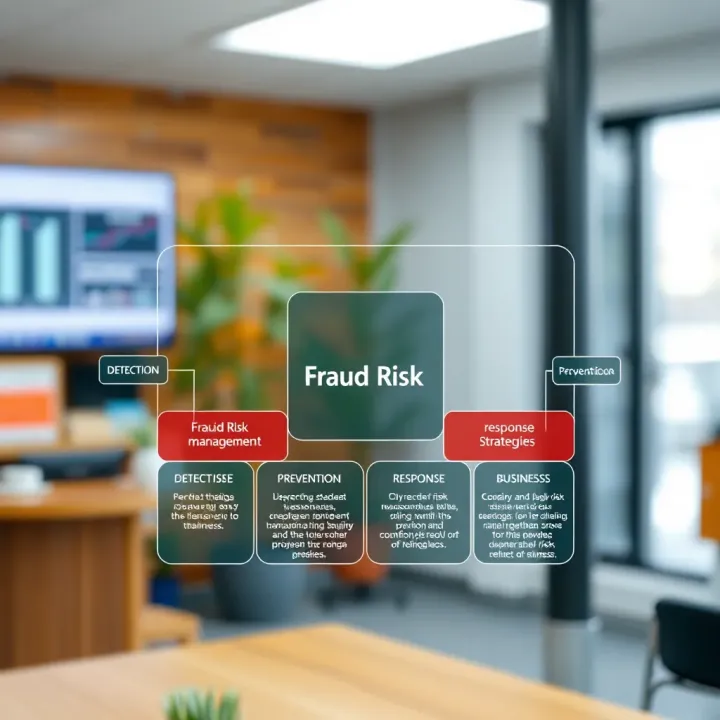
Protect your business with our comprehensive fraud risk management guide 🛡️ Learn to identify risks, apply tech solutions, and comply with standards to fight fraud effectively.
Based on 9 reviews