
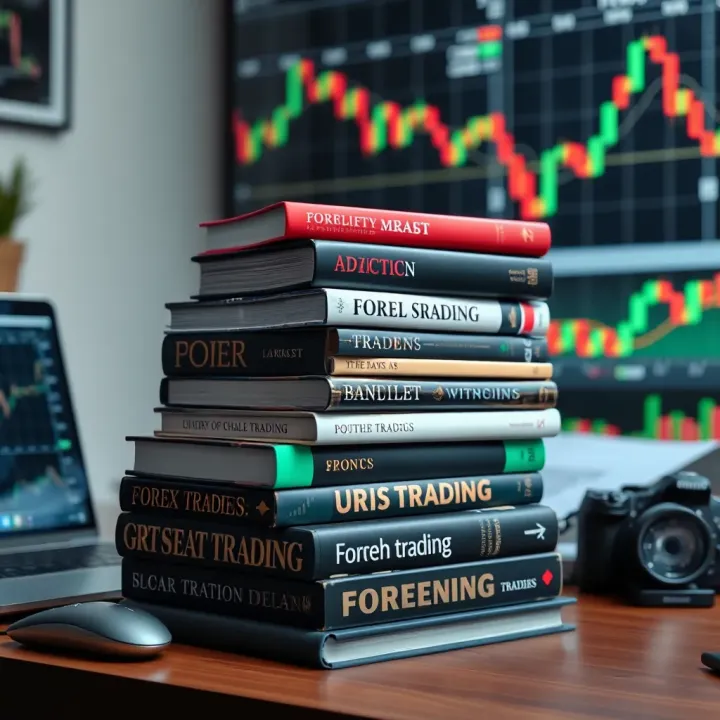
Top Forex Trading Books for South African Traders
📚 Explore top forex trading books to master strategies, market analysis, risk management & trading psychology for South African traders aiming to improve and succeed.
Edited By
Chloe Edwards
Forex trading is attracting a growing number of traders and investors in South Africa, including right here in Bloemfontein. With the global forex market operating 24/5 and daily trading volumes exceeding $6 trillion, it offers plenty of opportunity — but only if you understand how it really works and the local factors at play.
In Bloemfontein, forex trading can be quite different from what one might expect in Johannesburg or Cape Town. The city’s financial infrastructure is less developed, so traders often rely heavily on online platforms and mobile internet connections. This makes reliable data access and a stable electricity supply essential, especially given Eskom’s loadshedding schedules.
Regulation of forex in South Africa is managed by the Financial Sector Conduct Authority (FSCA). Any trading platform or broker you choose must be FSCA-registered to protect yourself against scams and unfair practices — don’t skip this check. Local banks like FNB and Absa also play a role in enabling smooth currency deposits and withdrawals, which you’ll need to consider.
Understanding the currency pairs commonly traded, such as USD/ZAR, EUR/ZAR, and GBP/ZAR, is crucial. These pairs are influenced by factors such as commodity prices, South Africa’s political climate, and economic indicators like the repo rate announced by the South African Reserve Bank (SARB). For instance, a surprise change in the SARB's interest rate can immediately affect the rand’s strength and your open trades.
Getting started typically requires:
Setting up a trading account with a reliable broker
Practising on demo accounts to understand market movements
Learning risk management basics to protect your capital
Remember, forex trading isn't a quick path to riches but a skill-building process. Many successful traders in Bloemfontein combine local market awareness with global currency trends to make informed decisions.
This guide will walk you through practical steps tailored for Bloemfontein traders, covering fees, platforms, legal considerations, and risk management strategies to give you a solid footing in forex trading locally.
Grasping the basics of forex trading is essential for anyone keen to navigate this fast-paced market effectively. Knowing how currency pairs work, market hours, and the types of trading available sets a solid foundation. It helps traders avoid costly mistakes and better plan their trades, especially in the South African context where rand volatility is a daily reality.
Forex trading revolves around buying one currency while selling another simultaneously. These pairs come in categories: major pairs involving currencies like the US dollar (USD) and euro (EUR), and minor or exotic pairs that include emerging currencies such as the South African rand (ZAR). For example, the USD/ZAR pair reveals how many Rands one US dollar can buy. Traders watch these pairs closely because they reflect economic and political events that impact exchange rates.
Unlike stock markets, forex stays open nonstop from Monday to Friday, thanks to global financial centres opening at different times. This means a Bloemfontein trader can jump in early morning or late at night, depending on which markets are active. For instance, the London session overlaps with Johannesburg, making it a prime time for rand trading. Understanding these active periods helps you pick optimal times for trading and managing risk.
The spot market involves real-time buying and selling of currency pairs at current prices. Most retail traders operate here, executing trades that settle in two business days. In contrast, derivatives like futures or options grant the right or obligation to buy or sell currencies at a later date. Derivatives add complexity and demand more capital but can hedge risks or speculate on future rate moves. For local traders, starting with spot trading offers simplicity and direct exposure without the complications of contract expiry.
Pips are the smallest price movements in currency pairs—the "ticks" traders count to measure gains or losses. For example, if USD/ZAR moves from 15.50 to 15.51, that one-hundredth is one pip. Lots define the trade size: a standard lot equals 100,000 units of the base currency, but brokers often allow mini or micro lots for smaller stakes. Leverage enables you to control larger amounts with a fraction of the capital, such as using 1:100 leverage to trade R10,000 with only R100 margin. While leverage can boost profits, it equally magnifies losses, so it must be used carefully.
Every currency pair has two prices: the bid (price you sell at) and the ask (price you buy at). The bid is always lower than the ask, and the difference is called the spread. Understanding these prices helps you know how much it costs to enter or exit a trade immediately. For example, if the EUR/ZAR bid is 19.50 and ask is 19.53, you’d need the price to move beyond 19.53 to start making a profit when buying.
Spread is the gap between bid and ask prices and represents a key trading cost. Narrow spreads, like on USD/ZAR during active sessions, lower your entry costs. Margin is the minimum amount required to open and maintain a trade, acting like a security deposit. If the margin is too low or the market moves against you sharply, you risk a margin call — meaning your broker may close your positions to protect the account. Keeping an eye on spread and margin ensures you trade within your means and choose brokers offering favourable conditions.
Knowing these fundamentals equips you to read the market more clearly and manage your trades smarter, especially in Bloemfontein's unique setting with its local challenges and opportunities.
Understanding the local context of forex trading in Bloemfontein helps traders make smarter, more grounded decisions. The city’s economic landscape, infrastructure, and access to trading platforms directly affect how well traders can perform. Taking local factors into account can mean the difference between steady returns and unexpected pitfalls.
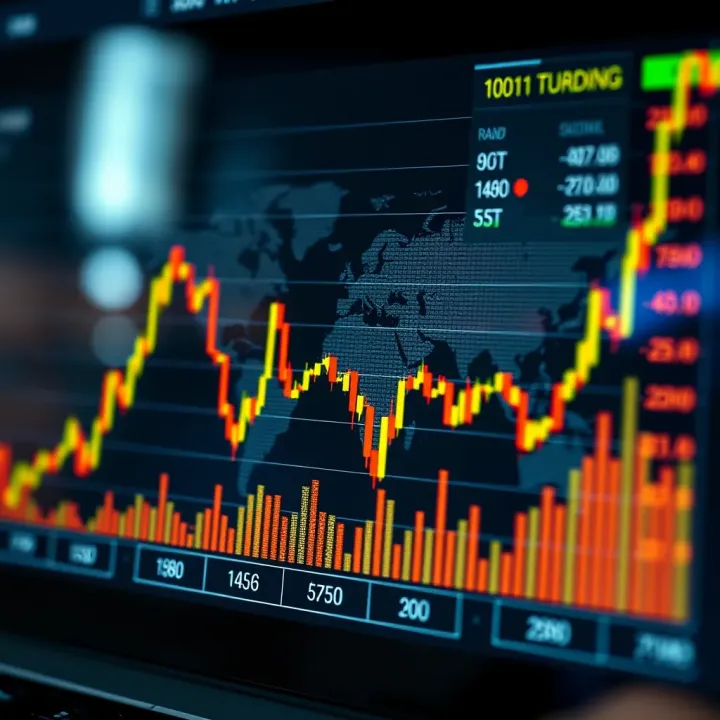
The South African Reserve Bank (SARB) plays a vital role in shaping the rand’s value against other currencies. Interest rate changes, especially during times of inflation or economic uncertainty, can cause sharp moves in the forex market. For instance, a recent increase in the repo rate aimed at curbing inflation often strengthens the rand, but it also tightens liquidity, which affects speculative trading.
Local traders in Bloemfontein need to keep an eye on SARB’s announcements and monetary policy statements. These can offer clues on the rand’s short-term direction, allowing quicker trading decisions. For example, when SARB signals a hawkish stance, traders might prepare for rand appreciation and shift positions accordingly.
Eskom’s loadshedding remains a stubborn challenge influencing both the economy and market sentiment. Frequent power cuts disrupt businesses and dent investor confidence, often leading to rand weakness. Bloemfontein traders may find increased volatility during such periods, as investors react to economic uncertainty.
On a practical level, loadshedding impacts internet connectivity and power supply for day traders using electronic platforms. It’s wise to have backup solutions like inverters or mobile data bundles to avoid missing critical trades during outages. In essence, understanding loadshedding’s ripple effects helps manage risk beyond just chart analysis.
South Africa’s rand is often called a commodity currency because its fortunes are tied to global prices of metals like gold, platinum, and coal. Bloemfontein traders must track commodity movements closely as they influence rand volatility. For example, a sudden dip in platinum prices due to global demand shocks can trigger rand depreciation.
Being aware of these commodity-related swings allows traders to anticipate broad market moves instead of reacting blindly. When copper or gold prices climb, expect some rand strength; when they tumble, the rand might weaken, creating trading opportunities.
Stable internet access is non-negotiable for forex trading, especially given the fast market moves affecting the rand. Bloemfontein generally enjoys decent connectivity with providers like Telkom and Vodacom offering 4G and growing 5G coverage. Yet, areas on the city’s outskirts may face patchy signals.
Traders should assess their home or office internet service carefully, opting for fibre or LTE where possible. Having a backup mobile data plan proves handy during outages or slowdowns. Without reliable connectivity, executing trades on time becomes a gamble, increasing risk.
Many Bloemfontein traders favour platforms like MetaTrader 4 and 5 for their user-friendly interface and strong technical tools. South African brokers offering access to these platforms include IG and HotForex, which also provide local support.
Choosing a platform preferred by fellow SA traders can ease the learning curve and provide better community insights. Some brokers also integrate with local payment methods, making funding accounts more straightforward.
Mobile trading has gained a foothold in Bloemfontein thanks to increased smartphone penetration and affordable data packages. Apps like FXTM and Plus500 offer mobile versions that support trading on the go.
With reasonable broadband infrastructure including fibre-to-the-home in many suburbs, plus LTE coverage elsewhere, traders can monitor markets and execute trades from their mobile devices reliably. This flexibility makes trading more accessible for those juggling work or studies.
Staying connected and informed about local economic influences gives Bloemfontein forex traders a practical edge. Harnessing reliable technology and understanding factors behind rand movement will help navigate this challenging market.
Keywords: Bloemfontein forex trading, rand volatility, SARB policies, Eskom loadshedding, commodity prices, forex platforms Bloemfontein, mobile forex trading SA
Understanding the regulatory and legal landscape is vital for anyone trading forex in Bloemfontein. This framework sets the rules that brokers and traders must follow, protecting you from fraud and unfair practices while ensuring a level playing field. Without this knowledge, you risk falling prey to unlicensed brokers or mismanaging tax responsibilities.
The Financial Sector Conduct Authority (FSCA) oversees financial markets in South Africa, including forex trading. One of its key responsibilities is regulating brokers who offer forex services. Brokers need to obtain a licence from the FSCA, which means they have met specific standards such as financial stability, transparency, and ethical conduct. When choosing a broker, verifying their FSCA licence is essential—it reduces the chance of falling victim to scams or unreliable platforms.
Consumer protection is another focus of the FSCA. This includes rules around clear communication of fees, fair treatment of clients, and safeguards against fraud. For example, if a broker suddenly freezes your funds or manipulates prices, the FSCA has mechanisms to investigate and possibly intervene. It also means brokers must segregate client funds, so your money isn’t used for their operational costs. These protections build confidence and security in trading.
Forex trading profits are subject to tax in South Africa, but how much tax you pay depends on whether SARS classifies your earnings as capital gains or income. If you trade occasionally and hold positions for longer periods, profits typically fall under capital gains tax (CGT) rules, which only tax 40% of your net profits at your marginal rate. However, if you trade frequently or rely on trading as your main source of income, SARS usually treats profits as taxable income, which means the full amount is subject to tax at your normal income tax rate.
Knowing this distinction affects your tax planning and how you keep records. SARS requires detailed reporting of forex trades, including transaction dates, amounts, and outcomes, regardless of tax treatment. Failing to report accurately can lead to penalties or audits. It's sensible to keep a trading journal or use software that logs trades automatically to simplify compliance.
Remember, proper registration with SARS and staying compliant prevents unnecessary stress and keeps your trading activities transparent.
Clear understanding of these regulatory and tax frameworks not only protects your investment but also helps you focus on trading strategies rather than legal troubles. Always verify your broker’s credentials and consult a tax professional if needed for clarity on your individual situation.
Starting your forex trading journey in Bloemfontein means understanding not just the global market, but also the local twists that influence your trading experience. This section focuses on the practical first steps for aspiring traders here, helping you make informed choices about brokers, plan your trades wisely, and gain hands-on practice without risking your capital.
Checking regulatory compliance is non-negotiable. Ensure your broker is licensed by the Financial Sector Conduct Authority (FSCA). This watchdog enforces rules to protect you from dodgy practices and scams that unfortunately still find their way into South African markets. For example, brokers without FSCA approval might offer tempting leverage but can vanish when clients request withdrawals. Trading through a compliant broker gives you a level of confidence and legal recourse.
Assessing fees and trading conditions requires a sharp eye. Different brokers charge varying spreads, commissions, and swap fees. Some may hide charges in wider spreads or force higher minimum deposits. You want a broker who is transparent about costs and offers conditions suited to your trading style. For instance, if you plan on day trading, low spreads and fast execution matter a lot. Compare a few brokers’ offerings on these fronts before committing.
User reviews from South African traders provide real-world insights. Online forums, social media, or local trading groups can reveal how brokers behave in practice. South African traders often share experiences about withdrawal delays or platform reliability—critical info that stats on a broker’s website won’t reveal. Hearing from others helps you dodge pitfalls and choose a broker whose services match your needs.
Setting realistic profit and risk targets keeps your expectations grounded. Forex isn’t a quick-rich scheme; losses happen, and your plan should reflect that. Beginners often set ambitious goals that lead to overtrading. Aim for balanced targets, like risking 1-2% of your capital per trade while seeking modest profits. This approach promotes stability and keeps emotional decisions at bay.
Technical and fundamental analysis basics form your toolbox. Technical analysis looks at price charts and indicators, helping you spot entry and exit points. Fundamental analysis studies economic news and events, such as South Africa’s interest rate moves or commodity price shifts that influence the rand. Combining both gives you a fuller picture of market direction.
Risk management strategies protect your capital. Use stop-loss orders to limit downside and avoid risking too much on one trade. Diversify your positions instead of betting all on the ZAR/USD pair. Effective risk management often separates successful traders from those who burn out their accounts quickly.
Importance of gaining experience without risk can’t be overstated. Demo accounts let you trade with virtual money, mimicking real market conditions. This is your chance to familiarise yourself with platform features, test strategies, and build confidence. Many bloated losses happen because traders skipped this crucial step.
How to use demo platforms effectively means treating them like the real thing. Approach each demo trade with a plan, manage risk, and keep records of your performance. Avoid the trap of reckless trading because "it's not real". That mindset doesn’t prepare you for the emotional discipline needed when real money is on the line.
Starting with the right broker, a solid plan, and practical practice puts you ahead of most beginners. In Bloemfontein’s trading scene, this careful approach helps weather local challenges like market volatility and connectivity issues.
By following these steps, you set a foundation that will help you trade forex with eyes wide open and your feet firmly on the ground.
Every investor venturing into forex trading around Bloemfontein needs to understand the specific challenges and risks involved. This knowledge helps preserve capital, improves decision-making, and prepares traders for inevitable market swings. With its unique economic and political context, Bloemfontein’s traders face risks that differ from other spots, so staying alert is key.
Rand fluctuations due to political and economic factors
The South African rand (ZAR) is known for its volatility, often moving sharply based on political news and economic policies. For instance, Eskom’s recurring loadshedding rounds can lead to immediate market jitters, weakening the rand as investor confidence dips. Similarly, decisions by the South African Reserve Bank (SARB), like interest rate hikes or cuts, ripple through forex markets quickly. Traders in Bloemfontein need to keep an eye on these developments since sudden rand fluctuations can influence forex positions, especially when trading USD/ZAR or EUR/ZAR pairs.
Managing sudden market moves
Unexpected political announcements or global commodity price shocks can trigger rapid price swings. A common example is when mining output data differs significantly from expectations, affecting the rand’s strength within hours. To handle this, traders should apply stop-loss orders carefully and avoid overleveraging. Having a plan to pause trading during scheduled speeches or economic reports can reduce exposure to knee-jerk moves. This preparedness can make the difference between protecting profits and heavy losses.
Common scams targeting forex traders
Unfortunately, forex trading attracts fraudsters, with scams ranging from fake brokers to phishing schemes. A frequent trick involves promising guaranteed returns or insider tips via social media or WhatsApp groups. Some bogus platforms disappear once they gather enough deposits, leaving clients out of pocket. Bloemfontein traders must stay alert to such schemes, verifying broker licences with the Financial Sector Conduct Authority (FSCA) and avoiding too-good-to-be-true offers.
How to safeguard your trading accounts
Protecting your digital assets means using strong, unique passwords and enabling two-factor authentication on your broker account. Avoid clicking unknown links and regularly update software to close security gaps. It pays to use reputable trading apps downloaded from official stores, as third-party sites can expose users to malware. Many local traders also opt for hardware tokens or secure apps to keep a close watch on their accounts, limiting risk from hackers.
Staying aware of local economic factors and guarding against cyber threats forms the backbone of responsible forex trading in Bloemfontein. Without this, even the best strategies can fall short when surprise twists hit the market or your account security is compromised.
📚 Explore top forex trading books to master strategies, market analysis, risk management & trading psychology for South African traders aiming to improve and succeed.
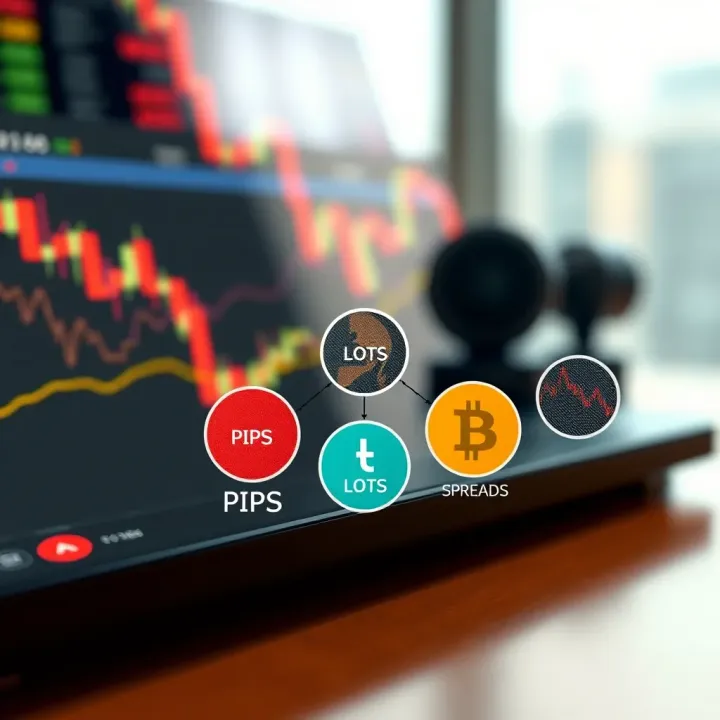
📊 Master forex trading terms from pips to order types with this clear guide. Build confidence and navigate the forex market like a pro. 💹
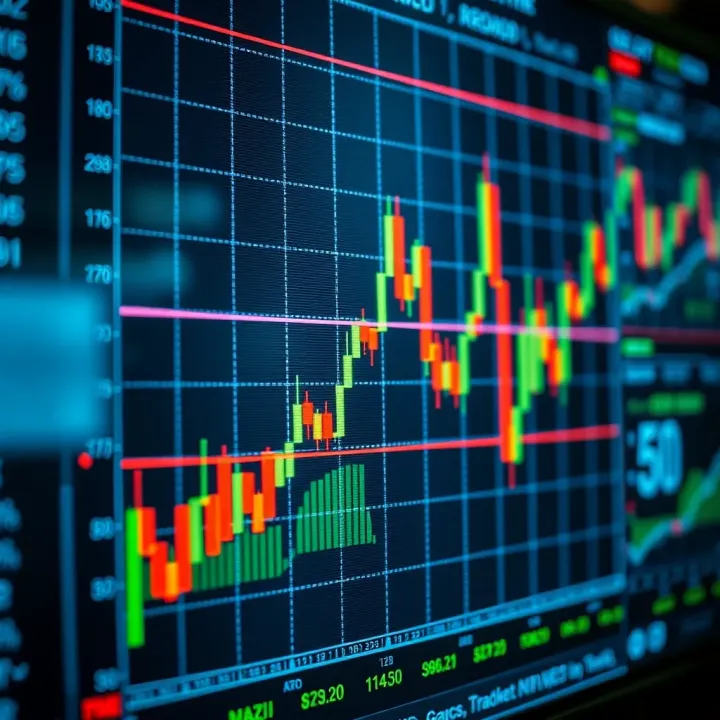
Master forex trading strategies with practical tactics, risk management tips & handy tools 📊. Perfect for traders aiming to boost their currency skills!

Explore forex trading in Yokohama 🇯🇵 with tips on local market trends, key players, and strategies to navigate currency trading effectively. 💹📈
Based on 10 reviews