

Understanding Free Binary Signals for Better Trading
📈 Discover how free binary signals work, their risks and benefits, plus tips to find reliable providers for smarter trading in South Africa 🇿🇦.
Edited By
Sophia Clarke
Binary option signals offer traders a snapshot of potential market moves in real time, providing recommendations on when to buy or sell a specific binary option. These signals are generated either by sophisticated algorithms analysing market data or by experienced human analysts combing through charts and patterns.
Understanding how these live signals work is essential for South African traders keen on making informed decisions in a fast-moving market. Unlike traditional stock trading, binary options are all-or-nothing bets on whether an asset’s price will hit a certain level within a set timeframe. Live signals simplify this by suggesting the likely direction and timing, aiming to cut through the noise.

For example, a live signal might indicate that the price of gold is expected to rise above R30,000 within the next 15 minutes, prompting a 'Call' option trade. Traders then have the choice to act quickly, relying on the provider’s accuracy and timing.
Live binary option signals don’t guarantee profits but help you manage the rapid pace of trading decisions by highlighting potentially promising opportunities.
When selecting a signal provider, pay close attention to:
Track record: Verify their past performance, ideally with verifiable trade histories.
Transparency: Genuine providers explain their methods and don’t promise unrealistic returns.
Costs: Some charge a subscription fee, while others take a cut of profits or provide free basic signals with paid upgrades.
Common risks include scams, delayed signals, and overly aggressive strategies that don’t suit every trader’s risk profile. It’s wise to test signals with small amounts or paper trading before committing real capital.
South African traders should also consider local market conditions. Factors like Eskom loadshedding can disrupt internet access, impacting your ability to act on signals promptly. Selecting providers with mobile-friendly platforms and offline alert options can help mitigate this.
Ultimately, live binary option signals form one part of a broader trading strategy. Used wisely, they can help sharpen your timing and provide an extra layer of market insight, but it’s crucial to combine them with personal analysis and sound money management.
In the world of trading, live binary option signals serve as real-time prompts that suggest whether the price of an asset is likely to rise or fall within a specified period. These signals are vital because they help traders make informed decisions quickly, especially in markets where timing is everything. For South African traders, who often deal with fast-moving platforms and unexpected economic news, these signals can offer a valuable edge.
Binary options are financial instruments where traders predict the direction of an asset’s price within a fixed timeframe. The trade results in a simple yes/no outcome—either the price reaches the target (earning a fixed payout) or it doesn’t (leading to the loss of the invested amount). For example, a trader might bet that the price of gold will be higher than R1,000 per gram in the next 15 minutes.
This straightforward, all-or-nothing structure appeals to many because it limits complexity while offering clear risk and reward scenarios. It’s particularly relevant for traders who prefer concise decision points without the need for elaborate portfolio management.
A live binary option signal is essentially a timely trading alert generated based on market analysis, technical indicators, or automated algorithms. Unlike delayed or historical data, these signals are sent out in real time, allowing traders to react promptly. For example, a signal might notify you at 10:15 am that the EUR/ZAR currency pair will likely rise over the next five minutes.
The practicality of live signals lies in their immediacy. In volatile markets, even a delay of a few seconds can mean the difference between a profitable trade and a loss. Thus, the reliability and speed of signal delivery are key factors for traders relying on these tools.
Signals provide clear instructions on what action to take, typically advising to 'call' (predict price going up) or 'put' (predict price going down) options on specific assets. These recommendations come with additional information, such as the suggested expiry time, entry price, and sometimes confidence levels based on past performance.
For instance, a signal might read: "Call option on Naspers shares, expiry 5 minutes, entry at R2,000," guiding the trader precisely what to do and when. This clarity reduces guesswork, making it easier to execute trades swiftly and accurately.
Live signals play a crucial role in pinpointing the ideal moments to enter or exit trades. By following these alerts, traders avoid hesitation and cut down analysis time. For example, if a live signal suggests placing a 'put' position on a volatile stock just before its price dips, following through quickly can secure profits.
This timing aspect is essential because binary options have short expiry periods—sometimes just a few minutes—making prompt action indispensable. Signals can act as a trusted guide, especially when markets move too fast for detailed analysis.
Novice traders often lack the experience to interpret market trends quickly, so live signals offer a straightforward way to participate confidently. They provide a shortcut to potentially profitable decisions without overwhelming technical study.
Experienced traders, on the other hand, can use live signals as an additional layer of data to confirm their strategies or spot opportunities they might have missed. For example, an expert might cross-check a live signal with their own market indicators before committing capital, blending intuition with automated insights.
The value of live binary option signals depends heavily on how fast and accurately they reach the trader. A signal delivered too late often loses its trading value. South African traders must consider their internet connection quality and platform responsiveness. For instance, during heavy loadshedding stages, delays might affect the ability to act on signals promptly.
Also, the source of signals matters; automated software tends to react instantly, whereas human analyst signals may lag slightly due to manual processing. Choosing the right balance between speed and reliability will shape the success of incorporating live signals into overall trading practices.
Quick response and trust in signal accuracy are critical. Delays or false alerts can quickly turn promising signals into costly mistakes.
In sum, understanding exactly what live binary option signals mean helps traders apply them effectively—whether to sharpen entry and exit timing, support decision-making, or enhance overall strategy. The key is recognising their role as a helpful tool rather than a guaranteed profit source, especially in South Africa’s unique trading environment.

Understanding the sources and types of binary option signals is essential for traders aiming to make timely and informed decisions. These signals guide you on when to enter or exit trades, helping to navigate the often volatile financial markets. Knowing where signals come from and their nature lets you assess their relevance and reliability.
Automated systems use algorithms and historical data to generate signals without human intervention. These bots scan markets continuously, identifying patterns and suggesting trades, often faster than manual methods. For example, some platforms may deploy bots that analyse forex pairs or commodities, spotting short-term trends for quick binary option trades.
While automation offers speed and consistency, it’s important to understand that these signals depend on programmed rules which may not adapt well to sudden market shocks or unusual events. Traders using automated signals should monitor performance and adjust settings accordingly.
Some traders prefer signals created by human experts who analyse market fundamentals, technical indicators, and economic news. These analysts provide signals based on their experience and market reading, often offering explanations behind recommendations.
This approach can add context and flexibility to trading but may come at a higher cost. For example, a seasoned analyst might advise caution ahead of a SARB interest rate announcement, something automated bots might overlook.
Social trading platforms enable traders to share signals and strategies openly or via subscription. This peer-to-peer model allows novices to follow proven traders or discuss market moves with a community.
In South Africa, platforms facilitating shared signals can be useful, but traders should vet contributors carefully due to the risk of misleading or poorly tested advice. Combining social insights with personal research can offer a balanced view.
Track records provide a key metric for judging signal providers. Reliable services usually share past performance data, detailing win rates, profit margins, or loss ratios over time. However, be mindful of cherry-picked statistics; look for consistent results spanning different market conditions.
For instance, a signal service boasting 90% accuracy in a calm market but failing during volatility might not be dependable for all trading days. Seek balanced historical evidence.
Legitimate providers openly explain their methods, risk factors, and disclaimer terms. Transparency includes disclosing who develops the signals, their qualifications, and how they handle clients’ data and funds.
In contrast, unreliable operators often make vague claims, offer little user support, or avoid clear communication. Especially in South Africa, where unlicensed trading platforms exist, favour services that comply with FSCA guidelines and local regulations.
The timing and method of receiving signals affect their usability. Frequent updates are vital in fast-moving markets, but too many alerts might overwhelm and confuse.
Common delivery channels include mobile notifications, emails, or integration with trading platforms. Choose a service that fits your trading style; for example, active day traders may prefer instant mobile alerts, while long-term traders may find daily summaries adequate.
Selecting the right kind of signal and a trustworthy provider can shape your binary options trading success significantly. Always weigh speed, accuracy, and transparency before committing.
When using live binary option signals, South African traders must navigate a unique set of considerations not always present elsewhere. These include legal frameworks, practical hurdles like internet access, broker compatibility, and managing the inherent risks of the local market. Tackling these upfront can help you trade smarter and avoid common pitfalls.
Binary options trading operates in a legal grey area for South African traders. Although binary options themselves aren't illegal, the Financial Sector Conduct Authority (FSCA) has issued warnings against unregulated platforms offering binary options. These warnings stem from widespread scams and fraudulent schemes targeting South African consumers, especially via unlicensed overseas operators. Practically speaking, this means you should only trade through brokers and signal providers that comply with FSCA regulations or reputable international entities with strong oversight.
South African regulators expect traders to verify that platforms they engage with are authorised. The FSCA’s guidelines require providers to be transparent about risks and to have proper licences. Following these rules helps avoid legal trouble and minimises the risk of falling victim to unscrupulous operators. If a signal service or broker is dodging regulation, it’s best to steer clear. For example, some offshore services promise guaranteed profits, but without FSCA oversight, there's no real recourse if things go south.
Avoiding scams is a key concern in this space. Fraudsters often target novice traders with flashy websites and unrealistic profit claims. Being alert to red flags like unregistered operators, no verifiable track record, or pressure to deposit money fast can save you plenty of heartache. Practical steps include checking the FSCA’s public warnings, confirming licence status, and seeking out reviews from trusted sources. In South Africa’s market environment, vigilance is your best defence.
Internet connectivity and data costs remain real challenges for many South Africans, especially outside urban centres. Live binary option signals rely on instant, real-time data transmission. Interruptions or high latency caused by unstable internet or expensive data can delay crucial decisions, rendering signals less effective or even useless.
Given South Africa's data pricing, traders need to balance data usage with the benefits of live signals. For instance, if a signal service delivers frequent alerts with heavy data requirements, this could blow your monthly data budget. Using prepaid data bundles tailored for financial apps or reliable Wi-Fi spots can ease this burden.
Choosing the right broker is also critical. Not every South African-compatible broker supports live signals or integrates with popular signal providers. Ensure the broker you pick facilitates timely execution of trades based on signals, with minimal latency and transparent fee structures. Brokers linked to reputable international liquidity providers tend to have better infrastructure, enhancing your chances of executing signals accurately.
Lastly, managing risks in a volatile market like South Africa’s can’t be overemphasised. Loadshedding, political developments, or global commodity swings often cause sudden price moves. Relying solely on live signals without understanding broader market context can lead to losses. Instead, combine signals with your own research and sound risk management — such as setting stop-loss limits and avoiding overexposure — to weather these ups and downs.
Trading with live binary options signals in South Africa requires more than just following alerts: understanding local regulations, ensuring reliable connectivity, picking the right brokers, and managing volatile market risks will make your trading more resilient and less stressful.
Trading with live binary option signals can offer handy guidance, but it also carries certain risks that traders need to be aware of. Relying too heavily on these signals without understanding their limitations could lead to losses. This section sheds light on common pitfalls and suggests practical ways to mitigate potential downsides.
Many traders expect live signals to predict market movements with near-perfect accuracy. However, no signal approach guarantees success every time. An overdependence on signal accuracy can cause traders to place larger bets than they otherwise would, ignoring their own judgement or market signals. For instance, a signal might suggest a bullish move that doesn’t pan out due to sudden economic news or market volatility. Blindly following signals without questioning can quickly deplete trading capital.
Binary option signals usually focus on specific entry or exit points, often missing the broader market picture. Traders who ignore trends, global events, or economic indicators may misinterpret signals. For example, a signal to buy a currency could clash with a looming interest rate announcement, which might heavily swing the market. In South Africa, where local factors like exchange controls or political developments impact markets, signals must be considered alongside personal research.
Some providers advertise live signals as a ‘sure way’ to make money. This claim is misleading and risks attracting uninformed traders. Markets are inherently uncertain, and binary options are high-risk financial instruments. Guaranteeing profits ignores this reality and may lead to overconfidence. South African traders should be cautious about any promise that sounds too good to be true given the volatility and regulator warnings around unlicensed service providers.
Using live signals alongside your own market analysis helps improve decision-making. Consider economic calendars, news, and technical charts before acting on a signal. For instance, if a signal suggests an upward move on a stock, check relevant company results, sector performance, or JSE trends first. This approach reduces the chance of following misleading signals blindly and empowers you to make more informed trades.
Knowing that no signal service can deliver 100% wins is crucial. Treat live signals as one tool among many rather than a magic formula. Manage your trading bankroll carefully, limiting exposure per trade. Expect some losing runs and see signals as guidance, not guarantees. This mindset is especially important considering South Africa’s often volatile markets, where unexpected moves can happen.
Before using real money, test a signal service on a demo account provided by your broker. This lets you measure accuracy without risking capital. For example, you might follow signal recommendations on a simulated MT4 or IQ Option platform for several weeks to track success. Demo testing highlights whether a signal fits your trading style and how well it performs in various market conditions. It’s good practice that helps build confidence and avoid costly mistakes.
Remember, live binary option signals can support trading but should never replace your own analysis and risk management. Combining tools and realistic thinking goes a long way in protecting your capital and improving your chances in the market.
Navigating the world of live binary option signals requires more than just following alerts blindly. Practical tips help you select the right signal service and integrate these insights effectively into your trading routine. This approach ensures you can maximise the benefits while managing risks sensibly, especially within South Africa's dynamic trading environment.
Choosing a reputable provider matters a lot. Look beyond flashy promises and check for feedback from other traders, especially within South African forums or trading groups. A provider with a solid track record over several months or years often indicates reliability. For example, a service that’s well-regarded on platforms like MyBroadband for offering consistent alerts deserves closer inspection. Avoid those with frequent complaints or unclear performance stats.
While some signal services might come at a high price, the cost should reflect the actual value you gain. Don’t fall into the trap of paying a hefty monthly fee only to receive vague or irregular signals. Sometimes, a modestly priced service with transparent results and solid customer support delivers more bang for your buck. Weigh the fees against your trading capital and expected returns, so you don’t end up paying more than you actually gain.
Trial periods allow you to test the service without risking much. Use these to assess how timely and accurate signals are in your trading conditions. Keep a log of performance with real data, noting how many signals hit the mark versus those that don’t. This hands-on tracking helps you decide whether the provider’s signals fit your strategy. If the trial suggests consistent underperformance, it’s better to move on than sink money into a dud.
Signals lose value quickly if you delay. Trading binary options often demands acting within minutes or even seconds after receiving a signal. Set up notifications on your mobile or desktop that catch your attention immediately. Missing the window to enter a trade based on a live signal can turn potential profits into losses, especially when markets swing sharply.
Don’t bet the farm on any single signal. Always stick to a risk management plan that limits how much of your trading capital you expose at once. For example, many traders limit risk to 1-2% of their total capital per trade. This way, even a streak of bad calls won’t cripple your account. Combining signals with stop-loss rules and clear exit strategies can further shield you from unnecessary damage.
Markets shift, and what works one month might falter the next. Use the signals as guides, but keep refining your approach by studying market trends and your own trade results. Many successful South African traders join local indabas or online groups to share insights. By staying curious and flexible, you’ll improve your edge rather than relying solely on mechanical signals.
Remember, the best signal service won’t guarantee success unless you integrate it wisely into a disciplined, informed trading routine.
These practical tips offer a grounded way to enhance your binary options trading with live signals, balancing opportunity and caution in equal measure.
📈 Discover how free binary signals work, their risks and benefits, plus tips to find reliable providers for smarter trading in South Africa 🇿🇦.
📱 Learn how to download and install binary option software safely in South Africa. Get handy tips on choosing trusted platforms, security, and practical use.
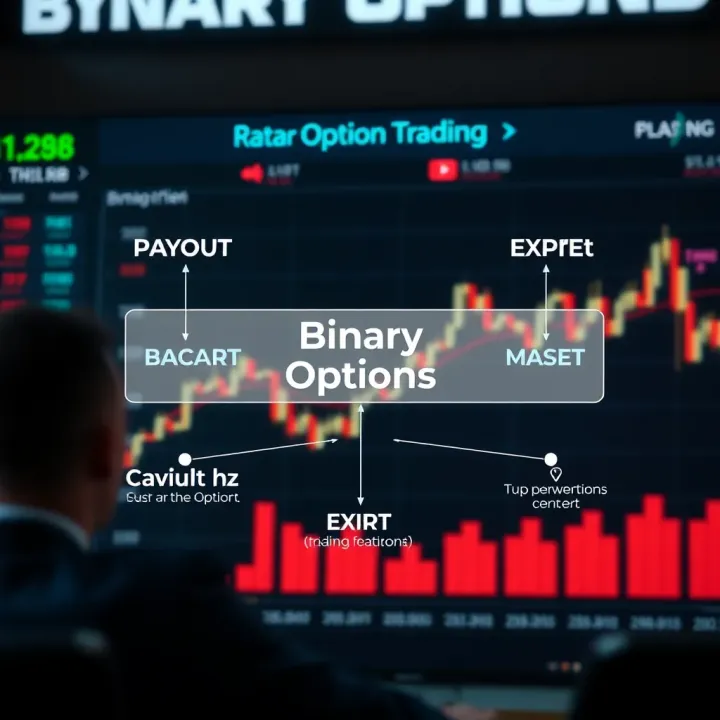
📊 Curious about binary options? Learn how they work, spot risks, understand regulations, and get local tips to trade smartly in South Africa’s market.
Learn how free forex trading signals work, who offers them, and how to use them smartly. Get tips to spot good signals and manage risks here 📈💡
Based on 6 reviews