
Best Forex Trading Apps in South Africa
Discover how to pick the perfect forex trading app in South Africa 🇿🇦. Compare platforms, features, and regulations to suit your trading style and goals 📱💹.
Edited By
James Thornton
If you're trading forex in South Africa, picking the right mobile app is more than just a convenience - it’s key to trading effectively and securely. With so many options flooding the market, knowing which platform suits your style and meets local requirements can save you headaches down the line.
Forex trading apps in South Africa vary greatly, from slick interfaces with advanced charting tools to simple apps focusing on quick, on-the-go trades. But the best app for you depends on several factors beyond just look and feel.
Regulation and Safety: Always choose applications regulated by the Financial Sector Conduct Authority (FSCA). This ensures the platform follows rules designed to protect traders, including fund segregation and fair trading practices.
Fees and Spreads: Some apps offer zero commission but compensate with wider spreads. Others charge fixed fees. Knowing these details upfront is crucial to avoid unexpected costs eating into your profits.
Local Payment Methods: An app that supports South African payment options like EFT (Electronic Funds Transfer) or Instant EFT makes deposits and withdrawals smoother.
Currency Options: Look for apps that allow trading in ZAR pairs. This can help sidestep currency conversion charges and make your accounting simpler.
User Interface and Tools: Features like live quotes, technical indicators, economic calendars, and news feeds help you make informed decisions straight from your phone.
Choosing an app with reliable customer support, preferably with local service centres or helplines, is just as important as the technology itself.
Every trader has different goals: some focus on quick scalping, others prefer long-term positions. Apps like IG and Plus500 have solid reputations locally, while raw platforms like MetaTrader 4 or 5 offer deep customisation but might need a steeper learning curve.
Understanding your comfort with risk, technical analysis, and trading hours will help narrow down your choices. For example, if you often trade just before or after Eskom's loadshedding times, an app with offline functionality or quick trade execution could be a life-saver.
Ultimately, combining regulatory security, low-cost trading, payment convenience, and suitable tools tailored for the South African market will guide you to the best forex trading app for your needs.
Choosing the right forex trading app can make a world of difference, especially in the fast-paced South African market. The features you get will affect everything from your trading speed to how well you understand market moves. Let’s look at what really matters when selecting an app.
A clean and intuitive interface is essential for quick decision-making. You don’t want to fumble through cluttered menus while the market shifts. Look for apps that offer simple navigation and clear displays of exchange rates, charts, and trade options. For example, an app that allows you to customise your dashboard to focus on currency pairs you frequently trade will save time and reduce errors. Also, consider accessibility — does the app run smoothly on both Android and iOS devices? Given that many South Africans rely on mobile data and limited bandwidth, an app that works well even on slower connections is a big plus.
Access to solid trading tools turns guesswork into strategy. Look for apps that provide live charts with multiple time frames, technical indicators like moving averages and RSI, and economic calendars showing key events that affect currency prices. Some platforms even offer real-time news feeds or alerts tailored to your preferences. Such features help you spot trends quickly and plan trades with confidence. For instance, an alert about a RBA interest rate decision might prompt you to adjust your positions on the South African rand.
Every fee cuts into your profits. Choose apps that clearly display spreads (the difference between buy and sell prices) and other charges upfront. Watch out for hidden fees on deposits or withdrawals, which can surprise you later. Some apps offer zero-commission trading but compensate with wider spreads — this trade-off matters if you’re an active trader. Transparency allows you to compare options and pick one that aligns with your trading style without nasty surprises.
Security isn’t negotiable. Ensure the app is regulated by the Financial Sector Conduct Authority (FSCA) or other trusted bodies. Secure encryption protects your data and funds, while two-factor authentication adds an extra layer of safety. Fraud and scams remain risks in forex trading, so using an app with strong security protocols is key. For example, an FSCA-regulated broker must follow rules that protect client funds, which gives you more peace of mind.
Trading can get tricky, and you want help when you need it. Reliable customer support available via chat, email, or phone is essential, especially if you’re dealing with time-sensitive trades. Also, many top apps provide educational materials like tutorials, webinars, or demo accounts. These resources are invaluable for beginners and even experienced traders aiming to sharpen their skills. An app that helps you learn as you go improves your confidence and trading outcomes.
When picking a forex trading app, balance ease of use, robust tools, clear costs, strong security, and solid support. This combo empowers you to trade confidently in South Africa’s unique market.
These features shape not only your experience but also your success. Don't just chase the flashiest app; choose a platform that fits your needs and trading goals well.
Choosing the right forex app is just as important as understanding forex trading itself. Popular apps available in South Africa tend to stand out for good reason — they balance user experience, security, cost, and local payment options. Knowing which platforms are widely used and trusted can save you time sifting through options and protect you from platforms that might not meet local requirements.
In South Africa, traders often lean on a mix of international heavyweights and homegrown platforms. For instance, IG Group and Plus500 are global players with a solid presence here thanks to their extensive range of currency pairs and regulatory compliance. On the local side, FXTM (ForexTime) and HotForex have carved out reputations for ease of use paired with strong local customer service. These platforms support a range of trading instruments beyond forex, such as CFDs and commodities, which might be useful if you want diversification.
Each app offers a slightly different user experience, but most come with mobile versions that work well on both Android and iOS. They also typically provide demo accounts so you can test strategies without risking real money — very handy if you're just starting out.
IG Group is known for its vast market access and powerful charting tools but can get pricey for frequent traders due to spreads and commissions. Plus500 is simpler and offers zero commission on trades, but has fewer advanced features which more experienced traders might miss. FXTM appeals with responsive South African customer support and generous educational materials, yet its interface might seem outdated compared to international competitors. HotForex offers low minimum deposits and tight spreads but has faced mixed reviews on withdrawal times.
None of these apps is perfect, so consider what suits your trading style. If you value sharp analytics and global reach, IG is worth a look. If cost-efficiency and beginner-friendliness matter more, Plus500 or FXTM could fit better.
Smooth deposit and withdrawal processes are a make-or-break for South African traders. Popular forex apps here generally accept local bank transfers from major banks like FNB, Standard Bank, and Absa. Some also facilitate instant deposits via card payments and e-wallets such as Skrill or Neteller.
For example, FXTM supports EFTs (electronic funds transfers) without extra charges, which aligns well with how many South Africans manage finances digitally. IG Group allows deposits via credit/debit cards that work locally, but some users report delays in withdrawals. Meanwhile, platforms with limited local payment options might force you to use international wire transfers, which are slower and attract fees.
Always check ahead that your chosen forex app can work smoothly with your preferred South African bank or payment method to avoid being stuck with funds you can’t quickly access.
In summary, understanding the strengths, weaknesses, and local payment compatibility of forex apps helps you pick a platform that fits your needs and avoids hassle. This practical focus is what every South African trader should have before clicking ‘download’ or ‘sign up.’
Navigating the regulatory and legal landscape is vital for anyone trading forex in South Africa. Without a clear grasp of these elements, traders risk falling victim to unregulated brokers and scams, which can lead to significant financial losses. Understanding how local authorities regulate forex trading not only ensures compliance but also boosts trader confidence, making the trading experience safer and more transparent.
The Financial Sector Conduct Authority (FSCA) is South Africa's key regulatory body overseeing financial markets, including forex trading. It enforces rules to protect traders, ensure market integrity, and promote fair business practices. For example, the FSCA requires brokers to meet minimum capital adequacy, maintain client fund segregation, and adhere to transparent reporting standards. Traders should look for brokers that are FSCA-licensed because this regulatory oversight improves accountability and reduces the risk of fraudulent operations.
Regulation serves as a safety net for traders in multiple ways. First, it mandates that brokers clearly disclose all costs, such as spreads and commissions, so traders know what they're paying upfront. Second, it enforces strict security requirements that demand brokers to protect client funds separately from their own business accounts. This segregation helps prevent situations where broker insolvency leaves traders out of pocket.
Besides financial safeguards, regulation sets standards for ethical conduct—banning deceptive advertising or manipulation of trading platforms. For instance, if a trader files a complaint against an FSCA-registered broker, there is a formal dispute resolution process to address the issue, offering an extra layer of protection.
With many forex platforms available, spotting licensed brokers can be tricky. Always verify the broker's licence status directly through the FSCA register. Beware of offers promising guaranteed high returns with zero risk or pressure to invest quickly; these are common red flags for scams.
South African forex traders should also be cautious when dealing with offshore brokers that lack local FSCA regulation. While some international brokers are reputable, the absence of South African oversight means less recourse if problems arise. Keeping an eye on brokers' reviews from credible sources and trading forums can help, but nothing replaces confirming official licensing.
Always check the FSCA's official list of authorised forex brokers before committing any funds. This simple step is one of the best defences against losing money to unscrupulous operators.
Understanding these regulatory and legal aspects helps you trade with confidence, knowing your investments are better protected under South African law.
Starting with a forex trading app can feel like stepping into a busy market without a clear map. Practical advice helps you set up for success by guiding you through critical early steps, avoiding costly mistakes, and building a solid foundation for trading.
Before diving into trades, getting your account properly set up is non-negotiable. Most apps require identity verification to comply with South African Financial Intelligence Centre (FICA) regulations. You'll typically upload your South African ID or passport and proof of residential address, such as a recent utility bill or bank statement. This process isn't just bureaucratic red tape; it protects you and the platform from fraud and helps ensure your funds are safe.
Also, check that your forex app supports South African banks for easier deposits and withdrawals. Some international platforms might not handle Rand (ZAR) withdrawals smoothly, which can eat into your returns through exchange fees.
Jumping into forex without a clear strategy is like heading into the veld without a compass. Start with a simple approach: focus on one or two currency pairs, such as USD/ZAR and EUR/USD, which tend to have more stable spreads and better liquidity.
Set realistic goals based on your capital. For example, if you have R10,000 to trade, aim for small, manageable profits rather than chasing big wins. You might decide to use demo accounts to test strategies without risking real money; platforms like MetaTrader 4 and 5 usually offer these.
A basic strategy could involve tracking economic calendars for South African Reserve Bank (SARB) rate announcements or US Federal Reserve statements, as these events often trigger volatility. Combining fundamental analysis with simple technical patterns, such as support and resistance levels seen during market hours, helps build a clearer picture.
Risk management is where many traders stumble, so it’s worth paying close attention here. Setting a stop loss order is essential—it automatically closes your trade if the market moves against you beyond a specified limit, protecting your capital.
Say you buy USD/ZAR at 18.50, expecting the rand to weaken. You could set a stop loss at 18.30 to avoid bigger losses if the rand suddenly strengthens. This tool acts like a safety net, especially when you can’t monitor trades constantly.
Besides stop losses, allocate only a small percentage of your trading capital per position—commonly between 1–3%. Given local market conditions and volatility, this approach stops one bad trade from wiping out your account.
Never underestimate the power of discipline. Sticking to your trading strategy and risk parameters will help you navigate the foreign exchange market’s ups and downs with more confidence.
In summary, the first steps in forex trading apps involve careful account setup, clear and manageable strategies, and solid risk controls. This practical groundwork sets the scene for smarter, safer trading tailored to the realities of the South African market.
Discover how to pick the perfect forex trading app in South Africa 🇿🇦. Compare platforms, features, and regulations to suit your trading style and goals 📱💹.
📱 Discover how to pick the right free forex trading app in South Africa! Compare top apps, explore must-have features, and learn tips & risks for mobile trading.
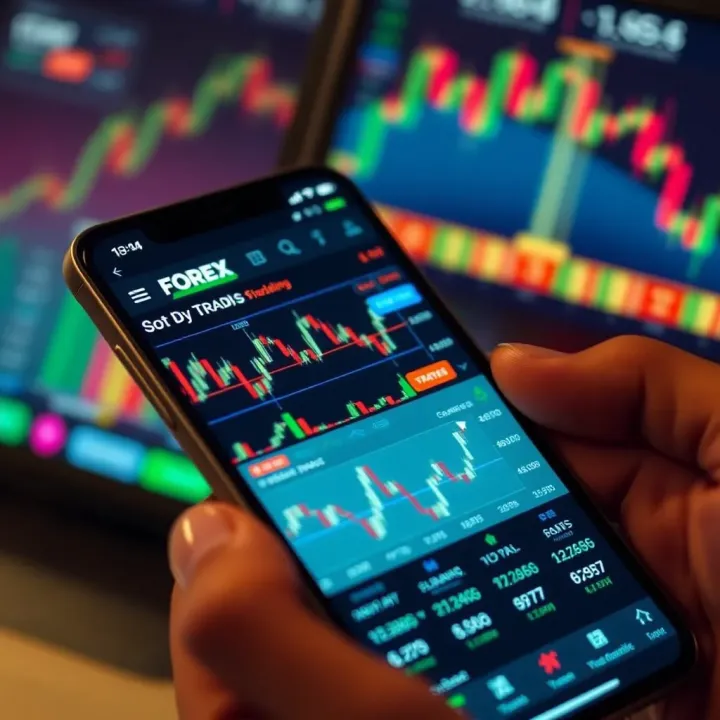
🌍 Discover the best forex trading apps available in South Africa! Compare features, costs, and trusted platforms to trade securely and effectively on your mobile device. 📱💰
Discover forex trading apps built for beginners in South Africa 🇿🇦. Learn features, pick the right app, explore popular choices, & manage risks effectively on mobile 📱.
Based on 13 reviews