
Understanding Candlestick Patterns in Trading
📈 Learn how to read candlestick charts and identify key patterns with clear examples. Understand market signals to boost your trading skills in the South African context.
Edited By
Emma Clarke
Candlestick charts offer a practical way to visualise market price actions and sentiment, which can be a great help for traders and investors. Unlike plain line charts, candlesticks visually display the open, close, high, and low prices for a specific time, giving more detailed insight into how the market is behaving within that period.
Each candlestick consists of a body and wicks (also called shadows). The body shows the price range between the open and close, while the wicks represent extremes during that timeframe. Colour coding usually signals the direction: for example, a green (or white) candle means prices closed higher than they opened, while red (or black) means the opposite.

More importantly, patterns formed by several candlesticks can reveal potential market turning points or continuation signals. For instance, a "hammer" pattern, with a small body and long lower wick, may hint at bullish reversal after a downtrend, signalling buyers stepping in. Meanwhile, a "shooting star" looks similar but emerges after an uptrend, warning of possible bearish selling.
Mastering candlestick patterns helps you read market psychology and anticipate price moves more effectively than relying on single data points alone.
Among the key patterns to recognise are:
Single candle patterns: Hammer, Shooting Star, Doji
Double candle patterns: Engulfing, Tweezer Tops/Bottoms
Triple candle patterns: Morning Star, Evening Star, Three White Soldiers, Three Black Crows
Each carries different implications depending on the prevailing trend and volume context. Ignoring these nuances can mislead your analysis.
Practical application means combining candlestick reading with other tools like support and resistance levels, trend lines, and volume analysis for confirmation. That way, you reduce false signals, which can crop up especially in choppy or sideways markets.
In Mzansi trading floors, where data costs and load-shedding can disrupt constant monitoring, having a solid grasp of candlestick signals enables quicker, sharper decisions when the market is live. This skill can improve your entries and exits — saving you both time and Rands.
Understanding candlestick chart patterns isn’t about crystal-ball prediction. Instead, it’s about reading the market mood and likely direction with more confidence. The next sections will go deeper into recognising patterns and applying them practically to your trading strategy.
Candlestick charts offer traders a detailed snapshot of price movement within a specified timeframe, revealing patterns that help gauge market sentiment. For anyone trading, understanding what these charts display is essential for making more informed choices rather than guessing based on limited data.
Each candlestick represents the duel between buyers and sellers over a chosen period, whether it's a minute, an hour, or a day. The shape and colour of the candlestick tell you who had the upper hand. For example, a green (or white) candle usually shows buyers pushed the price up by the close, while a red (or black) candle suggests sellers dominated.
This visual format is practical because it packs four critical price points into one shape, allowing traders to quickly interpret momentum and possible turning points without scrolling through a string of prices.
At the heart of every candlestick are its four key elements: the opening price, closing price, highest price, and lowest price within the timeframe. These define the candle's body and wicks (or shadows). For instance, if the candle’s body is long, it signals strong buying or selling pressure between open and close. A small body with long wicks can hint at indecision or upcoming reversals.
By focusing on these components, traders can grasp volatility and sentiment shifts. Say you notice a candle with a low open but a much higher close—this might indicate buyers stepping in to support prices after initial selling.
The timeframe you pick dramatically influences what you see. A 5-minute candle shows very short-term swings useful for day traders, while daily or weekly candles suit investors with a longer horizon. The broader the timeframe, the clearer the overall trend but with less detail.
Using the right timeframe matters because patterns on a 1-minute chart might look like noise compared to the more reliable signals found on daily charts. For instance, a reversal pattern spotted on a weekly chart often carries more weight than one on a 15-minute chart.
Line charts connect closing prices over time with a simple line and are easy to read at a glance, but they omit intra-period price movements. Bar charts present open, high, low, and close prices but in a less visually intuitive way compared to candlesticks.
Traders sometimes choose line charts for basic trend direction, but bar charts or candlesticks are preferred for detailed analysis because they show more price information per period.
Candlestick charts combine the clarity of bar charts with colour coding that quickly conveys market mood. Their visual richness lets traders spot patterns like hammers or engulfing candles, which might slip past unnoticed on bar charts.
Moreover, the colours and shapes sharpen pattern recognition, which is crucial in fast-moving markets like the JSE or global forex. For example, a cluster of bearish candlesticks after a strong uptrend can warn of a pending pullback, helping you act before prices slide.
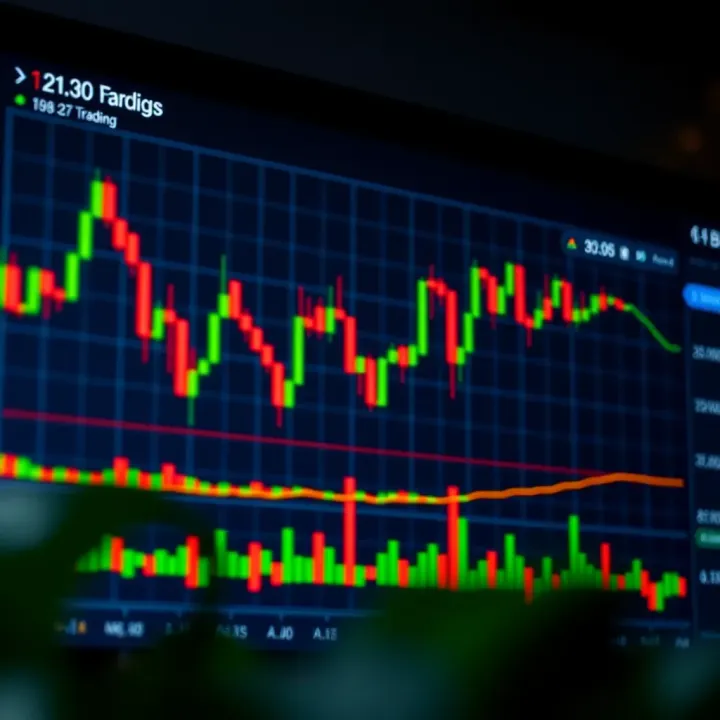
Candlestick charts aren’t just pretty pictures; they are packed with information that can make the difference between a smart trade and a costly guess.
This blend of detail and readability is why candlesticks remain a favourite among traders keen to read the story behind price movements in a glance.
Understanding core candlestick patterns is vital for traders who want to make more informed decisions based on price action. These patterns offer quick visual cues about possible market shifts, helping you anticipate momentum changes or trend reversals. Spotting them effectively can improve timing for entry and exit points, which is the bread-and-butter for successful trading.
A Doji forms when the opening and closing prices are nearly the same, resulting in a very slim or non-existent body on the candlestick. It signals indecision in the market — neither buyers nor sellers are in control. In practice, a Doji often appears after a strong move, suggesting a potential pause or reversal. But context matters: if a Doji shows up after a strong uptrend in a Johannesburg Stock Exchange (JSE) listed share, it might hint at weakening momentum and a possible turnaround.
Both the Hammer and Hanging Man have small bodies with long lower wicks, but their placement in the trend distinguishes their meanings. The Hammer appears after a downtrend and indicates potential bullish reversal — buyers managed to push prices up after initial selling pressure. Conversely, the Hanging Man shows up after an uptrend, warning that sellers might be gaining strength despite the price closing near its high. Seeing a Hammer on a local blue-chip stock chart could signal a good buying opportunity, especially when supported by volume.
A Shooting Star has a small body near the lower end with a long upper wick, showing that buyers tried to push the price higher but sellers took control by close. This pattern signals a bearish reversal when it appears after an uptrend. On the other hand, the Inverted Hammer forms after a downtrend and suggests a possible shift to the upside. Traders often wait for confirmation on the next candlestick before acting, as these patterns alone aren't conclusive.
Bullish Engulfing happens when a small red candlestick is followed by a larger green one that completely covers the previous body, signalling a shift from selling to buying pressure. Bearish Engulfing is the opposite — a small green candle engulfed by a bigger red candle, hinting a reversal from buying to selling. For example, spotting a Bullish Engulfing pattern in the retail sector after market jitters could invite cautious buying.
The Morning Star is a three-candle pattern signalling strong bullish reversal after a downtrend: a long red candle, followed by a small-bodied candle (could be a Doji or spinning top), then a long green candle closing well into the first candle’s body. Conversely, the Evening Star signals bearish reversal with the reverse sequence. These patterns help confirm that momentum is shifting and traders often use them alongside support and resistance levels for better reliability.
The Harami consists of a large candle followed by a smaller candle confined within the first one's body. It suggests indecision or a slowdown in the current trend, often preceding a reversal or consolidation. Traders watch for confirmation because the Harami alone is a warning, not a guarantee. In volatile South African markets, like during earnings seasons, recognising Harami patterns can prevent hasty trades.
Recognising and interpreting these core candlestick patterns sharpens your ability to read market sentiment. But remember, context and confirmation with other tools or indicators often make the difference between a useful signal and a costly mistake.
Candlestick patterns come alive only when traders apply them practically, beyond just recognising shapes. They help in making smarter decisions about when to enter or exit trades by highlighting shifts in market sentiment and potential price moves. While patterns alone don't tell the whole story, they offer clear visual cues that can increase the odds when viewed alongside other tools. For instance, spotting a hammer near a support level could hint that buying pressure is stepping in after a downtrend.
Identifying trend reversals is one of the most valuable ways to use candlesticks. When a reversal pattern like a bullish engulfing appears at the bottom of a downtrend, it suggests sellers might have exhausted and buyers are gaining control. Traders can act on this by entering a long position once confirmation is visible, like the next candle closing higher. This can prevent losses from staying in a fading trend or catch profitable moves early.
On the flip side, spotting continuation signals helps traders know when a current trend is likely to persist. Patterns such as the rising three methods or flags in candlestick form indicate brief pauses in a trend rather than a full reversal. Knowing this means traders can hold onto positions rather than exit prematurely. For example, after a strong uptrend, a small-bodied candle followed by another bullish candle often signals that the bulls remain confident.
Using support and resistance levels alongside candlestick signals gives much sharper entries and exits. A shooting star at a recognized resistance area gains weight because many traders watch these points. Conversely, a hammer forming close to a strong support zone emphasises the chance of a bounce. These levels act as natural barriers where price action reacts, and spotting candlestick patterns here tightens timing and risk management.
Volume as confirmation is a valuable ally in filtering candlestick signals. When a bullish reversal pattern shows up but the volume is low, it might indicate a weak buying interest that won’t push price far. Strong volume behind the same pattern signals genuine participation, increasing the chance of a sustained move. For example, a bullish engulfing candle on the JSE with above-average volume reinforces confidence for many traders.
Finally, pairing candlestick patterns with moving averages and oscillators helps gauge the trend’s strength and momentum. A golden cross (short moving average crossing above a longer one) followed by a bullish pattern often boosts conviction for long trades. Oscillators like the Relative Strength Index (RSI) alert when a market is overbought or oversold, so a reversal candlestick pattern forming at an oversold RSI territory can be a solid buy signal. This combination prevents chasing false breaks and nudges traders towards higher probability setups.
Cristal clear: combining visual candle formations with support, volume, and momentum tools cuts through market noise and improves trade timing.
Using candlestick patterns practically means weaving them into a broader strategy that pays attention to price context, volume, and trend indicators. This approach avoids jumping on patterns blindly and helps navigate South African markets, which can be choppy or affected by global news. The better you integrate these signals, the sharper your trading choices.
Candlestick patterns are a popular tool among traders for spotting potential market moves, but they're far from foolproof. Understanding their limitations and the risks involved helps avoid costly mistakes and sharpens decision-making. Awareness of when candlestick signals could mislead, as well as recognising the market conditions that affect their reliability, is crucial for anyone serious about trading.
False signals and noise often trap traders into poor choices. These market 'false alarms' occur when candlestick patterns appear to signal reversals or continuations that never materialise. For example, in a fast-moving JSE stock like Sasol, a bullish engulfing pattern might show up during random price fluctuation caused by brief bursts of trading volume rather than genuine buying interest. Such noise can lead to entering trades prematurely or exiting profitable positions too soon.
It’s vital to confirm patterns with additional tools rather than relying on the candlestick alone. Ignoring other factors like volume or nearby support levels often results in wasting capital on these misleading signals. Keeping an eye on the broader context reduces the impact of noise and improves trade outcomes.
Overreliance on patterns alone creates blind spots. Candlestick formations show what price did over certain periods but don’t explain why it moved. For instance, a morning star pattern signalling a bullish reversal may coincide with major fundamental news, such as an unexpected SARB interest rate announcement or changes in Eskom’s loadshedding schedule. Without understanding these underlying drivers, traders may misread the signals or miss sudden shifts.
Successful trading typically blends technical analysis like candlestick patterns with fundamental insight and other indicators. Relying solely on patterns is like driving a bakkie blindfolded – risky and unnecessary.
High volatility environments make candlestick readings trickier. During periods of extreme price swings, such as those caused by unpredictable international events or local political unrest, candlestick shapes can become distorted. Prices may burst up or down within a single candle's timeframe, creating dojis or hammers that don't reflect steady sentiment but rather chaotic fluctuations.
Take the Rand/ZAR pair during a global commodity shock: volatile moves can generate multiple conflicting patterns on short timeframes, confusing traders. In such cases, stretching the timeframe or waiting for pattern confirmation before acting provides a buffer against false interpretations.
Low liquidity implications also pose challenges. Thinly traded shares on smaller exchanges or outside regular market hours tend to have erratic candles. Low liquidity means even small orders can cause disproportionate price moves, making patterns less reliable.
For example, a small cap resource stock listed on the AltX may exhibit large wicks and erratic bodies that do not convey genuine supply and demand balance. In these scenarios, testing patterns against volume or waiting for trades during peak hours improves reliability and protects against being misled.
Recognising the limits and risks of candlestick patterns keeps traders grounded. Use patterns as part of a wider toolkit and remain mindful of the market’s pulse before acting.
This approach helps avoid the trap of illusionary signals and supports smarter, more confident trading choices.
Mastering candlestick pattern analysis requires a disciplined approach and attention to local market nuances. Traders who develop consistent habits around recognising patterns, documenting trades, and practising in risk-free environments often gain a clearer understanding and improve their decision-making. Plus, understanding how these patterns behave in South African markets can add valuable context and reliability to your trades.
Practising pattern recognition starts with regular exposure to candlestick charts. Spend time each day reviewing live charts across different timeframes, such as the JSE Top 40 shares or Eskom share trades, and try to label patterns as they form. This repeated practice sharpens your eye and helps you quickly identify patterns like hammers or engulfing candles in real-world conditions, rather than just theory.
Besides just spotting patterns, practising also means observing how these forms behave alongside price volume and market momentum. It might be useful to focus on particular sectors, say mining or retail stocks, so you understand the typical volatility and pattern reliability there before applying this knowledge broadly.
Keeping trading journals is a simple yet often overlooked tool for improvement. Recording every trade setup based on candlestick patterns, including the context, your thought process, and the eventual outcome, allows you to analyse what works and where you tend to misread signals. For example, you might notice a pattern consistently giving false signals during periods of Eskom loadshedding disruptions — a detail you'd miss without a journal.
Your journal acts like a personalised feedback loop, helping you avoid repeating mistakes and reinforcing strategies that show promise. Over time, this builds confidence and reduces emotional trading.
Using demo accounts for testing lets you experiment with candlestick-based strategies without risking actual capital. South African brokers like EasyEquities and IG Markets offer demo platforms where you can practise entering and exiting trades guided by candlestick signals.
This method is especially handy when trying to combine candlestick patterns with other indicators such as moving averages or volume data. Try testing your approach around major economic events in South Africa, like SARB's repo rate announcements, to see how patterns might behave differently.
Adapting patterns for South African markets means recognising that markets here might react differently compared to global counterparts. Factors like loadshedding, political developments, or commodity price shifts can impact how reliable traditional candlestick patterns prove.
For instance, the usual bullish engulfing pattern during a market rally might falter on the JSE if energy supply worries suddenly spike, causing panicked selling. Adjusting your expectations and adding filters based on Johannesburg market conditions enhances your pattern's relevance.
Considering fundamental news and events alongside candlestick readings boosts your trading edge. Keeping an eye on local news — like municipal service protests or changes in mining regulations — can explain sudden price moves that patterns alone can't capture.
If a pattern appears after an unexpected ANC policy announcement or during rumblings of labour strikes in Gauteng, interpret it with caution. Combining technical patterns with South African economic calendars or news feeds guards you against acting on patterns distorted by exceptional events.
Remember, candlestick patterns are a tool—not a crystal ball. Merging disciplined practice with market awareness and local conditions turns chart reading into a reliable trading skill rather than guesswork.
By integrating good habits and local insight, you improve your ability to read market moods accurately and make smarter trading choices.
📈 Learn how to read candlestick charts and identify key patterns with clear examples. Understand market signals to boost your trading skills in the South African context.

📉 Master candlestick patterns with our clear guide, key pattern descriptions, chart reading tips & handy PDF resources to trade smarter in SA and beyond.
📈 Learn to spot bullish candlestick patterns on charts, understand market trends, and use practical tips with handy PDF summaries for smarter trading decisions.

📈 Learn how key candlestick patterns reveal market trends in forex trading. Master bullish & bearish signals plus tips for South African traders to boost your strategy.
Based on 9 reviews