

Where to Study Risk Management in South Africa
📚 Explore top South African institutions offering risk management courses, learn about qualifications, course details, and tips to choose the right path for your career risk goals.
Edited By
Amelia Clarke
The Diploma in Risk Management is a practical qualification tailored to South Africa’s diverse business environment. It equips traders, investors, and financial analysts with the skills to identify, assess, and handle various risks that could affect investments, companies, and sectors.
Risk management in South Africa covers everything from market volatility and credit risk to regulatory compliance with frameworks like the Financial Sector Conduct Authority (FSCA) and King IV reports. This diploma not only deepens your understanding of financial risks but also sharpens your ability to navigate legal and operational hurdles.

Learners typically explore topics such as risk assessment techniques, insurance principles, governance, and how to apply risk controls in real-world scenarios. What makes this qualification particularly relevant here is its focus on integrating South African legislative requirements—like the Companies Act and POPIA (Protection of Personal Information Act)—into risk strategies. For instance, a financial analyst aware of POPIA can better protect customer data when assessing cyber risks.
Effective risk management is not about avoiding risks but understanding and managing them to safeguard investments and business continuity.
This diploma suits those seeking roles in finance, insurance, corporate governance, or specialised risk advisory positions. Graduates often find work as risk officers, compliance analysts, or financial controllers within local banks, insurance firms, or regulatory bodies. Plus, the qualification supports career progression by building a strong foundation in managing both expected and unexpected events.
Institutions accredited by bodies such as the South African Qualifications Authority (SAQA) and recognised by the Institute of Risk Management South Africa (IRMSA) ensure that your study is legitimate and respected industry-wide. Knowing where to study can make a big difference in the practical exposure and networking opportunities available.
In short, the Diploma in Risk Management offers a straightforward, targeted pathway for professionals wanting to grasp the risks South African businesses face daily—and how to manage them with confidence and compliance.
The Diploma in Risk Management gives you a solid foundation in recognising, analysing, and handling risks that businesses face every day. It’s especially valuable in South Africa’s context, where economic shifts, regulatory demands, and operational challenges like loadshedding make risk management more than just theory. This diploma gears you up for practical problem-solving, not just ticking boxes on compliance.
Risk assessment and analysis involves identifying potential threats that could disrupt a company’s operations or financial health. In South Africa, for example, mining companies need to assess risks related to fluctuating commodity prices, safety incidents, and community unrest. This segment of the course trains you to weigh probabilities and impact so you can prioritise risks effectively.
Risk control strategies teach how to develop measures that reduce or eliminate identified risks. Whether it's setting up safety protocols in factories or using hedging techniques in financial firms, these strategies are tailored to the specific risk profile of an organisation. A case in point: a retailer might introduce fraud detection software to control credit card risk.
Business continuity planning prepares you to keep a business running smoothly during unforeseen events like power outages or cyberattacks. Considering South Africa’s frequent loadshedding, knowing how to maintain critical operations with backup power or alternate supply chains is vital. The course uses realistic scenarios to help you create robust contingency plans.
Legal and regulatory frameworks in South Africa covers the rules businesses must follow, including the Protection of Personal Information Act (POPIA), financial sector regulations, and occupational health and safety laws. Understanding these is essential to avoid penalties and maintain good standing.
Critical thinking and decision making are at the heart of effective risk management. The diploma hones your ability to analyse complex situations quickly and choose the best course of action. For example, deciding whether to accept a high-risk client or how to respond to a sudden market downturn involves weighing various factors logically.
Communication of risk information is about presenting findings clearly to different stakeholders, from top executives to frontline workers. Whether preparing a risk report or briefing a team on new procedures, you’ll learn to tailor your message for impact and clarity.
Problem-solving in dynamic environments equips you to handle shifting risks as business conditions change. South African industries often face rapid policy changes or supply interruptions; this skill helps you adapt strategies on the fly to keep the business steady.
The diploma not only teaches theory but emphasises applying risk management tools and skills directly to South African business realities, making it a practical qualification for today’s fast-changing environment.
The Diploma in Risk Management plays an important role in South Africa’s education system and business landscape. It is designed to provide practical skills relevant to a variety of sectors that face complex risks daily. For traders, investors, and financial analysts, understanding how this diploma fits into the broader education framework and industry needs helps highlight its value as a professional qualification.
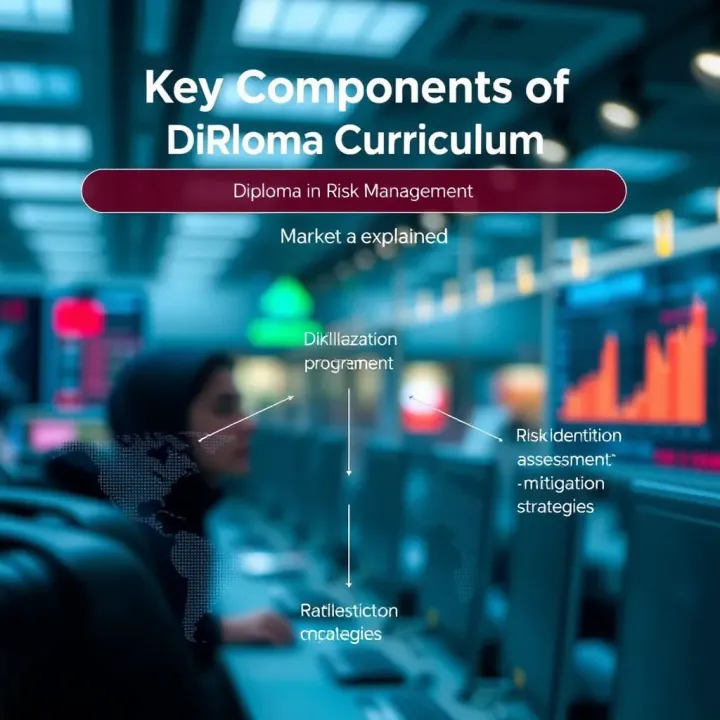
SAQA oversees the National Qualifications Framework (NQF), ensuring that all qualifications in South Africa meet consistent standards. The Diploma in Risk Management must be registered and recognised by SAQA, which guarantees that the course content, assessment methods, and delivery meet national quality benchmarks. This means that the diploma you earn is credible, nationally accepted, and transferable between institutions and employers.
Besides validating the academic integrity of the qualification, SAQA helps protect learners by making sure courses are relevant and up to date. For instance, SAQA’s involvement means your diploma aligns with local legislation, economic conditions, and sectoral demands, which is crucial for practical risk management training in a South African context.
Various bodies accredit risk management programmes depending on the sector focus. For example, the Institute of Risk Management South Africa (IRMSA) plays a pivotal role in accrediting courses that meet professional standards within the risk management field. Similarly, universities and higher education institutions offering diplomas in this area are often accredited by the Council on Higher Education (CHE).
Accreditation from these organisations matters because it assures employers and industry stakeholders that the qualification maintains a high standard. A diploma accredited by IRMSA or CHE signals that the graduate is equipped with skills recognised by industry leaders, making it easier to gain employment or move into specialised roles.
South Africa’s economy depends heavily on industries subject to various risks—from financial market volatility to operational hazards in mining and manufacturing. These sectors look for professionals who can identify, assess, and control risks effectively. Risk management qualifications address this demand by training individuals in techniques for analysing market risks, regulatory compliance, and safety protocols.
For example, a risk analyst in a Johannesburg financial institution might use skills from the diploma to forecast and mitigate investment risks. Meanwhile, in the mining sector, knowledge gained through the diploma helps manage safety risks and environmental compliance, which are both critical to business sustainability.
South African businesses face unique challenges such as stringent regulatory compliance and the frequent interruptions caused by Eskom’s loadshedding. The diploma prepares graduates to adapt their risk management approaches accordingly. Managing compliance risk is essential due to laws like the Financial Advisory and Intermediary Services Act (FAIS) or local labour regulations.
Moreover, the course addresses operational risks specific to South Africa's energy supply issues. Companies must develop contingency plans for loadshedding to keep productivity on track. Graduates skilled in business continuity planning can help organisations implement backup power solutions, schedule critical operations around power availability, and communicate effectively with stakeholders during outages.
The diploma’s practical focus on South African regulatory frameworks and operational realities makes it highly relevant and sought after across numerous industries.
This alignment with local conditions ensures the diploma doesn’t just look good on a CV but provides tools and knowledge you can apply in day-to-day business, making you an asset in managing South Africa's unique risk environment.
Selecting the right institution for your Diploma in Risk Management is a decision that impacts your learning experience, qualification recognition, and career path. In South Africa, this choice affects your exposure to accredited content, practical learning, and networking opportunities within industries like finance, mining, and manufacturing.
Public institutions such as universities of technology often offer more affordable diplomas, backed by government funding and broader recognition. However, their class schedules and campus-based learning might be less flexible, which can be challenging if you’re working full-time or need a more adaptable format. Conversely, private providers usually charge higher fees but may provide shorter courses, more practical case studies, and personalised support to match industry demands. They sometimes partner with specific companies, offering valuable work-integrated learning opportunities.
When choosing, consider your budget, learning preferences, and the kind of industry connections you hope to develop. For example, the University of South Africa (Unisa) is well-known for distance learning diplomas, while the International Risk Management Institute might offer more specialised courses through private training settings.
Recognised institutions hold accreditation from South African Qualifications Authority (SAQA) and other relevant bodies. This ensures your diploma is valid and valued by local employers. Universities such as the University of Johannesburg and Technikon South Africa have quality programmes in risk management. Also, private colleges like the Risk Management Academy offer accredited diplomas aligned with industry standards. Checking accreditation saves you from wasting time and money on qualifications that employers won’t recognise.
For working professionals, distance learning and part-time diplomas are practical choices. These options let you balance study with job and family commitments. You can pace your studies according to your availability, avoiding the stress of full-time attendance. This is especially handy when juggling roles like financial analyst or compliance officer, as you keep earning while upgrading skills.
Remote learning platforms in South Africa have improved greatly in recent years. Many institutions use learning management systems like Moodle, Blackboard, or Microsoft Teams to share study materials, host virtual lectures, and conduct assessments. This technology allows you to participate in forums, submit assignments online, and communicate directly with lecturers – all from your home or office. It also supports recorded sessions, which is ideal if you can’t attend live classes. Effective use of these platforms can make education accessible even during loadshedding, as content is available offline too.
Finding an institution that offers accredited courses with flexible learning options is key to getting the most from your Diploma in Risk Management and advancing your career in South Africa’s ever-changing business landscape.
Completing a Diploma in Risk Management opens doors to a range of jobs where you can put your skills to work managing uncertainties and safeguarding assets. It’s a practical qualification that aligns with what businesses and industries across South Africa need, especially given our complex regulatory environment and challenges like loadshedding.
A risk analyst crunches numbers and data to spot potential threats to a company’s operations, finances, or reputation. In South Africa, this role is particularly vital in sectors like banks, insurance companies, and mining firms. For example, a risk analyst at an FNB branch might assess credit risks to prevent loan defaults, while in mining, they might evaluate environmental risks associated with extraction processes.
Besides analysing risks, they advise on how to reduce potential damage. This role teaches practical skills such as data interpretation, risk modelling, and report writing — all critical for effective decision-making in dynamic markets.
Compliance officers ensure that companies play by the rules — from the Protection of Personal Information Act (POPIA) to the King IV Report on corporate governance. In local financial institutions or even manufacturing, these officers monitor policies and practices to avoid legal pitfalls.
Their work may include preparing reports for regulators or training staff on new compliance standards. With South Africa’s tightening regulations, compliance officers are in growing demand, making this a stable and rewarding entry point, especially for those interested in the legal side of risk.
Safety coordinators focus on creating safe working environments, crucial in industries like construction, mining, and manufacturing. They implement workplace safety programmes that align with the Occupational Health and Safety Act (OHSA) and ensure employees follow protocols to reduce accidents and injuries.
For instance, a safety coordinator in a Gauteng mining company might oversee regular audits and coordinate training sessions on hazardous material handling. This role offers hands-on experience and a chance to make a direct impact on people’s wellbeing.
After the diploma, many opt to deepen their expertise with advanced studies in risk management, compliance, or governance. These further qualifications often focus on specialised areas like financial risk, operational risk, or regulatory compliance, enabling graduates to move into senior or more specialised roles.
Courses accredited by recognised South African bodies add credibility and improve employability. They are practical stepping stones towards positions such as risk manager or head of compliance.
Professional certifications like those from the Risk Management Institute of Australasia (RMIA) or local bodies provide industry recognition beyond academic diplomas. They validate your skills and signal commitment to high standards.
For example, becoming a Certified Risk Professional (CRP) can open doors internationally and locally, enhancing career growth in finance or corporate sectors. Employers in South Africa often prefer certified professionals, as these credentials reflect both theory and practical application.
Graduates who invest in further qualifications and certifications are better placed to adapt to evolving industry demands and access higher-paying roles.
Taking the Diploma in Risk Management is just the start; the real value comes from how you build on it with experience and ongoing learning.
📚 Explore top South African institutions offering risk management courses, learn about qualifications, course details, and tips to choose the right path for your career risk goals.

📜 Earn a Certificate in Risk Management to gain key skills for spotting and managing risks in South Africa's business world, plus boost compliance and career growth.

Manage forex risk in South Africa with practical tips on currency volatility, monitoring tools, and local regulations to protect your business and investments 📉💼
Protect your South African business with smart fraud and risk management strategies. Learn practical methods, tech tools, and compliance tips today 🔒📊
Based on 12 reviews