
The Best Indicators for Forex Trading in South Africa
📊 Master forex trading with key South African-friendly indicators! Learn to analyse currency pairs smartly and combine tools for better, clearer trading decisions.
Edited By
Grace Wilson
Forex trading, or foreign exchange trading, centres on buying and selling currencies with the aim of making a profit from changing exchange rates. For South African investors and traders, this market operates 24 hours a day, five days a week, spanning global financial hubs like London, New York, and Tokyo. Unlike the stock market that trades shares of companies, forex trading involves currency pairs – for example, the South African Rand (ZAR) against the US Dollar (USD), written as ZAR/USD.
Understanding currency pairs is key. The first currency in a pair is the base currency, and the second is the quote currency. When you see ZAR/USD at 0.068, it means one rand buys 0.068 US dollars. Traders speculate on whether this rate will rise or fall. If you expect the rand to strengthen, you might buy the pair; if you expect it to weaken, you might sell.
Leverage is a common feature in forex trading, giving traders the ability to control larger positions with a relatively small amount of money. In South Africa, brokers often offer leverage ratios from 1:50 up to 1:200. While leverage can boost profits, it can also magnify losses — so using it wisely is crucial.
Remember, forex trading is not a guaranteed way to get rich quickly. It requires sharp analysis, discipline, and managing risks properly.
Most South African traders use technical analysis tools like moving averages, RSI (Relative Strength Index), and support-resistance levels to time entries and exits. Meanwhile, others may follow fundamental factors, such as interest rate decisions by the South African Reserve Bank (SARB) or political developments influencing the rand.
To get started responsibly you’ll need:
An account with a regulated forex broker approved in South Africa.
A good grasp of terms like pips (price interest points), spreads (difference between bid and ask price), and margin.
A simple strategy, whether it’s day trading, swing trading, or longer-term position trading.
Trading platforms like MetaTrader 4, MetaTrader 5, or those provided by local brokers offer easy access to the market and tools for analysis. Before investing real money, practice on a demo account to understand how price movements and leverage work.
In summary, forex trading in South Africa offers accessible opportunities but comes with significant risks. Educating yourself on how the market functions, practising patience, and employing sound risk management will serve you better than chasing fast profits.
Grasping how the forex market works is essential for anyone keen on trading currencies in South Africa. The forex market isn't some distant place – it's a vast, global network where currencies are bought and sold every second, affecting everything from holiday costs to import prices. For traders, understanding this market means you can better predict currency movements and make smarter trading decisions.
The forex market operates round the clock during weekdays, thanks to financial centres in places like London, New York, Tokyo, and Sydney. This means South African traders can enter or exit trades anytime, whether it’s late evening in Johannesburg or early morning. This 24-hour nature also means a constant flow of news and events can influence currency prices, so staying alert is key.
Some currencies dominate forex trading due to the size and stability of their economies. These include the US dollar (USD), euro (EUR), British pound (GBP), Japanese yen (JPY), and the South African rand (ZAR). The rand might not be as heavily traded globally as the USD or EUR, but its moves can be quite volatile, offering opportunities and risks unique to South African traders.
The forex market features a broad set of participants: banks, hedge funds, corporations, central banks, and individual traders. For example, when the South African Reserve Bank (SARB) adjusts interest rates, it can cause sharp rand movements as banks and investors respond. Knowing who moves the market helps traders anticipate potential volatility and price shifts.
Currencies in forex are quoted in pairs, such as USD/ZAR or EUR/USD. The first currency (base) is what you’re buying or selling, and the second one (quote) shows how much of that currency you need to trade. For South Africans, understanding pairs like USD/ZAR helps in judging whether the rand is gaining or weakening.
Major pairs include the big currencies against the USD, like EUR/USD or GBP/USD, and are usually more liquid with tighter spreads. Minor pairs avoid the USD but still involve major currencies, such as EUR/GBP. Exotic pairs combine a major currency with one from an emerging or smaller economy, like USD/ZAR. Exotic pairs tend to be less liquid and more volatile, which means higher potential reward but also bigger risks.
Every currency pair has a bid price — what buyers will pay — and an ask price — what sellers want. The difference between these is called the spread, and it effectively is the cost of your trade. For a trader, knowing the bid-ask spread helps in planning entry and exit points, and avoiding being caught up in unnecessary costs.
Understanding these fundamentals offers a solid foundation if you want to trade forex thoughtfully and avoid costly mistakes. In South Africa’s unique economic environment, this knowledge is especially valuable.
To trade forex effectively, you need a solid grasp of its key concepts. This helps you understand how profits and losses build up, why managing risks matters, and how brokers deal with your trades. These concepts are the nuts and bolts that keep every trade ticking – from leverage to spreads.
Leverage lets you control a larger amount of money than you actually have, by borrowing funds from your broker. For example, if your broker offers 1:100 leverage, a R1,000 deposit lets you trade as if you had R100,000. This magnifies your profits but also your losses – so it can be a double-edged sword. It’s popular in forex because currency moves are usually small, so leverage helps make trades worthwhile.
Margin is the money you need to open a position. It’s a kind of deposit the broker holds as security. For instance, with 1% margin, opening a R100,000 position costs you R1,000 upfront. Keep in mind, margin is not a fee but collateral. Your trading platform will usually show your available margin and alert you if it’s running low – which could lead to a margin call if you don’t add funds.
While leverage can boost returns, it also increases the risk of rapid losses. A small adverse move in the market can wipe out your entire deposit or more if stop-losses aren’t used. For example, if you use 1:200 leverage in volatile markets like the Rand-Dollar pair, a 0.5% move against you could quickly eat into your capital. That’s why many traders cap their leverage or use it cautiously, especially in the unpredictable South African market.
A pip is the smallest price increment in forex, typically 0.0001 for most currency pairs. It measures change and lets you quantify profit or loss. For example, if EUR/USD moves from 1.1200 to 1.1210, that’s 10 pips. The monetary value of each pip depends on your lot size (the amount of currency you trade). For traders, knowing pip values helps manage risk precisely.
Forex trades happen in lots: a standard lot is 100,000 units of currency, a mini lot is 10,000, and a micro lot is 1,000. Smaller lots suit beginners or those with smaller accounts by lowering risk exposure. Say you start with a R5,000 account; trading micro lots lets you enter the market without risking too much. This flexibility is vital for building confidence and preserving capital.
The spread is the difference between the bid (selling) and ask (buying) price of a currency pair. Brokers earn from this margin. A tight spread means lower trading costs, while a wide spread can eat into profits quickly. For example, during busy trading hours for major pairs like USD/ZAR, spreads tend to narrow; but after hours or with exotic pairs, they widen. Understanding spread helps you choose the right pairs and trading times, especially when costs matter in a volatile rand environment.
Getting comfortable with leverage, margin, pips, lots, and spreads lays the groundwork for responsible forex trading. These basics let you measure opportunity and risk in every trade, making informed decisions easier in South Africa’s dynamic currency markets.
Mastering a few well-known strategies can seriously improve your chances in the forex market. No matter if you’re trading the rand against the US dollar or more exotic pairs, having a method helps bring order to a potentially chaotic market. Knowing when and how to enter or exit trades, based on solid analysis rather than guesswork, is key.
Using charts and indicators is about reading past price movements to predict future trends. Traders glance at candle charts — each candle tells the story of price action over a set time, like 1 hour or 1 day. The shape and colour reveal buying or selling pressure. Indicators add another layer, showing momentum, volume or trend strength. It’s like reading the market’s mood before making a move.
Commonly used tools like moving averages and RSI offer practical signals for traders. Moving averages smooth out short-term noise, showing the underlying trend. For instance, a 50-day moving average crossing above a 200-day might hint at a bullish trend. The Relative Strength Index (RSI) measures overbought or oversold conditions; if RSI hits 70, a reversal may be looming. These tools help traders decide when to jump in or get out, reducing emotion-driven mistakes.
Impact of economic data can’t be ignored as forex prices often react sharply when South Africa releases inflation figures, employment stats, or GDP growth. For instance, a better-than-expected unemployment rate often boosts the rand because it signals economic strength. Understanding these reports lets traders anticipate volatility and position themselves early.
Central bank decisions and interest rates shape forex markets directly. The South African Reserve Bank (SARB) adjusts rates to tame inflation or stimulate growth. When SARB raises interest rates, the rand usually rises since local investments become more attractive. Following SARB announcements and statements is essential for serious forex players.
Political and geopolitical events create ripples all over the market. Domestic issues like policy uncertainty or protests can weaken the rand, while global tensions or trade disputes affect major currency pairs. For example, uncertainty before an election often triggers cautious trading. Staying aware of political news helps traders steer clear of surprises.
Setting stop-loss orders is a simple but powerful tool to control losses. It’s an automatic instruction to sell a position at a predetermined price. Say you buy EUR/ZAR at R18.50 expecting a rise but want to limit losses to R0.20 per unit; you’d set a stop-loss at R18.30. This prevents emotions from causing you to hold onto a losing trade for too long.
Position sizing based on account size ensures you don’t risk too much on one trade. A common rule is risking only 1-2% of your trading capital on a single position. With R10,000 to trade, risking R100-R200 per trade lets you absorb setbacks without wiping out your account. This discipline keeps you trading during rough patches.
Trade journaling for improvement means recording every trade’s details: entry/exit points, size, why you took the trade, and how it turned out. Over time, this reveals patterns—both good and bad. Perhaps you spot that you lose when ignoring major economic news. Reviewing your journal regularly helps sharpen your skills and avoid repeating mistakes.
Good strategies paired with solid risk control separate successful traders from the rest. Make sure your approach fits your risk tolerance and style, and keep refining it as you learn.
Starting forex trading in South Africa involves more than just picking a currency pair and hitting buy or sell. It means finding the right broker, learning the ropes, and understanding the local practicalities around funding and taxation. South Africans need to pay special attention to regulation, banking options, costs, and the ever-changing local economic environment to trade safely and effectively.
In South Africa, brokers should be authorised by the Financial Sector Conduct Authority (FSCA). This regulatory body oversees financial services to protect traders from shady operators. When you pick an FSCA-licensed broker, you get a level of security—your money is held separately and the broker must comply with strict rules. Avoid any broker without FSCA regulation; many scams target inexperienced traders promising easy money.
Brokers offer different account types tailored to various trading styles and capital levels. For example, beginner accounts might have a lower minimum deposit and simpler features, while professional accounts offer advanced tools but require more investment. The trading platform is just as important—popular options like MetaTrader 4 or proprietary broker platforms can impact your user experience and access to indicators. Always test platforms for responsiveness and reliability before committing funds.
Watch out for hidden fees such as withdrawal charges, inactivity fees, and spreads. Spreads—the difference between the buy and sell price—affect your profit potential directly. Some brokers offer fixed spreads; others float with market conditions. Besides spreads, keep an eye on commission fees or markups on currency pairs, which can add up if you trade frequently. Knowing these costs upfront helps you manage your trading budget better.
Demo accounts allow you to trade with virtual money, giving you a risk-free environment to practise strategies and understand market behaviour. In South Africa, where forex can be quite volatile due to local economic factors, practising on a demo account helps build essential skills without risking your Rands. It also familiarises you with platform features and order types.
Many brokers and independent sites offer educational material tailored to South African traders. Look for webinars, tutorials, and articles explaining the impact of local events like SARB (South African Reserve Bank) interest rate decisions or rand fluctuations caused by global trade tensions. Having access to relevant and timely education ensures you make informed decisions rather than guesswork.
Trading with real money can be nerve-wracking. Using demos and educational tools builds your confidence progressively. It’s common for new traders to rush into live trading and lose money fast—that’s why stepping up in measured stages helps reduce stress and sharpens decision-making under pressure.
South African traders benefit from brokers that accept local payment methods. Funding your account via EFT (electronic funds transfer) or e-wallets like PayFast makes the process faster and sometimes cheaper. Beware of high fees on international transfers, which can eat into your investment capital.
Forex profits are taxable in South Africa, usually as income or capital gains depending on your trading nature. Keeping detailed records of trades, profits, and losses is essential for accurate SARS (South African Revenue Service) reporting. If you trade full-time, SARS may tax your profits as income; part-time traders might qualify for capital gains treatment. Consulting a tax adviser familiar with local forex rules is wise.
Local economic challenges such as loadshedding, rand volatility, and policy uncertainty add layers of risk. Traders should factor these in when placing trades and managing capital. For instance, unexpected announcements from SARS or SARB can swing the rand wildly. Careful risk management, including smaller position sizes on volatile days, is crucial to avoid significant losses.
When you start trading forex in South Africa, choosing a regulated broker and practising properly is key. Combine local market understanding with disciplined risk management to give yourself a fighting chance.
📊 Master forex trading with key South African-friendly indicators! Learn to analyse currency pairs smartly and combine tools for better, clearer trading decisions.
Find the best forex trading platform in South Africa 🇿🇦 by weighing costs, tools, ease of use & local rules. Perfect for beginners keen on smart trading!
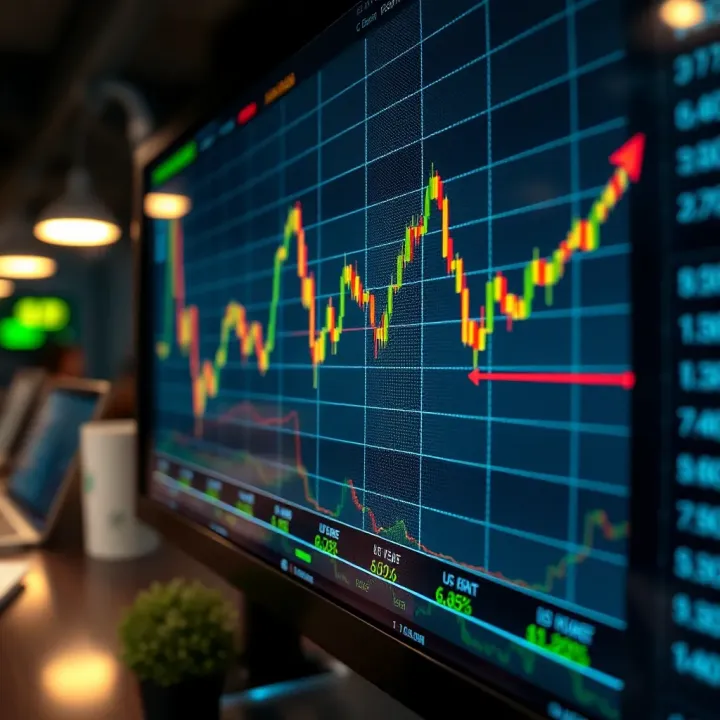
📈 Learn forex trading basics for South African beginners, covering local rules, global markets, risk tips & safe start steps. Trade smart with confidence! 🇿🇦

📊 Learn the steps to register for forex trading in South Africa, understand FSCA rules, and ensure compliance for safer, legal trading in the local market.
Based on 10 reviews